Rapid Urbanization and population growth are major contributing factors to climate change and depletion of natural resources. These unprecedented challenges are posing a lot of problems for the developing cities worldwide. It is to be noted that the building sector is responsible for more than one-third of global energy consumption and 37% of energy-related carbon emissions worldwide. To support global sustainability goals, improve living standards, and foster resilience, adopting green, sustainable architecture is now imperative rather than just a choice. The long-term economic and environmental advantages of green buildings outweigh the initial construction costs, even though they are significantly more expensive than conventional building structures. For instance, energy consumption is lowered by 20–30% and water usage by 30–5%. Although there is no denying the need for sustainable architecture, there is still a sizable funding gap, especially in developing nations where funds are frequently limited. However, sustainable architecture’s long-term benefits for the economy and environment are opening up new avenues for creative financing options in these urban environments.
Financial Model: Public Funding & Government Initiatives
A society’s future is greatly influenced by its government, particularly in emerging cities. By emphasising the use of green building materials and technologies for public projects, the government, which holds a significant market share in developing cities, can send a strong signal to the market, promoting growth and innovation in the sustainable construction sector.
In addition to using green materials for public projects, the government has begun to use financial measures to promote green architecture. Offering direct subsidies and reimbursements to developers and homeowners who implement energy-efficient and ecologically friendly practices is one such tactic. To ensure the growth of sustainable architecture in the city, governments in some cities have also begun incorporating minimum sustainability requirements into mandatory building codes for new construction and major renovations.
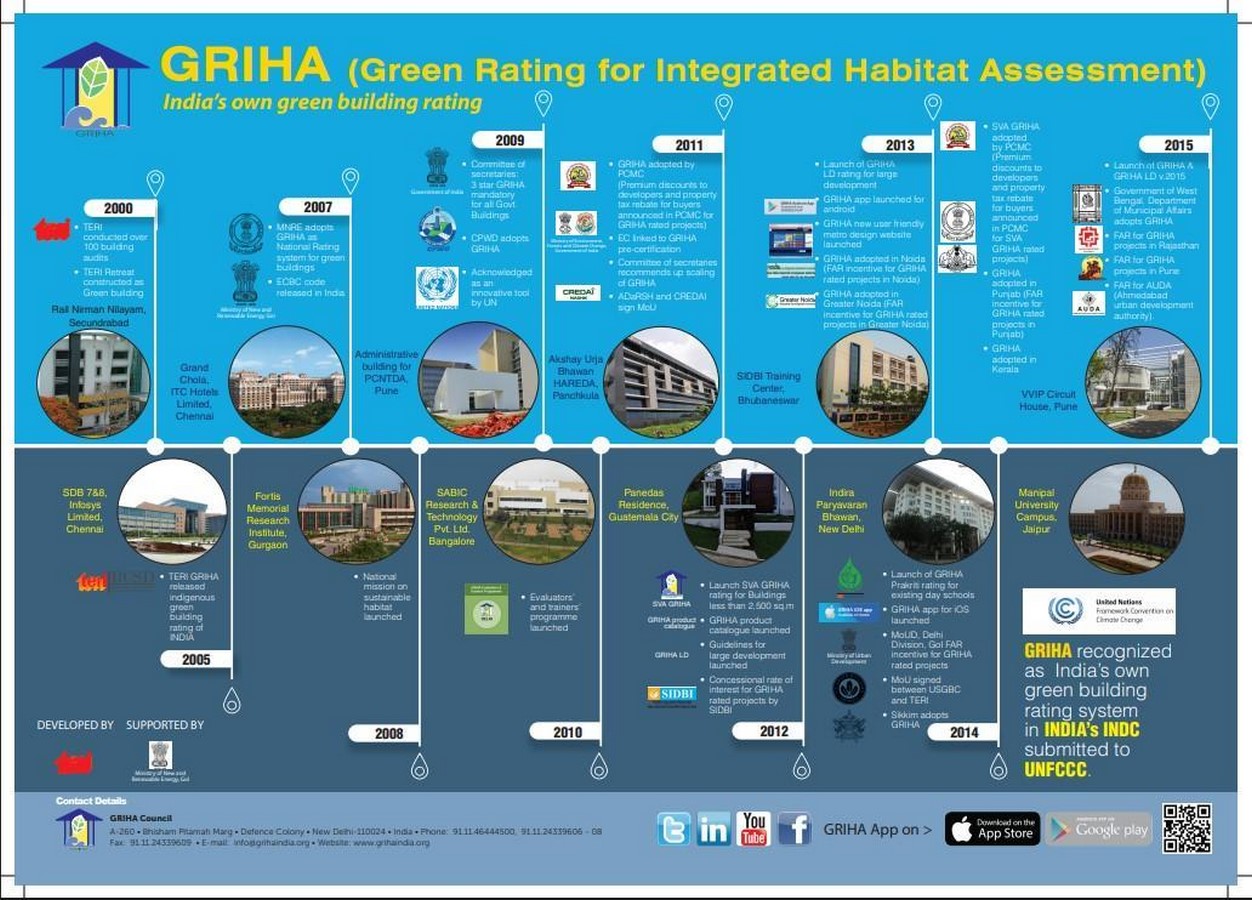
For example, incentives for sustainable architecture have been formalised by GRIHA, India’s national green building assessment system. Certain financial and procedural benefits are granted to GRIHA and IGBC-rated projects in Indian cities such as Gurugram and Noida; other municipal governments, such as the Pune Municipal Corporation, provide a 10% property tax refund for buildings that receive GRIHA certification. Furthermore, credit loans and greenhouse loans with reduced interest rates are provided by public sector financial institutions.
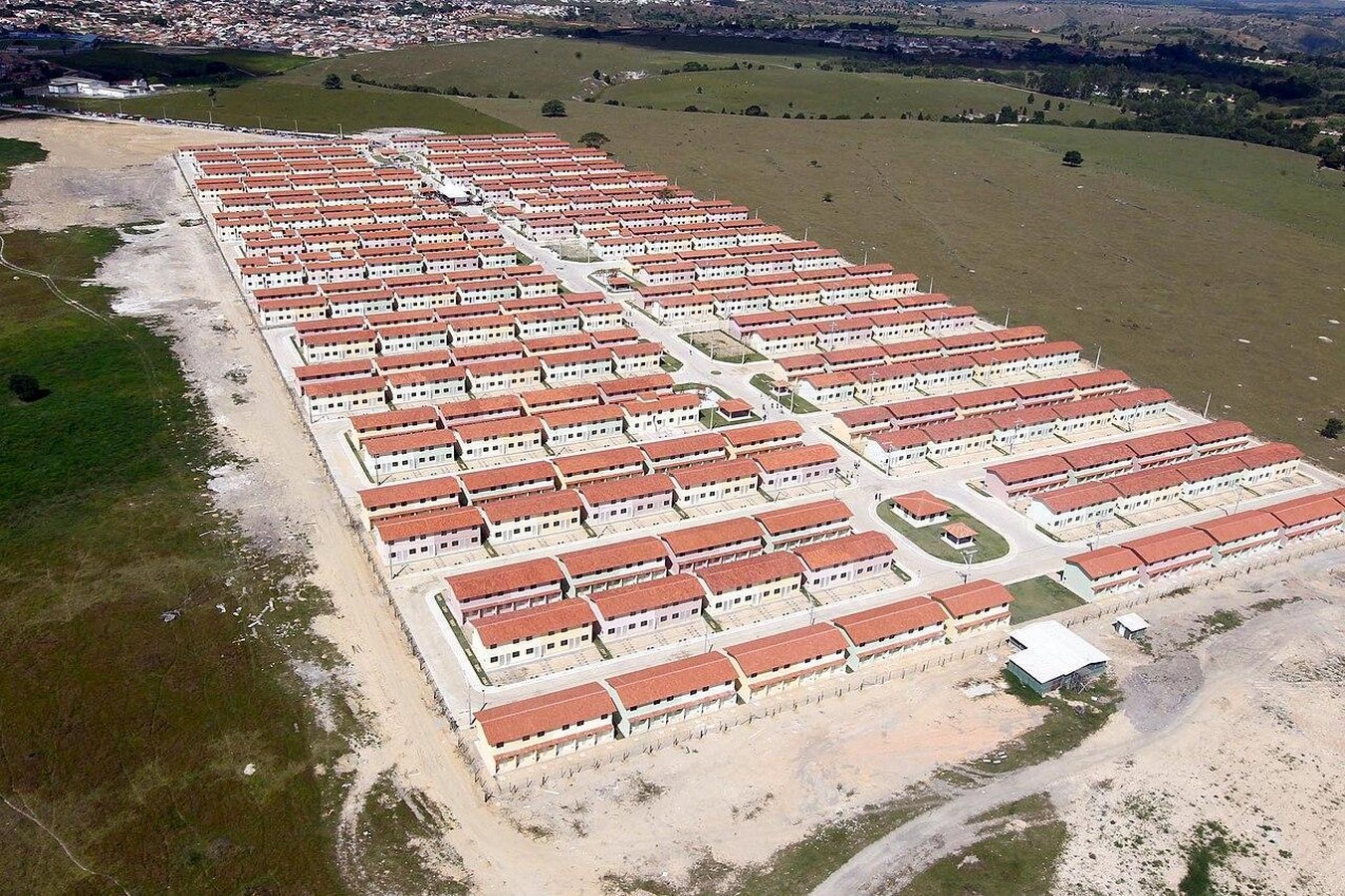
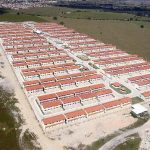
Another illustration would be Indonesia’s government-owned PT Sarana Multi Infrastructure (SMI), which plays a significant role in financing climate-resilient infrastructure, including green buildings. Brazil’s Minha Casa Minha Vida program is another illustration of a government initiative aimed at green sustainable design, showing how sustainability objectives can be incorporated into public housing.
Finally, by providing technical assistance and concessional funding for green building projects, national and regional development finance institutions (DFIs) also play a crucial role. These kinds of initiatives serve as stimulants to attract investment from the private sector.
Financial Model: Private Sector Investments
Although government funding offers a strong basis for creating sustainable architecture, attracting private sector investments is crucial, given the amount of money needed to extend the idea of green sustainable architecture in growing cities. Public-Private Partnerships (PPPs), social and governance (ESG) funds, and impact investing help to distribute the capital from the private sector. Studies show that green buildings generate more rental income, have better occupancy rates, lower running costs, and attract better selling premiums. Long-term profitability and financial stability draw institutional investors to green building projects in underdeveloped or growing cities.
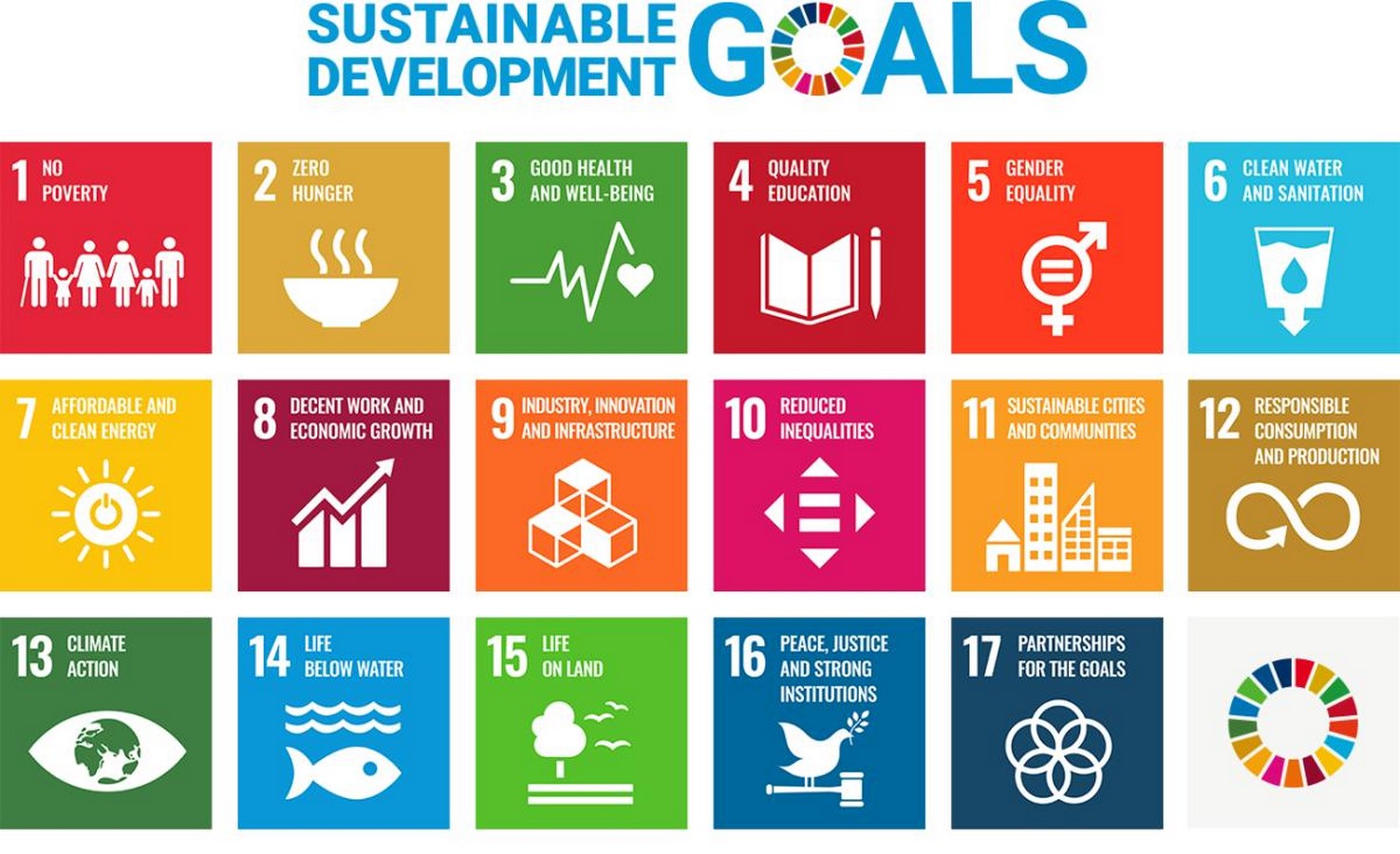
Environmental, social, and governance (ESG) investing has expanded rapidly in global markets, influencing capital flows into the built environment. Large institutional investors, particularly in North America and Europe, evaluate projects for ESG compliance today and favour those that align with the Sustainable Development Goals (SDGs) of the UN. Public-private partnerships help governments to share project risks and interests, both while using private money and knowledge. In the framework of sustainable architecture, they are applied for energy-efficient public housing as well as urban mass transportation systems linked with green buildings. Establishing effective green building PPPs in growing cities, however, calls for strict regulatory systems, open procurement policies, and careful risk distribution.
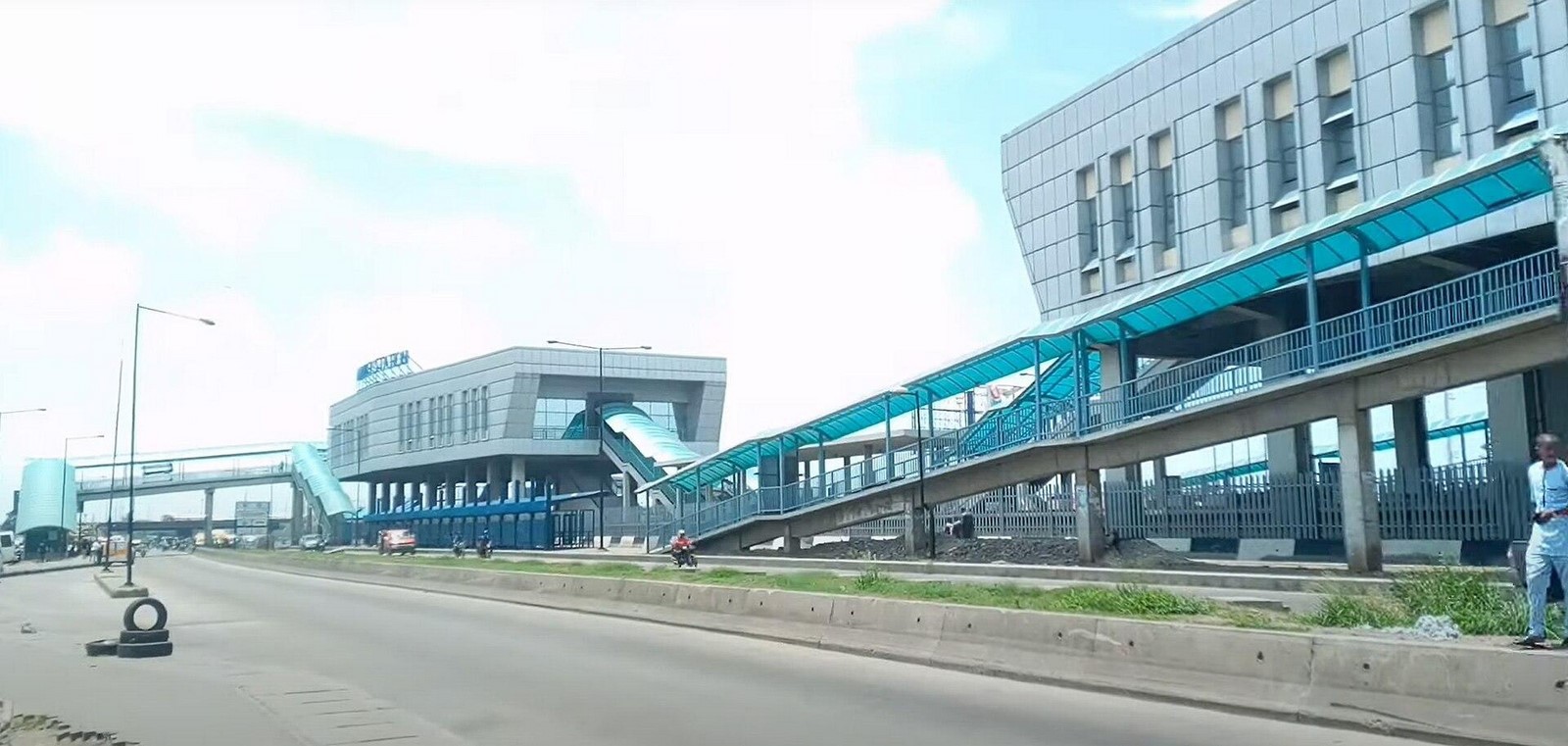
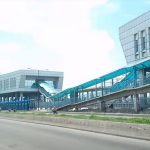
The Lagos MetroRail Transit Blue Line is a noteworthy PPP that exemplifies the potential for climate-aligned infrastructure in a developing city. The Lagos Metropolitan Area Transport Authority (LAMATA) was the original creator of the project, which featured sustainable features like solar-powered stations, high-efficiency lighting, and future-ready EV integration. It set a benchmark for climate-aware PPPs in sub-Saharan Africa’s urban development story.
Property-Linked Finance (PACE) offers a creative public-private partnership approach for funding building improvements relative to water conservation, energy efficiency, and renewable energy. PACE programs help property owners fund these repairs using assessments on their property tax bills, so the cost is spread over an extended period. This strategy can improve access to energy efficiency improvements in expanding urban areas with a significant inventory of existing buildings by eliminating the high upfront costs sometimes related to green building retrofits.
Real estate trusts (REITs) with an emphasis on green building can also help by offering equity financing for recently built or refurbished sustainable structures. By combining smaller projects into larger, more enticing investment vehicles, financial engineering techniques can help make green building projects more bankable for private funding. Several examples demonstrate how the private sector could be involved in green, sustainable design in developing cities. In Singapore, Barranquilla, and Colombia, private sector collaboration has been essential to the development of green buildings and the integration of nature into urban infrastructure. For example, Singaporean real estate developers have actively incorporated sustainable practices and innovative green solutions into their developments by the city’s national goal of creating a nature-positive urban environment. These case studies, along with others from other cities around the world, demonstrate the critical role that private sector investment can play in advancing sustainable, green architecture when backed by the right laws and incentives.
Financial Model: Micro-Finance & Community Based Models
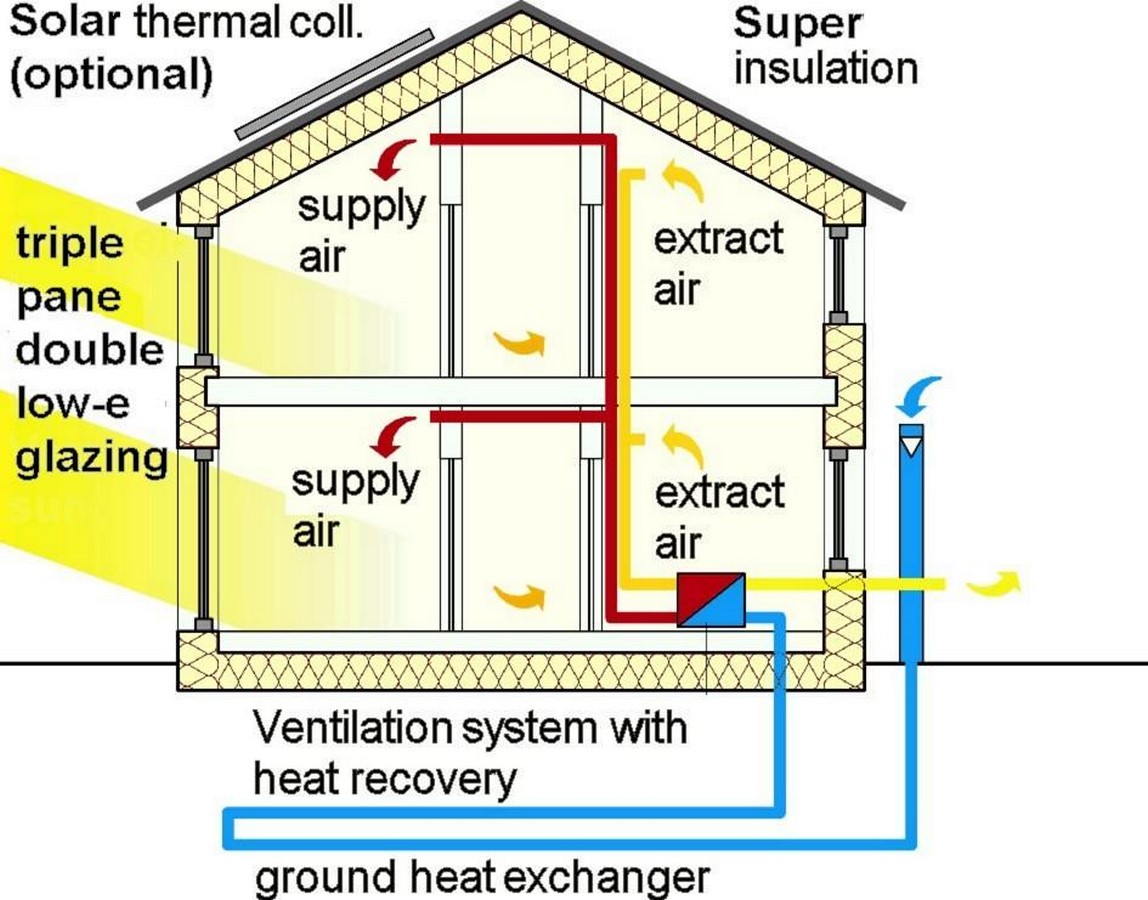
Large-scale finance models are good, but they may not reach every individual, especially the low-income communities in developing cities. Here, Micro-finance institutions play a vital role in providing financing for green housing and energy-efficient upgrades to low-income communities in developing cities. Local NGOs and credit unions offer small loans for sustainable building solutions, for example, loans for adding insulation, rainwater harvesting, or clean cookstoves. Microfinance organizations in Bangladesh and India have tested microloans for energy-efficient lighting or solar home systems in rural households.
Community-led initiatives that make investments in common resources, like cooperatives or savings groups, are included in community models. Creating resilient and sustainable structures requires integrating local knowledge and traditional building techniques into participatory processes. By empowering local communities to take the lead in their green building initiatives, these strategies can promote more equitable and sustainable urban development.
A fine instance is Mobisol’s Smart Solar Homes project in Rwanda and Tanzania, which creatively combines mobile money, ICT, and financing. Households entered into rent-to-own contracts for solar panels, which they paid back throughout 36 installments using mobile banking. The system’s payments and output were tracked from a distance. By significantly lowering the upfront cost of clean energy for low-income users, this approach effectively used microfinance to create sustainable housing energy solutions. More than 30,000 off-grid homes have since been electrified by Mobisol, lowering CO2 emissions and raising local incomes.
Cooperatives or savings groups that invest in shared assets are another way that the community can raise money. For example, a village savings organisation may pool funds to construct a community centre with solar electricity or energy-efficient cooking facilities, or a workers’ cooperative may design a green housing project for its members. On a slightly larger scale, local governments might set up “green banks” or revolving funds, which use a portion of taxes or utility bills to finance efficiency improvements for small businesses or low-income families. The general idea is the same, even though specific examples vary: local capital, even on a small scale, can hasten the adoption of green practices when traditional banking is unaffordable. As observed by Habitat for Humanity’s microfinance initiatives in Africa, these models frequently collaborate with NGOs and technical partners to provide training.
Financial Model: International Aid & Climate Finance
International aid and climate finance play a major role in providing funding and technical support for green, sustainable architecture in developing cities. Significant financial resources are available for climate change adaptation and mitigation projects, including those related to green building and sustainable urban development, through the Global Environment Facility (GEF), Adaptation Fund, and Green Climate Fund (GCF), three significant international climate funds. For instance, by mobilising significant co-finance and offering significant grant financing, the GEF’s Sustainable Cities Program has assisted over 90 cities in numerous developing countries in their transition to resilient and low-carbon urban futures. However, because of the difficult application procedures and strict eligibility requirements, developing cities frequently have trouble securing this money. Advocating for more efficient and city-friendly funding methods and offering technical assistance to cities in preparing funding applications are two ways to increase access.
Through both direct funding and technical help, multilateral and bilateral development banks (MDBs) and agencies are essential in promoting green architecture in emerging cities.
A range of financial products and initiatives are offered by organisations like the World Bank, the Asian Development Bank (ADB), and others to promote sustainable urban development and green building. To increase the market for green mortgages and green construction financing, for instance, the IFC’s Green Buildings Program works with governments, developers, building owners, and financial institutions to establish global standards through the EDGE certification system. The ADB has also been actively involved in initiatives such as the acceleration of green bonds for municipalities in Southeast Asia. Development bank lending must align with the city’s climate action plans to ensure that funds support important and locally relevant projects that further the city’s overall sustainability goals.
Similarly, MDB concessional windows and climate funds (like the Green Climate Fund, GCF) may offer grants or low-interest loans associated with climate goals. These “climate finance” sources usually require projects to demonstrate a reduction in emissions. Buildings that incorporate renewable energy sources, have resilience features, or practice energy conservation may qualify. For example, a city may package its planned public building restorations under a GCF program or partner with programs like C40’s climate finance facilities for urban projects to receive a grant-top-up on loans. When combined with carbon markets, these strategies, while not yet widespread, represent a growing avenue for financing green buildings on a large scale.
The implementation of specific programs and funding has directly addressed the financial challenges faced by cities in developing countries. The C40 Cities Finance Facility (CFF) provides technical assistance to assist cities in transforming their sustainability priorities into feasible investment proposals. The goal of the GEF-supported UrbanShift program is to promote investments in nature-positive and climate-resilient urban development as well as integrated urban planning. To attract public and private investments on more favourable terms for local entities, the proposed Green Cities Guarantee Fund (GCGF) is specifically intended to de-risk loans for climate mitigation and adaptation infrastructure in cities. Understanding the objectives, target recipients, and mechanisms of these various international aid programs is crucial for developing towns hoping to obtain funding for their green architectural projects.
There are enormous opportunities and challenges associated with sustainable architecture in developing cities. Although the initial cost of building a green building is higher, it pays dividends over time in the form of reduced expenses, healthier areas, and climatic resilience. The largest challenge is financing these structures, which is being accomplished through a variety of strategies, including public, private, community-based, and foreign sources. Specifically, government regulations play a critical role in creating an enabling environment that attracts investment and encourages the adoption of green construction practices.
Real-world examples from Brazil, Kenya, India, and other nations show that success depends on localising global concepts, as exemplified by BNDES green credit lines and Kenya’s green mortgages. In the end, architects and planners in emerging cities must be as persistent in their funding efforts as they are in their design. Professionals could help make the sustainability goal a reality by working together with governments, communities, and financiers. Developing a sustainable built environment requires the use of green funding strategies. It is the collective duty of experts, investors, and policymakers to advance those models. To ensure that the next generation of cities can prosper economically and serve as models for climate action, it is imperative that green building funding be made available and cheap.
Reference List:
https://economictimes.indiatimes.com/small-biz/sustainability/are-green-buildings-expensive-alternatives-to-traditional-structures/articleshow/102340836.cms?from=mdr
https://worldgbc.org/article/the-business-case-for-green-building-a-review-of-the-costs-and-benefits-for-developers-investors-and-occupants/
https://www.unep.org/topics/cities/buildings-and-construction/sustainable-buildings#:~:text=The%20buildings%20sector%20%E2%80%93%20which,cent%20of%20energy%20demand%20globally
https://worldgbc.org/article/the-business-case-for-green-building-a-review-of-the-costs-and-benefits-for-developers-investors-and-occupants/#:~:text=Operating%20Costs%3A%C2%A0Green%20buildings%20have%20been,within%20a%20reasonable%20payback%20period
https://resourcehub.bakermckenzie.com/en/resources/global-sustainable-buildings/latin-america/brazil/topics/incentives-for-green-retrofit#:~:text=In%20Brazil%2C%20incentives%20mainly%20relate,the%20reduction%20of%20power%20consumption
https://penniur.upenn.edu/publications/the-green-cities-guarantee-fund-unlocking-access-to-urban-climate-finance
https://www.weforum.org/stories/2023/10/getting-sdg-financing-to-cities-is-a-critical-step-to-tackling-the-climate-crisis/
https://www.developmentaid.org/news-stream/post/174804/how-can-dfis-foster-private-investment-in-sustainable-infrastructure
https://www.ccacoalition.org/news/finance-systems-sustainable-cities
https://www.c40knowledgehub.org/s/article/How-cities-can-attract-private-finance-for-climate-action?language=en_US
https://www.weforum.org/stories/2021/12/4-expert-views-how-to-accelerate-investment-green-buildings/
https://unhabitat.org/sustainable-housing-policies-in-brazil-the-case-of-minha-casa-minha-vida
https://pmc.ncbi.nlm.nih.gov/articles/PMC10049407/
https://lamata.lagosstate.gov.ng
https://worldgbc.org/wp-content/uploads/2022/03/Business_Case_For_Green_Building_Report_WEB_2013-04-11-2.pdf
https://nyujlpp.org/wp-content/uploads/2012/10/Swing-Project-Based-Policy-Development.pdf
https://unfccc.int/climate-action/un-global-climate-action-awards/information-and-communications-technology-solutions/mobisol-smart-solar-homes-rwanda-and-tanzania#:~:text=This%20innovative%20ICT,diesel%2C%20to%20clean%20energy%2C%20Mobisol
https://housingfinanceafrica.org/documents/case-study-8-sustainable-ngo-microfinance-of-poor-and-low-income-housing-in-egypt/#:~:text=HFHE%20provides%20loan%20capital%2C%20technical,and%C2%A0the%20other%20case%20studies%20in
https://www.worldbank.org/en/news/feature/2023/04/10/from-india-to-indonesia-green-bonds-help-countries-move-toward-sustainability#:~:text=Green%20Bonds%20Have%20Raised%20%242,Trillion%20Globally
https://www.ccacoalition.org/news/finance-systems-sustainable-cities
https://www.greenfinanceplatform.org/themes/cities
https://www.c40knowledgehub.org/s/article/How-cities-can-attract-private-finance-for-climate-action?language=en_US