Conversations around designing for the future often revolve around topics of technology, intelligent systems and innovation. They seldom incorporate human-centeredness, cultural memory, and traditional systems. The road to future innovation should not have to choose between cultural identity and a futuristic outlook; it should be able to respect the history that paves the path to the future. In the wise words of Charles Correa, “Architecture is sculpture with the gestures of human occupation.”
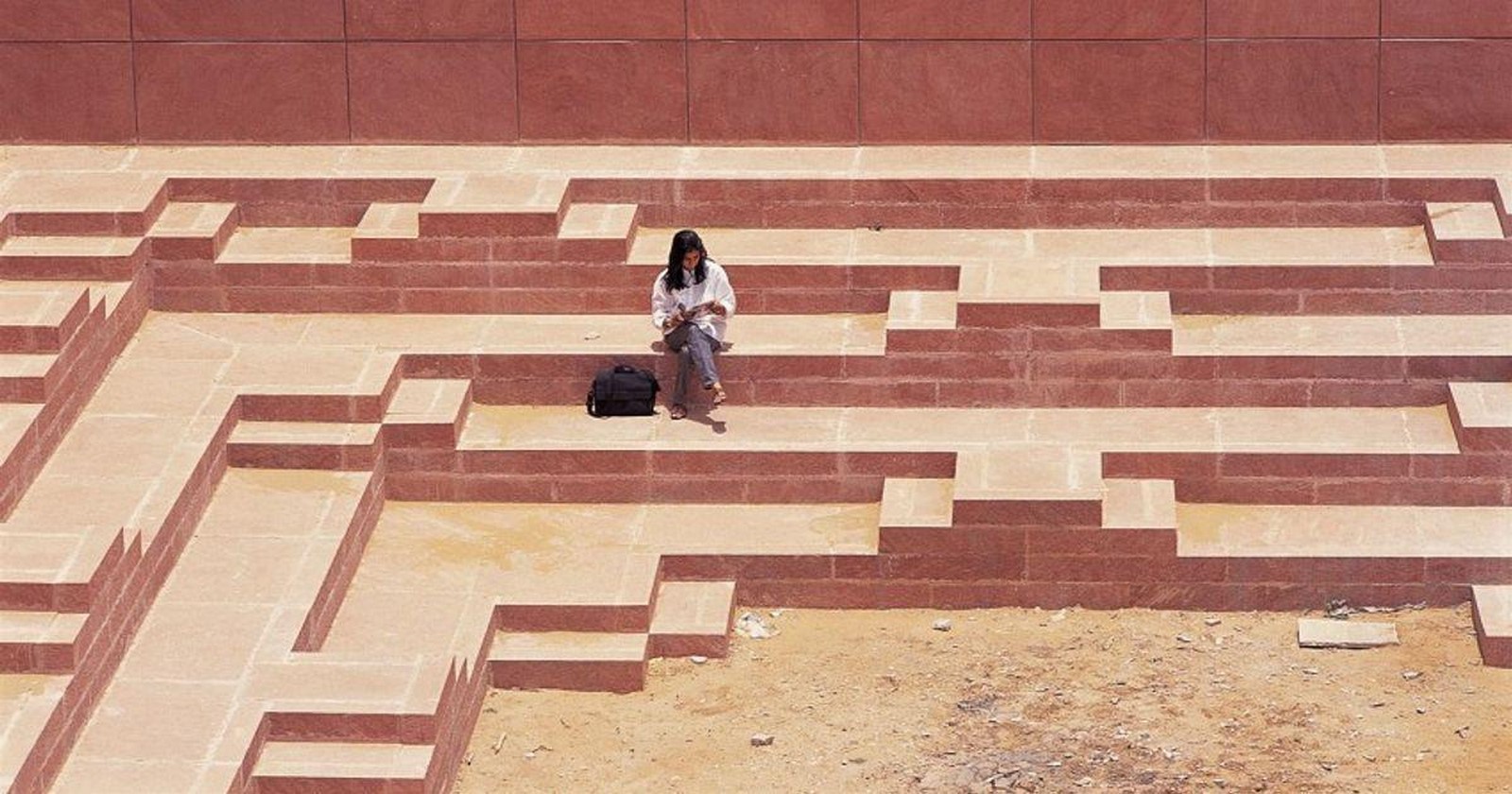
Cultural Memory as a framework
In a country like India, with a rich cultural heritage, cultural memory is not about nostalgia. It encompasses rituals, materials, spatial traditions and social structures that have evolved over time to represent the land and its people. This is evident in the way Vastu Shasta is incorporated into the design of homes, utilising local materials to respond to the environmental context of the built project.
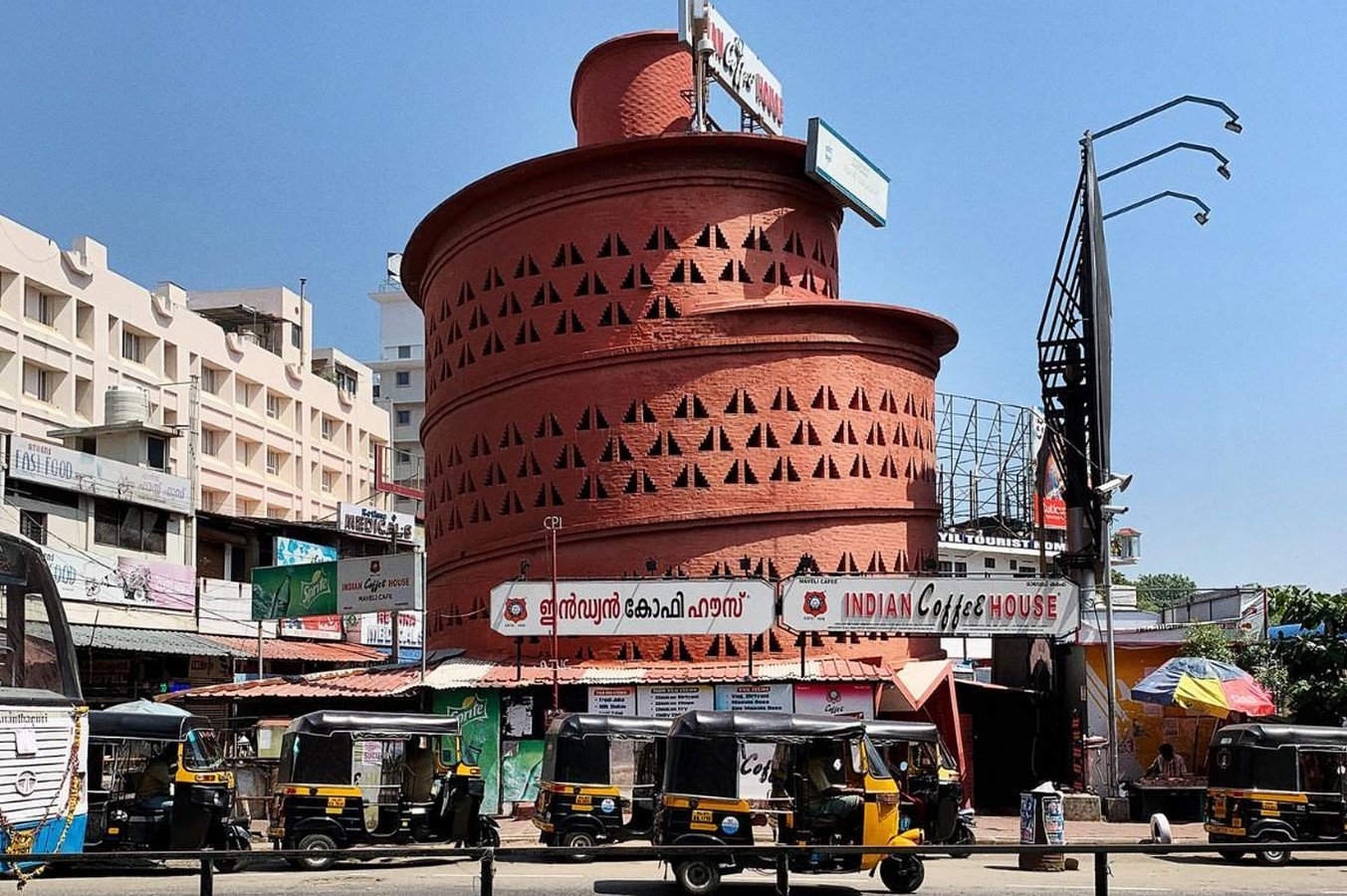
A great example of critical regionalism in the Indian context would be the works of Laurie Baker. His works in Kerala went beyond low-cost housing. It reinterpreted the local language of architecture. From steep roofs to combat the coastal rains, an open courtyard for cooling and jali walls to let the unobstructed flow of winds, the low-cost structures also represented a contemporary aesthetic rooted in the daily lives of the users.
Vernacular approaches to Sustainability
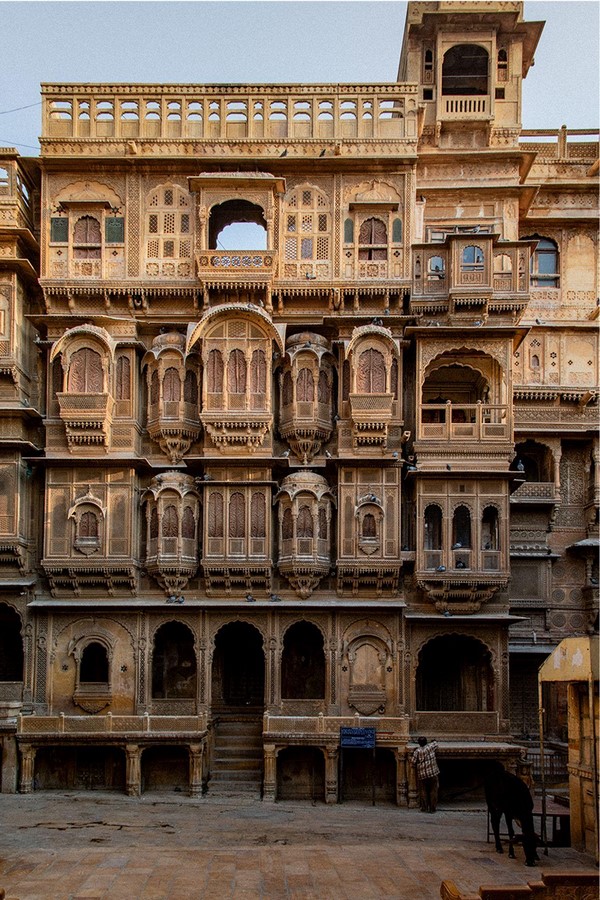
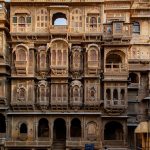
Before buildings began to be termed “green” for their benign or positive environmental impact, traditional Indian building systems had a comprehensive system of being environmentally conscious. Take the sandstone structures of Jaisalmer, for example. The red and pink sandstone help keep the interiors cool in the blazing heat of the desert due to the quick heat transference of the porous stone. The step wells in Adalaj also manage to conserve water in drought-prone zones in a celebratory manner with intricate artisanal work in stone that not only helps engage the individuals interacting with the built infrastructure but also aids in housing other sentient beings from the harsh temperatures of the region
There is a lot of knowledge to be borrowed from these traditional systems that could be easily replaced and forgotten for a technologically intensive approach that would focus on optimisation at the cost of character.
Contemporary Interpretations
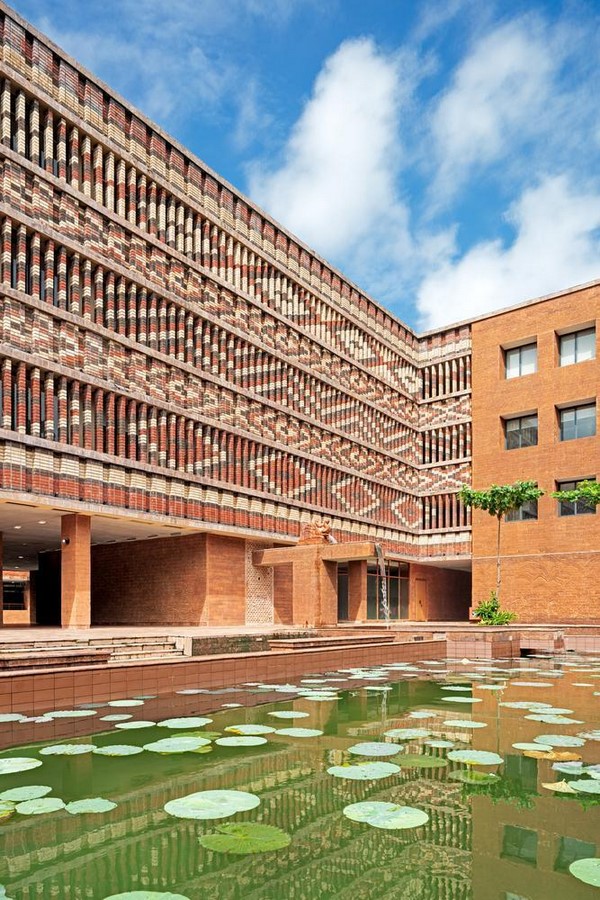
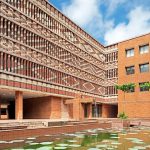
Conversations around culture and tradition often have a tendency to address these systems around topics of conservation and preservation. This does not have to be the rhetoric. Some contemporary firms, such as Studio Lotus and Ant Studio, are addressing how new architecture does not have to abandon traditional wisdom. Krushi Bhavan in Odisha, built by Studio Lotus is able to draw from local Ikat weaving patterns to employ a passive cooling system using locally available laterite stone while rendering it to a government building that represents a modern India.
Risk of Tokenism
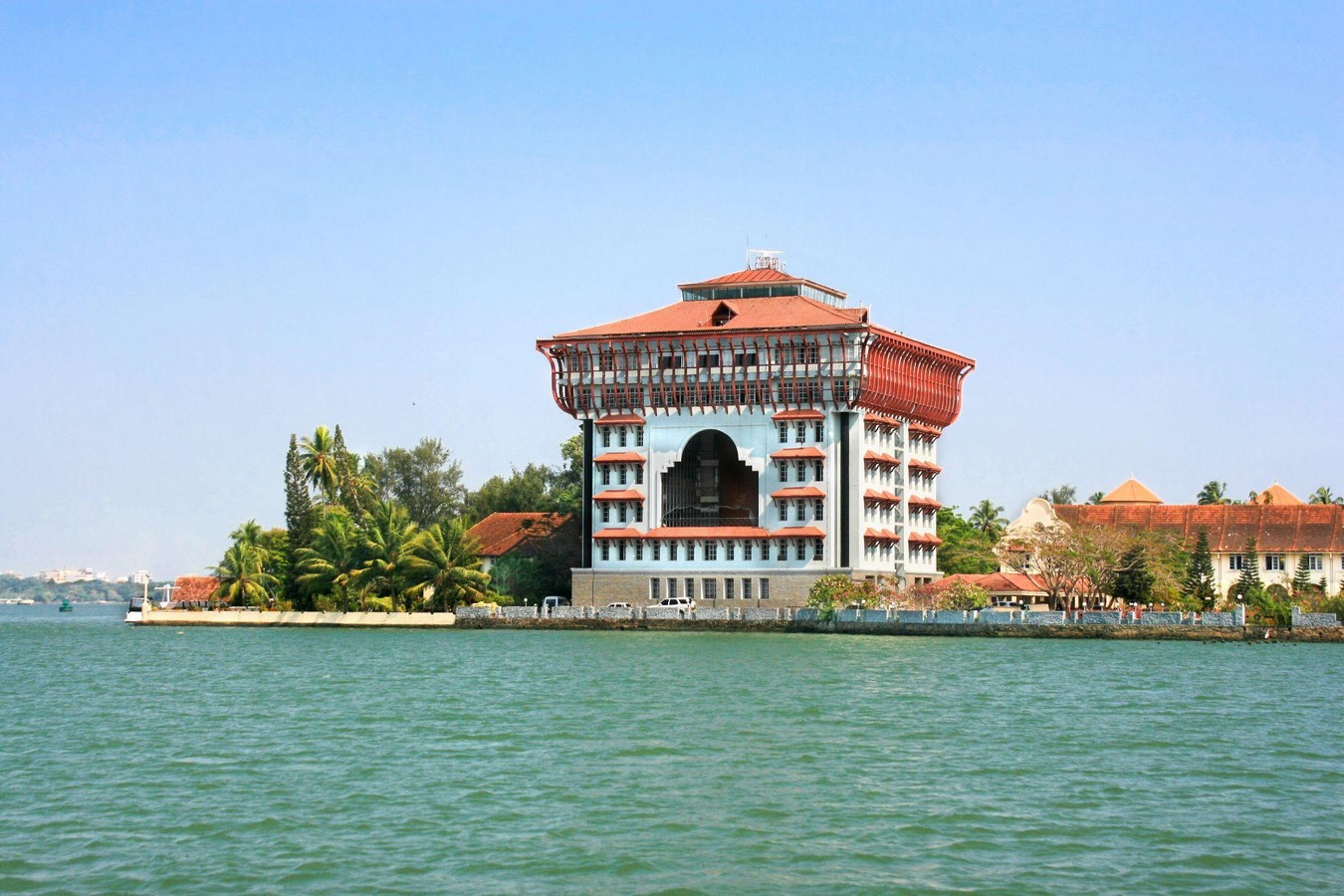
While addressing Cultural Identities in architecture, one can easily slip into superficial approaches that imitate traditional forms and motifs without understanding the cultural context. This can sometimes be seen in the use of ‘Jaali’ patterns because of the imagery it conjures without understanding the climatic function and appropriate application in a project.
Engaging with cultural memory has to be a comprehensive thought. It needs to understand the cultural relevance, function, and craftsmanship and, most importantly, needs to explore how it can be reinterpreted for today.
Dynamic Interpretations
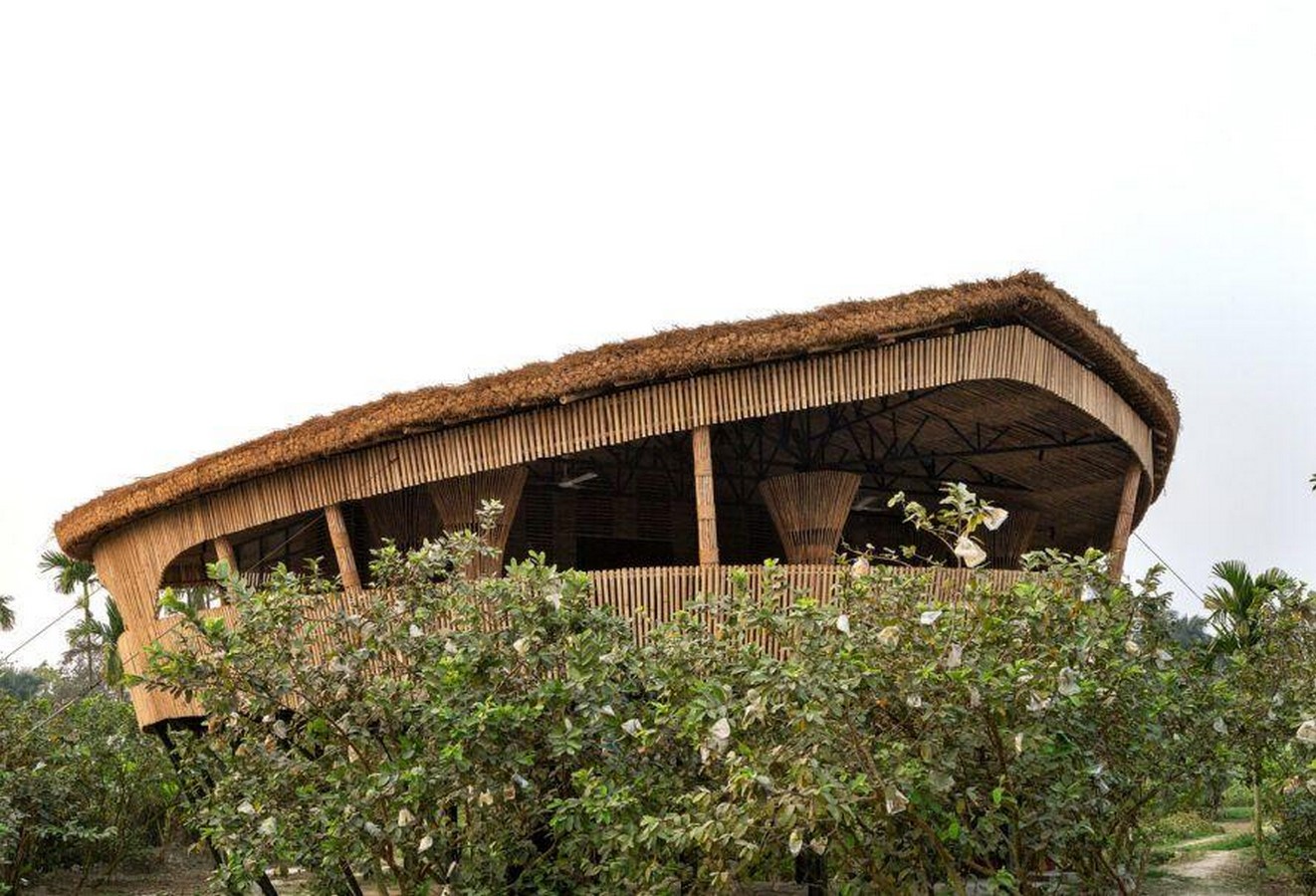
Culture isn’t a static concept; it is ever-evolving and adapting to the needs of society. The Northeast region of India continues to build using traditional bamboo techniques, but it also creates new kinds of housing systems that meet modern-day safety standards.
Designing for the future requires treating culture as the living and breathing entity it is, rather than resorting to practices of replicating an existing typology solely to render a familiar aesthetic. It isn’t about continuing redundant building practices that hold no cultural relevance to the context and users.
India finds itself at an interesting juncture, where it has the opportunity to build modern and futuristic infrastructure that is layered and rooted in real traditional wisdom. Where it draws from cultural memory, making technologically advanced building systems that continue to serve as a reminder of the resilient, sustainable and human-centric approaches that lead us to this future
References:
- Laurie Baker (n.d.) Laurie Baker – Low-cost, Sustainable Architecture in India. Available at: https://www.architecturaldigest.in/story/laurie-baker-architect-kerala/ (Accessed: 27 April 2025).
- UNESCO (n.d.) Jaisalmer Fort. Available at: https://whc.unesco.org/en/list/170/ (Accessed: 27 April 2025).
- Studio Lotus (n.d.) Krushi Bhavan, Odisha. Available at: https://studiolotus.in/project/krushi-bhavan/ (Accessed: 27 April 2025).
- Dezeen (2024) ‘atArchitecture builds bamboo pavilion to showcase Northeast India’s crafts’, Dezeen, 28 January. Available at: https://www.dezeen.com/2024/01/28/northeast-pavilion-bamboo-atarchitecture-india/ (Accessed: 27 April 2025).
- Architectural Review (2007) ‘Laurie Baker (1917–2007)’, The Architectural Review. Available at: https://www.architectural-review.com/essays/reputations/laurie-baker-1917-2007 (Accessed: 27 April 2025).
- ArchEyes (2024) ‘Jawahar Kala Kendra: Charles Correa’s Arts Centre in Jaipur’, ArchEyes, 25 June. Available at: https://archeyes.com/jawahar-kala-kendra-charles-correa/ (Accessed: 27 April 2025).