Can a building be experienced like reading a poem? If so, how should the building be treated to provide for such stimuli and induce a deeper personal encounter? Does poetry have anything to do with architecture, or has any spectacle arisen out of this inter-disciplinary inspiration?
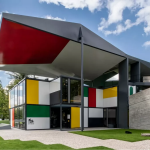
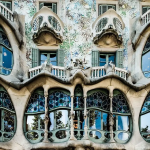
Art, architecture, and poetry are all homogeneous media that seek to express thoughts, ideas, and emotions. Over the ages, we have seen the direct inspiration and usage of art in architecture through techniques such as painting (fresco, mural, Sgraffito) and surface articulation (mouldings, mosaic, stucco, bas-relief, etc).In certain other cases, architecture has been inspired by various art movements and principles such as the Renaissance, Art Nouveau, Art Deco and the Bauhaus,
“ Architecture is a visual art, and the buildings speak for themselves”
– Julia Morgan, an American architect.
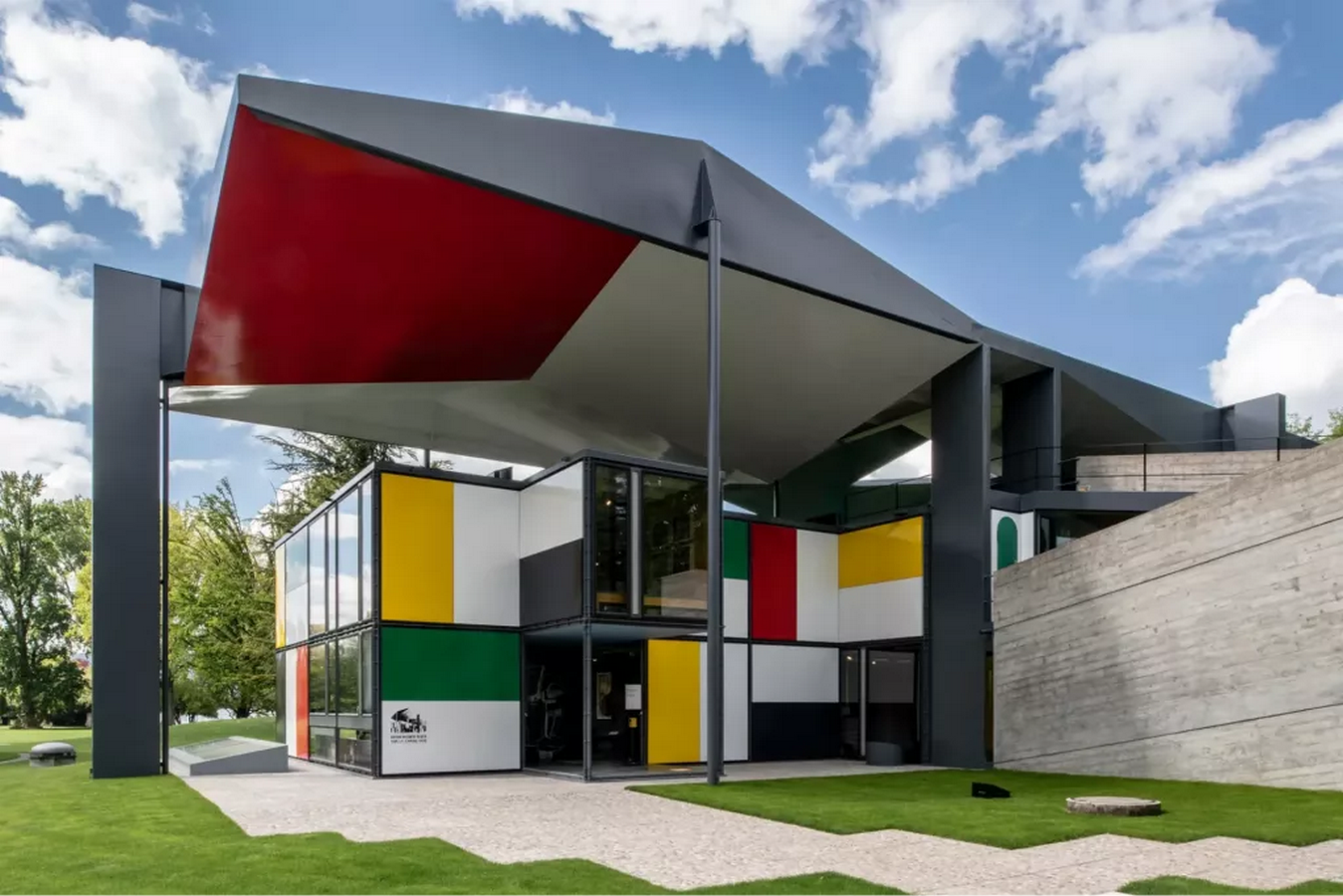
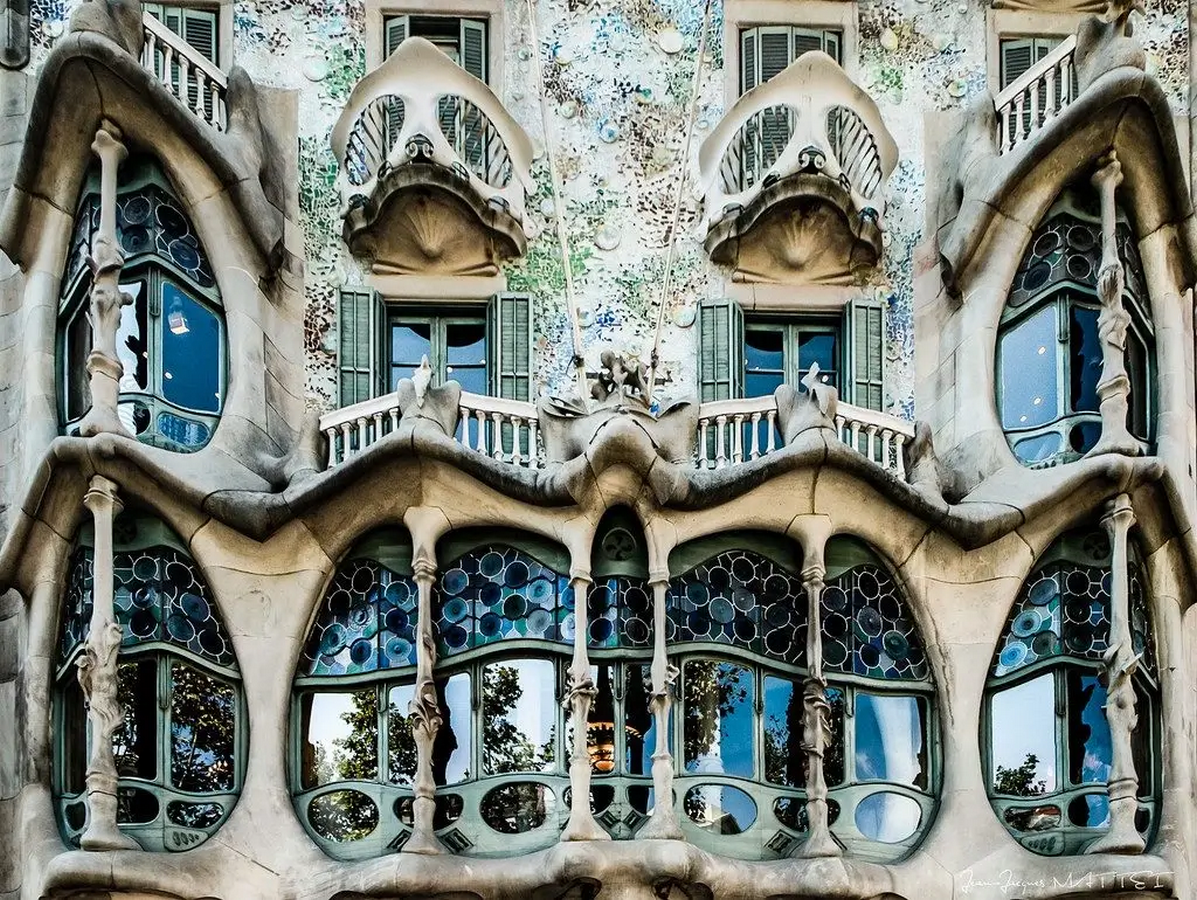

While art could be very tangibly used in architecture, poetry is modulated in intangible forms to lend a richer experience in the space. Elements of poetry could be used to create an imaginary order or cohesion among the various elements of the building. Skilful use of the building elements could also help create opportunities for a pause and reflect approach in the user experience.
Why is it necessary to treat buildings poetically?
From a utilitarian aspect, one might argue the need for such an approach in architecture in this age of exuberant energy crisis and technological advancement. Architecture, which is monotonous, vacuous, lacking identity and regionality, is the result of the insensitive and overly mechanised approach practised to solve the present crisis. Although mechanisation is crucial, there is still a wide scope for artistic manipulation in the design ideation.
“Architecture are more fully than just a form, it engages the immediacy of our sensory perception.”
-Steven Holl, Question of Perception
Unlike other media of artistic expression, architecture has the potential of being experienced in varied realms (visual, auditory, olfactory and tactile senses). Employing the various sensory stimuli would provide for a more holistic and immersive user experience. As a result, the space would become more memorable and loved by the user, thereby nurturing a sacred bond between the user and the building.
The Notion of Poetics within the realm of architecture
Poetics comes from a Greek verb that simply means “to make”.From a wider perspective, it refers to the creative principles which guide any literary and artistic ideation. Poetics in architecture involves the creation of spaces that better connect with the users and elicit emotional appraisal and evoke imagination. Spaces where the user is in constant engagement, carefully understanding and appreciating its details. Be it a small window detail, circulation pattern or the way light enters, the very massing of the building, all of it has immense scope for poetic expression.
Gaston Bachelard, a French philosopher, culminated his articulations in this domain in his book “The Poetics of Space. The book illustrates the potential of intimate experiential living, proposing that even the simple basic entities(such as houses, rooms, drawers, etc) are constitutive in the memory-making process and can trigger emotional responses.
The author argues about the significance of introspection and poetic imagination in the holistic appreciation of a space, which further makes it conducive for a soulful lived experience.
Reinterpretation of poetic devices within the architectural medium
Poetic devices are techniques employed to emphasise the overall emotion and meaning of the message conveyed. Poetic devices are of various types, and they help modulate the meaning and trigger a certain emotional response in the reader. Similarly, these principles can be translated and used to modulate the experience of spaces in the architectural medium as follows.
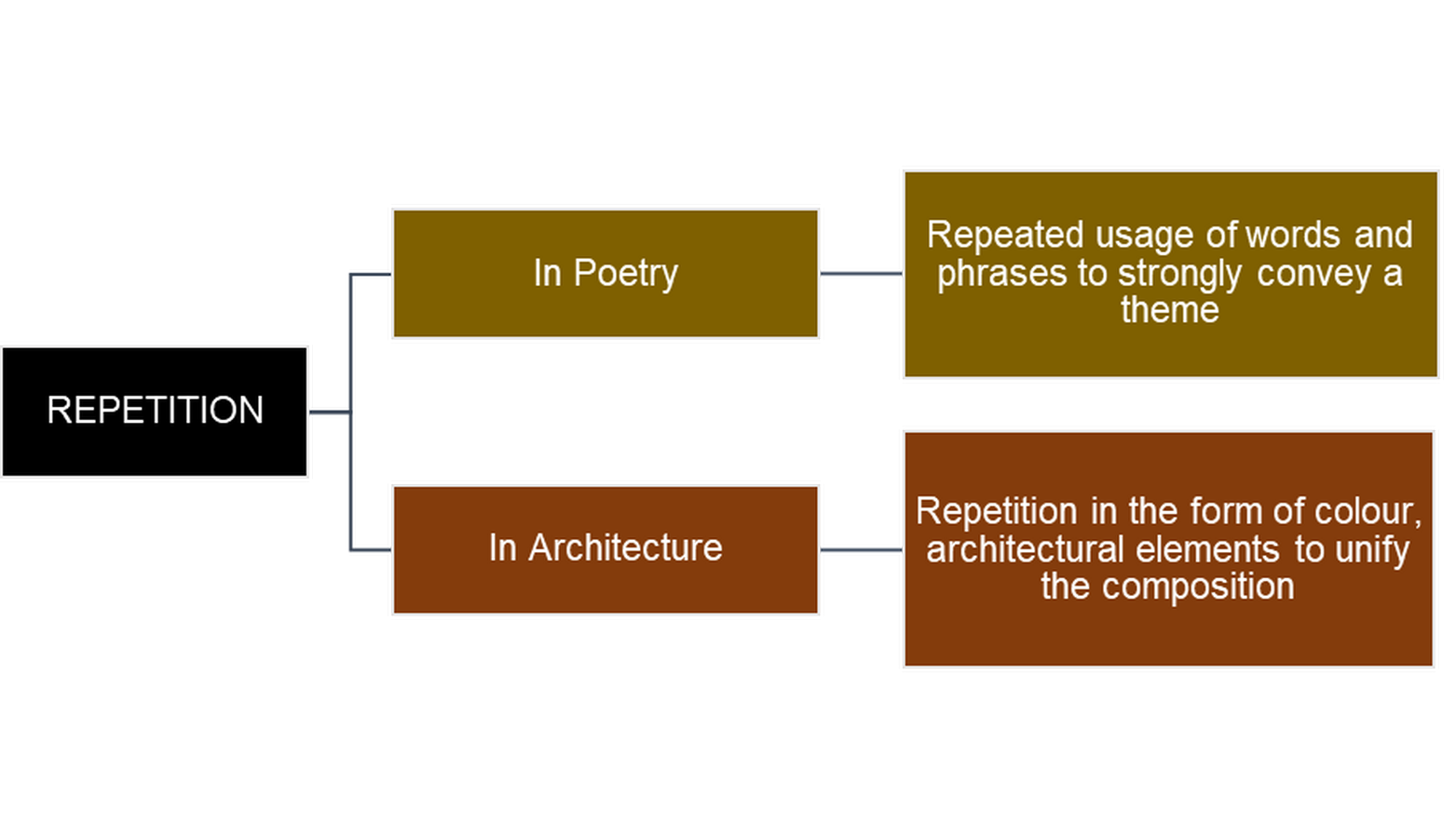
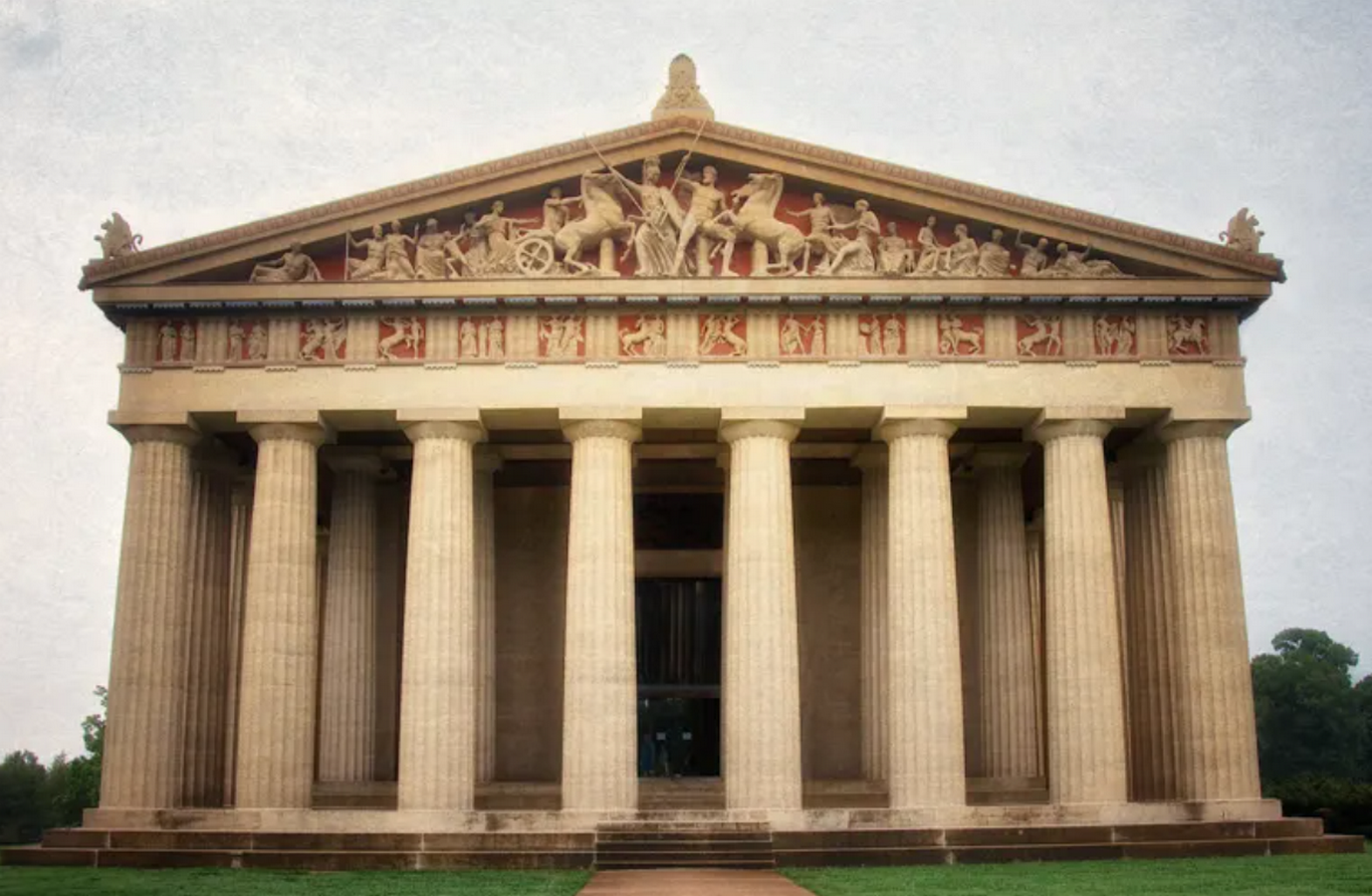
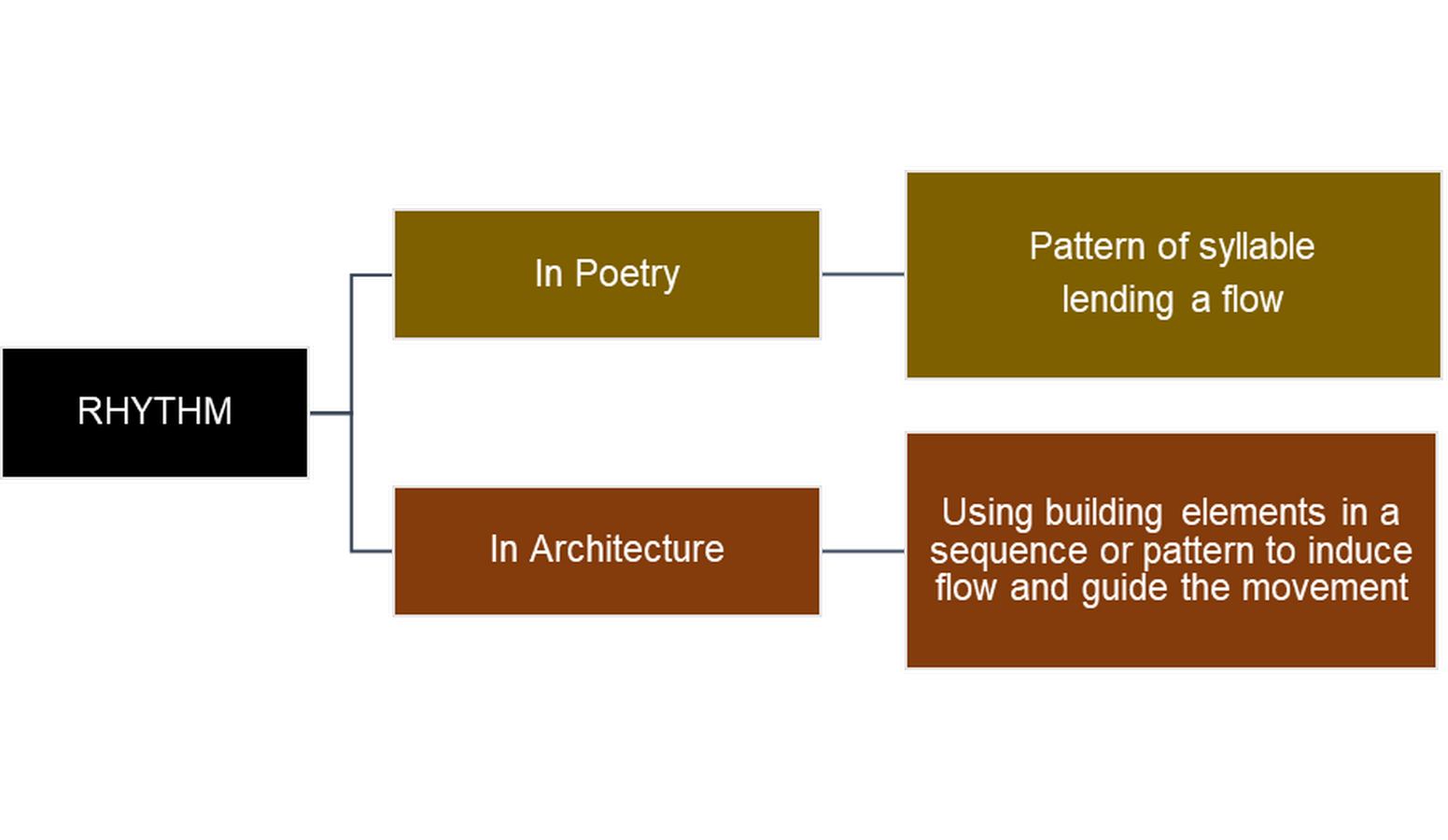
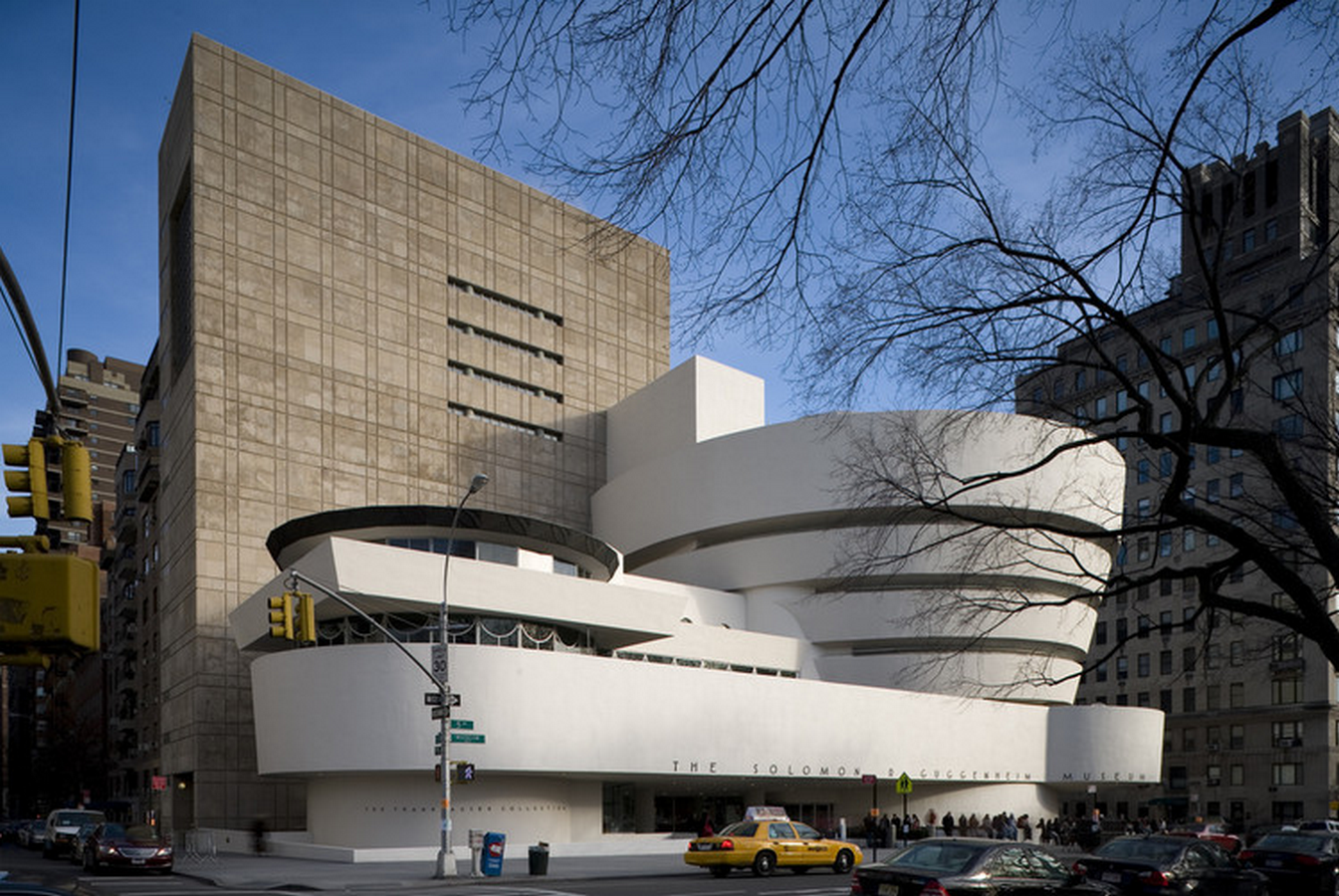
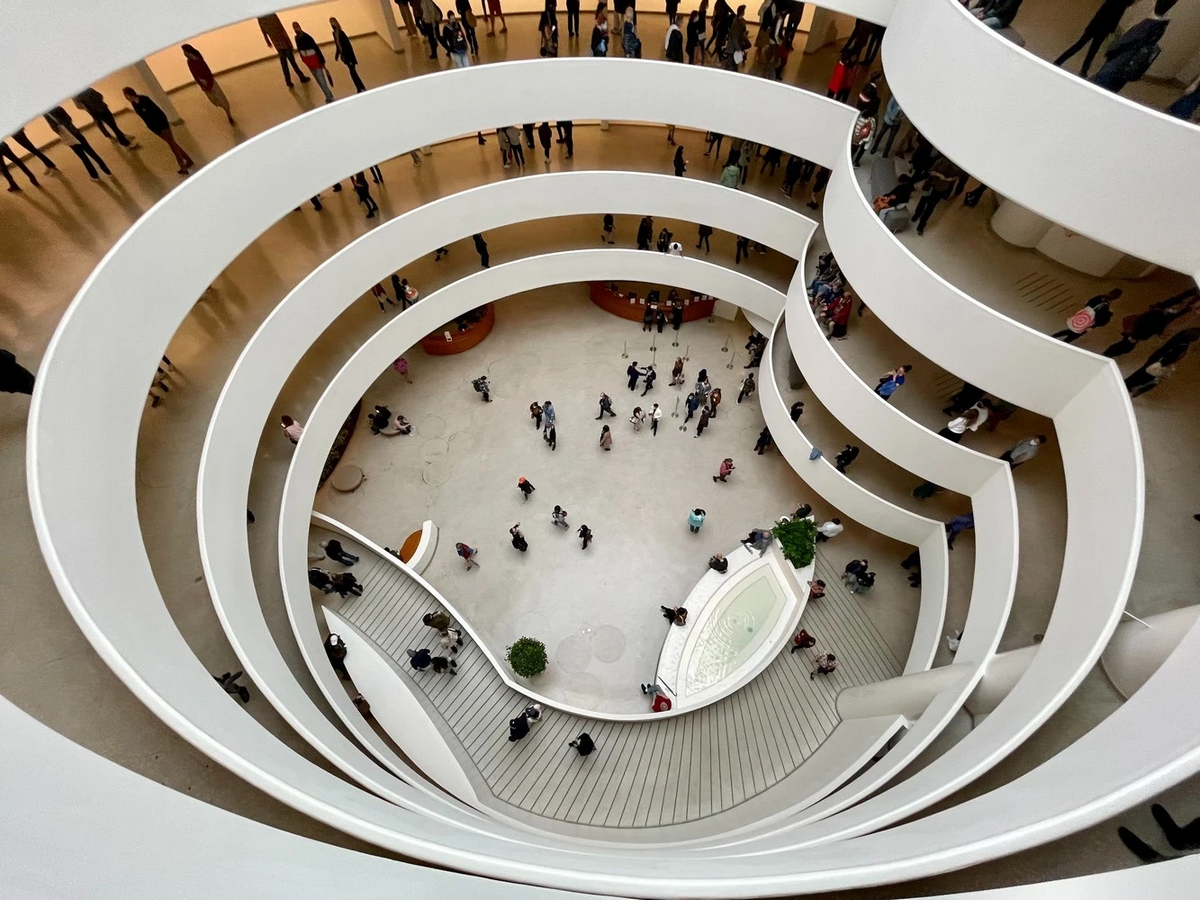
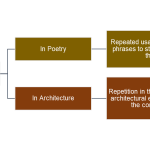
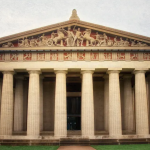
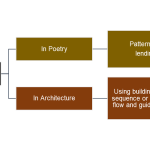
These help create a rhythmic flow, guiding the users across the space. The rhythmic composition also helps induce an imaginary order, helping the user to trace patterns and build familiarity with the space.
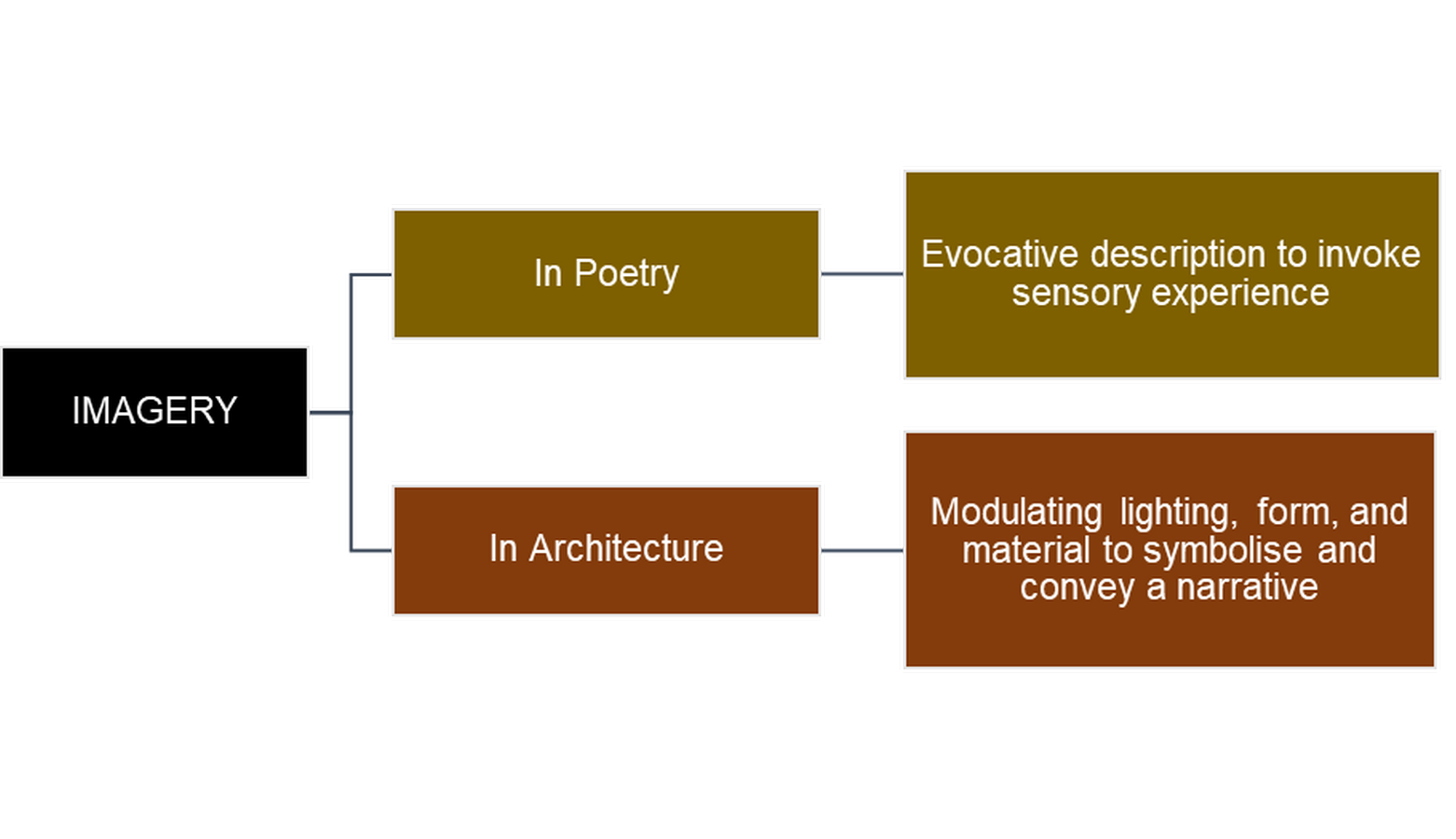
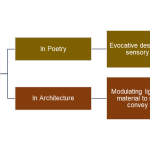
Imagery helps spark imagination and creative dialogue in the minds of the user as they explore the space. Providing subtle cues and building elements mimicking other forms or as an indirect reference can help convey deeper meaning effectively.
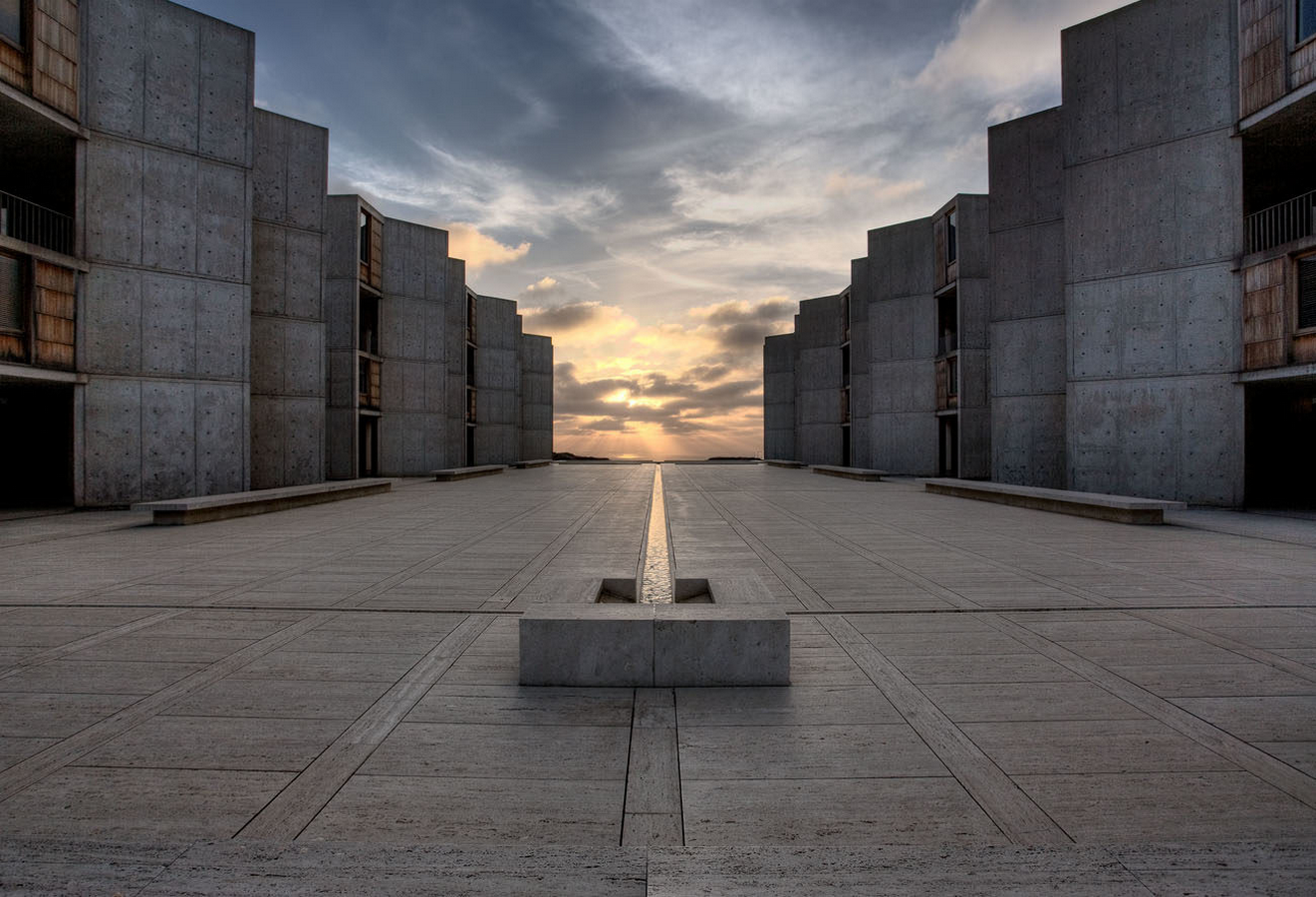
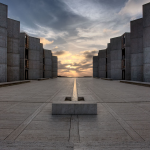
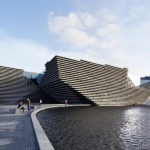
The long water canal running between the two blocks creates an imaginary horizon at the rear end, reflecting the sky and the horizon, visually bridging the interior and exterior.
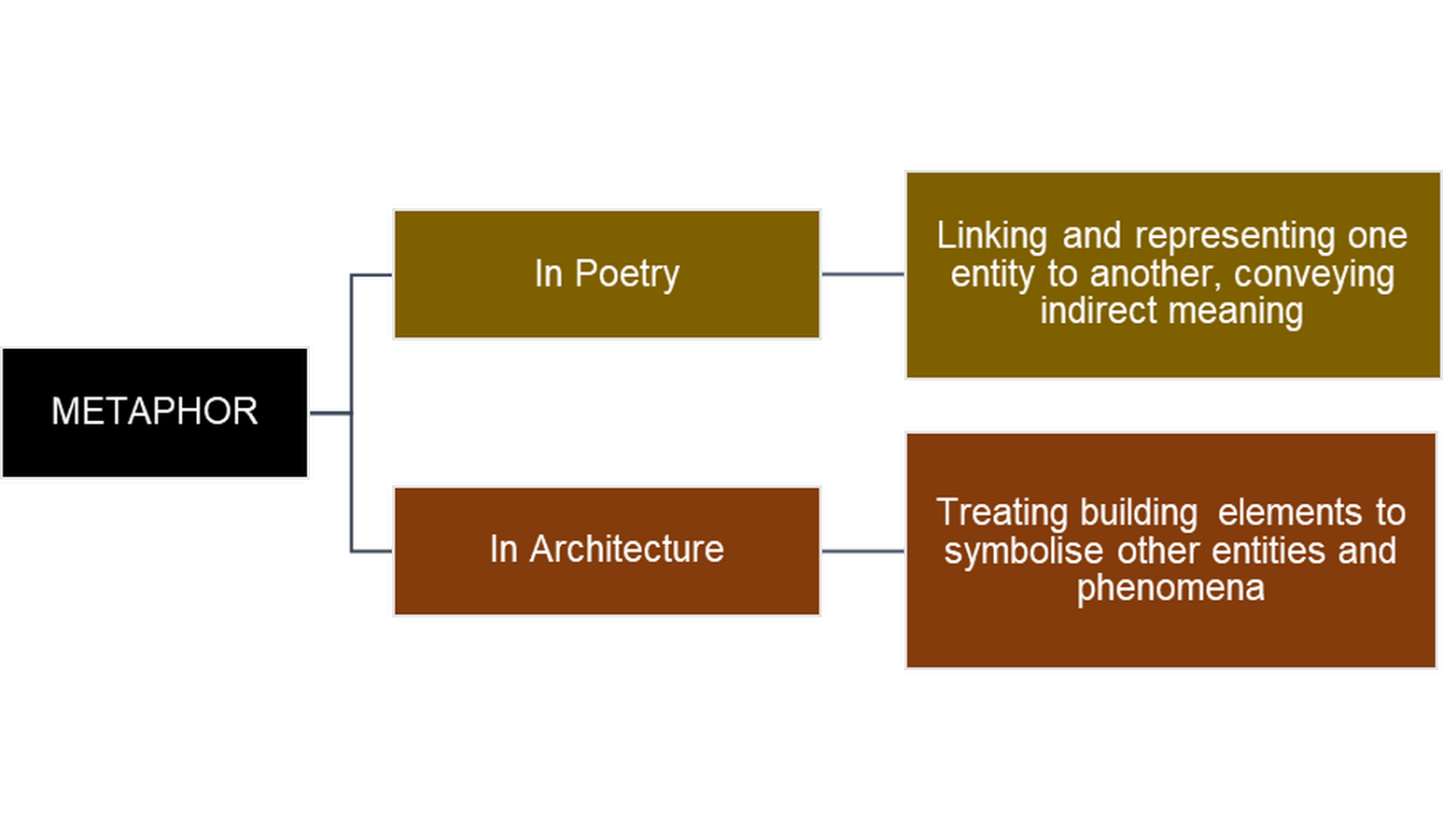
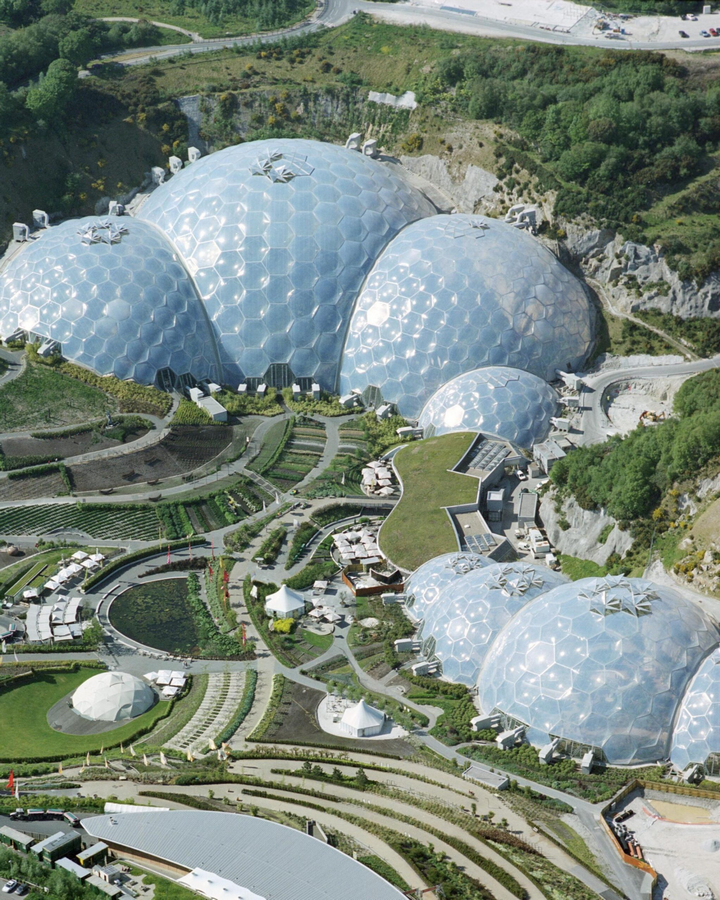
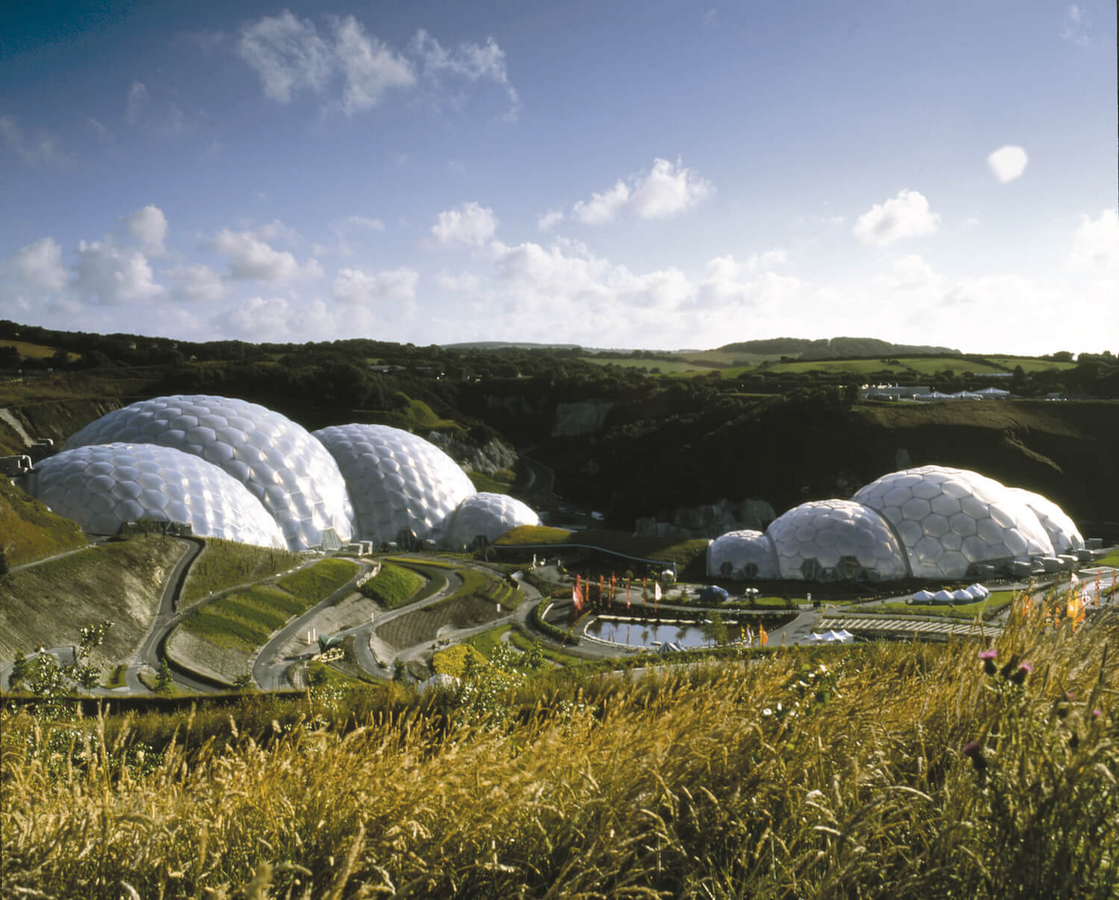
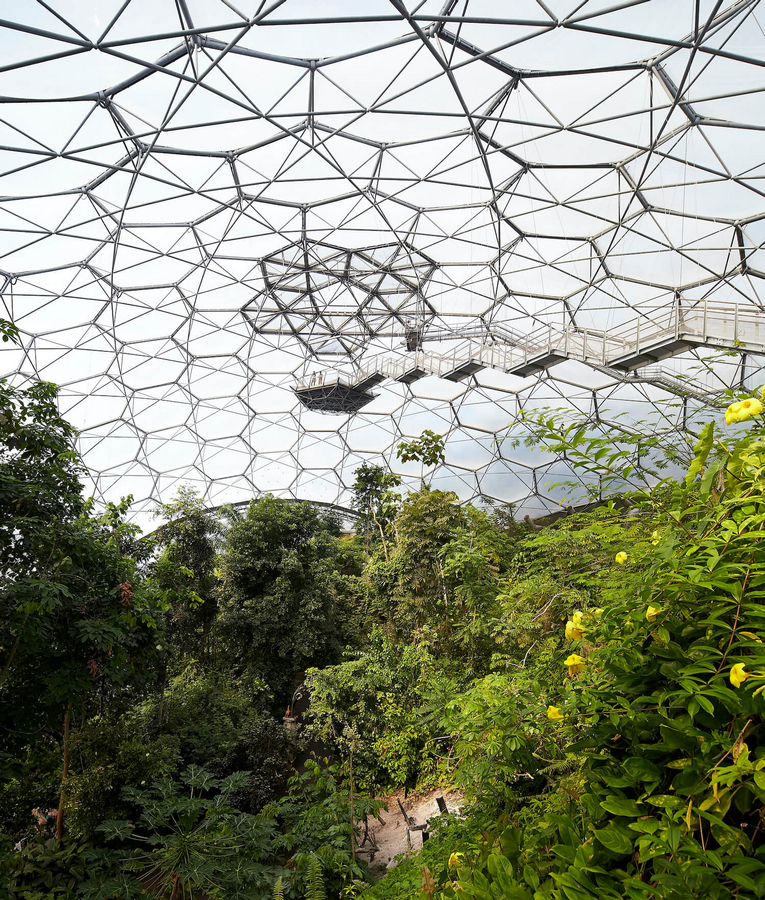
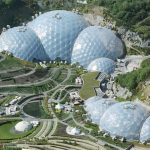
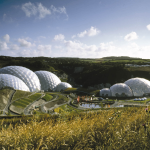
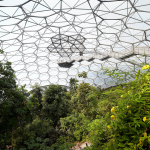
And the Bubble-like geodesic domes constructed from ETFE, allowing ample light inside and helping reduce energy requirement_https://amazingarchitecture.com/exhibitions/the-eden-project-in-cornwall-united-kingdom-by-grimshaw
The geodesic domes are envisioned as seed pods, and the surrounding landscape as the Garden of Eden, symbolising sustainable co-living in harmony with nature.
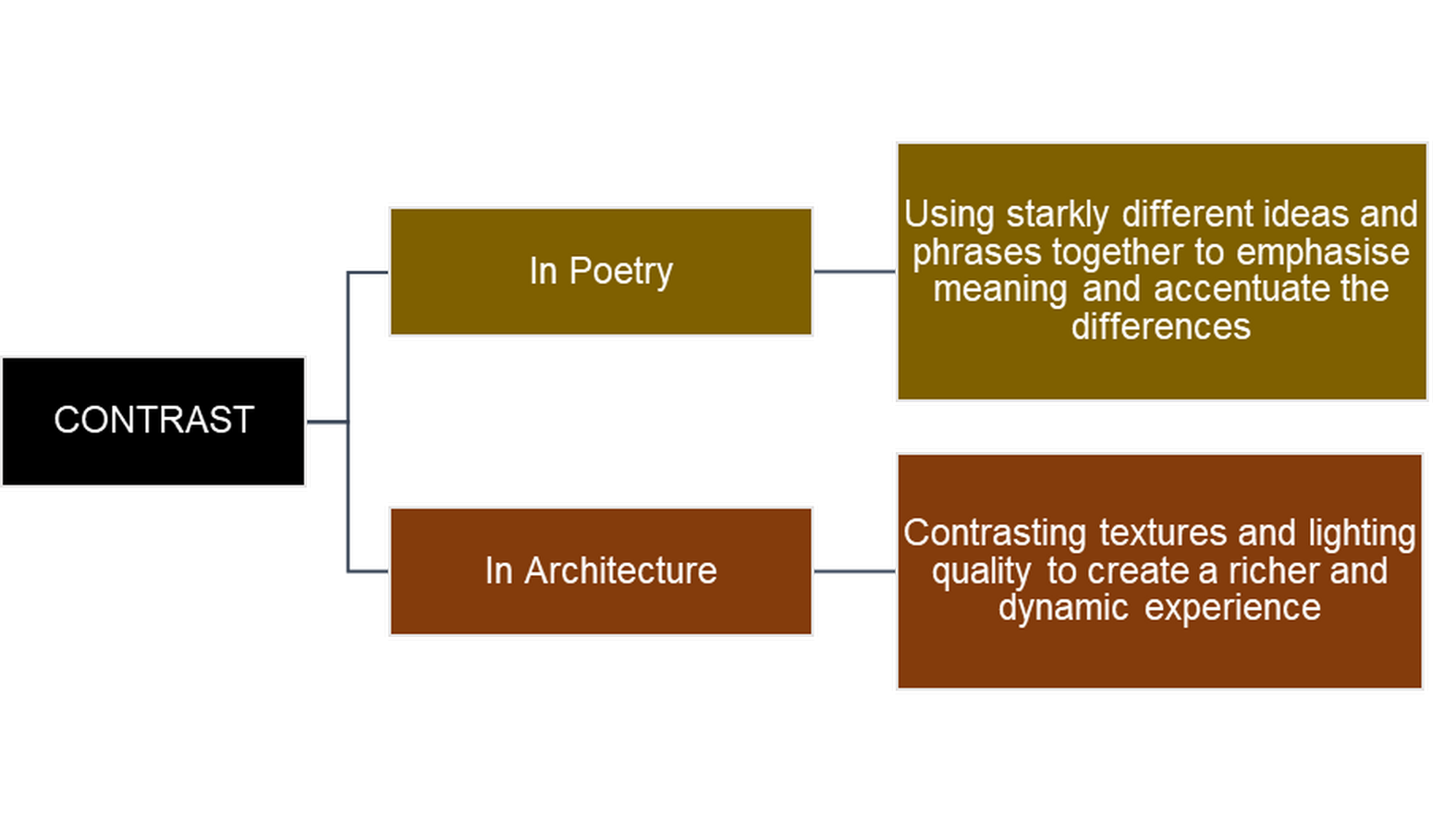
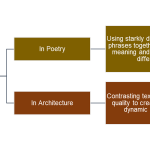
Contrast helps to add variety and dynamism within the composition. Stark contrast aids in creating a visual tension, capturing the attention of the user while also triggering their minds to assess and better engage with the space.
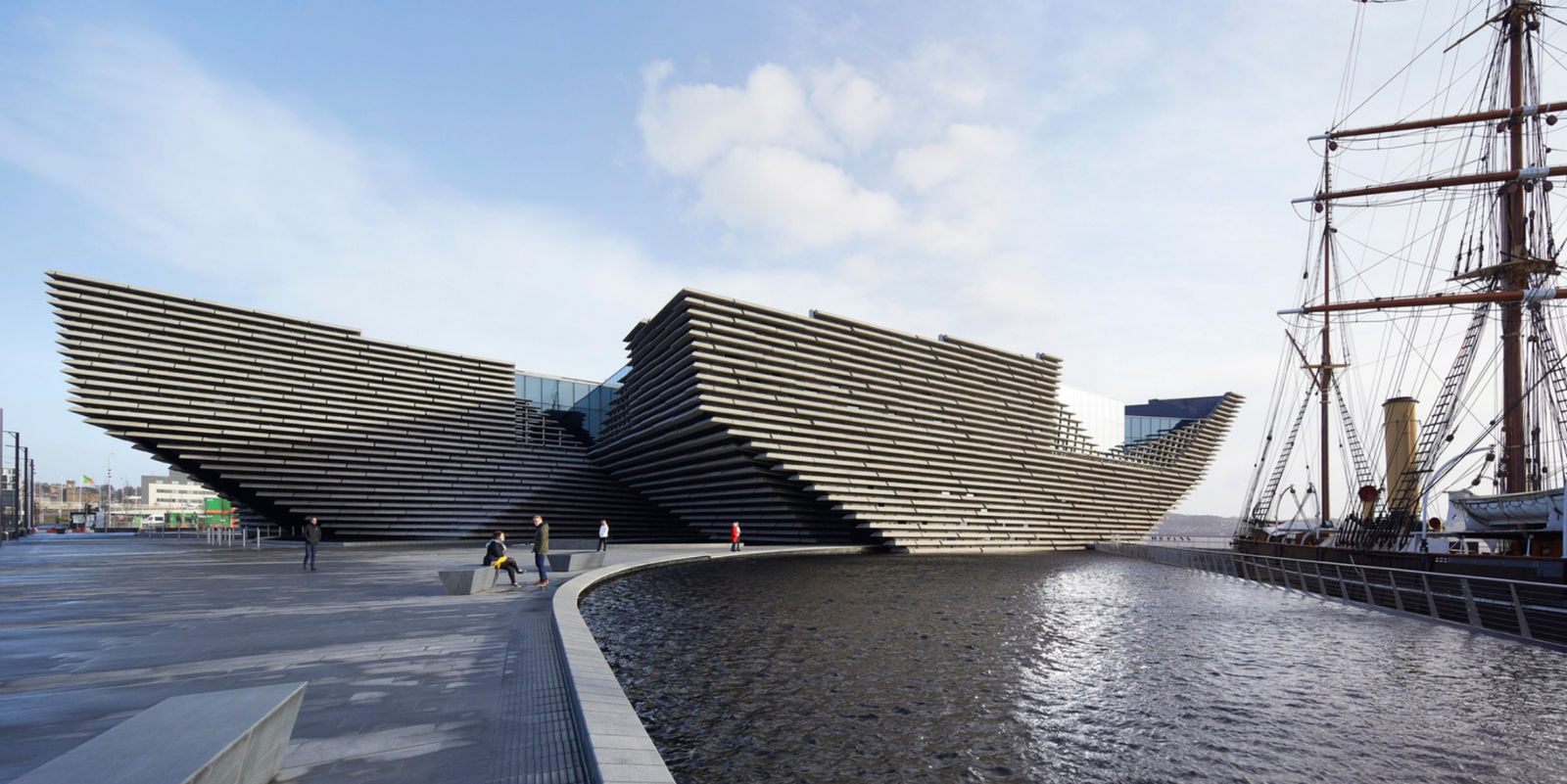
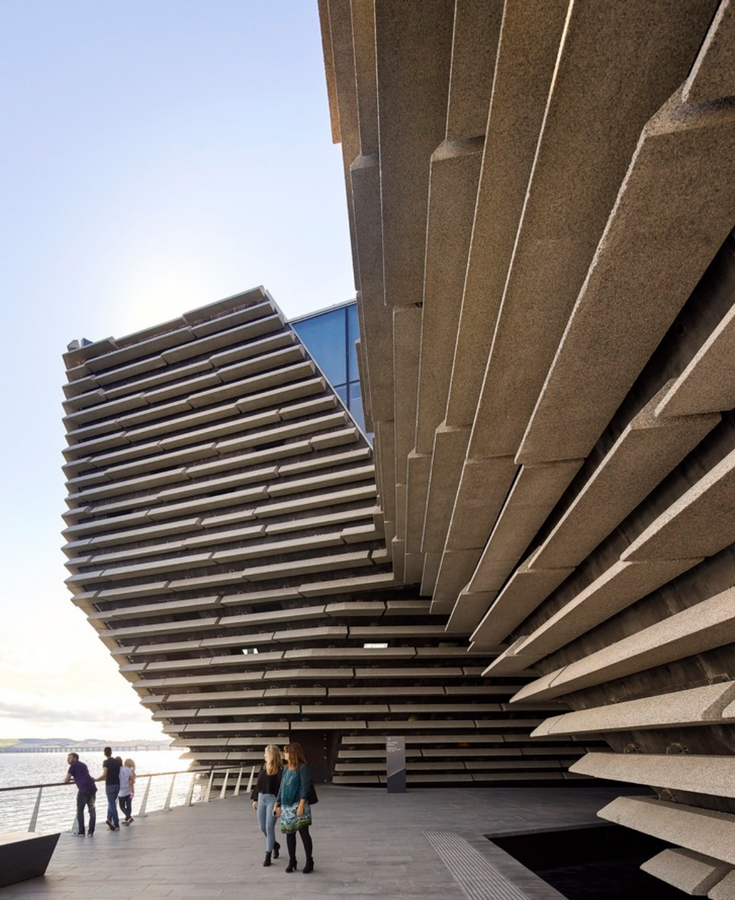
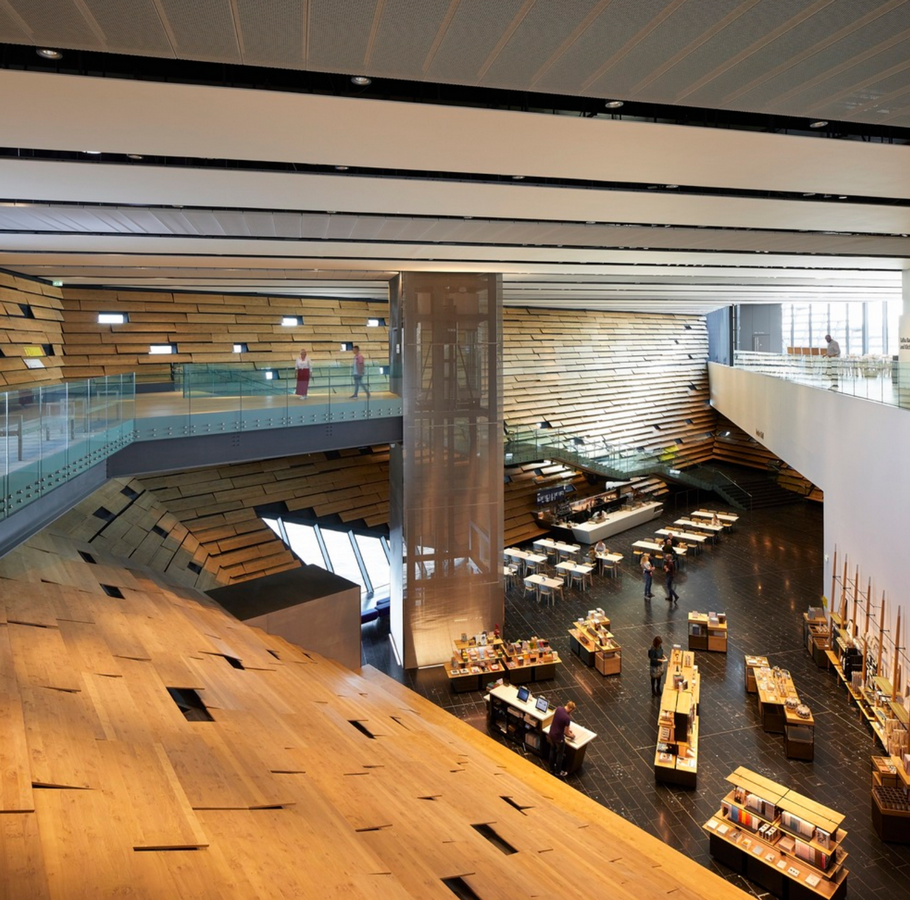
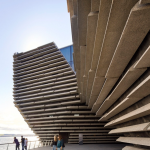
The angular massing of the form contrasts with the soft and curvilinear profile of the waves along the coastline. The form mimics the notion of ship and fluidity, but with a twist. The building exterior is treated with rough concrete, whereas warm wooden furnishings are used in the interior.
How can buildings be designed poetically?
Inculcating an inclusive and multi-disciplinary approach would help to address the needs and innovate the solutions from different perspectives, which in the end would lend poetic meaning to the space. Another very important quality which makes poetry interesting is its perplexity and the ability for subjective understanding. So, treating buildings to create curiosity by making and breaking different notions helps fabricate a more intriguing narrative. Providing elements and spaces which generate thought and dialogue in the minds of the user is important for cultivating curiosity in the space. As a result, the space would offer a different experience and narrative every time and not just be a static enclosure.
The poetic approach to architecture is the most fundamental response which stems from a heightened sensitivity and appreciation of the site, the space, the program and the surroundings, while also nurturing the soul.Deep, thoughtful and experiential spaces arise from such approach to architecture.
Every great architect is necessarily a great poet. He must be a great original interpreter of his time, his day, his age.
-F.L.Wright
References:
Website
Hernández, D. (2018) V&A Dundee / Kengo Kuma & Associates, ArchDaily. Available at: https://www.archdaily.com/901892/v-and-a-dundee-kengo-kuma-and-associates?ad_medium=gallery (Accessed: 28 April 2025).
The Eden Project (2023) Never Enough Architecture. Available at: https://neverenougharchitecture.com/project/edenproject/ (Accessed: 28 April 2025).
Ibrahim, N.N. (2021) The Eden Project in Cornwall, United Kingdom by Grimshaw, AmazingArchitecture. Available at: https://amazingarchitecture.com/exhibitions/the-eden-project-in-cornwall-united-kingdom-by-grimshaw#images-10 (Accessed: 28 April 2025).
Eden Project (no date) Common Earth. Available at: https://common.earth/eden-project (Accessed: 28 April 2025).
Lardinois, S. (2020) Inside the conservation work at the Salk Institute, Louis Kahn’s masterpiece, Getty Iris. Available at: https://blogs.getty.edu/iris/inside-the-conservation-work-at-the-salk-institute-louis-i-kahns-masterpiece/ (Accessed: 28 April 2025).
Perez, A. (2010). Ad classics: Solomon R. Guggenheim Museum / Frank Lloyd Wright, ArchDaily. Available at: https://www.archdaily.com/60392/ad-classics-solomon-r-guggenheim-museum-frank-lloyd-wright (Accessed: 28 April 2025).
Admin (2025). The Lucerne blog: A guide to the iconic Guggenheim Museum, The Lucerne Upper West Side Hotel. Available at: https://thelucernehotel.com/blog/discover-the-artistic-marvel-a-guide-to-the-iconic-guggenheim-museum (Accessed: 28 April 2025).
Gothiccurios (2020). Exploring ancient Greece in Nashville, TN: The Parthenon, Witchery Art: A Gothic Cabinet of Curiosities and Mysteries. Available at: https://www.gothichorrorstories.com/the-history-trekker/exploring-ancient-greece-in-nashville-tn-the-parthenon/ (Accessed: 28 April 2025).
Willem (2021). The Bauhaus movement, Designer Chair Warehouse. Available at: https://designerchairwarehouse.com/blog/the-bauhaus-movement/ (Accessed: 28 April 2025).
Iiad (2023) Collaboration of art and architecture over the years, IIAD. Available at: https://www.iiad.edu.in/the-circle/the-merging-ethos-of-art-and-architecture/ (Accessed: 28 April 2025).
Hnin, T. (2025) Art and architecture: Exploring the beautiful synergy between the two, Novatr Prev OX. Available at: https://www.novatr.com/blog/art-and-architecture#:~:text=Art%20is%20the%20defining%20principle,essential%20part%20of%20this%20process. (Accessed: 28 April 2025).
Pavilion Le Corbusier reopens in Zurich after restoration. Available at: https://www.dezeen.com/2019/07/04/pavilion-le-corbusier-zurich-restoration/ (Accessed: 28 April 2025).
Essay
UKEssays. November 2018. How To Express Poetic In Architecture Philosophy Essay. [online]. Available from: https://www.ukessays.com/essays/philosophy/how-to-express-poetic-in-architecture-philosophy-essay.php?vref=1 [Accessed 28 April 2025].