The customer experience nowadays extends far beyond serving clients with quality beverages. Creative cafe design focus on multisensory environment creations appealing to all senses. The simple coffee break becomes an experiential and memorable experience through such environments. The article takes a look at multisensory café design; the practical applications and real case examples which are cited and discussed, as well as working out how taste is fused with smell, touch, sound, and sight to create a truly unique experience.
The Olfactory Experience: Ambrosial with Scent
Of all the senses, smell is closely tied to emotion and memory. You do not only meet the scent of freshly ground coffee when you step into a multisensory café. Some cafe owners also sprinkle this ambient with complementary scents. For instance, some places disperse mild scents of cinnamon or vanilla into the air to create a warm and welcoming feeling.

The designers of Aroma Café in Berlin have created true examples of this. Bright citrus in the morning is meant to invigorate guests, while a gentle lavender in the afternoon is meant to bring relaxation, and such smells are programmed to be emitted by these machines at different times of the day. This ingenious use of scent enhances the olfactory experience and also influences the mood of the clients, further increasing the pleasure factor of their stay.
Tactile Features: The Sense of Space
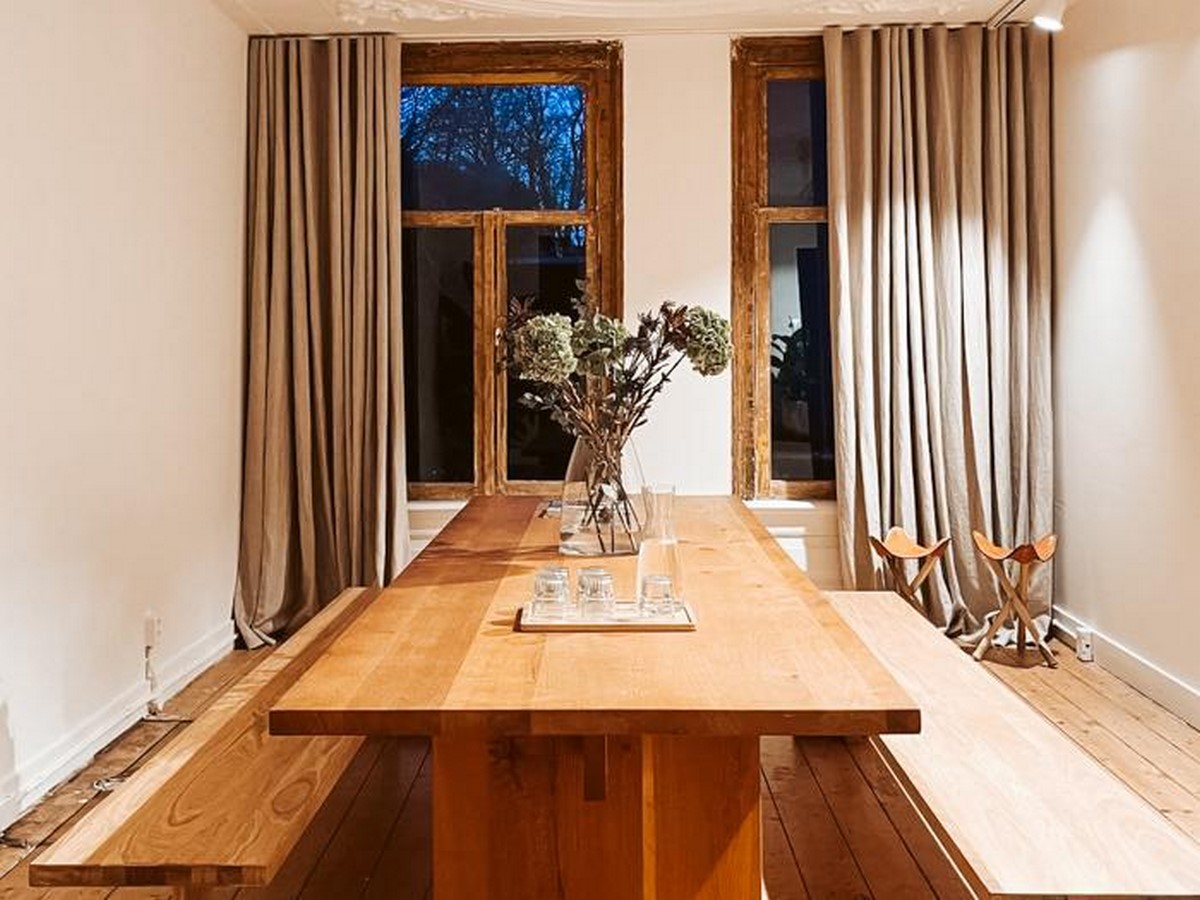
Touch is vital to the perception of a room and can either seduce or repel. Textures are chosen intentionally in multisensory cafe design to engage the senses of touch. Textured furniture can also give a sense of coziness and genuineness, such as handwoven upholstery, natural fibre cushions, and even rough-hewn hardwood tables.
For example, the Cosy Nook Café in Amsterdam combines rustic wooden surfaces with plush velvet couches. Therefore, tactile comfort and visual appeal were considered by the designers in making the selections. Another touchpoint at the café is its kinetic seating or chairs that softly rock or move according to the movement of customers. This delicate motion provides a unique tactile input that is calming and captivating. These dynamic pieces of furniture have been preferred by customers over typical static sitting in conventional cafés.
Enhancing Taste through Interactive Culinary Experiences
The multisensory cafe design has increased the relevance of taste in a café by adding an interactive culinary function that allows clients to be a part of the creation process. Some cafés offer customizable flavor stations in addition to their regular pastries and coffees.
Take, for example, Blend & Brew-the café in Melbourne that lets patrons concoct their coffee in their own way. At the blend station, they choose from a selection of syrups, spices, and natural flavor infusions to customize their coffee. Customizing an order from ‘Something to Remember’ will give something to remember itself; in addition, it will elevate the tasting arena with another infusion of memorable interaction. Such a mélange of taste and interactive design speaks of the café’s commitment to creating a total sensory experience.
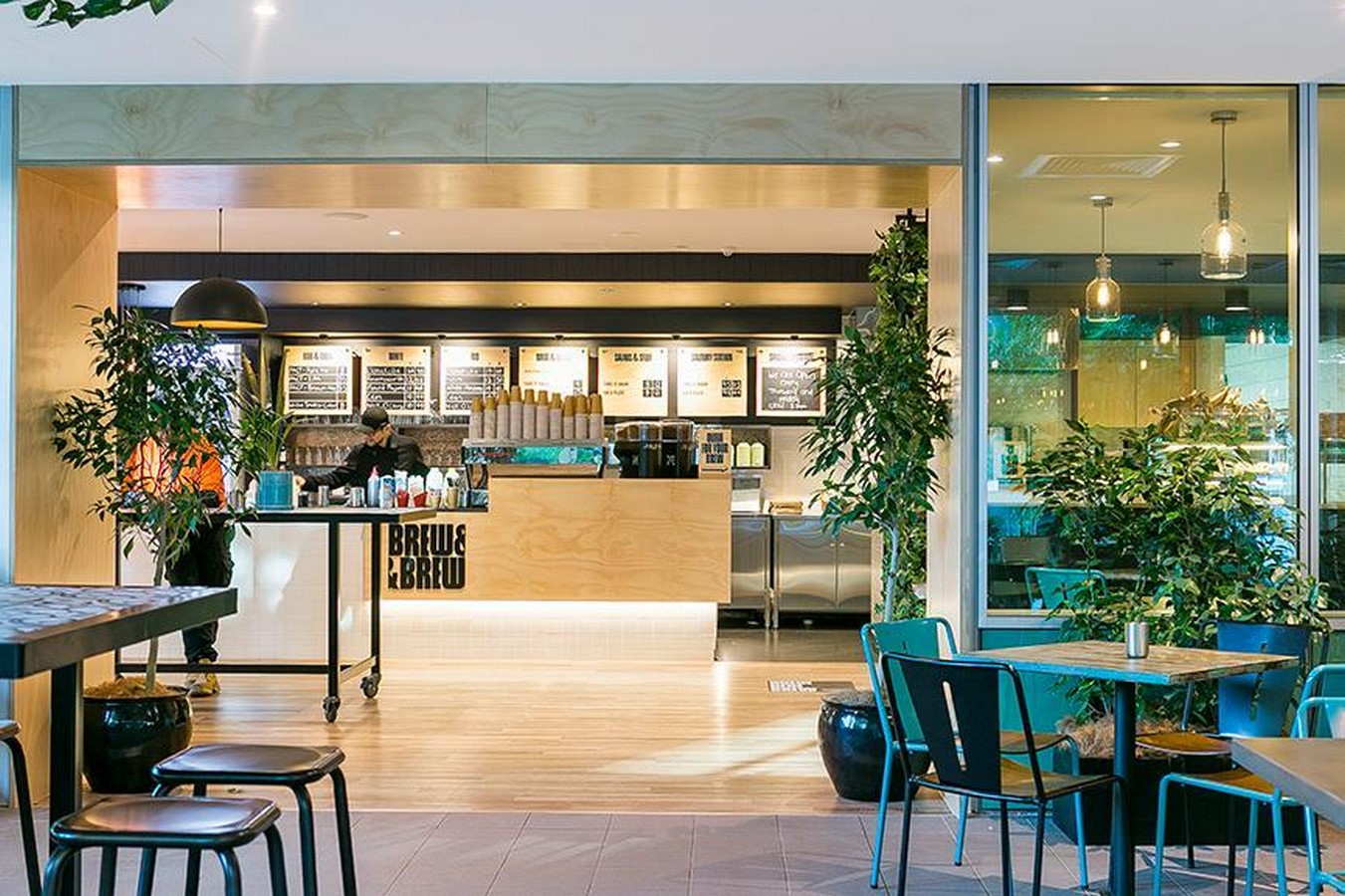
Harmony of Sound and Vision: Creating an Immersive Atmosphere
As sound and sight complement this multisensory sphere, aroma will also matter. Innovative cafe design enables cafes to dig deep into their multi-sensory view and create unique soundscapes, conceiving subtraction of stimuli with seasonal variation or mood changes. For instance, a combination of digital art installations time-mapped to change throughout the day, along with sounds from nature or soft acoustic music, creates a vibrant environment for both sight and sound.

At the Spectrum Café in London, an ever-changing digital art wall is synchronized with music, soft and lively by day but energetic and explosive at night, creating a captivating and harmonious atmosphere in the café. The smooth integration of sound and graphics enlivens every moment in the café with a story nicely told throughout the space.
Real-Life Applications and Developments in Multi-Sensory Café Design
Multi-sensory cafe design principles have already been successfully applied around the world, and they are holding successful examples against which the industry may test itself. There are some remarkable cases:
- For the Handcrafted Aroma: Aroma Café makes use of programmable scent diffusers to change the ambient scent during the time of the day, thus keeping a welcoming atmosphere as well as subtly affecting the patrons’ mood and behavior.
- The Cozy Nook Café (Amsterdam): This café has redefined comfort with a tactile experience that is one-of-a-kind and reassuring, with textured furnishings and vibrant seating.
- Melbourne’s Blend & Brew: By providing an interactive coffee blending station, Blend & Brew transforms ordering into a unique and imaginative experience that involves patrons in the flavor development process.
- London’s Spectrum Café: Spectrum Café is an example of how combining visual and aural stimuli may enhance the overall atmosphere and create a dynamic, ever-changing space, as evidenced by its synchronized digital art wall and adaptable soundscapes.
Such real-world examples prove that multi-sensory design in cafés is an actionable approach to enhancing the overall client experience and not just an idea in implementation. Showing success in making unique settings, such cafés could make a difference in making a unique touchpoint leaving an impression on the customers by involving the five senses.
Not only does this beautiful new proposition create an entirely new kind of interior where a typical cafe design experiences environments that add up into multi-sensory café design, but it covers more than just aesthetics-involving smell, touch, taste, sound, and sight. Indeed, it goes beyond what can be seen. Smell diffusers that are programmable, kinetic seating, interactive coffee blending stations, and dynamic sound-visual integrations have all become popular in cities across the world.

In a way, the change will come as multi-sensory philosophies are adopted. Such businesses not only reach out to a wider crowd but also redefine public engagement. With each visit becoming an event to touch on the senses, this leads to designing spaces where the customer can be relaxed and the true celebration of creativity in daily life.