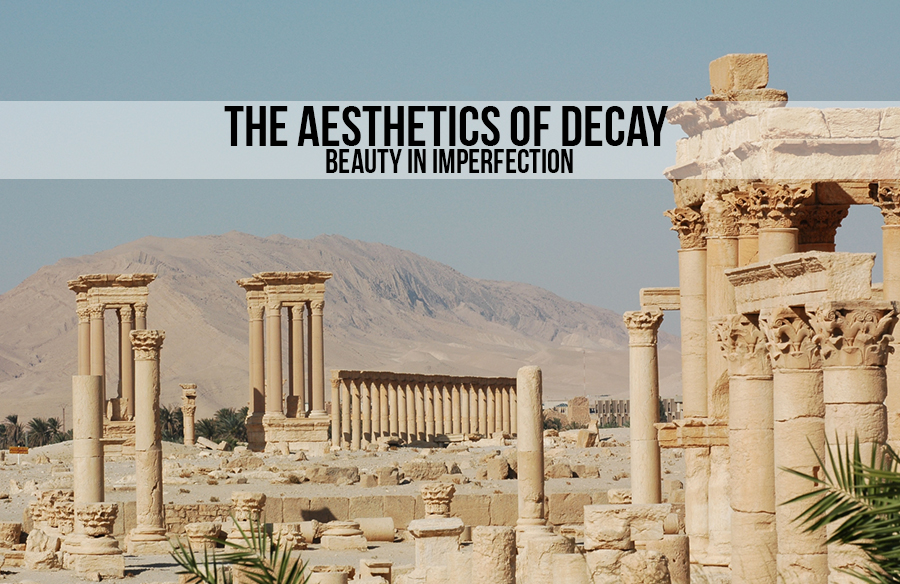
Aesthetics is a concept inextricably linked to perfection – symmetry, order, and faultless beauty. But there is also a different love for the imperfect, the weathered, and the aged. Decay aesthetics celebrate the ravages of time, surfaces’ erasure, and materials’ mutability. This perspective appreciates the beauty of ruins, abandoned spaces, and naturally developed textures as a counterpoint to contemporary notions of perfection.

Decadent stories – from the pockmarks on an old bronze sculpture to the peeling skin of a historic building — tell us about resilience and change. Appreciation of such imperfections is deeply rooted in architectural history, art currents, and in philosophical ideologies such as Wabi-Sabi – the Japanese aesthetic that celebrates impermanence and the transient state.
Decay: Dramatic Structures as Living Narratives
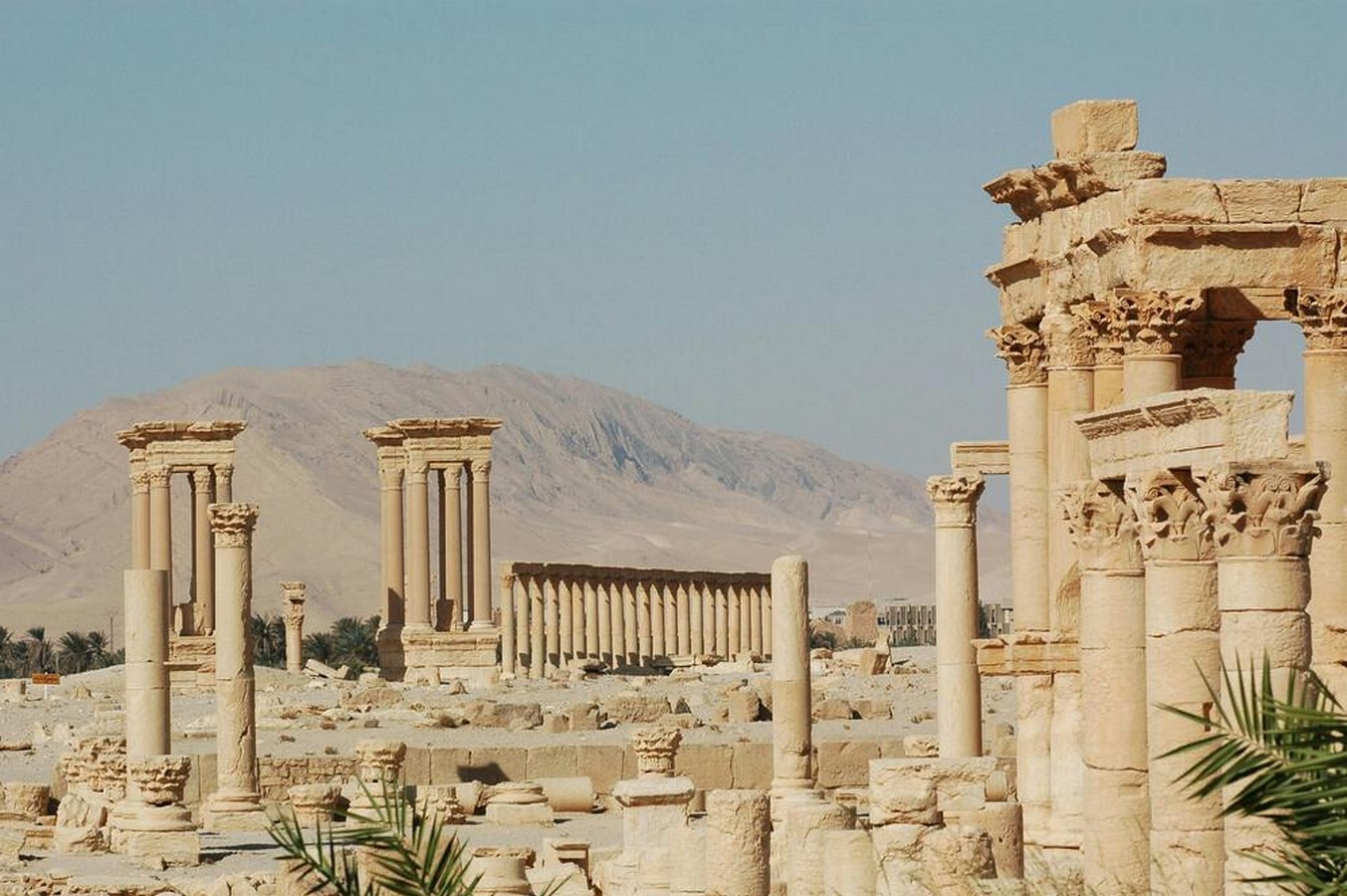
Every building has a journey: it is born, it is used, it is neglected, and it is adapted. Not only the ruins of ancient civilizations, the Parthenon in Greece, Machu Piccu in Peru embody their time and have an unmatched aesthetic quality. These places are not merely losses but a mark in stones of historical continuity and cultural memory.
Urban decay, evident in abandoned factories and derelict homes, is another stratum of aesthetic appreciation. Flickering rot and rust-caked iron with weeds waging war on asphalt. Photographers and architects are inspired by these spaces and their raw, unadulterated beauty.
The Loss of Material and the Beauty of Texture
Aesthetic appreciation is not only a grand scale but also a material scale. Weathered timber, corroded metals and worn concrete have a visual richness that newly made materials can rarely compete with. The decay process creates iconic patterns in the wood that cannot be designed, rendering each instance unique.
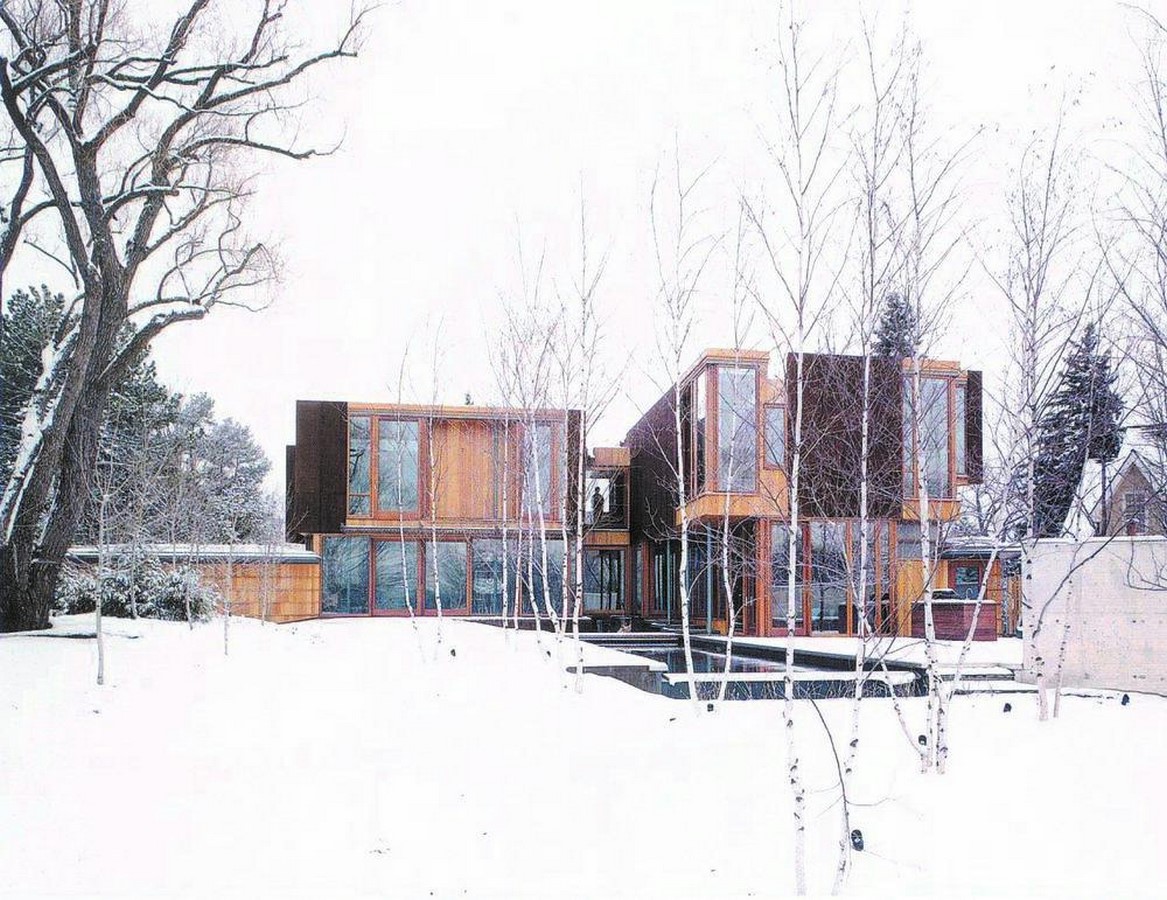
In architecture, Corten steel and untreated timber are used deliberately for their patina potential. Buildings like the Weathering Steel House, designed by architect Kengo Kuma, welcome controlled decay, allowing time and nature to play to its aesthetics. Artists who work with patina processes (a chemical reaction between a medium and its environment, producing an oxidation process that causes its color to change) in sculptures form surfaces that change, enhancing the ephemerality of beauty.
Philosophical Perspectives on Decay and Imperfection Appreciating decay is in line with the philosophy of Wabi-Sabi, which celebrates the beauty of imperfection, impermanence, and incompleteness. Unlike Western notions of perfection, Wabi-Sabi values the worn and the lopsided. This is apparent in Japanese teahouses, where materials are allowed to age on their own, creating a tranquil, lived-in environment. Romanticism in Western thinking has not shunned decay. Poets and artists of the 18th and 19th centuries saw ruins as a symbol of the sublime, beauty mixed with sadness. The works of artists such as J.M.W. Turner and Caspar David Friedrich, for example, show landscapes with abandoned castles and dilapidated buildings, creating a feeling of nostalgia and mystery.
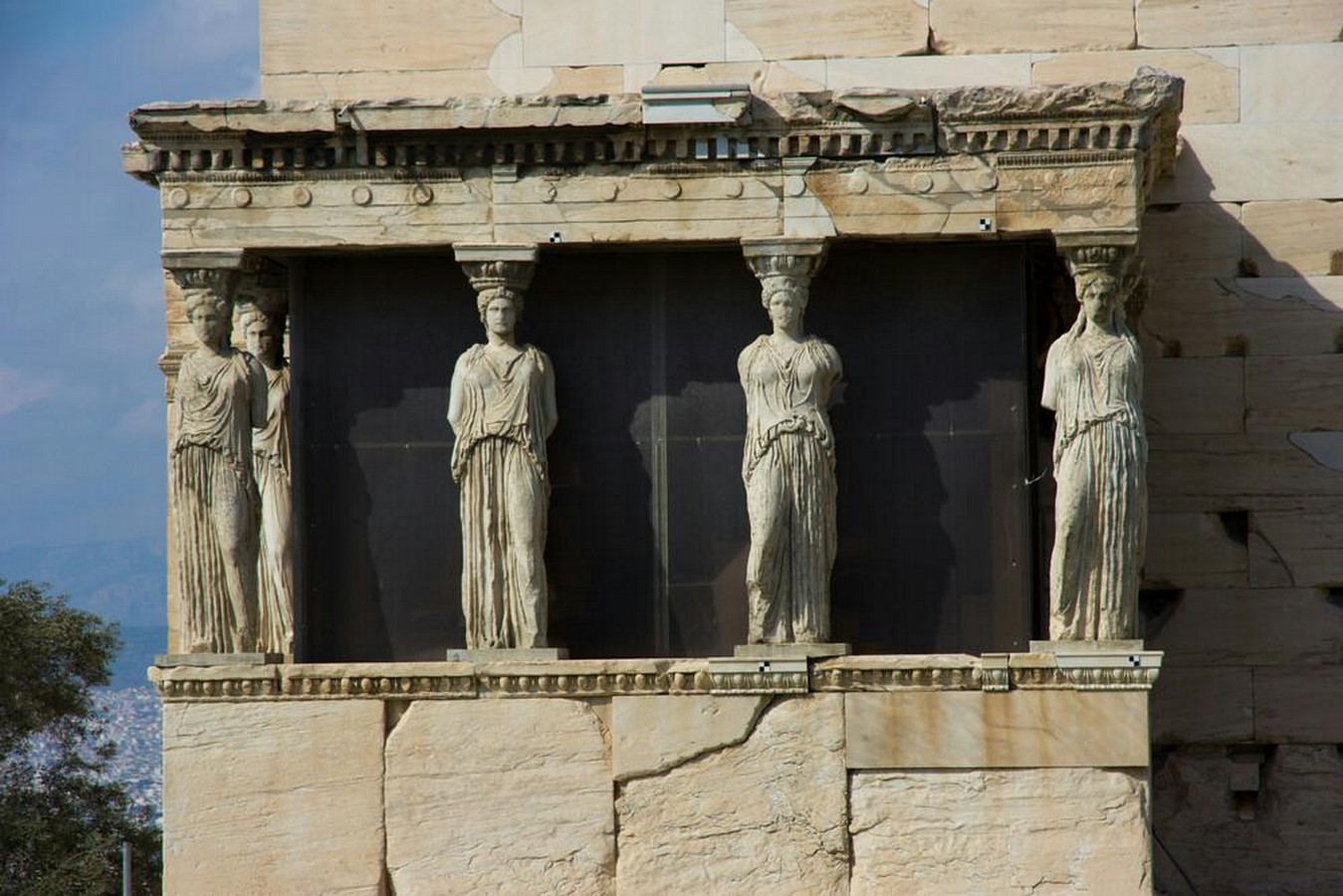
Contemporary architectural and artistic interpretations
Decay-inspired aesthetics have recently moved into contemporary architecture and design as well. Brutalist structures, characterized by their raw concrete surfaces, undergo gradual transformations in appearance as atmospheric conditions take their toll on them. As adaptive reuse projects breathe life into derelict structures, retaining their aged character but adding modern facilities.
A prime example of this is in the transformation of the Bankside Power Station into the Tate Modern in London, which preserved the industrial nature of the site but made it suitable for modern use. In a different but similar space, the High Line in New York, the abandoned railway transformed into an urban park, pays homage to the beauty of decay and renewal.

Deterioration of Urban Aesthetics and Street Art
Street art frequently works with decayed surfaces, employing crumbling walls and rusted doors as canvases. A contradictory visual script is produced by the iconoclastic graffiti and crumbling infrastructures. Destruction is an integral part of their practice, like Banksy and Vhils, who carve into walls, excavating beneath the surface and representing time.
Cities such as Detroit and Berlin have adopted urban decay as an aesthetic, creating cultural movements focused on reused spaces. Deserted factories are turned into art exhibits, and neglected structures become a haven for creativity, showing that decay is not an ending; it is a new beginning.
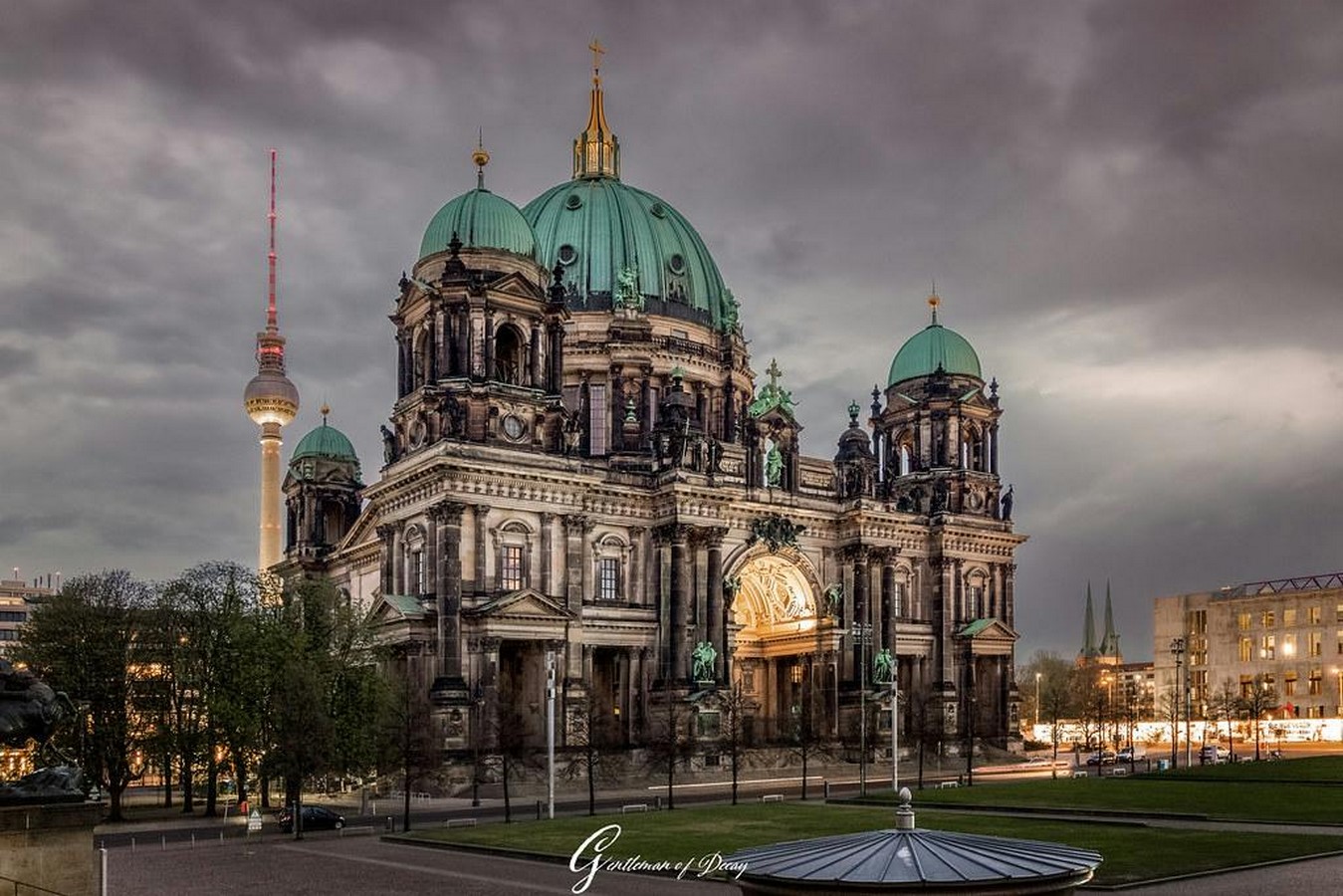
Conclusion: The Aesthetics of Decay
The aesthetics of decay challenge traditional perceptions of beauty by inviting us to find value in imperfection and transience. Decay presents a unique visual and spiritual experience, whether in ancient ruins, weathered materials, or modern architecture. If we find ways to embrace all of time’s effects rather than resist them, architecture and design can tell much richer, more evocative stories. Embracing the beauty of aging and transformation allows us to change our approach to decay from one of loss to one of evolution – an aesthetic that resonates profoundly with being.
Articles / Websites:
- Horvat, J., & Šerman, K. (2023). On the Phenomenon of Decay in Architecture: Theoretical Perspectives from the 1950s to the 2020s. ResearchGate.
- Nieszczerewska, M. (2022). Derelict Architecture: Aesthetics of an Unaesthetic Space. PhilArchive.
- Trancik, R. (1986). Finding Lost Space: Theories of Urban Design. John Wiley & Sons.
- Wilk, C. (2006). Modernism: Designing a New World, 1914-1939. V&A Publications.
- Koren, L. (1994). Wabi-Sabi: For Artists, Designers, Poets & Philosophers. Stone Bridge Press.
Images:
- Image 1_ Ministry of Tourism and Antiquities/ Palestine (n.d.). Birthplace of Jesus: Church of the Nativity and the Pilgrimage Route, Bethlehem. Available at: https://whc.unesco.org/uploads/thumbs/site_1433_0020-1000-563-20241106120726.jpg.
- Image 2_ UNESCO (n.d.). Site of Palmyra (Syrian Arab Republic). UNESCO. Available at: https://whc.unesco.org/uploads/thumbs/site_0023_0042-1000-665-20151104161851.jpg.
- Image 3_ Nicholson, D. (n.d.). Weathering Steel House. [Digital photograph] Available at: https://images.squarespace-cdn.com/content/v1/5aa14d6a8f51306f4e744983/1521574946192-Y0B3SYFKVIJ733W2B02C/Weathering+Steel+6.jpg?format=1000w.
- Image 4_ Schnarr, T. (n.d.). Acropolis, Athens (Greece). [Digital photograph] Available at: https://whc.unesco.org/uploads/thumbs/site_0404_0012-1000-667-20151105102432.jpg.
- Image 5_Murasko, A. (2024). Material layering inspired by ancient structures. [AI Image] Instagram. Available at: https://www.instagram.com/p/DDX-CGEu3oX/?epik=dj0yJnU9VURZU3pFN2xDRGxJMm85dHZzSUYzVTlHTnRiVERJb3kmcD0wJm49MC1VR0dVSWZlam1HNVNrYlB3U3IwQSZ0PUFBQUFBR2ZybE5v.
- Image 6_ Gentalman of Decay (2023). Berlin. [Digital photograph] Flickr.com. Available at: https://flic.kr/p/2ot31Ex.