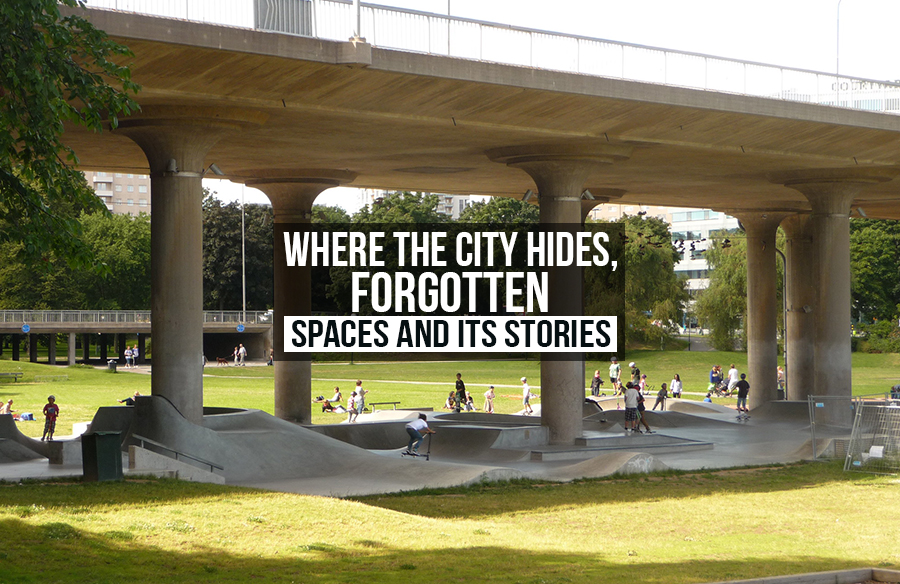
“Appearance is deceptive”
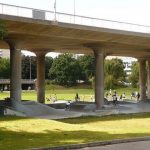
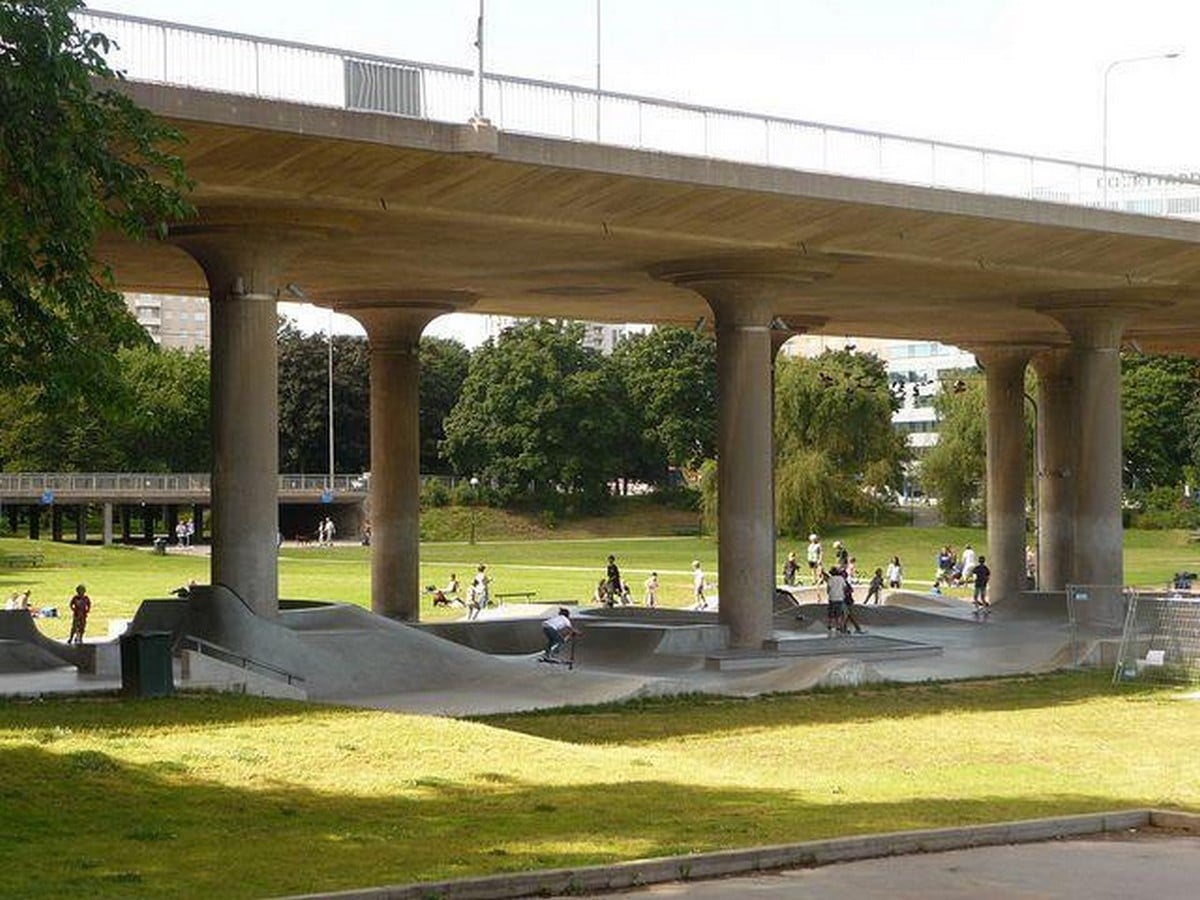
Cities have always been overviewed with landmarks, skyscrapers, and high-rise, over-crowded- happening streets and squares along the urban fabric, but there is life that needs to be looked at underneath- forgotten and hidden space- the life under the bridge. These are the urban voids- the leftover urban parcels that are unseen, created unintentionally, and accumulated are a mass volume that needs to be addressed and reimagined. These voids have scope for stories of transformation, building a sense of community, a place for recreation, a socio-cultural activity, and whatnot.
The current state of the hidden pockets
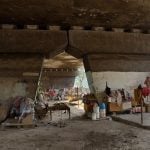
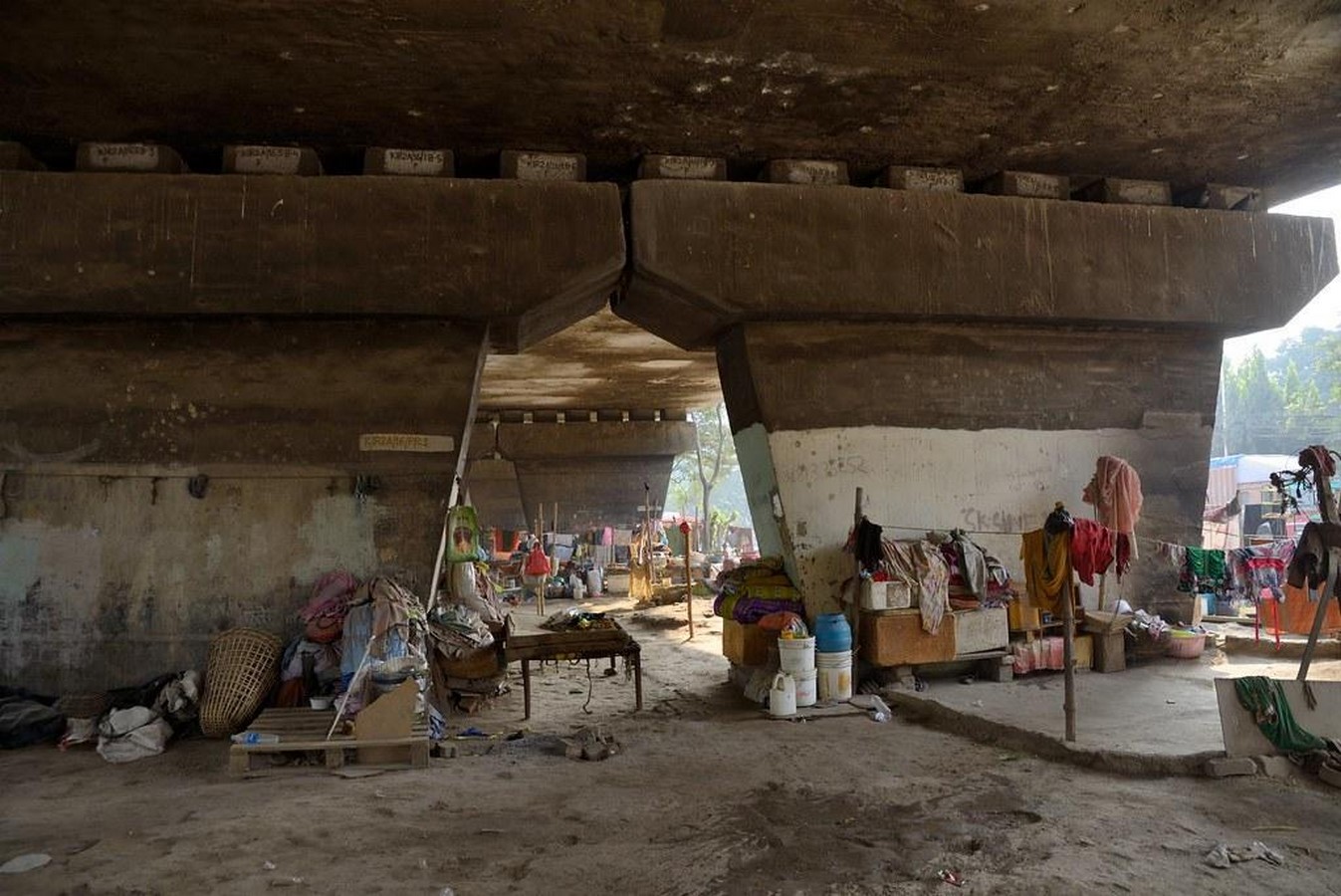
A city that stands tall erect but it has to cast its shadows, right? – Those are nothing but voids that fade into the city’s appeal. Due to rapid urbanization, this parcel of land has been unnoticed which includes an underpass, bridge under crofts, abandoned lots, and other dead spaces. In many of the places, these spaces remain underutilized, often perceived as unsafe, unclean, or just simply left unused. The lack of proper lighting, ventilation, safety, and social engagement is the reason why these spaces are in contradiction of their appeal. These spaces are mostly ignored during the planning of the city. Currently used as dwells for below poverty line people, parking lots, places to store seized vehicles, dumping yards, or any storage area. The result of current usage of the space results in a fragmented cityscape which turns out to be a barrier to the ease of mobility and urban connectivity. However, with innovative urban interventions, these spaces can be made into vibrant, engaging and a happening space.
Strategies to be adopted
Cities must start to adopt a design-driven and community-centric approach that transforms under-bridge spaces into urban assets. This can be achieved by a few strategies:
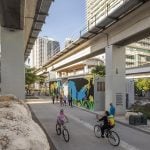
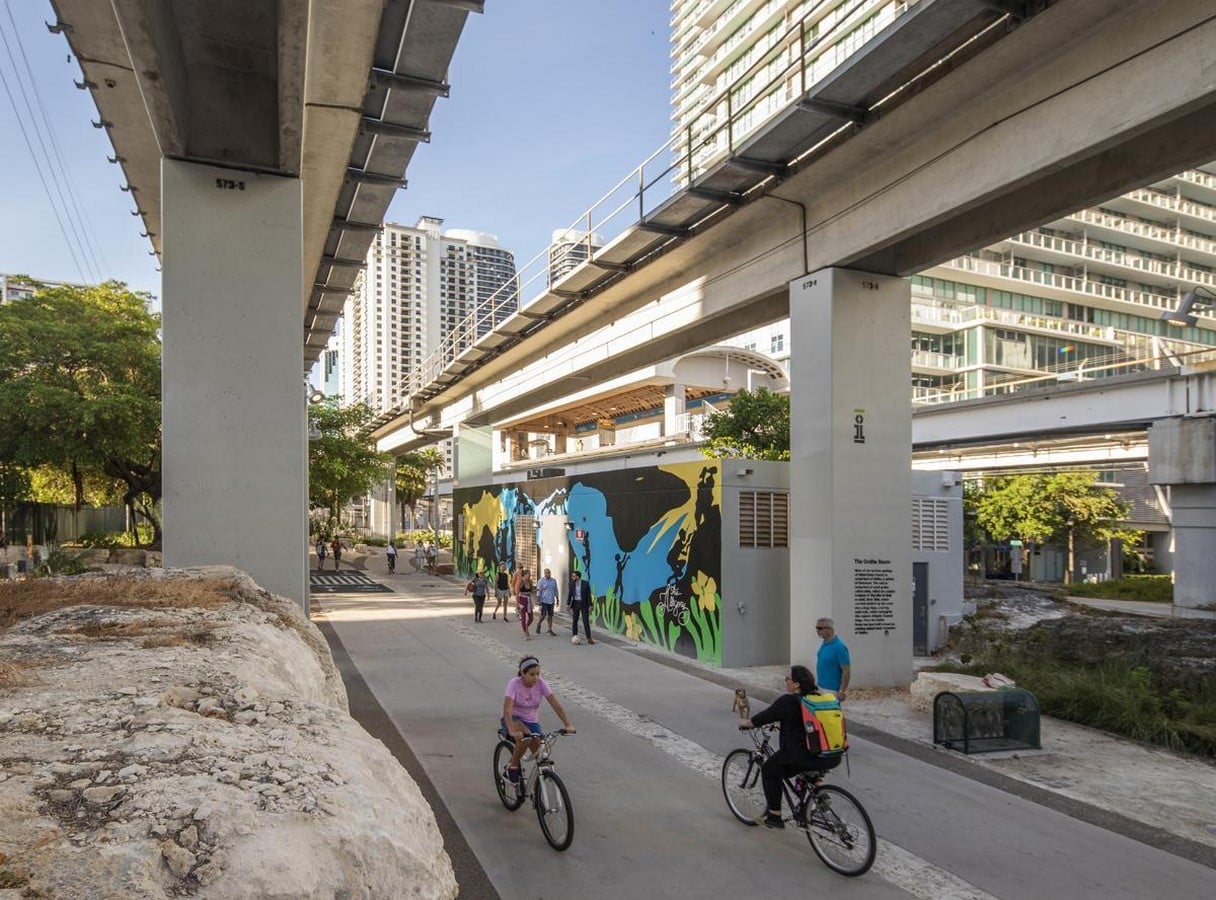
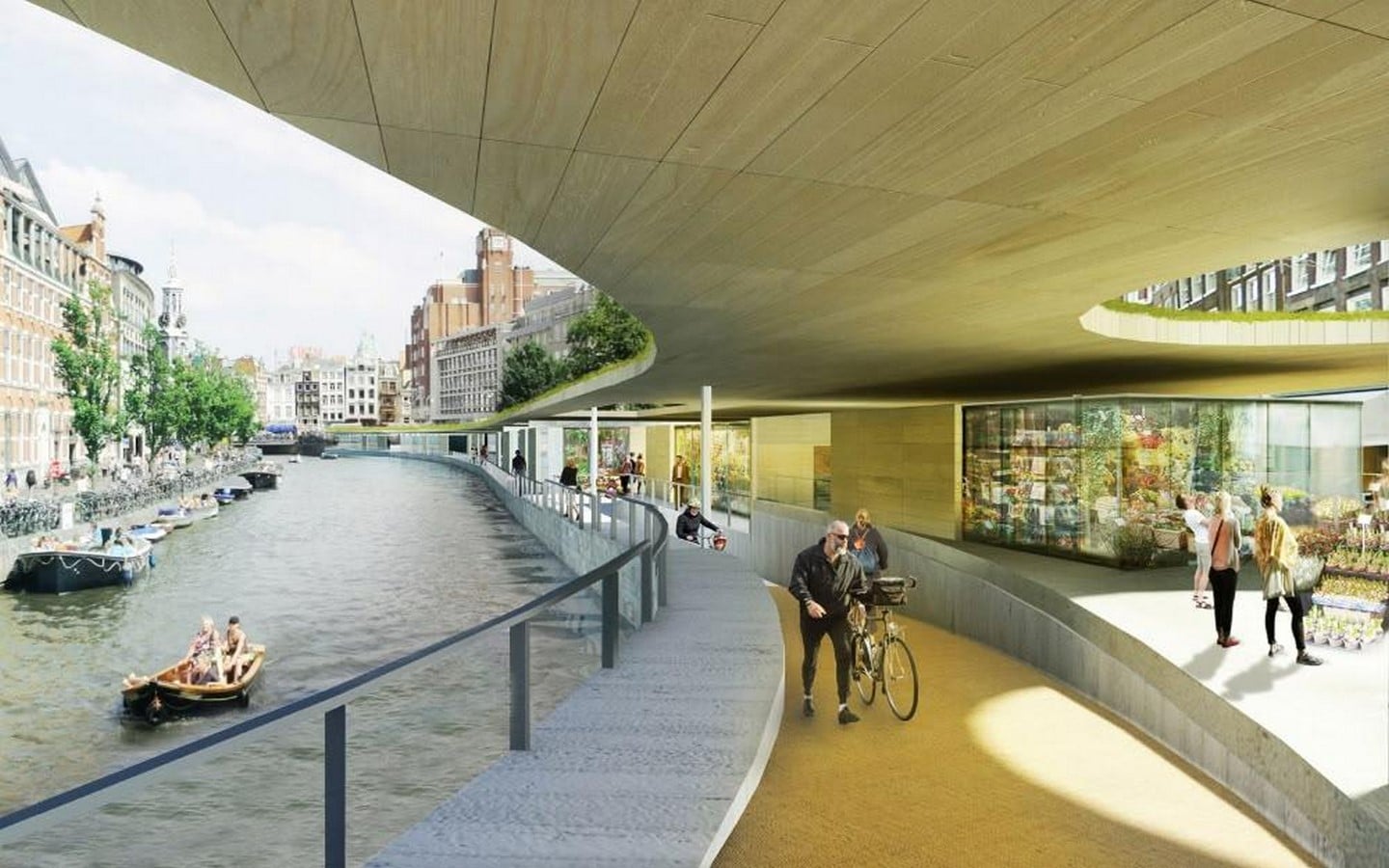
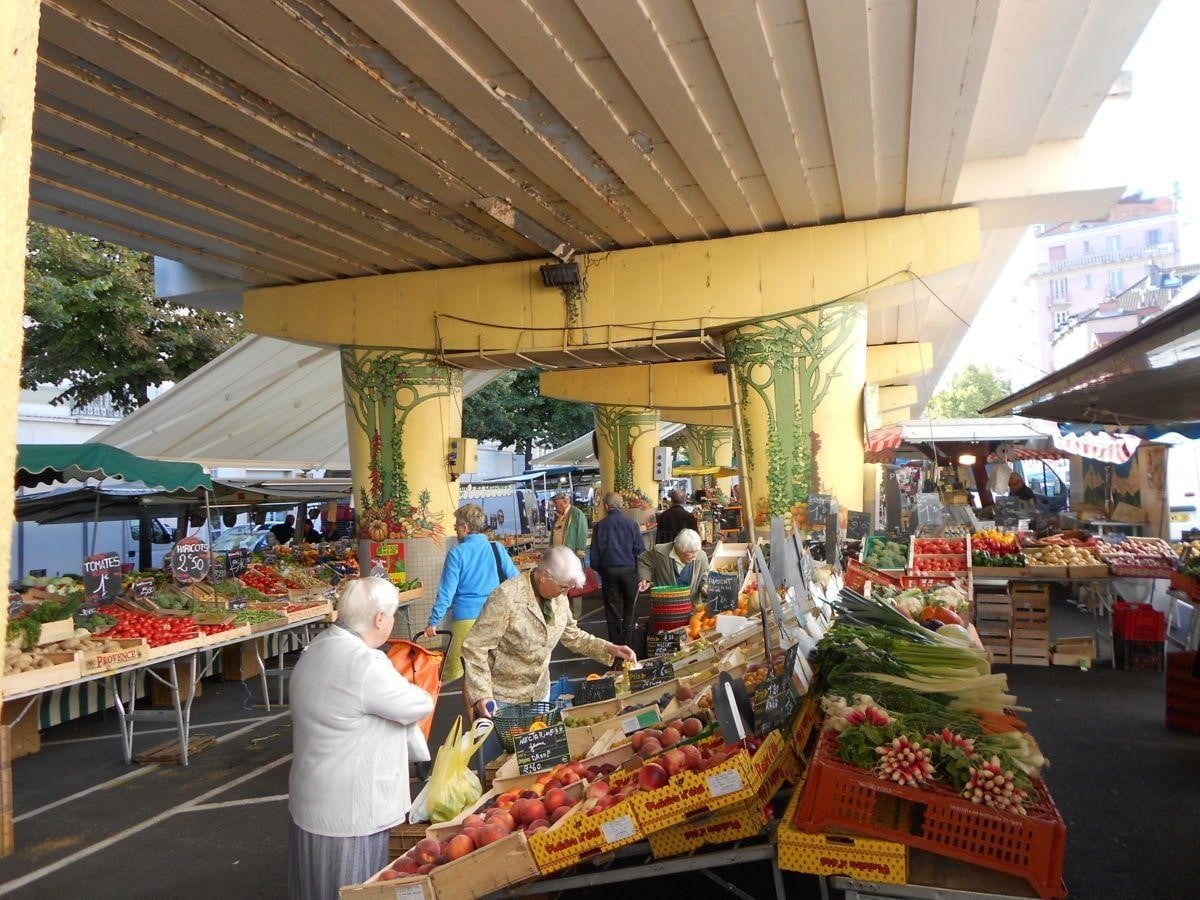
Activating the space through public programming like bringing in public amenities such as markets, pop-up stores, performance venues, sports facilities etc. This can bring a great change to the unutilized space by pulling in an audience at a greater scale with different needs and approaches. The underline in Miami has transformed.
Enhancing the visual appeal of the dead space by giving life through upgrading the facilities by putting up interactive installations, wayfinding elements, open planning, LED displays, etc. helps in creating a welcoming atmosphere. In Seoul, the Cheonggyecheon Stream restoration project reclaimed as an underpass and converted it into a vibrant yet engaging urban park connecting with the context and nature.
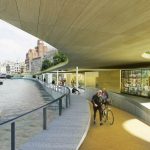
Integrating sustainability and green strategies builds a better environment that infuses function as well as brings in ecological benefits. Incorporating passive design strategies and other renewable systems would create a great impact. In Rotterdam, a pedestrian bridge integrates urban farming and renewable energy offering connectivity.
Challenges Faced
The challenges that would be faced while bringing this in real-time are the light, access, and perception. Insufficient lighting is the major issue as there is a huge chunk of solid mass set right above so the design constraints are more and there are limited approaches. These limited and constrained parameters demand creative solutions such as reflective materials, strategic openings, and artificial lighting.
Talking about accessibility, in spaces like under bridge voids, there would be vehicular moments on both the side of access and the void need to be planned out meticulously with proper planning and placement of elements. Elevating these spaces requires rethinking entrances and integrating them with the surrounding streetscape.
Safety and perception are other factors and challenges that need to be addressed. A major concern would be overcrowding, darkness, and poor infrastructure. This can be tackled by providing upgraded structures with community participation.
Impacts and benefits
When such spaces are reclaimed and integrated with the city’s urban fabric, they create a lot of social and psychological benefits. This transformation fosters inclusion, improves mental well-being, enhances urban resilience, and strengthens the local economy. It builds social cohesion by cutting off barriers and encouraging interaction. Public spaces encourage serendipitous interactions, helping people form relationships beyond their immediate circles. They provide platforms for grassroots initiatives, such as local markets or street performances, giving a voice to community-led efforts. Spaces that encourage walking, cycling, and leisure activities contribute to better mental health and physical well-being.
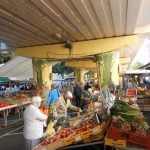
Due to a lot of pocket spaces in an urban context with people being all over would reduce the crime rates with increased security. One of the biggest issues with forgotten spaces is their association with crime, vandalism, and drug use. Reimagining these spaces with active programming and engagement would significantly reduce the crime rates. “Eyes on the street” (a concept by urbanist Jane Jacobs) ensures that a space is self-policed by active users. Looking at the economic upliftment of the city it helps people of small-scale businesses to put up small stalls making it even affordable for the people to benefit as it becomes a two-way feature.
Reclaiming these voids isn’t just an act of transformation but a movement towards inclusion. This act can bring in a sense of community engagement, creativity, and well-being. The challenge lies not in the scarcity of space but in the lack of vision. Cities must try to reimagine these hidden pockets as opportunities rather than any obstacle. With strategic interventions and ideologies these spaces can be moulded and can act as urban renewal. This just redefines the city adding more meaning and sense to the space.
Citation:
Lynch, Kevin. The Image of the City. MIT Press, 1960. (Concept of urban perception and hidden spaces)
Gehl, Jan. Cities for People. Island Press, 2010. (Emphasizes human-centered urban spaces)
Jane Jacobs, The Death and Life of Great American Cities, 1961 (Eyes on the street concept).