“Spontaneous order”, is an order which emerges as a result of the voluntary activities of individuals and not one which is created or dictated. It is said that spontaneous order is not only unavoidable but also provides functional advantages to the built environment. Spontaneous order occurs naturally in architectural environments.
In architecture and urban planning, often symmetry, careful planning and strictly following predefined design principles is always emphasized. But, when examined closely, it expresses an interesting paradox of having inbuilt spontaneity in the order which was developed, an order which emerges without planning. This article explores the possibilities in spontaneous order. Can be a source of beauty and usefulness in the built landscape.
Spontaneous Order VS Planned Order
Beauty has always been related to order and symmetry since the olden times. Even the Greeks used to depict heaven as harmony and order and hell as chaotic and disorder. This long-standing custom has had a significant impact on urban planning and architectural design which has fostered esteem for the aesthetics of order.
When a person hears the word order, it brings rigid obedience and authority into mind. But order can also arise in the absence of a centralized direction. This type of order which leaves room for interpretation and is unpredictable is called spontaneous order. Made order which appears to be simple and spontaneous order, both can coexist peacefully.
The Organic Nature of Spaces
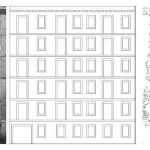
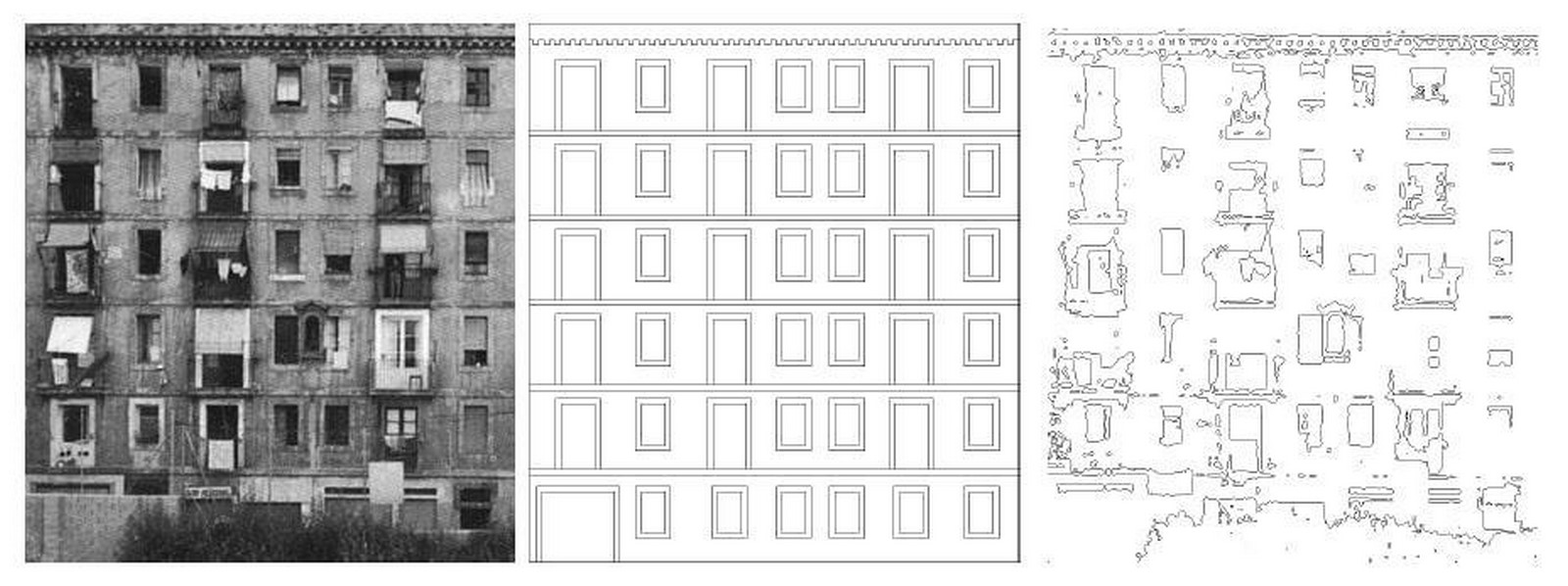
Urban spaces are becoming more and more complex every day due to various factors like modernization, destruction adaptation, etc. An example can be seen in the following five-story tenement of Barcelona‘s district. While its facade retains the traces of the original design, a computer-generated picture (right) shows a more intricate composition. Residents of the building have altered the building personalization, installing window sunshades, different window designs, etc.
Self-organization in cities is unpredictable and constantly changing. Urban architecture blends geometry with chaos, as self-organized processes disrupt design and planning. Architecture is not always stable or predictable, and chaos theory helps us understand these complex transformations.
The Benefits of Embracing Spontaneous Order
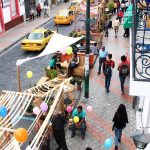
According to urbanist Jane Jacobs, the drastic changes and combinations in population, uses and functions are what give rise to true urban beauty. The notion that beauty cannot be created just by aesthetics is what is held strong in her writings. She says that a city is not a static piece of art, but rather a living thing molded by the many different ways that its people have contributed to it. To increase the city’s appeal and livability, designers can create conditions that generate diversity is what is suggested by her. Romano on the other hand makes this case that for an object to be qualified as art, it has to be made with that intention. But cities don’t measure up to this ideal as they should not be viewed as a single organism. Romano further expands on this idea that cities reflect their character through common areas and buildings. There are many important advantages to adopting spontaneous order in urban planning. It guarantees diversity, fosters creativity, and upholds the fundamental ideals of individual freedom and dignity. From an architectural perspective, this diversity manifests itself due to various age groups, communities, and styles that arise spontaneously from favorable conditions instead of being imposed. Spatial democratization, which enables the greatest number of people to actively engage in urban development and transformation, is another benefit.
The Coexistence of Planned and Spontaneous Order
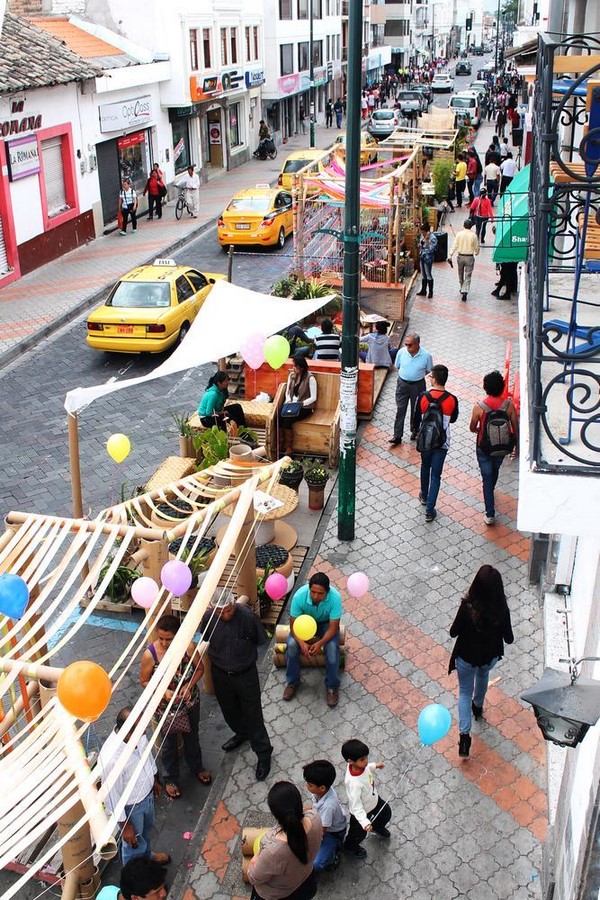
The interaction between spontaneous and structured order is what makes an architectural composition fundamentally unique. The architectural landscape gains stability and unity from geometric order, yet it becomes visually interesting when chaos is added as a personalized dimension. Users’ behaviors which give them the ability to express their uniqueness through their aesthetic preferences within the built environment are crucial in forming spontaneous order. Given the variety and complexity of urban needs, it can be difficult to pinpoint one overarching need in an urban setting. Urban environments are complicated, and characterized by a complex interaction of functions, and functions that overlap. Cities are home to a large group of people who have their likes, dislikes and aspirations and urban space organization is not imposed by a dominant authority, but rather develops naturally as a result of internal city changes. The current urban fabric, its past, and its established structures must all be respected by these dynamics. To add modern meaning, new orders should fit in with the existing context with ease. The disorder is stabilized by the tendency towards order, which allows the disorder to reappear with all of its difficulties and the vigor that comes with change. This balance allows the urban environment to flourish since each component supports the other and promotes development.

The Irremovability of Spontaneous Order
Order and disorder are constantly shifting, neither it dominates nor does it fully disappear. Each gives shape to the other and encourages the other. This calls for a flexible plan instead of a traditional plan. A traditional plan describes the objectives and solutions to the current situation while flexible planning leaves room for improvement. It considers the diverse needs of the society we live in and adapts accordingly. Divergent views of residents often lead to disputes which in turn lead to measures to address them and spurs creativity due to unpredictable events.
Urban life is a dynamic interplay of structures and spontaneous order. It is their balance that creates the livable cities. Disorder is seen as a challenge but it drives innovation and change. Disorder is not just a problem to solve but an essential force that renews the city and sets the stage for success. Every city needs a fresh start, and it’s this resilience that keeps urban environments thriving.
Indovina, F. (2016). Urban disorder and vitality. City, Territory and Architecture, 3(1). doi:https://doi.org/10.1186/s40410-016-0048-7.
Cozzolino, S. (2021). On the spontaneous beauty of cities: neither design nor chaos. URBAN DESIGN International. doi:https://doi.org/10.1057/s41289-021-00170-w.
Rubinowicz, P. (2000) ‘Chaos and geometric order in architecture and design’, Journal for Geometry and Graphics, 4, pp. 197–207.