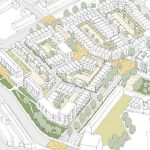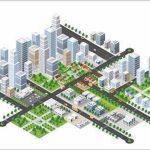
The process of forming the physical characteristics of cities, towns, and villages with an emphasis on the organization and use of streets, public areas, neighborhoods, and infrastructure is known as urban design. Creating places that are not only visually pleasing but also sustainable, inclusive, and livable for all residents is the fundamental goal of urban design. The field integrates aspects of planning, sociology, architecture, and landscape design to create urban spaces that enhance social interaction, create a feeling of community, and improve the standard of living for locals.

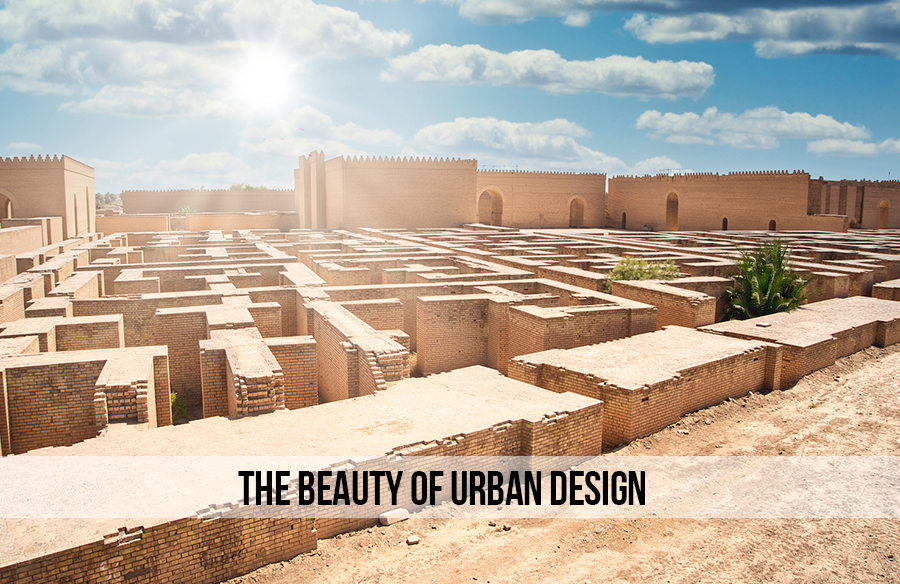
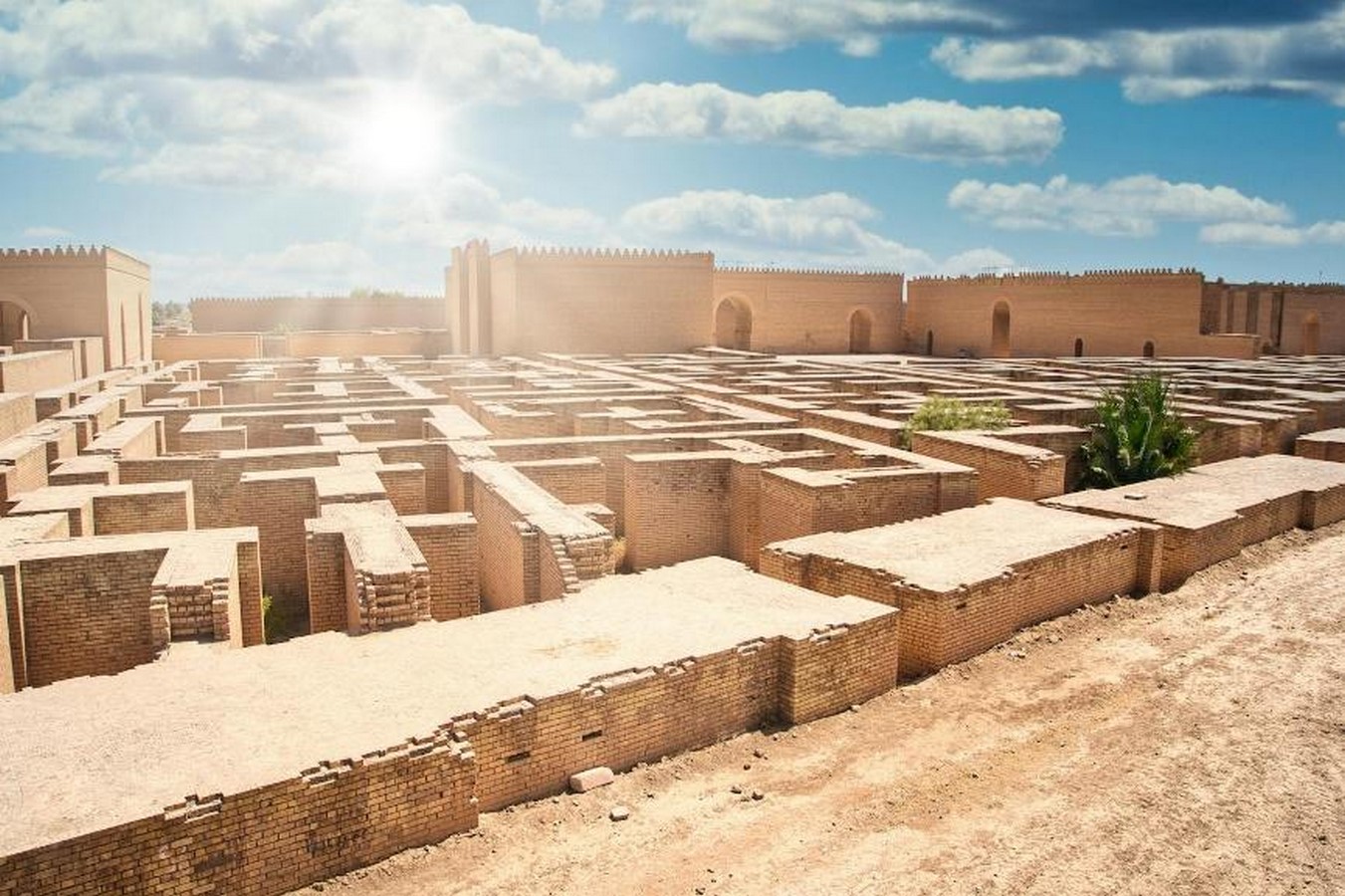
Although the topic of urban design is relatively new, its origins can be seen in the first planned cities, such as ancient Babylon and Rome. Although the idea of modern urban planning did not start to take shape until the industrial revolution, these early towns were thoughtfully planned with both purpose and beauty in mind. In the 19th and 20th centuries, cities expanded quickly, causing overcrowding and a variety of social and environmental problems. As a result, planners and urban designers worked to make cities more efficient, well-planned, and centered on people.
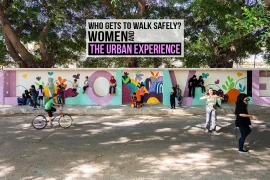
One of the fundamental ideas of urban planning is “walkability.” When a city has well-designed sidewalks, secure crosswalks, and conveniently accessible public areas, people may travel around it with ease. For a city to foster social interaction, physical activity, and a decrease in dependency on automobiles, walkability is essential. Walking, bicycling, and public transportation are given precedence over car-centric infrastructure by urban designers in many contemporary cities. This change is necessary to improve public health, reduce carbon emissions, and ease traffic congestion.
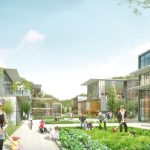
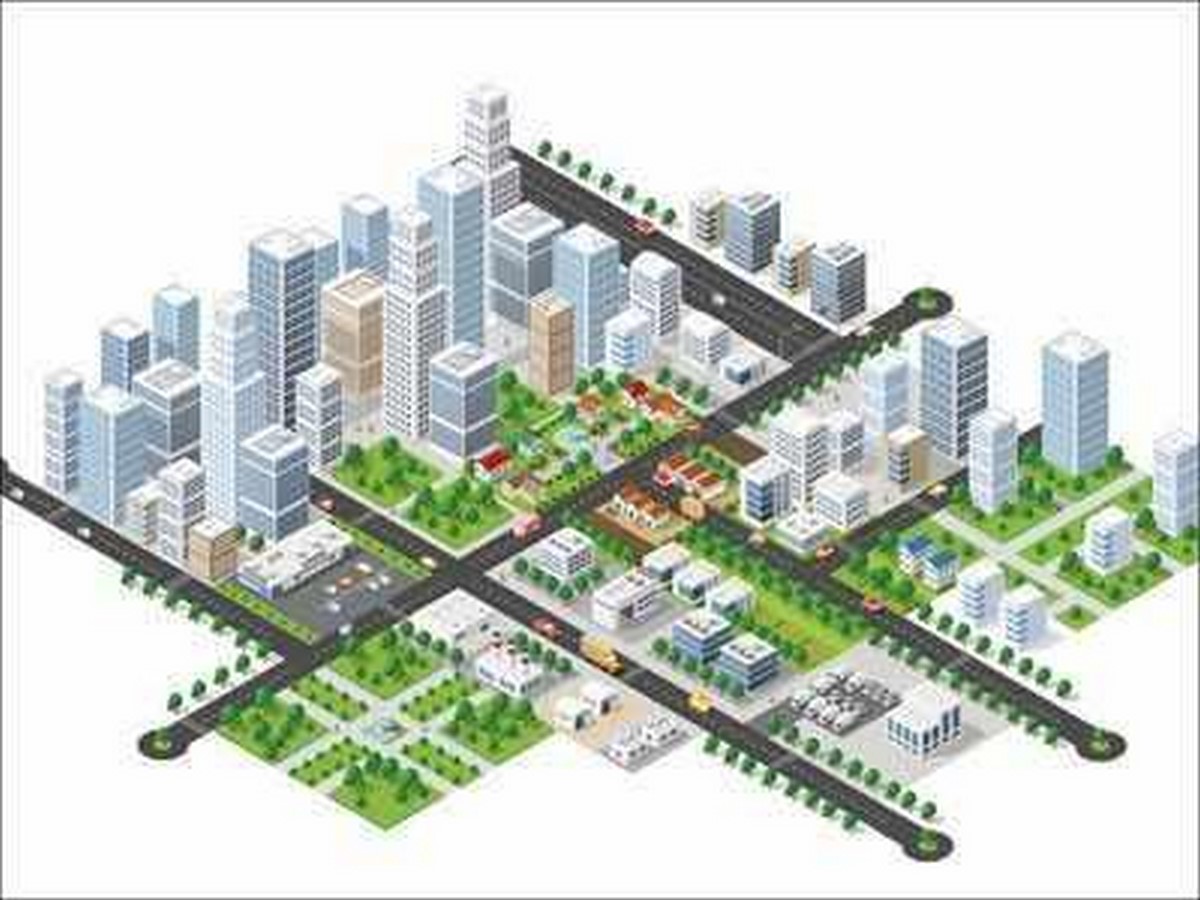
The incorporation of green spaces is another important factor in urban planning. In addition to their aesthetic appeal, parks, gardens, and green roofs improve a city’s environmental quality. Green spaces serve as metropolitan areas’ lungs, enhancing the quality of the air and giving locals a place to unwind, get out, and get in touch with nature. Furthermore, because of the concentration of concrete, asphalt, and other heat-retaining materials, built-up areas are noticeably warmer than their rural equivalents. These locations also aid in reducing the effects of urban heat islands. Including green spaces in urban planning can also assist control stormwater runoff, lower pollution levels, and provide wildlife habitat.
An important factor in urban planning is social justice. A city that allows people of various ages, abilities, and backgrounds to coexist and work together is said to be inclusive. By guaranteeing that every neighbourhood has access to high-quality amenities including healthcare, education, transportation, and entertainment, urban planning may help solve issues of inequality. Residential, commercial, and recreational areas all located adjacent to one another in mixed-use complexes can contribute to the building of lively, diversified communities where socioeconomic position and class do not separate individuals. Because they are locations where people from all walks of life may come together and connect with one another, public areas like plazas, community centers, and marketplaces are also crucial for promoting social cohesion.
Another crucial component of urban design is the layout of the streets and public areas. Streets are places for social interaction and business activity in addition to being routes for transportation. When designing streetscapes, urban designers take into account the human experience to make sure that streets are welcoming, cozy, and safe. This entails creating roadways with amenities like bike lanes, wide walkways, public seating and lots of greenery that balance the needs of cars, bikers and pedestrians. In order to reduce accidents and enhance the overall pedestrian experience, streets should be planned with safety in mind. This includes features like well-lit junctions, traffic calming techniques, and conspicuous signage.
A city’s aesthetic and cultural character are greatly influenced by its urban design. A location’s distinctive character is influenced by the architectural design and look of its public buildings, monuments, and landmarks. In order to make public areas more significant and interesting for both locals and tourists, urban designers frequently include aspects of the history, culture, and customs of the area into their designs. Murals, sculptures, and public art works can all contribute to the cultural life of metropolitan areas by encouraging community pride and providing avenues for artistic expression.
The idea of “smart cities” has gained prominence in urban planning in recent years. Smart cities use technology to increase the effectiveness of its services and infrastructure. This can involve integrating sensors and data gathering systems to keep an eye on waste management, energy use, traffic, and air quality. Urban planners and designers may respond to citizens’ requirements in real time and make better decisions by utilizing digital technologies. For instance, real-time traffic data can help optimize transit routes and ease congestion, while smart lighting systems that adapt to movement can save energy use. Creating a connected, effective, and sustainable urban environment that enhances the quality of life for its citizens is the aim of a smart city.
Urban design is increasingly emphasizing sustainability, especially as cities deal with issues like resource depletion, population increase, and climate change. The creation of cities that are ecologically friendly, energy-efficient, and flexible enough to adjust to shifting environmental conditions is emphasized by sustainable urban design. This entails developing metropolitan areas that are disaster-resistant, optimizing water and waste management systems, and designing buildings that employ renewable energy sources. In order to guarantee that future generations will have access to the resources they require to flourish, sustainable design also takes into account the long-term effects of urban growth on the environment.
In summary, the goal of the multidisciplinary field of urban design is to build aesthetically beautiful, socially beneficial, and functioning cities. Urban design can create cities that promote a good standard of living for all citizens by giving priority to walkability, green areas, social equity, safety, and sustainability. In order to create landscapes that address future problems while fostering a feeling of community, identity, and belonging, urban designers will play an even more crucial role as urban populations continue to rise. Cities may develop into vibrant, dynamic ecosystems where people can interact with one another and their environment, going beyond simply being places to live, with careful and creative planning.