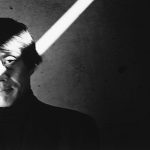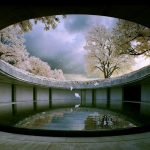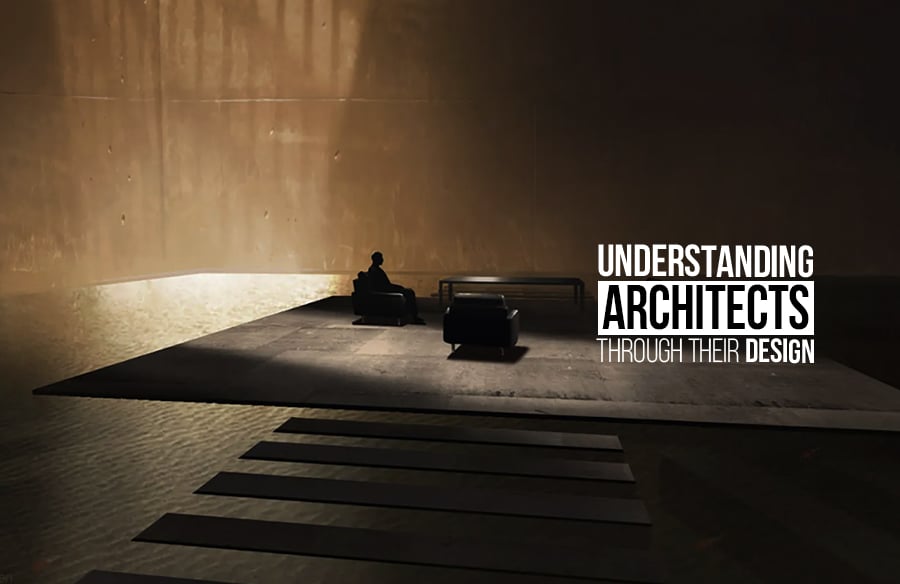
We build our world on architects’ ideas. Their buildings are evidence of intelligence, cultures, desires, and a combination of beauty and purpose. To know architects, we have to look inside their heads, which often combine the logical and emotional with the philosophical, scientific, and artistic. They are more than just designers of buildings; they are seers of human nature, movers of societies, and shapers of history.
The Philosophical Lens of an Architect
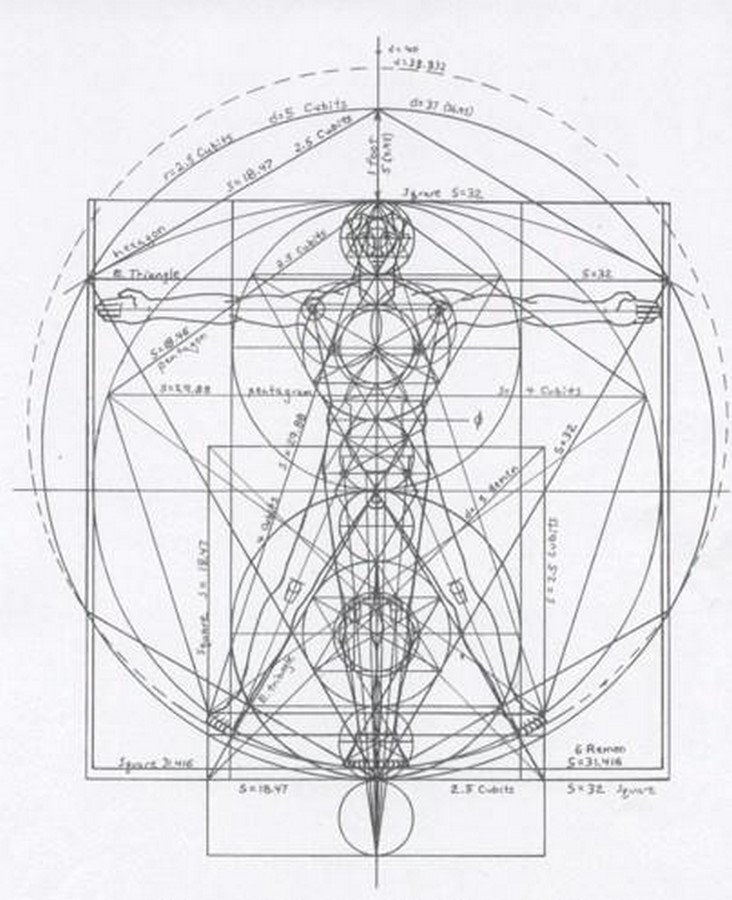
Architects have a lens through which they see the world in a different dimension. They do not see buildings; they see possibilities. They are trained to wonder at the relationship between form and function, at the dialogue between light and shadow, and at the interplay between man and nature. This makes architects often ask existential questions: What is the fundamental principle of a shelter? How can space affect a person’s emotions? Can a structure express freedom, power, or tranquility?
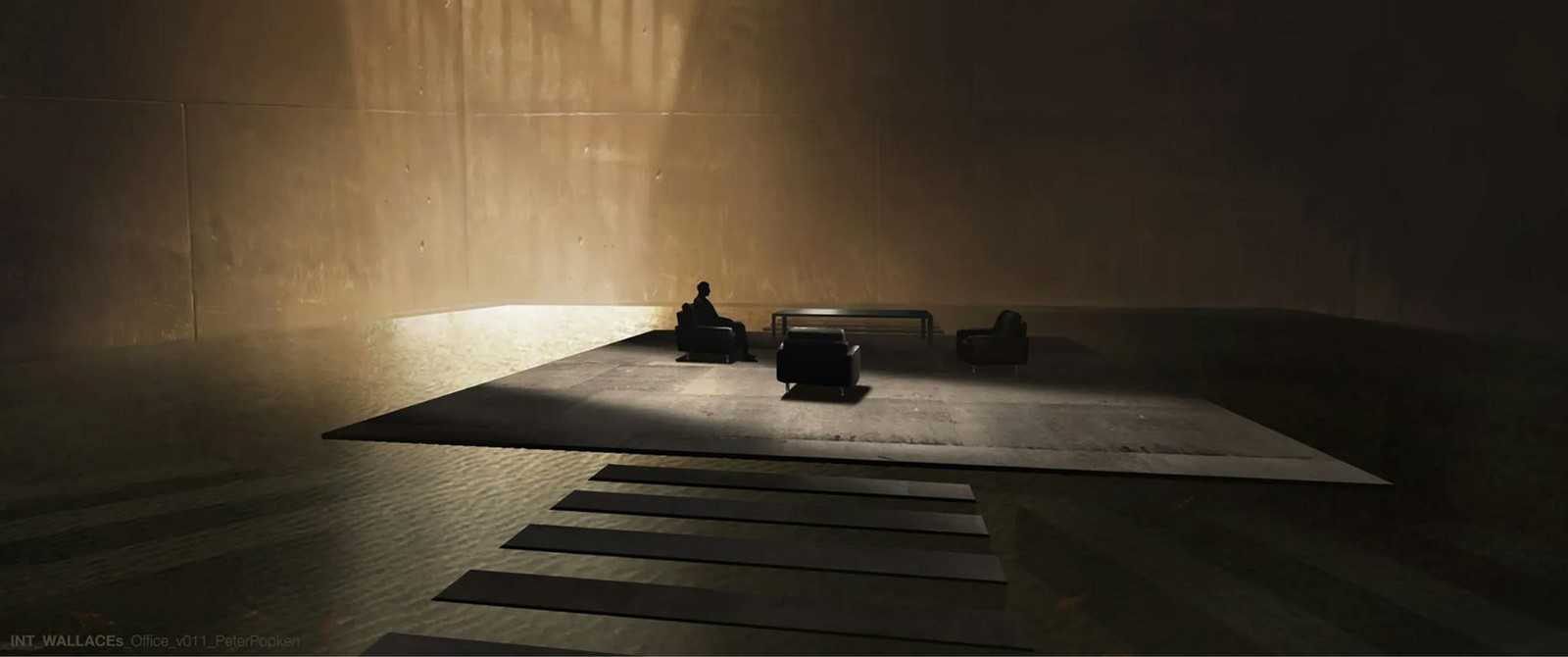
This way of thinking is based on their training which has both rigorous technical knowledge and great sensitivity to aesthetics and to human behavior. Environmental psychology is a branch of science that says that spaces affect the mood, productivity, and interactions of people, which is something architects already know. By finding a middle ground between practicality and creativity, architects turn ideas into real things that can be understood on different levels.
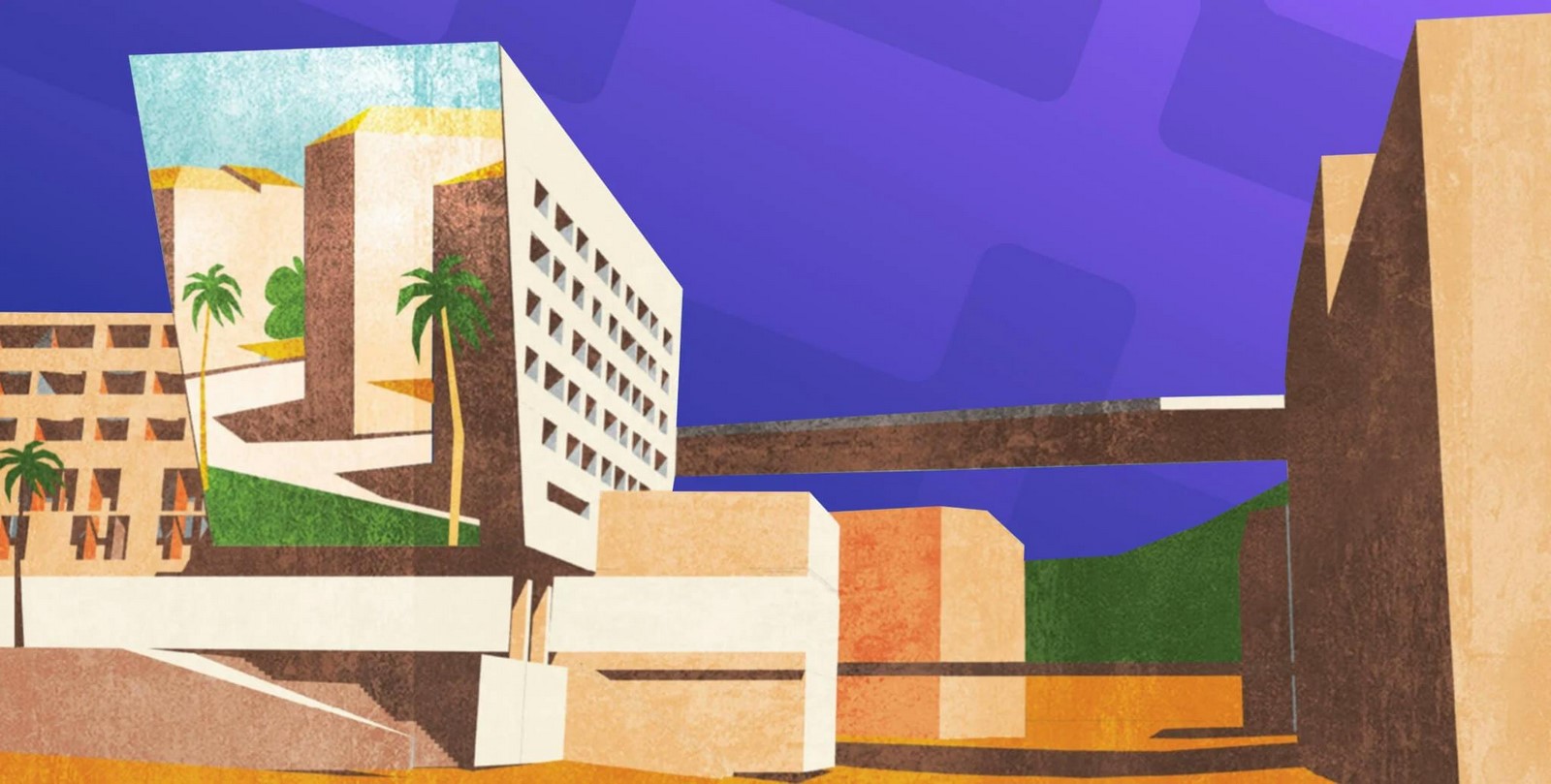
Sometimes, architects see their work as a way to connect the ephemeral with the eternal. Most of the time, they have to design something that will meet people’s needs in the present and be acceptable in the future. This duality of the fleeting and the permanent demonstrates a deep understanding of the temporal nature of human existence and the lasting impact of physical spaces.
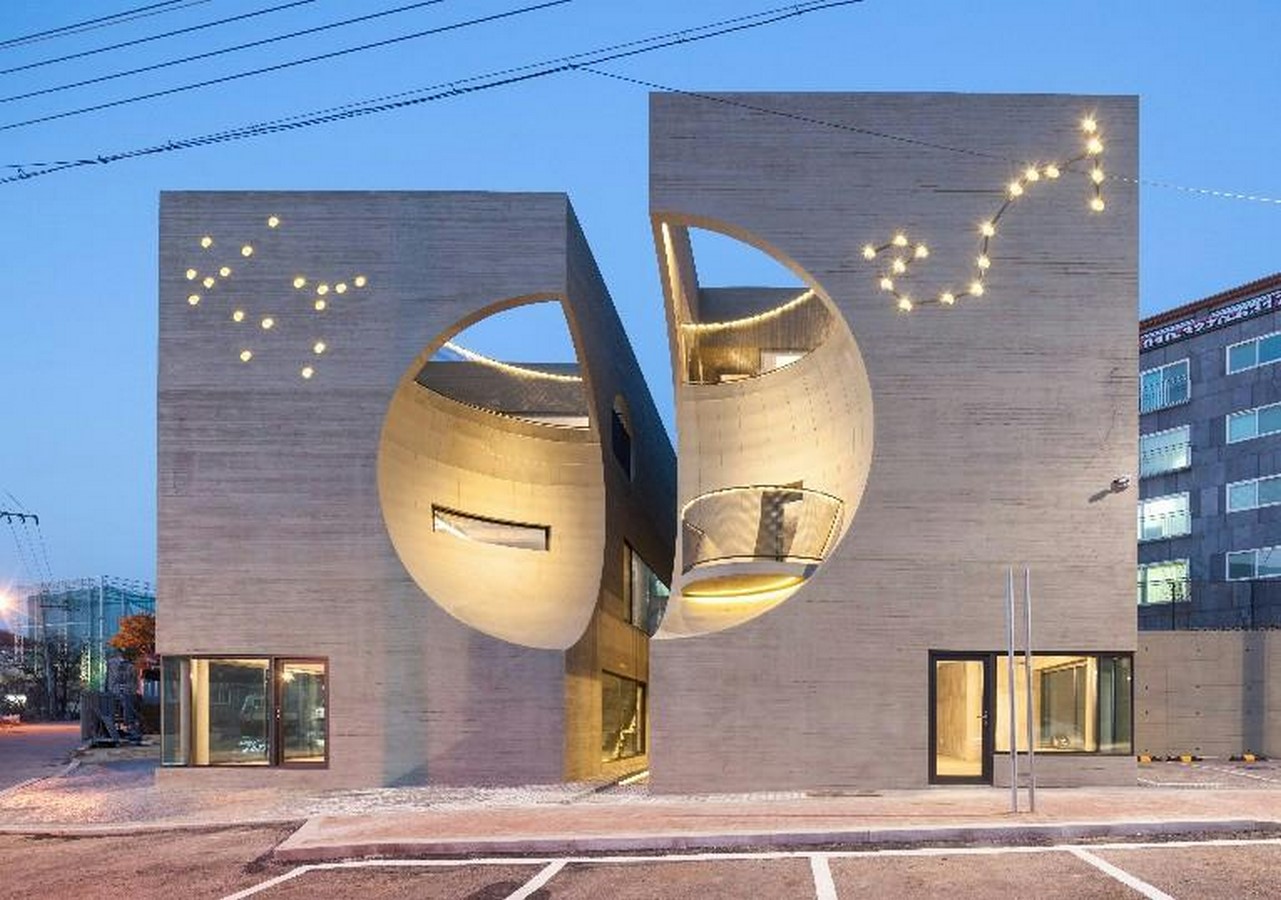
Oscar Niemeyer: Curves as a Manifestation of Freedom
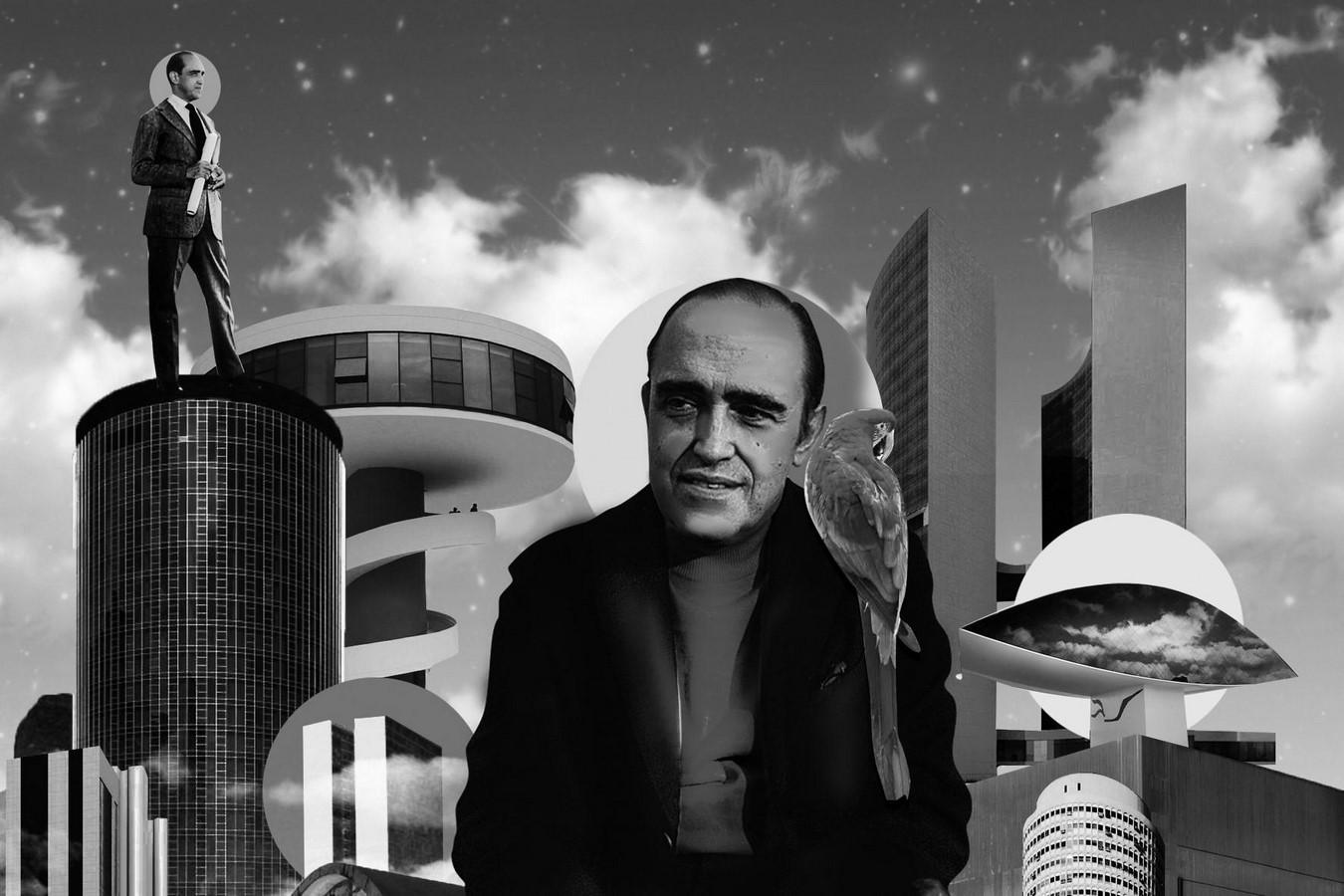
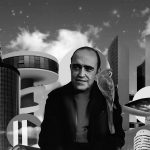
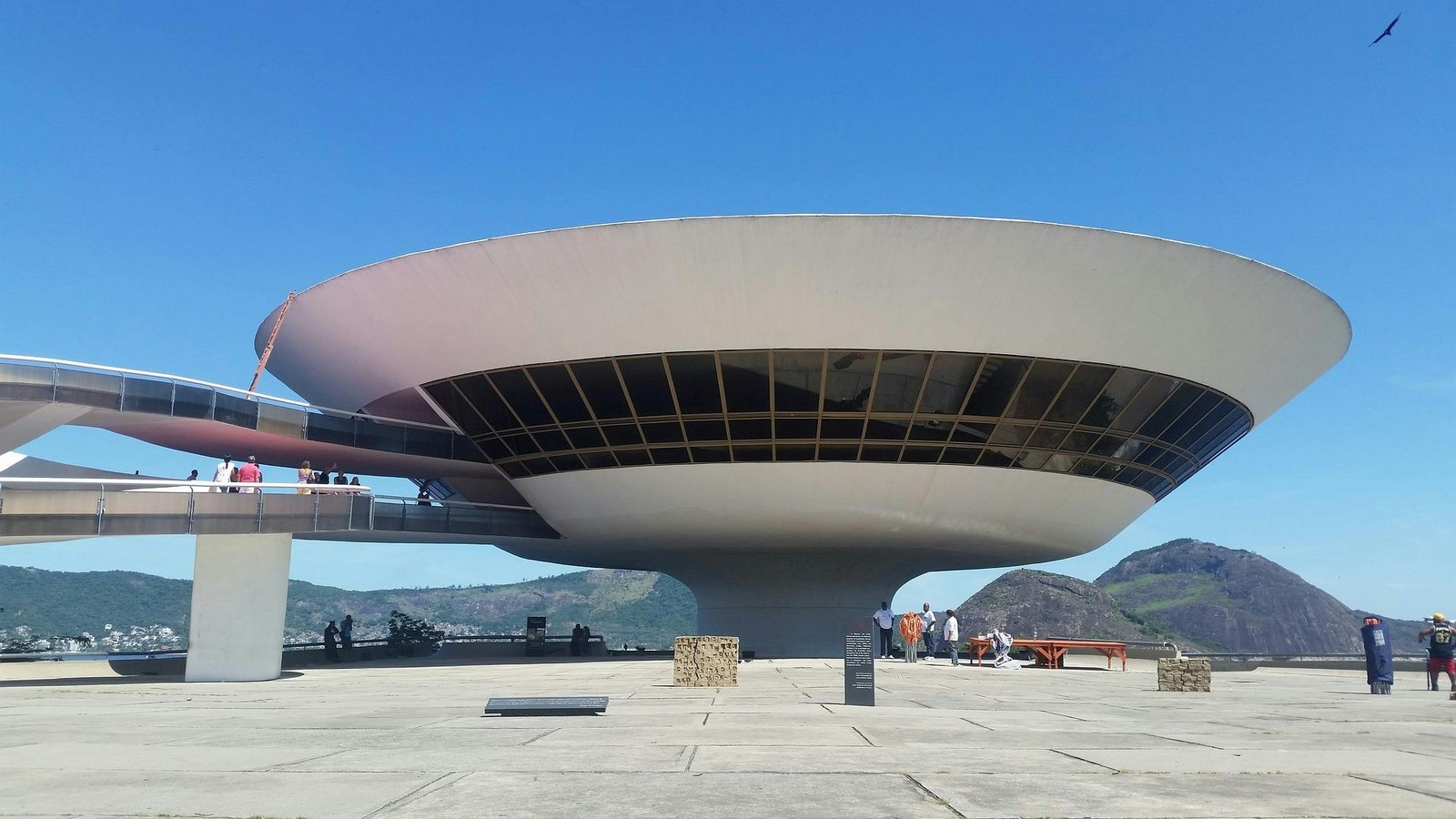
The father of modern architecture, Oscar Niemeyer said, “It is not the right angle that attracts me, nor the straight line, hard and inflexible, created by man. What attracts me is the free and sensual curve.” Niemeyer’s designs are such that sweeping curves and fluid forms inspire them and this is what depicts his belief in the organic and the humanistic. The bold expression of utopian ideals can be seen in his work on the capital city of Brazil, Brasília. The curriculum includes futuristic forms and open spaces to depict a vision of progress and democracy, and in doing so, it shows how architecture can alter physical spaces as well as societal aspirations.
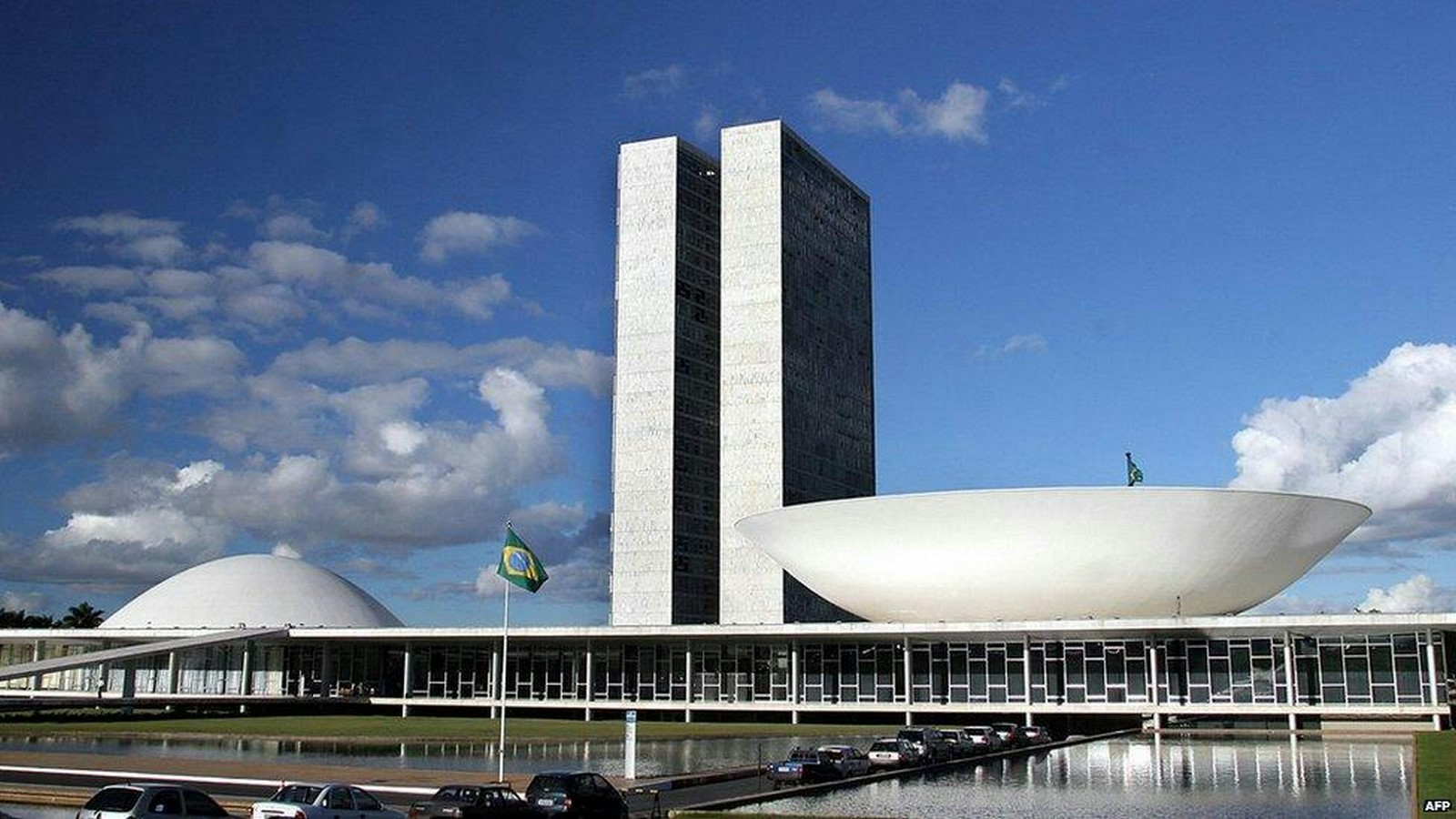
A worldview of freedom and fluidity is what Niemeyer’s philosophy embodies. By rejecting rigid geometries, he liberated design and society from traditional constraints, symbolizing them. His work is optimistic, believing that humans can create harmonious innovative environments.
Tadao Ando: The Poet of Light and Silence
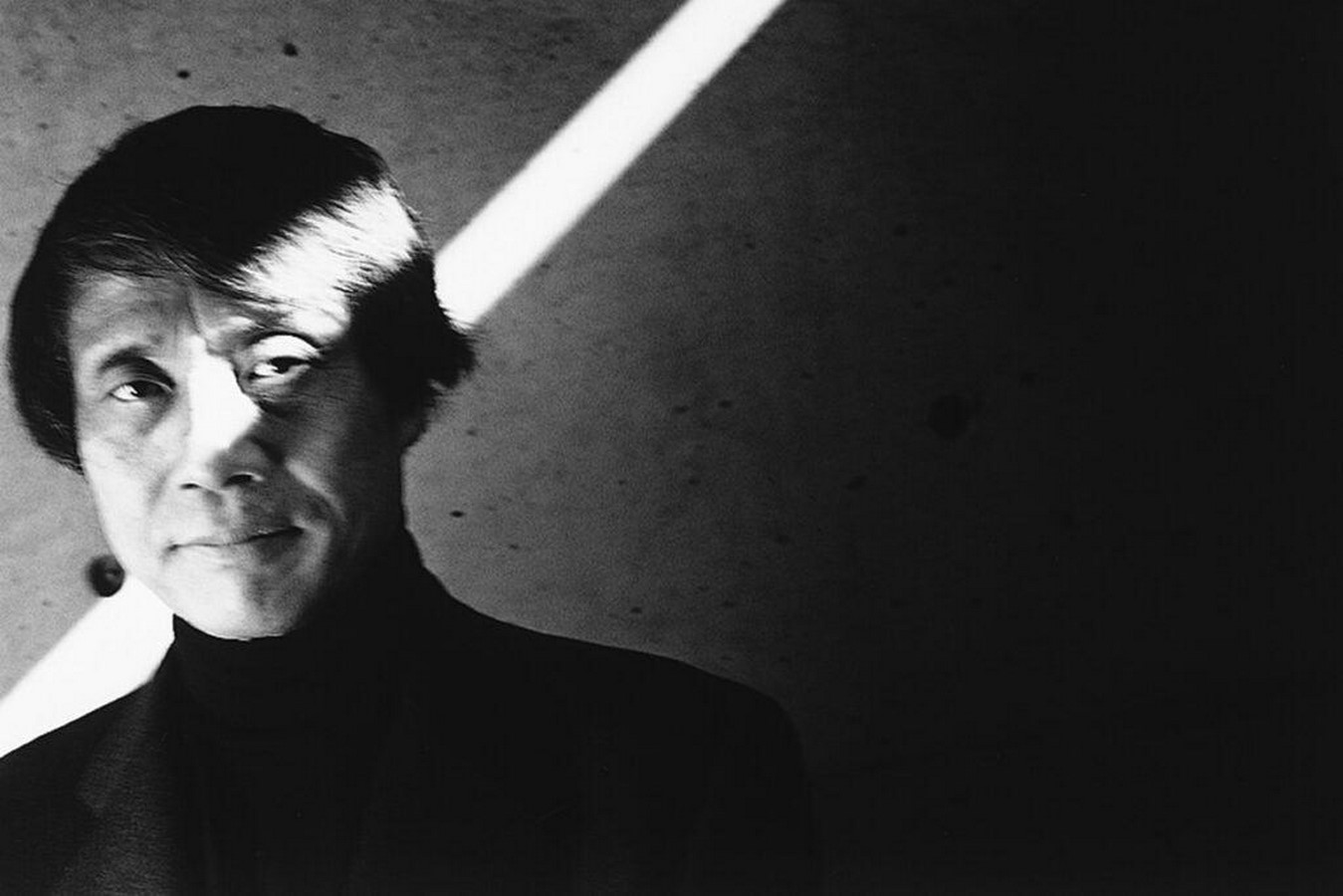
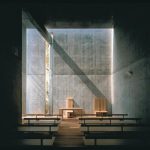
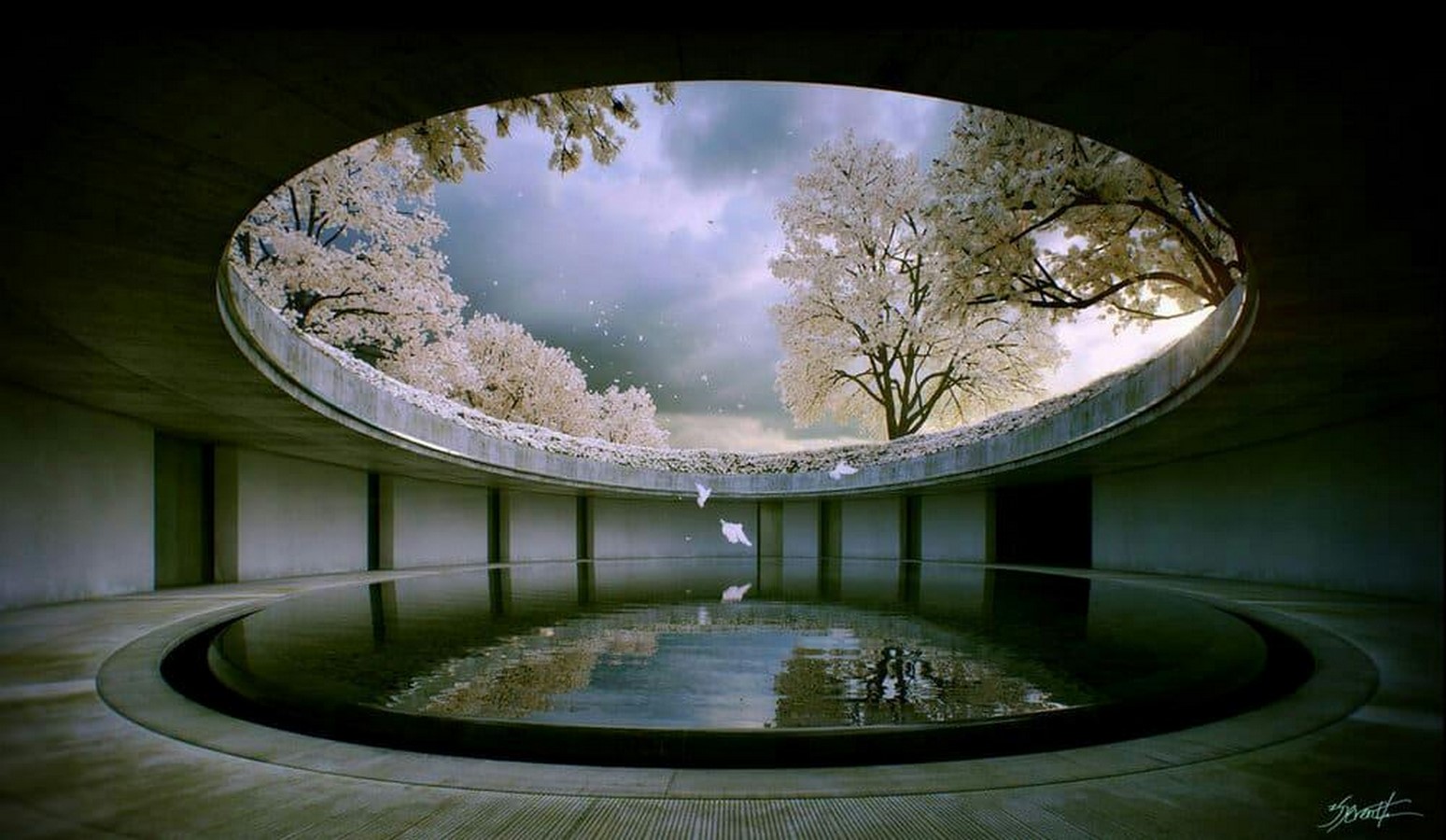
Tadao Ando is a minimalist, spiritual architect, and a self-taught architect, designs of Ando are such that he combines concrete with nature in a way that creates areas that are likely to make one contemplate and feel calm. This is perfectly shown by his Church of the Light in Osaka. The play of light and shadow within the chapel transforms what would otherwise be a simple building into a spiritual one. Ando’s work shows that the intangible — light, air, silence — can be enough for architects to communicate powerful emotions and develop spaces that go beyond the physical.
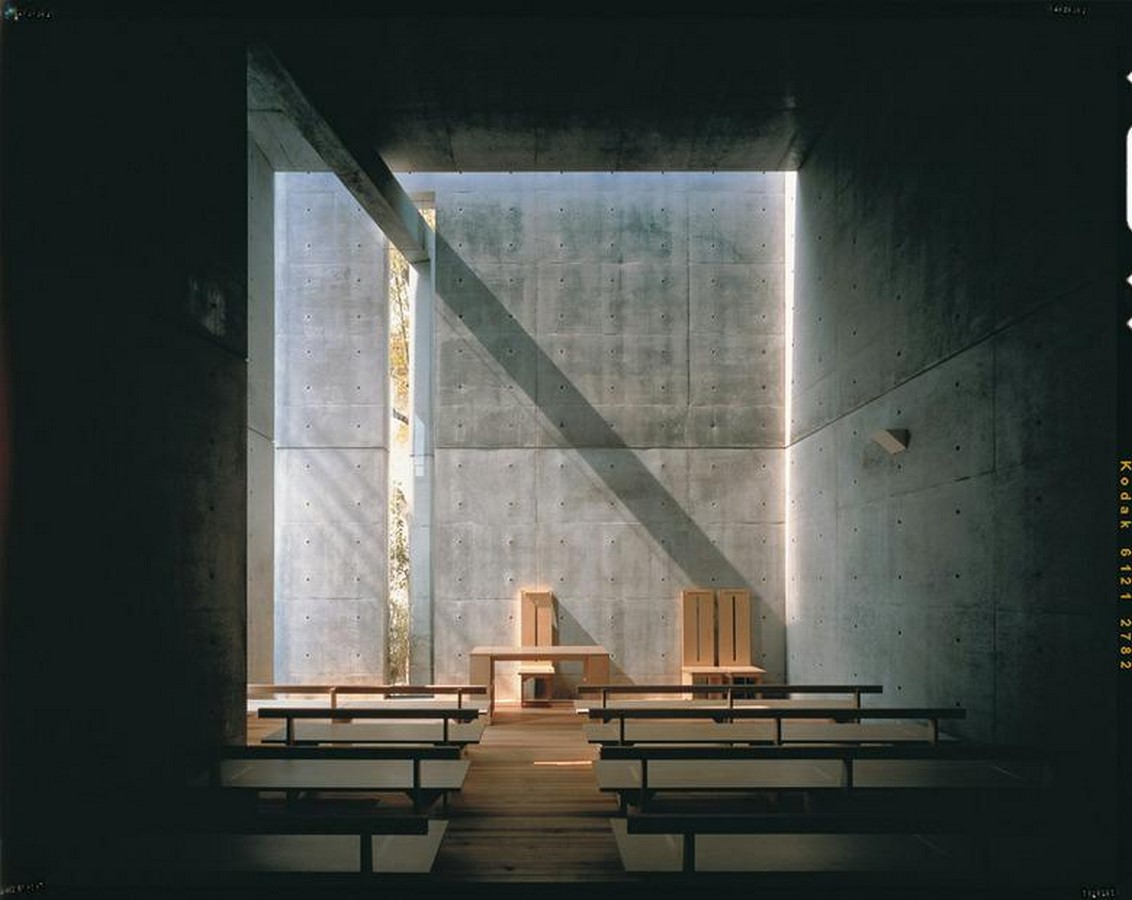
There is an emphasis on introspection and harmony in Ando’s philosophy. His minimalistic designs eliminate the unnecessary, on to the essential. This approach is similar to Zen, and the idea that simplicity and mindfulness can lead to great human experiences.
Zaha Hadid: The Visionary of Parametric Design
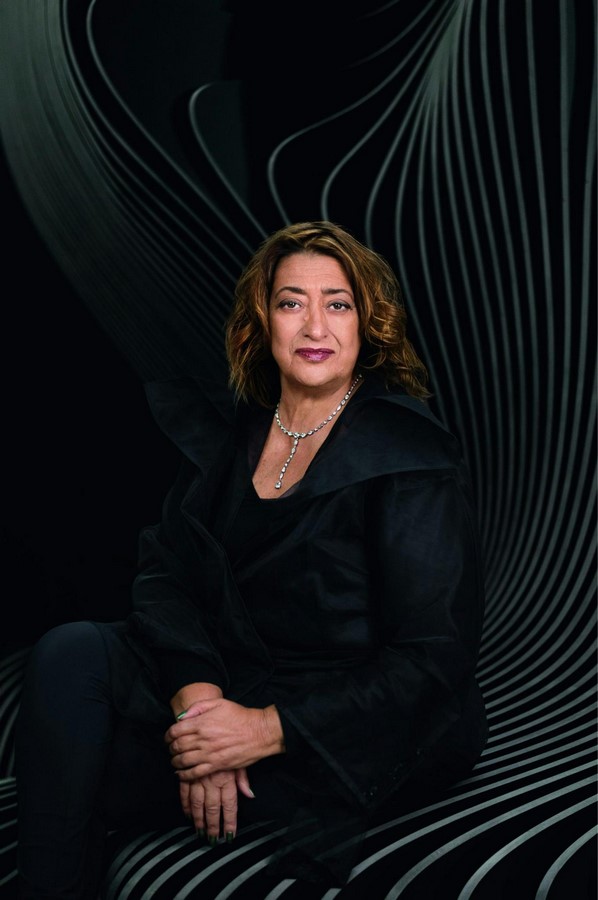
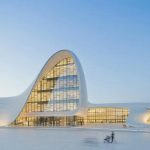
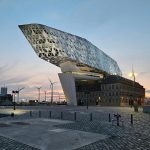
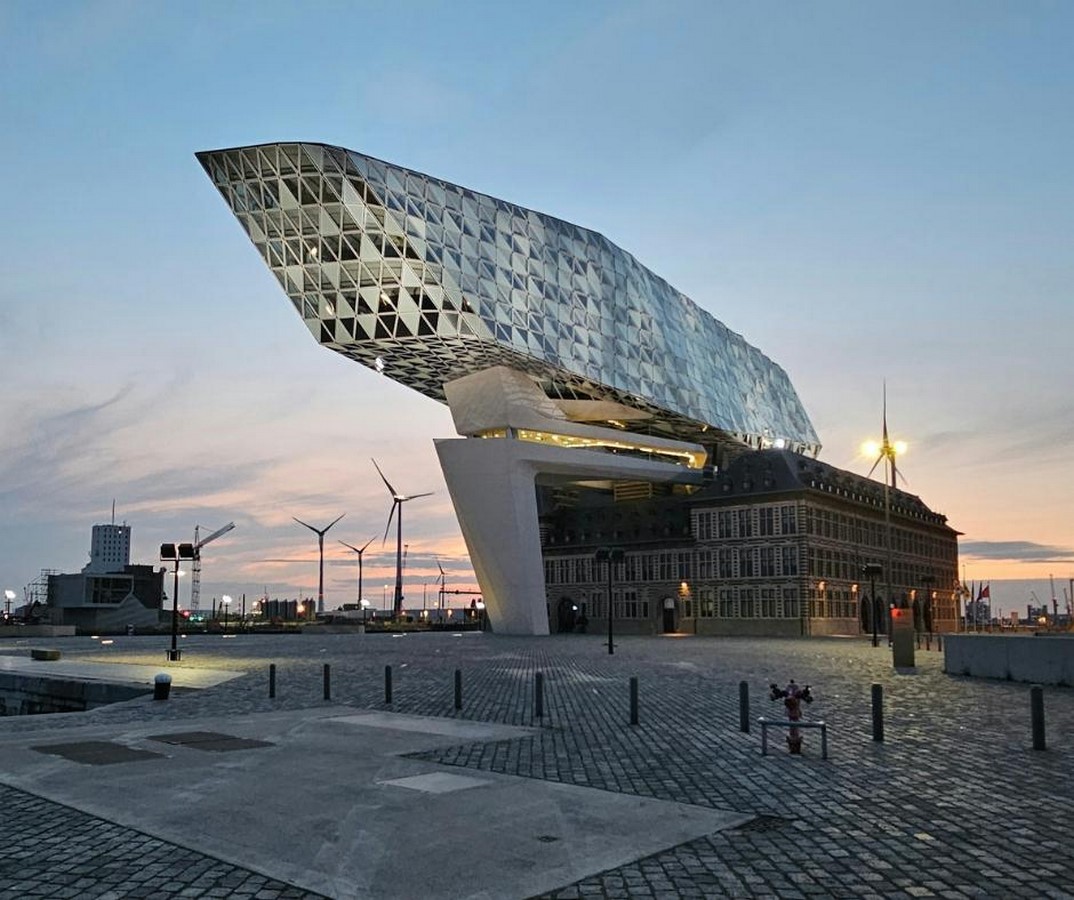
Zaha Hadid, also known as the ‘Queen of the Curve,’ transformed architecture with her innovative application of parametric design. Structures like the Heydar Aliyev Center in Azerbaijan, break with conventional geometries, showing where the limits of structure and beauty might lie. They are not just buildings; they are sculptures that challenge our perceptions and spark the imagination. Such futuristic visions as her reflections of a mind that is always questioning and reimaging the relationship between space, movement, and form.
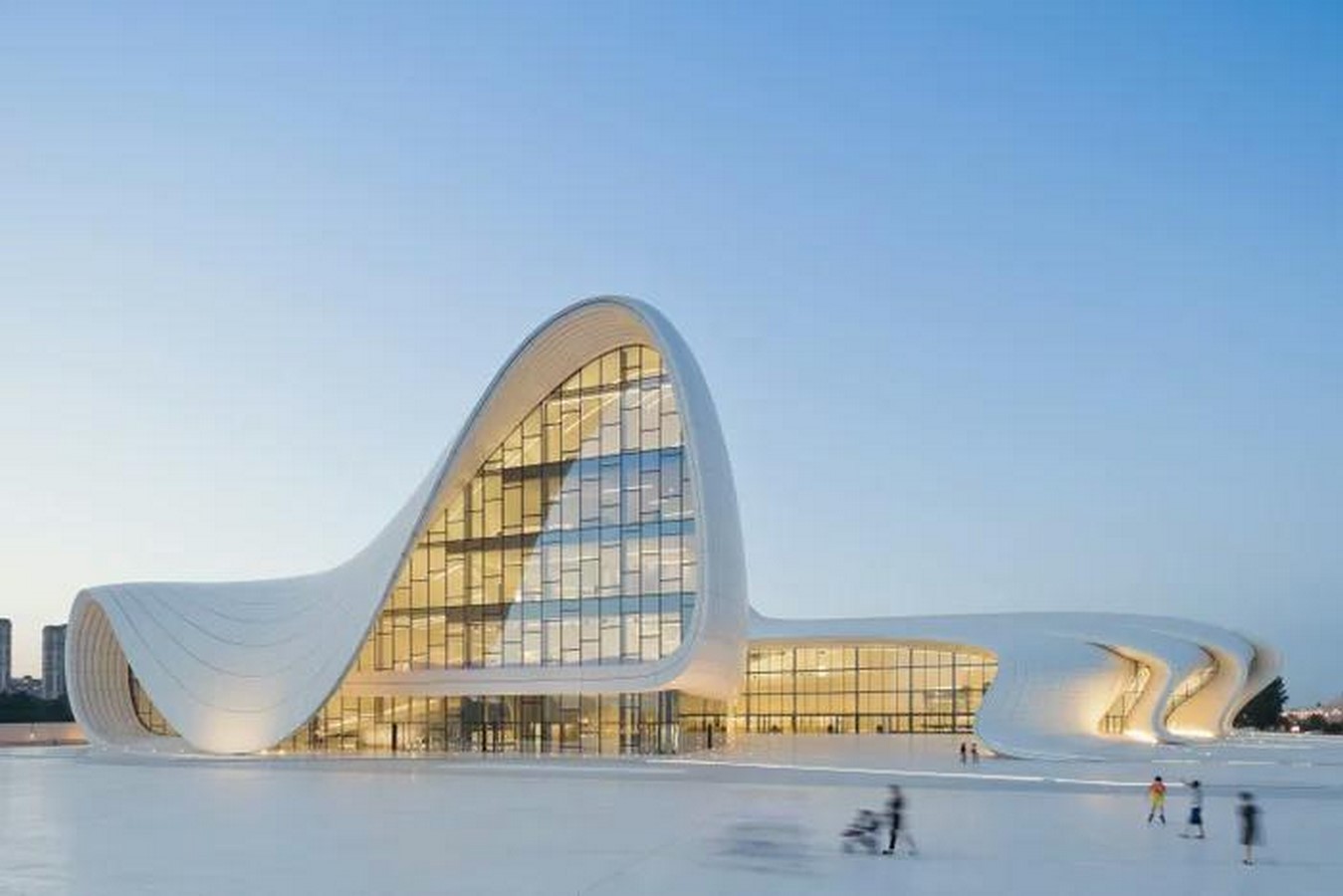
A worldview of perpetual evolution and boldness is embodied in Hadid’s designs. This is why she has adopted advanced computational techniques — she believes technology should be a means of unleashing creativity. This is what her work says is possible for the future: innovation and artistry, seamlessly integrated.
Antoni Gaudí: The Master of Organic Architecture
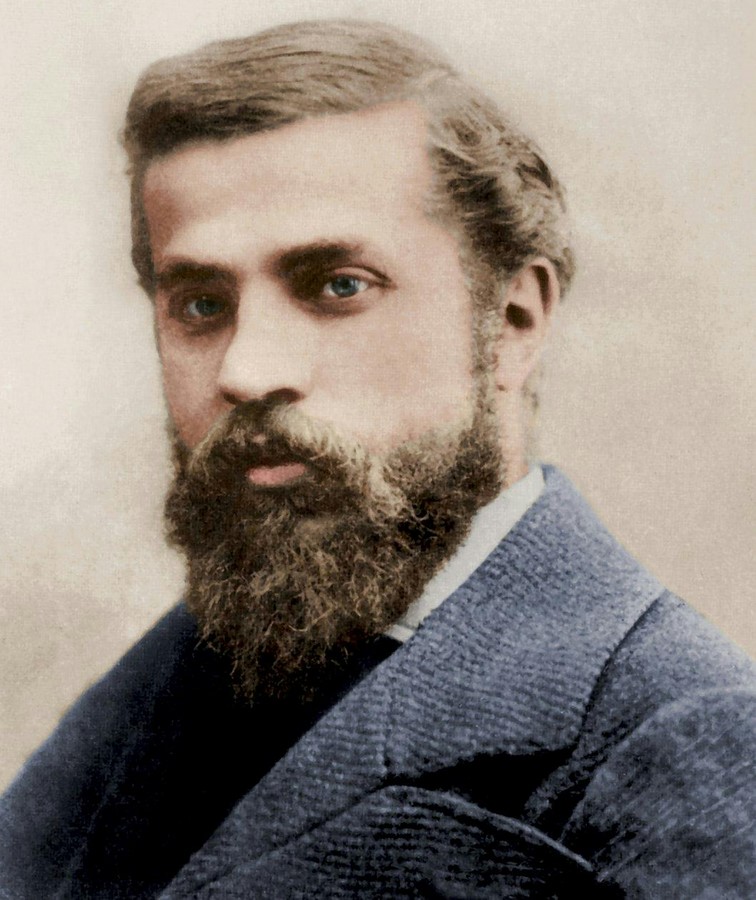
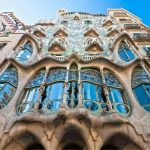
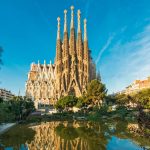
Antoni Gaudí, the Catalan architect, who co-created masterpieces such as the Sagrada Família, is the embodiment of the synergy of art, nature, and spirituality. Gaudí’s designs are characterized by the presence of intricate details, biomorphic forms, and an almost mystical connection to nature. His approach was deeply influenced by his strong faith and by natural patterns—spirals, waves, and fractals—which he included in his structures.
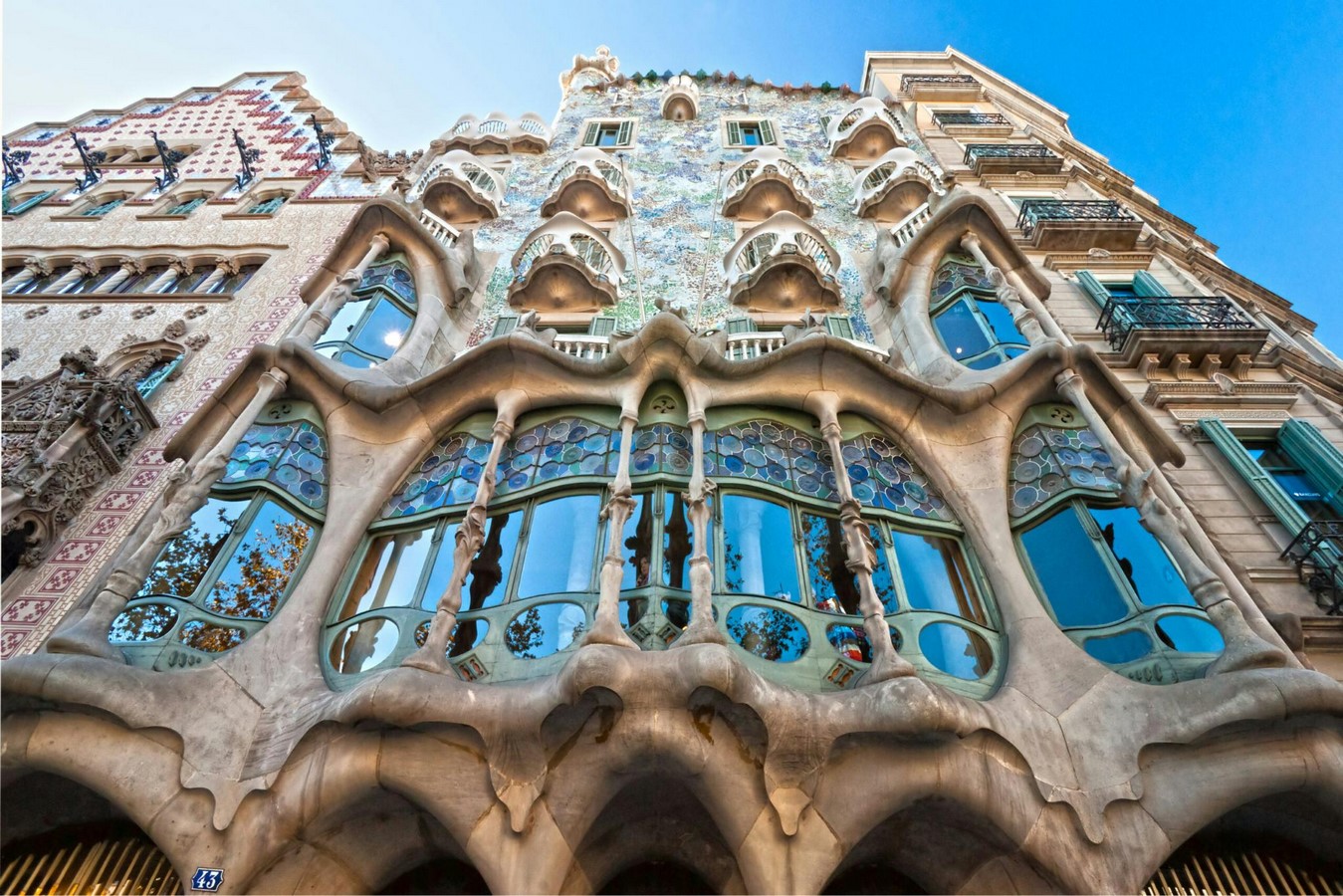
https://www.singulart.com/en/blog/2023/11/20/antoni-gaudi-iconic-artworks/
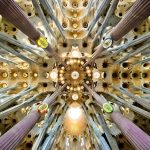
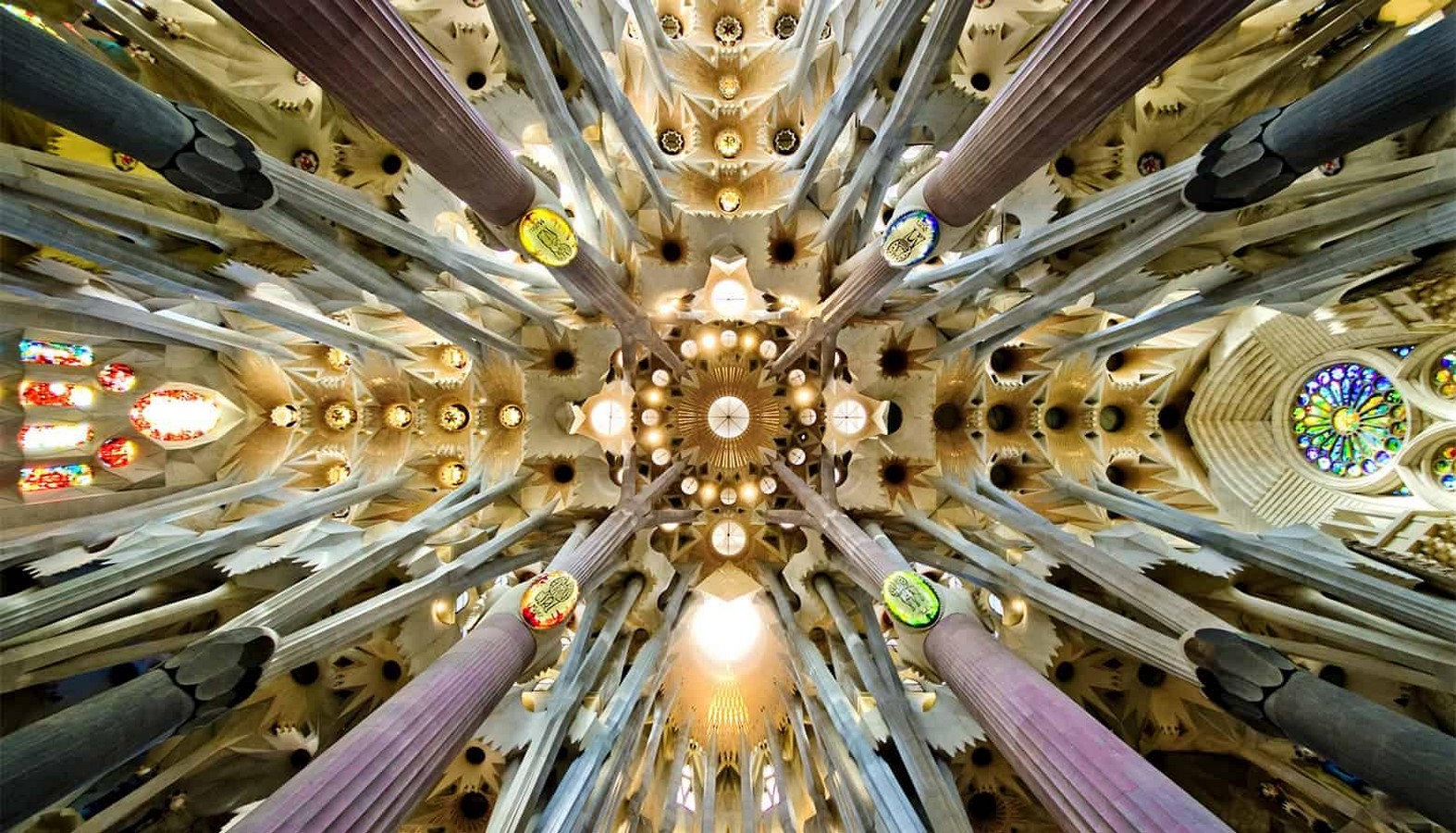
The Sagrada Família, still under construction, is his vision. The towering basilica, with its forest-like interior columns and its kaleidoscopic stained glass, is meant to be awe-inspiring and an invitation to introspection. Gaudí’s work shows how architecture can be something more than just a way to provide a function, and instead be a spiritual journey, between the earthly and the divine. His organic forms and innovative engineering solutions, such as catenary arches, were centuries ahead of their time, and still manage to blend aesthetics with functionality in a way that inspires.
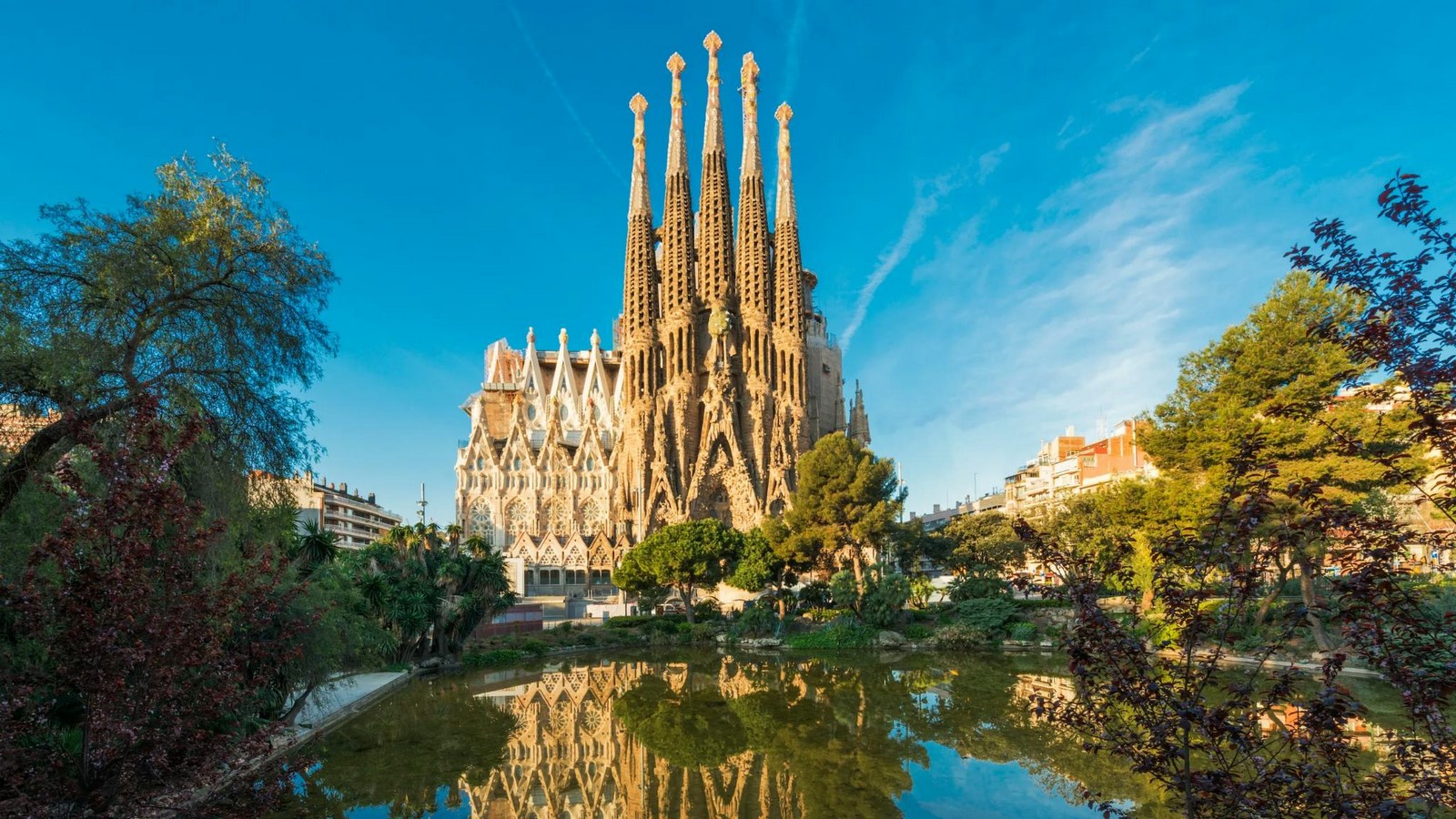
Gaudí’s designs are those of a worldview that is deeply organic and natural. This is a perspective in which the divine is present in the natural world and in which architecture is there to be celebrated for that connection.
Philosophical Insights into Architectural Vision
From the flowing curves of Niemeyer to the meditative spaces of Ando, the futuristic forms of Hadid, and the organic marvels of Gaudí, we see a philosophical depth of architects. These are people who don’t see the world as a fixed system, but rather as a flow of forces — cultural, natural, emotional. Their designs are a picture of what they think existence should be like, and they do it with a sense of respect for the tangible and the intangible.
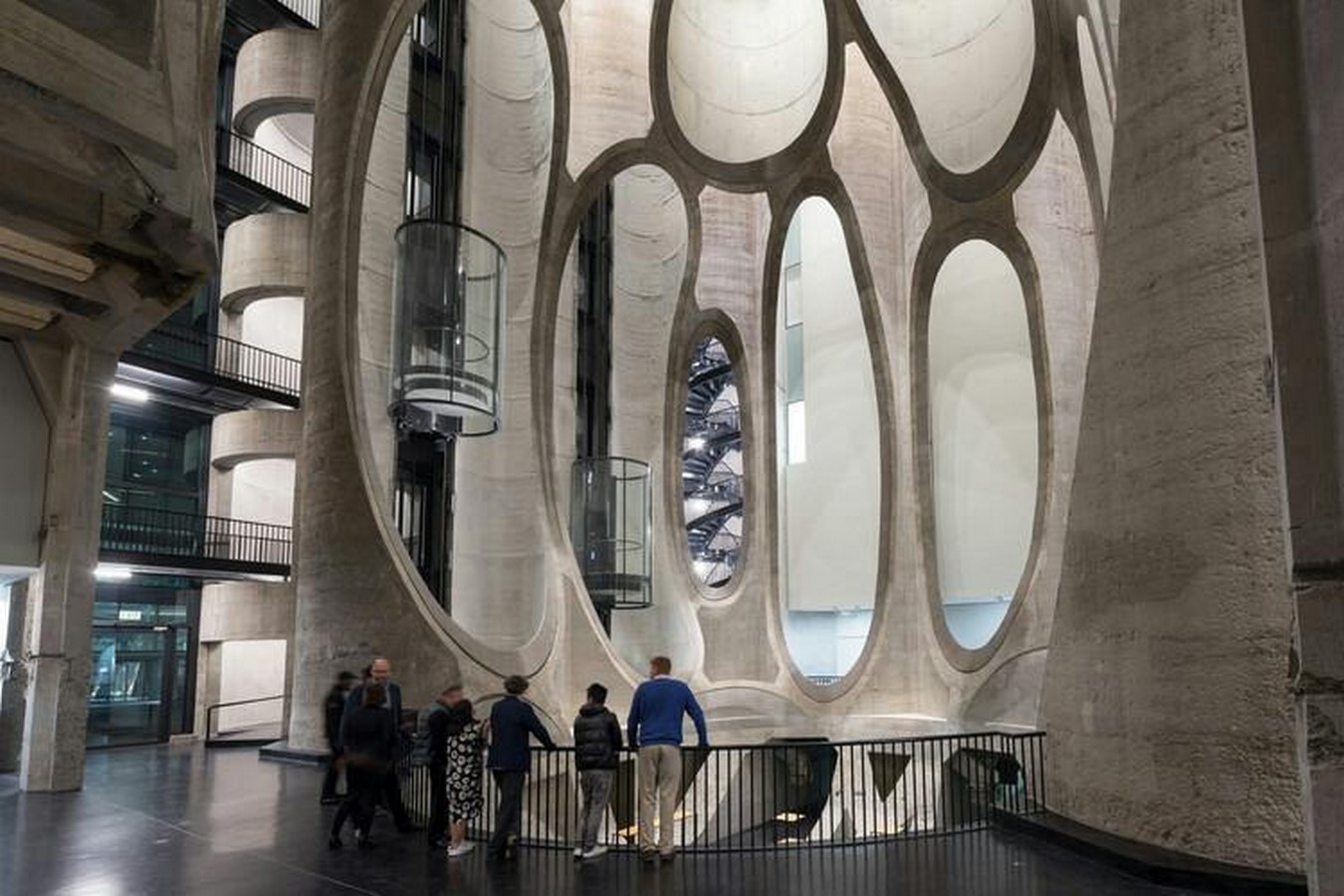
Most of the time, architects are in between, trying to mediate between humanity and the environment. They take the chaos of the world and its systems and processes and turn it into forms of order and meaning, suggesting that space is not just a background but a play act in human activity. Through their work, architects express their ideas of harmony, innovation, and connection, and what they think is the philosophy of life.
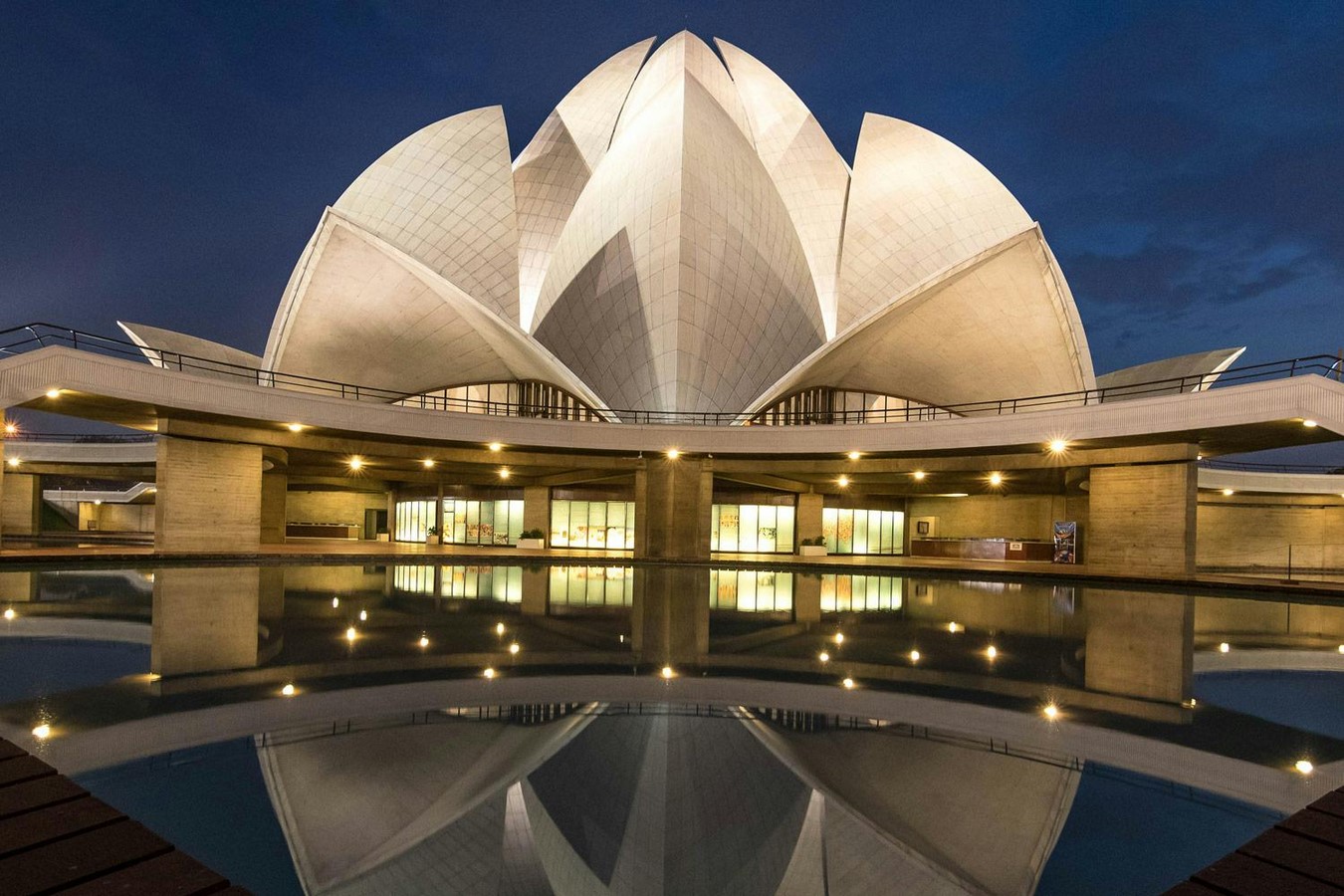
Looking at architects through their designs offers a window into their souls. It shows their values, aspirations, and what they believe the world should be like. From Niemeyer’s sensual curves to Ando’s meditative spaces, Hadid’s dynamic forms, and Gaudí’s organic marvels, architecture becomes less of a profession and more of a form of storytelling, a way to shape and understand the human experience, one structure at a time. To understand an architect is to understand their vision of the world.
References:
- Niemeyer, O., 1996. The Curves of Time: The Memoirs of Oscar Niemeyer. Phaidon Press.
- Ando, T., 1991. Tadao Ando: Complete Works. Phaidon Press.
- Hadid, Z., 2006. Zaha Hadid: Complete Works. Thames & Hudson.
- Burry, M., 2007. Gaudí Unseen: The Study of His Work. Thames & Hudson.
- Gifford, R., 2014. Environmental Psychology: Principles and Practice. Optimal Books.
- Frampton, K., 1992. Modern Architecture: A Critical History. Thames & Hudson.
- Slessor, C., 2001. Eco-Tech: Sustainable Architecture and High Technology. Thames & Hudson.
- Rybczynski, W., 2001. The Look of Architecture. Oxford University Press.