Architecture has always been more than mere structures; it reflects culture, philosophy, and the spiritual ideals of its time. The architecture that is influenced by Sufism, the mystical branch of Islam, is the most significant manifestation of this interaction. Imagine walking through spaces where every element, from the gentle play of light to the rhythmic repetition of geometric patterns, whispers stories of divine love and unity.
From the poetic intricacy of the Alhambra’s arabesques in Spain to the grandeur of the Ottoman mosques in Turkey, Sufi ideals have shaped some of the most breathtaking architectural marvels in history. In India, the spiritual legacy of Sufism manifests in the serene Khanqahs of Kashmir and the revered Sufi shrines of Delhi, where architecture becomes an invitation to introspection and supremacy.
This article unwinds how the mystical principles of Sufism have transformed architecture into a medium of divine expression. With a focus on Moorish and Ottoman traditions and the spiritual landmarks of India, discover how Sufism in architecture continues to inspire awe, devotion, and a sense of belonging.
Sufism and Architectural Philosophy
Sufism is a mystical branch of Islam which deeply influences the architectural philosophy knitting together the spiritual and aesthetic dimensions. It focuses on the concept of divine unity that is reflected in the architectural forms that represent the cosmic phenomena and the relationship between the spiritual and material realms highlighting the idea of divine unity. The Sufi influenced architecture exhibits geometric patterns and circular designs which represents the fact that everything is connected. For instance, the court of the Lions in the Alhambra exhibit how spatial organisation and intricate geometry convey a sense of harmony and balance resonating with Sufi perspective.

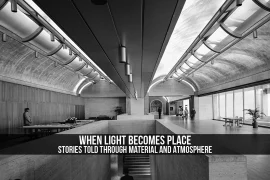
Light plays a crucial role in Sufi architecture that symbolizes the divine presence and wisdom. The use of light and shadow in sacred spaces not only enhances their beauty but also serves to evoke a spiritual experience for the observer. This architectural approach hones a transcendent environment where individuals can connect with the divine essence, illustrating how Sufism shapes not just the physical space but also the spiritual journey of its inhabitants. Ultimately, Sufi architecture embodies a holistic vision that merges aesthetics with profound metaphysical meaning.
Moorish Architecture: influence of Sufism

Moorish architecture which is characterized by intricate geometric patterns and organic forms, it reflects the profound influence of Sufism. For instance, the Great Mosque of Kairouan in Tunisia, which exemplifies Sufi principles through its design. The mosque’s layout encourages contemplation and spiritual connection, aligning with the Sufi belief in the importance of inner reflection and unity with the divine.

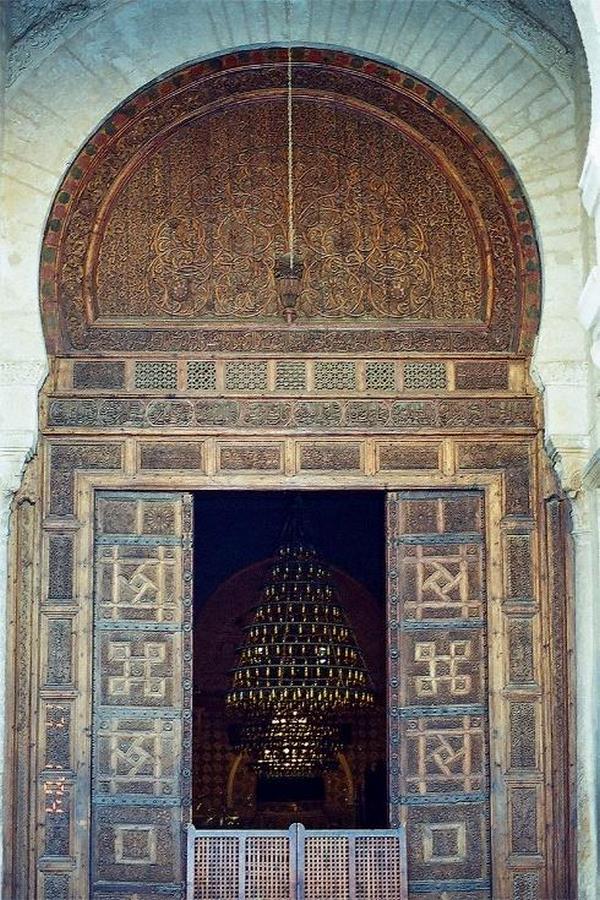
The architectural elements, such as the use of light and shadow, create a transcendent atmosphere that invites worshippers to engage with their spirituality on a deeper level. Moreover, Sufism’s aversion to figurative representation led to the flourishing of ornamental motifs and calligraphy, which serve as visual expressions of divine beauty. This emphasis on abstraction in design not only enhances the aesthetic experience but also symbolizes the Sufi journey towards enlightenment.
Ottoman Architecture: Magnificence with a Spiritual Core
The magnificence of ottoman architecture not only lies in its monumental scale but also in its connection to its Sufi ideals. The Structures such as Süleymaniye Mosque in Istanbul and Rumi’s Mausoleum in Konya stand as testaments to the Ottoman Empire’s mastery of integrating spirituality into design.

Domes, a hallmark of Ottoman architecture, symbolise the heavens, drawing the gaze upward in a silent reminder of divine omnipresence. The interiors are decorated with calligraphy verses from the Qur’an. Khanqahs or Sufi lodges, attached to mosques serve as spaces for meditation, prayer, and community gatherings. These structures reflect a balance between the grand and the intimate, creating spaces that nurture spiritual connection while inspiring awe.

For contemporary architects inspired by these traditions, Ottoman designs serve as a reminder that grandeur need not sacrifice depth. Instead, it can amplify the spiritual essence of a space, fostering both individual reflection and communal unity.
Sufi Influence in Indian Architecture
Kashmir: Khanqahs and the Mysticism of the Valley
In the calm valleys of Kashmir, where spirituality blends seamlessly with natural beauty, the influence of Sufism in architecture is profound. The Khanqah-e-Moula, located in the heart of Srinagar stands as a testament. Built using locally sourced wood this iconic structure features intricate jalis, floral carvings, and inscriptions that symbolizes both Islamic and Kashmiri vernacular traditions.

Far from being solely a place of worship, khanqahs are centres of spiritual reflection and communal learning. Devotees gather here to meditate, chant, and immerse themselves in the teachings of Sufism. The quiet elegance of these khanqahs is not only an architectural marvel but also a reflection of sustainable and culturally rooted design practices. Their continued relevance speaks to the importance of preserving vernacular traditions in the modern era, resonating with contemporary principles of architectural sustainability.
Delhi: Sufi Shrines as Sanctuaries in the Urban Landscape

Unlike the tranquil valleys of Kashmir, the cosmopolitan city of Delhi has some of the biggest names among Sufi shrines in India, offering people peace in chaos. The most famous is the Hazrat Nizamuddin Dargah which is celebrated as a spiritual and cultural centre. The chhatris (domed pavilions), tranquil courtyards and carefully orchestrated water elements create a soothing space made for contemplation.

More than places of worship, these mosques are cultural melting pots, bringing together people of different origins. The dargah is a perfect example of how Sufism in architecture transcends the divides, bringing a sense of belonging and community. Integrating sacred spaces in the urban fabric is not just about preserving cultural narratives mean but also the dream under which modern leaders do homage to. The Hazrat Nizamuddin Dargah’s enduring relevance underscores the timeless nature of Sufi principles, which continue to shape architecture in ways that resonate deeply with both tradition and innovation.
Contemporary Resonances: Reviving Sufi Ideals in Modern Design
Sufi elements recontextualizing the architectural narrative The New Age Architecture As opposed to using traditional architectural forms to imitate, architectural design today wears a new complexion that imbibes Sufi underpinnings whilst layering a meaning and essence beyond imitation. Light-infused spaces, rich textures, and a tendency to fuse nature emulate the enduring principles of Sufism in architecture.
Diplomacy and neutrality are other goals that architects as Hassan Fathy were able to implement in the contemporary designs, but only after transforming them to meet the requirements of our contemporary era, while maintaining their original spiritual essence. Demonstrating how the ideals of balance and contemplation found in Sufism can contribute to sustainable architecture, Sufi and Egyptian architect Hassan Fathy Middle Eastern Fathy’s work embodies vernacular techniques and materials.
These principles provide context for design, enabling potential architects to create culturally anchored yet innovative designs. The blending of traditional Sufi aesthetics with modern functionality not only addresses contemporary challenges but also honours the legacy of an architectural philosophy that has inspired awe and reflection for centuries.
It is what the rise of Sufism in architecture brought: deepening the designs into spirituality through time and space. From the khanqahs of Kashmir to the dargahs of Delhi, these structures show how architecture can connect the earthly and the divine.
The relevance of Sufi inspired architecture for contemporary architects lies in the behind making spaces which balance tradition and modernity. These principles are still being inspired by and resulting from the intersection of cultural narratives, sustainability and innovative design.
References:
Saif Khawaja. (n.d.). Sufi Arch Summary. [online] Available at: https://www.saifkhawaja.com/sufi-arch-summary.
The MENA Chronicle | Fanack. (2022). Sufi Architecture in Turkey: An Eternal Pursuit of Oneness with God. [online] Available at: https://fanack.com/turkey/culture-of-turkey/sufi-architecture-in-turkey-an-eternal-pursuit-of-oneness-with-god/ [Accessed 20 Dec. 2024].
Suhail, M., Mahdi Alkilidar and Alkhafaji, S. jabbar (2020). The Effect of Sufi and Mystic Thoughts on Islamic Architectural Heritage. TEST ENGINEERING AND MANAGEMENT, [online] 83(March- April 2020), pp.14952–14964. Available at: https://www.researchgate.net/publication/342134678_The_Effect_of_Sufi_and_Mystic_Thoughts_on_Islamic_Architectural_Heritage [Accessed 20 Dec. 2024].
Chaouki, M. and Chaouki, M. (2022). The Sufism Interpretation of the World System in Architecture and Fine Arts – Al Tashkeel. [online] Al Tashkeel. Available at: https://altashkeel.ae/the-sufism-interpretation-of-the-world-system-in-architecture-and-fine-arts%EF%BF%BC/.