

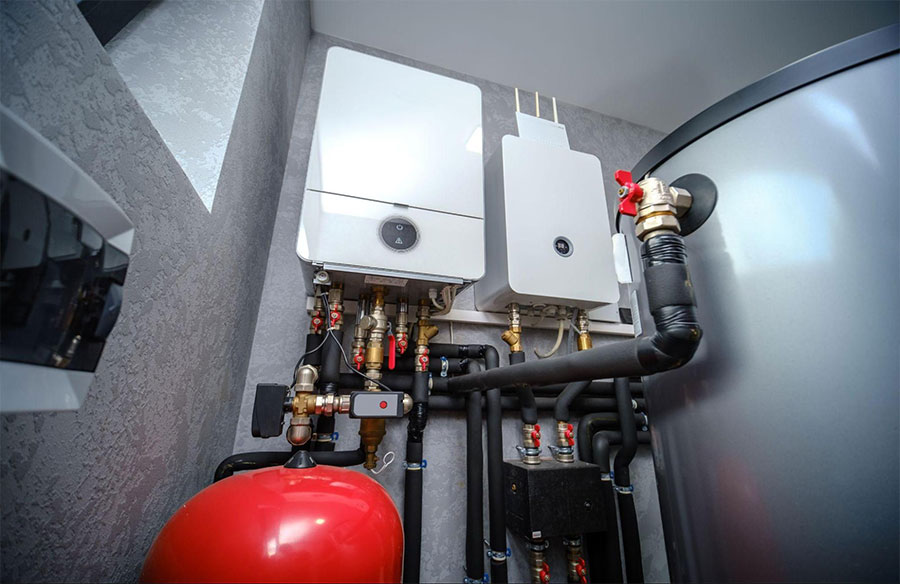
A well-maintained boiler can offer dependable heat and hot water for years, making it a worthwhile investment for your home. However, without adequate maintenance, even the most powerful boilers can develop problems that require costly repairs or early replacement. Regular maintenance is critical to ensuring that your boiler runs properly and lasts as long as feasible. Fortunately, keeping your boiler in good shape does not have to be complicated. Here are some simple methods for continuous boiler maintenance that will extend its life and keep your home comfortable throughout the seasons. You may visit Allstar Systems for more details.
Schedule an annual service
The most crucial step in preserving your boiler is to get it serviced annually by a certified professional. During a service, the technician will examine the entire system, clean the components, and look for any potential problems. This proactive strategy can prevent minor issues from becoming big repairs. Regular maintenance also ensures that your boiler runs efficiently, lowering energy usage and increasing its lifespan. Most manufacturers advocate regular servicing, which is typically required to keep your boiler under warranty.
Check and maintain your water pressure
Water pressure is an important factor in the operation of your boiler. Low or high pressure might eventually cause inefficiency or harm. The optimal pressure is usually between 1 and 1.5 bars, but this might vary depending on the boiler model. If you find your pressure lowering, you can usually top it up manually using the filling loop, which is a straightforward method described in your boiler’s manual. If the pressure difficulties persist, it’s recommended to consult an expert to look for leaks or other underlying issues.
Keep the boiler area clean and unobstructed
Proper airflow and ventilation are necessary for your boiler to operate efficiently. Ensure that the area surrounding the boiler is clear of dust, grime, and obstacles. Clean the area on a regular basis to prevent dirt from accumulating inside the boiler, which might reduce its efficacy. Avoid storing cleaning materials, boxes, or furniture near the boiler since they can clog vents and restrict airflow, potentially resulting in overheating or mechanical breakdown.
Inspect the ventilation and flue of the boiler
The flue is an important component of your boiler because it removes dangerous gases like carbon monoxide from your home. Check the flue for any blockages, such as bird nests, leaves, or other debris. A clogged flue can produce harmful conditions, such as carbon monoxide buildup; thus, it is critical to have it inspected on a regular basis. If you don’t know how to check it, a certified technician can do it at the annual service.
Inspect the boiler controls and thermostat
The thermostat and controls are essential for regulating the temperature in your home and ensuring that your boiler only runs when needed. These components may become unresponsive or inaccurate over time. To keep your thermostat functioning properly, test it on a regular basis. You should also check that your boiler’s timer and settings are working, especially if you notice any variations in temperature or heating schedules.
Keep an eye out for any unusual noises
Strange noises from your boiler, such as banging, whistling, or gurgling, may signal underlying problems, such as air in the system, low water pressure, or limescale buildup. Some noises are natural, but frequent or loud noises may indicate that something is amiss. Pay attention to any unexpected sounds and, if required, have a professional inspect your boiler to prevent further damage.
Replace components as needed
Over time, certain boiler components, such as the pump, valves, or heat exchanger, may wear out. Replacing worn-out components before they fail fully will save you from larger, more costly repairs later on. If you observe any diminished efficiency or performance, you should have a specialist evaluate the system and replace any damaged parts as soon as possible.
Learn about when to replace your boiler
Even with regular maintenance, all boilers have a limited lifespan, usually approximately 10–15 years. If your boiler is nearing the end of its life cycle and you’re having frequent malfunctions or rising energy bills, it may be time to consider replacing it with a more energy-efficient model. A new boiler can save you money in the long run by lowering energy usage and decreasing the need for expensive repairs.
Maximising the lifespan of your boiler needs regular maintenance and attention, but the results are well worth the effort. You can help your boiler work efficiently for many years by scheduling regular maintenance, maintaining ideal water pressure, keeping the area clean, and responding quickly to small difficulties. This not only saves you money on energy bills, but it also keeps your home warm and cosy even during the coldest months. With little routine maintenance, your boiler will be able to serve your home consistently, season after season.







