What composes sustainable architecture? At its core, sustainable architecture is a thoughtful blend of design, materials, and technology aiming to reduce environmental impact while creating healthy, resilient spaces. The implementation of this design strategy not only improves the quality of life but also gives environmental benefits.
Through methods such as energy-efficient planning, the use of eco-friendly materials, integration of natural elements, and smart solutions, sustainable architecture works to conserve resources and promote harmony with nature.
This article looks at different traditional and innovative approaches that can help build a greener future.

Energy Efficiency
First and foremost, how a building is designed significantly impacts its energy efficiency. And energy efficiency is fundamental to sustainable architecture, optimising energy use while minimising waste. Passive design strategies, such as building orientation, shape, and surrounding landscape, play a crucial role in maximizing natural heating, cooling, and lighting. This approach is a great example of sustainable architecture as it not only cuts the building’s operational costs but also reduces fuel consumption thereby reducing greenhouse gas emissions.

Key considerations for energy-efficient buildings include:
- Renewable Energy Sources – solar, wind, and geothermal options provide clean energy and support energy independence;
- Water Management – features like rainwater harvesting and water recycling systems enhance efficiency and reduce resource strain;
- Ventilation and Insulation – ventilation with heat recovery and climate-appropriate insulation maintain comfort while minimizing energy loss;
- Smart Systems and Efficient Appliances – automated lighting, heating, and cooling systems adapt to occupancy and natural light, while low-energy appliances reduce overall energy consumption.
Sustainable Materials
Another key factor in sustainable design is the choice of materials. Sustainable materials are typically renewable, low-impact, and often locally sourced. They can be classified into natural raw materials and natural materials that require some processing.
Natural Raw Materials
These come directly from nature and offer high durability as well as aesthetic appeal. Examples of such materials include:
- Bamboo – an exceptionally strong and flexible material, known for its rapid growth rate, making it highly renewable;
- Stone – valued for its durability and versatility, suitable for structural and decorative purposes;
- Cork – lightweight, resilient, and excellent as a sound and thermal insulator;
- Terracotta – clay-based material with natural thermal properties, often used in tiles or wall finishes;
- Sheep’s wool – a natural insulator that is breathable and moisture-regulating, ideal for cold climates.

Processed Natural Materials
Sustainable materials also include natural materials that require some sort of processing to improve their performance or make them suitable for use in construction. Examples include:
- Timber – renewable, strong, and can sequester carbon (in some cases, untreated timber can also be used as a raw material);
- Clay Bricks (unfired and fired) – versatile and durable, used in many traditional and modern constructions;
- Cob – a mix of clay, sand, and straw, known for thermal mass and insulation;
- Rammed Earth – compressed soil walls that provide excellent thermal mass;
- Terrazzo – made from recycled stone or glass, ideal for flooring with a polished finish;
- Mycelium – a mushroom-based material, lightweight and biodegradable, ideal for insulation with water-resistant and fire-resistant properties;
- Hempcrete – a mix of hemp and lime, provides strong insulation and is highly sustainable.

Circular Economy
In addition to natural sustainable materials, post-consumer materials also play a key role in sustainable construction. These can be obtained from recycling processes (eg. recycled plastic to create new materials), or reclaimed, salvaging existing materials or building components. This circular economy approach serves as an effective alternative to traditional materials, reducing the environmental impact of construction while promoting sustainability. One pioneering company in this field is RotorDC, based in Brussels, which specializes in reclaiming and repurposing building components from the built environment. RotorDC provides a reuse assessment of an existing building; establishes reuse strategies; sets reuse targets and evaluation tools; investigates suitable reclaimed elements; writes down bespoke specs and reuse strategies; and involves in the design process to maximise the integration of reclaimed construction elements (RotorDC, n.d.).
Commonly reclaimed materials include:
- Wood
- Steel
- Bricks
- Glass
- Roofing Materials
- Tiles and Flooring
- Doors and Windows
- Fixtures and Fittings

However, the circular economy extends beyond materials and products – it also involves repurposing, for instance, shipping containers, or reusing entire buildings. Repurposing abandoned structures reduces the need for demolition and new construction, significantly lowering environmental impact. It is however crucial to assess the structural integrity of the disused buildings to determine any necessary adjustments for safe repurposing and use.

Biophilic Design
Biophilic design, another component representing sustainable architecture, integrates natural elements into the built environment, creating spaces that foster a strong connection between nature and people, enhancing their well-being. This design approach often uses elements such as natural light, vegetation, organic forms, and water features.
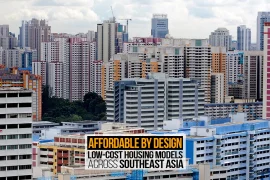
Green roofs, living walls, and pocket parks are popular biophilic features that support sustainable architecture by adding biodiversity to urban spaces. These green elements not only enhance visual appeal but also support sustainability goals, improving air quality, reducing indoor temperatures, and lowering energy demands by decreasing reliance on artificial cooling systems in tropical climates. Singapore, for instance, has pioneered this approach, incorporating green roofs and hanging gardens in high-rise buildings, which resulted in reducing the effects of urban heat island. Moreover, the city’s extensive network of green pathways also reinforces this sustainable vision, connecting parks and green spaces to create a healthier, resilient urban ecosystem (biophilic cities.org, n.d.).

Innovations and Smart Technology
Finally, the constant development of technologies transforms the construction landscape, allowing for more efficient and sustainable methods and materials. Such an example is the modular constructions and prefabrications that enable high-performance materials to be manufactured off-site and swiftly assembled on-site. This method reduces labour demands, cuts greenhouse gas emissions, and significantly lowers material waste as opposed to traditional construction. Another example is the 3D-printing technology, facilitating on-demand building components with precision, reduced labour and minimal waste, contributing to a more eco-friendly approach to building.

And once the structure is built, smart building technologies make it easier to control the building’s performance and sustainable operation. Smart thermostats, automated lighting, and HVAC (heating, ventilation, air conditioning) systems regulate interior conditions in real-time based on occupancy as well as weather, optimising energy use while enhancing comfort. Smart grids can further integrate renewable energy sources, ensuring efficient distribution and consumption throughout the building, whereas other intelligent materials—such as electrochromic windows, which adjust transparency based on sunlight—offer adaptive solutions to reduce heating and cooling needs.
Together, these innovative methods and smart technologies offer a forward-looking approach to construction and building management, emphasizing sustainability, efficiency, and adaptability while aligning with the goals of sustainable architecture. And in the future, the incorporation of AI may further enhance these innovations by optimizing building processes and energy management, promising an even greener future.
Reference list:
batterseapowerstation.co.uk (n.d.). Battersea Power Station [online]. Available from: https://batterseapowerstation.co.uk [Accessed date: 26 October 2024].
biophiliccities.org (n.d.). Singapore [online]. Available from: https://www.biophiliccities.org/singapore [Accessed date: 26 October 2024].
Chiangmai Life Architects & Construction (n.d.). Panyaden International School [online]. Available from: https://www.bamboo-earth-architecture-construction.com/portfolio/panyaden-international-school/ [Accessed date: 26 October 2024].
Guzowski, M. (2010). Towards Zero-energy Architecture: New Solar Design. Laurence King Publishing.
iconbuild (n.d.). House Zero [online]. Available from: https://www.iconbuild.com/projects/house-zero [Accessed date: 26 October 2024].
rotordc.com (n.d.). RotorDC [online]. Available from: https://rotordc.com [Accessed date: 26 October 2024].
ZEST Architecture (n.d.). Rammed Earth House [online]. Available from: https://www.zestarchitecture.com/projects-item/rammed-earth-house/ [Accessed date: 26 October 2024].