

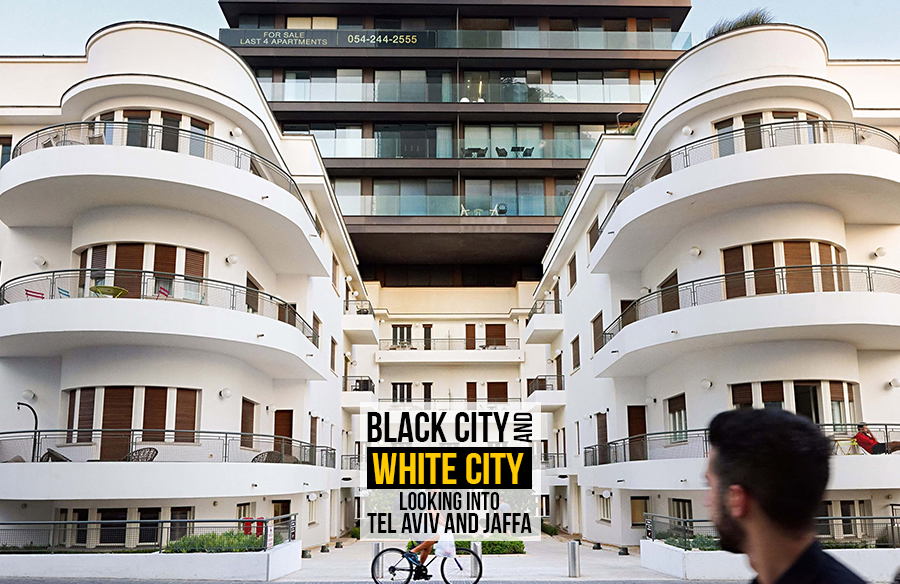
Tel Aviv, a city situated just a few kilometres from the picturesque Mediterranean coast, has evolved into a bustling economic hub and a symbol of modernity in Israel. With its diverse population encompassing individuals from different religious backgrounds, including Jews, Arabs, Muslims, and international residents, the city embodies a unique blend of cultural influences. However, when examining the built environment of Tel Aviv, it becomes apparent that certain standards and architectural choices have unintentionally led to a disparity in the perceived value and importance of its residents compared to those in neighbouring areas such as Jaffa and Menshiyeh. Therefore, Tel Aviv serves as a perfect case study to understand the role of the built environment on society and the standards it is composed of.
White City
Tel Aviv has been given the moniker ‘White City’ purely due to the style of Architecture noticed in the city. This distinctive style, known as Bauhaus architecture, has left an indelible mark on Tel Aviv’s urban landscape. The city boasts approximately 4,000[1] buildings that showcase this iconic architectural approach. The proliferation of Bauhaus architecture in Tel Aviv can be attributed to significant historical events, particularly World War II and the rise of Hitler’s anti-Semitic ideologies. During the tumultuous years of Nazi Germany, the original Bauhaus school of architecture faced demolition. Fleeing the oppressive regime, many of the school’s teachers and students sought refuge in Tel Aviv, a predominantly Jewish state at the time. This influx of talented architects and designers greatly influenced the architectural landscape of the city. An important fact to note about this style of architecture is their predominant use of simple minimalistic designs. These characteristic attributes of the same caused all the buildings to have a similar façade where the white is the most prominently noticed.

Urban Planning
The development and urban planning of Tel Aviv have focused on creating an image of a progressive and cosmopolitan metropolis, with sleek high-rise buildings, well-designed public spaces, and modern infrastructure. This aesthetic emphasis has inadvertently contributed to a narrative that places Tel Aviv and its residents on a pedestal, portraying them as more valuable and essential than those living in the adjacent areas.
In recent years, the city authorities have launched a revitalization project which is essentially the concept of gentrification disguised as fancy words. With this, comes western concept slowly entering into a previously largely historic neighbourhood. western concepts like cafes that don’t resonate with the architecture of the surrounding built environment. This results in locals being moved out due to rising rents which are so exorbitant that they can’t afford it. These buildings then get renovated and put out for sale for the incoming migrants from the west at higher rates than the locals can afford. Tel Aviv is one of the top three most expensive cities in the world – after Singapore and New York.
Environment
Historically, Jaffa and Menshiyeh, now part of the broader Tel Aviv metropolitan area, have faced socio-economic challenges and have been marginalised to some extent. The architectural disparities between Tel Aviv and these areas reinforce the existing social divisions and inadvertently perpetuate an unequal perception of value. The physical separation and differences in architectural design convey a sense of distinction and create a visual hierarchy, indirectly suggesting that the residents of Tel Aviv are of greater importance or worth.

However, it is crucial to note that these disparities are not an intentional outcome but rather a reflection of the historical development patterns, urban planning decisions, and economic factors that have shaped Tel Aviv over time. Recognizing and addressing these disparities is essential to foster a more inclusive and equitable society, where all residents of the Tel Aviv metropolitan area are valued and have equal access to opportunities for growth and development.
Efforts are being made to bridge these gaps and promote a more integrated and cohesive urban fabric. Urban renewal projects, community initiatives, and cultural exchange programs aim to create a sense of unity and shared identity among residents, regardless of their geographical location within the city. By acknowledging the unintended consequences of the built environment and actively working towards greater inclusivity, Tel Aviv can evolve into a city that values and embraces the diversity and contributions of all its residents, irrespective of their neighbourhood or background.
In conclusion, Tel Aviv’s architectural evolution and urban planning have inadvertently highlighted social disparities between its neighbourhoods, reflecting a broader narrative of value and importance among its residents. While these divisions stem from historical and economic factors, efforts are being made to bridge the gaps and create a more inclusive urban environment. By recognizing and addressing these disparities, Tel Aviv can continue to evolve into a city that truly values and embraces the diversity and contributions of all its residents.
References:
Sharon Rotbard, White City Black City: Architecture and War in Tel Aviv and Jaffa, [trans. from Hebrew by Orit Gat, first published by Babel, Tel Aviv, 2005], London: Pluto Press, 2015
Nina S. Spiegel (2012) Constructing the city of Tel Aviv: urban space, physical culture and the natural and built environment, Rethinking History, 16:4, 497-516







