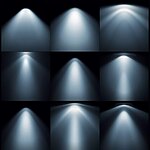
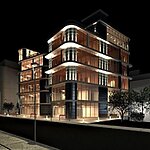
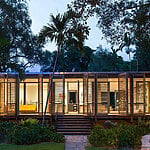
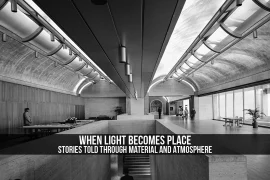
Photometry is an essential field that deals with the measurement of light. It examines various aspects of light, such as its coverage area, intensity, and where it is lost or cut off. By analyzing these factors, photometry can determine whether a lighting design meets the quantitative lighting needs of a project. Proper use of photometry can significantly improve user experience and lead to more energy-efficient lighting solutions. It gives property owners an idea of the required illumination for a given location. In short, photometry is a crucial tool for creating lighting designs that are visually appealing and meet the space’s functional requirements.
What is Photometric Study?
Photometric research is a critical step at the onset of a lighting project. While the cost may vary between $5,000 and $20,000, it is widely regarded as a wise investment that can ultimately lead to cost savings throughout the project. This research helps determine whether a location has sufficient lighting for architects and lighting designers. Photometric studies are indispensable in lighting design and planning for various building sites such as restaurants, retail stores, offices, and construction sites.

A photometric analysis evaluates the illumination level in a given area. Light intensity is measured in foot candles, with higher values indicating brighter lighting. Architects and light designers rely on virtual simulations that factor in the space and its layout. It lets lighting designers visualize lighting fixtures and decor, assessing the foot-candle levels across the ceiling.
Importance of analysis of photometric
- Equal distribution of light is ensured: Unequal light levels can cause eye strain and hot spots, causing discomfort. A lighting plan will provide an overcome with such issues.
- Local lighting codes are met: New buildings in several cities must follow a mandate for illumination standards.
- Road Map for Contractors: A well-thought-out lighting plan provides a clear implementation roadmap, preventing misunderstanding among builders or electricians.
- Ideal Light Fixtures: Various tasks call for particular lighting fixtures. Selecting the ideal fixtures to satisfy a property’s specific needs is made easier with the help of a photometric plan.
- Legal Issues avoided: Legal issues, including assaults and unintentional falls, might result from poorly lit areas. To counter such allegations, a photometric study is cited.
Facade Photometry
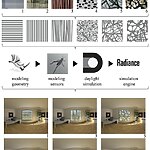
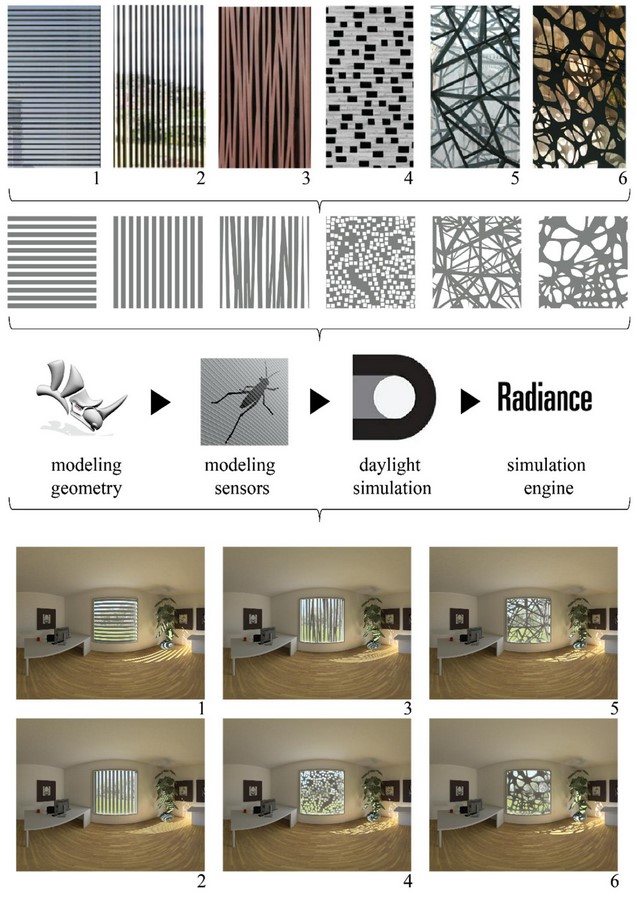
Adding natural light to rooms is not just a task but a comprehensive process that involves evaluating sunlight distribution, environmentally friendly design strategies, visual comfort, and ambience. Over time, lighting measurements have improved in identifying daylight distribution, but no metrics are linked to facade design interactions. It makes it challenging to optimize light transmission while achieving the highest levels of sustainability and human comfort. Research has developed a new method for assessing light penetration through facades called facade photometry to address this. By connecting the facade’s structure to its effect on light transmittance, facade photometry can inform local modifications and facade design to provide energy-efficient internal illumination that enhances the occupants’ experience.
Role of Photometric conversion in Architectural Lighting design
Photometric conversion is essential in architecture for several reasons, including the following:
- Design of Lighting:
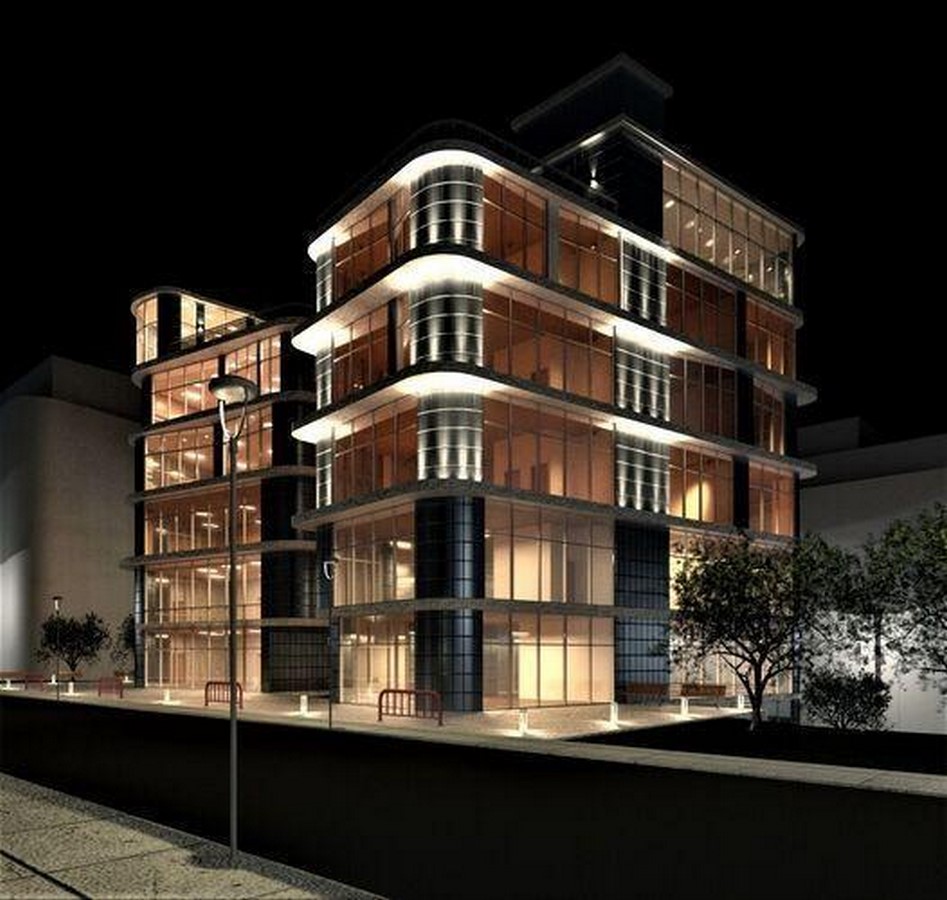
- Architects often rely on photometric conversions to translate the required luminous flux (measured in lumens) from lighting fixtures into desired illuminance levels (in lux or foot-candles) for various activities. It ensures adequate lighting for reading, working, or navigating the area. Such conversions serve as a crucial aspect of architectural design and are essential to ensure optimal lighting conditions in various spaces.
- Architects must translate lumen output into surface illuminance levels by understanding materials’ light reflection and absorption. It helps them select the right fixtures and arrangements to meet precise illuminance requirements and achieve desired lighting effects.
- Daylighting Design: Photometric conversions are essential in assessing the amount of light that permeates a building and how it is dispersed throughout the space. This information is critical in designing structures that maximize the use of natural light while minimizing the risk of glare and overheating. Photometric data is often employed in software simulations to predict the performance of a building during daylight hours.
- Effectiveness of Energy Use: Architects can create energy-efficient lighting systems by arranging lights strategically and selecting ones with high lumen output per watt (lumen efficacy). This approach can fulfil lighting requirements using the least energy possible.
- Comfort with Vision:Preserving Appropriate Light Distribution: To prevent glare and enhance occupants’ visual comfort, photometric conversions aid in maintaining appropriate light distribution. Creating a visually balanced and comfortable atmosphere involves analyzing colour temperature, uniformity ratios, and illumination levels.
References:
- Lighting, A. (2020). Introduction to Photometrics. [online] Insights. Available at: https://www.alconlighting.com/blog/home/learn-photometry/#:~:text=The%20science%20of%20measuring%20light
- Orentas, G. (2022). Photometric Study and Its Importance – S3DA. [online] S3DA DESIGN Structural and MEP Design. Available at: https://s3da-design.com/photometric-study-and-its-importance/#:~:text=A%20photometric%20study%20looks%20at
- admin (2023). Understanding the Significance of Photometric Plans in Lighting Design. [online] ISP. Available at: https://ispusa.net/understanding-the-significance-of-photometric-plans-in-lighting-design/
- Sawyer, A.O., Navvab, M., Weissman, D. and Ji, G. (2022). Facade Photometry: Linking Annual Daylight Performance to Facade Design. Buildings, 12(10), p.1556. doi:https://doi.org/10.3390/buildings12101556.