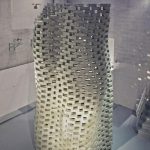
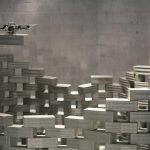
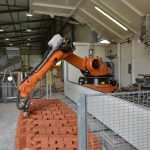
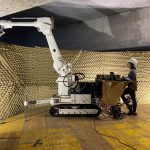
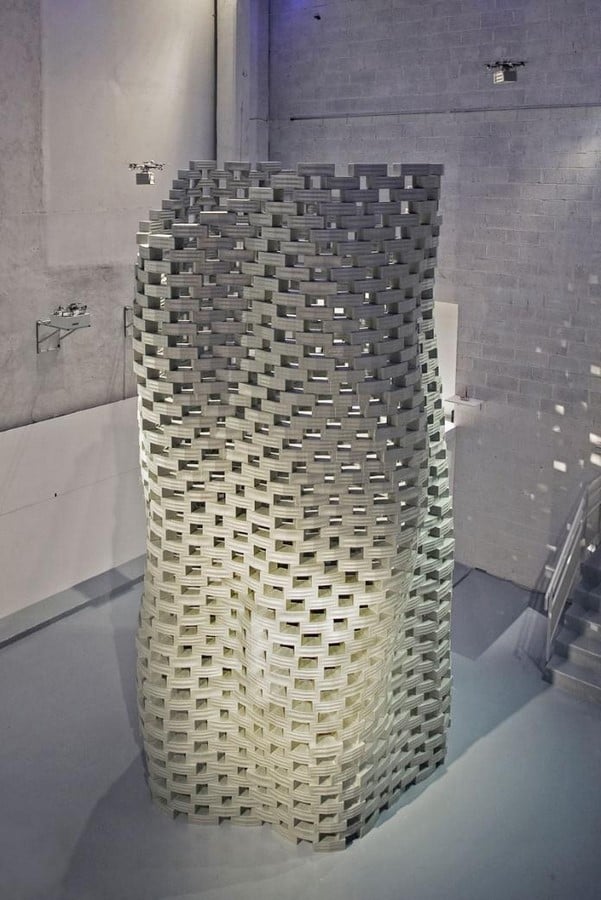
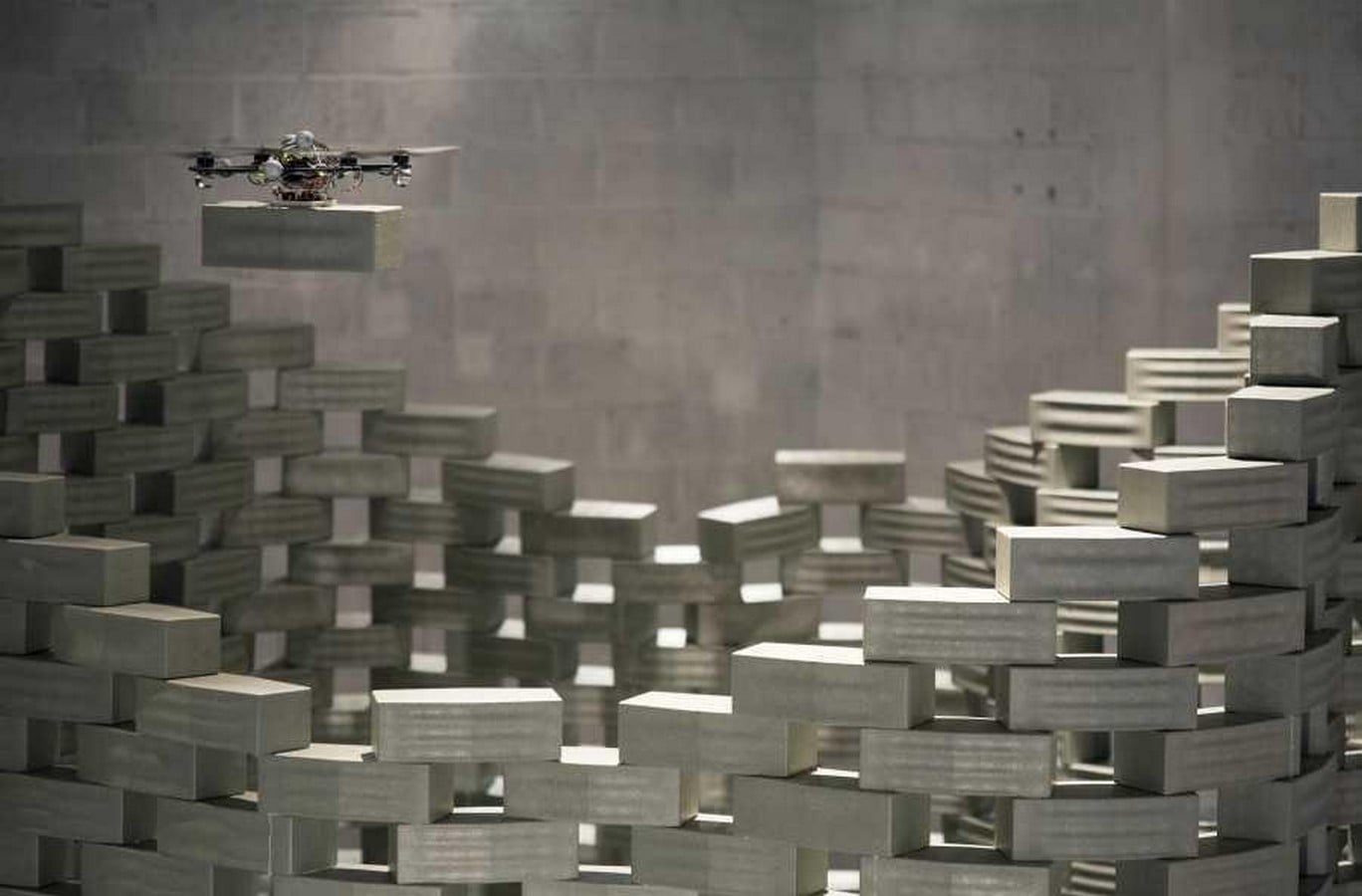
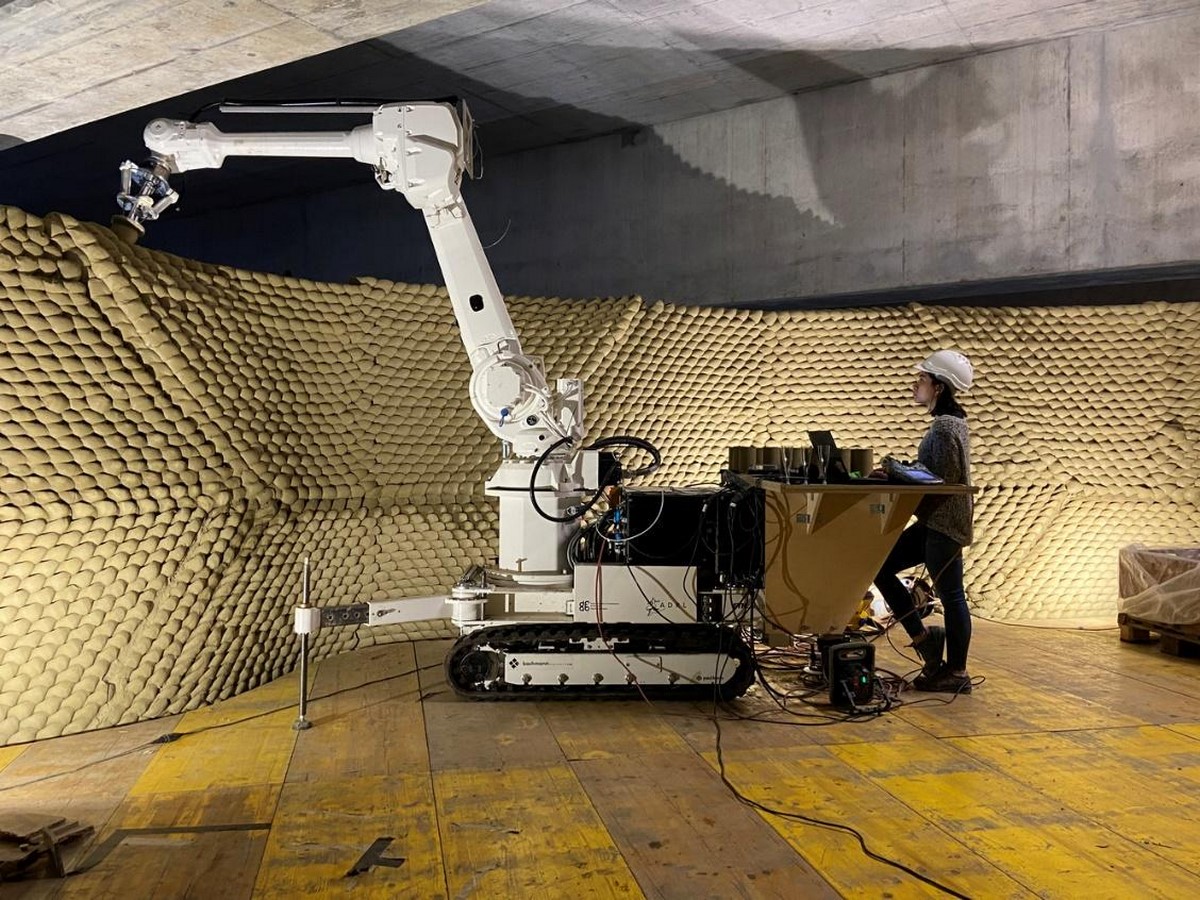
Will the buildings of the future be built by robots? Yes, if the research of Fabio Gramazio and Matthias Kohler and their likes proves right. In the future, probably multiple types of robots will be used in construction, each programmed for a specific task and to be done with a specific material (Pacheco, 2017). This could result in unique and innovative structures being built using a variety of techniques and materials (Pacheco, 2017). Can digital fabrication techniques and automation potentially eliminate the need for architects in the future? Though it seems to pose a threat to the profession, it may also have other benefits. Can digital materiality and responsive architecture be a sustainable solution to the environmental crisis of waste generated due to construction? Will digital materiality and responsive architecture open up the possibility of active user participation from the early stages of design? Can the collaboration between digital materiality and responsive architecture curate an autonomous architecture; a major paradigm shift advocating the intelligence and self-awareness of the built space?
A Paradox: Duality of Form and Material
In the pre-industrial times, the architect was involved directly with materials and masons, customizing the material to suit the form (Jeska, 2008). For instance, the stone took on different forms throughout history, appearing in cubic forms in the Romanesque era, delicate strutting and tracery forms in the Gothic era, and organically curving forms during the Baroque era (Jeska, 2008). With technological advancements and sociocultural shifts, since the Industrial Revolution, is it the case in the 21st century; the digital era?
However, the Industrial Revolution paved the way for the segregation of roles among architects, designers, builders, and constructors, which previously architects were solely responsible for (Markopoulos, 2020). This led to a reduction of exposure and knowledge in other fields among architects. Consequently, modern architects have focused on the outcome; the form, treated the form as independent from its materiality, and ignored the difference in the ambiance of the space felt when a different material is used to realize the same form (Markopoulos, 2020).


In the context of New Materialism, Objectile and Digitalization
New materialism marked a new paradigm shift concerning the material world in contrast to the aforementioned. As the philosopher Manuel DeLanda describes, “New Materialism” advocates process-oriented thinking rather than outcome or form-oriented thinking, repelling away from the persistent duality of form and material. Moreover, the concept of Objectile coined by Bernard Cache in the 90s facilitated the above philosophy with the use of Computer Numerical Control (CNC) machines and file-to-factory technologies for the production of objects digitally. The advantage of production with customized variations in geometry and size at no extra cost for objects of the same family was explored. Essentially, Frank Gehry has been a pioneer practitioner in exploring such possibilities of CAD/CAM, digital design, and digital fabrication in architecture and the Golden Fish Sculpture was one such demonstration of early digital architecture. However, due to high costs such technologies have not found their way to small-scale institutions and schools. (Markopoulos, 2020)

Precisely, throughout the 1990s, the discipline of architecture underwent a significant transformation, largely due to the advances achieved in Computer-Aided Design (CAD) and animation software. Flexible form and design thinking that was the profound impact of these developments, alongside the fall of costs of Computer Numerical Control (CNC) machines and the rise of Computer Aided Manufacturing (CAM) software, elevated “Digital Materialism” to a new level, especially related with digital fabrication and manipulation of materials. Moreover, it is also true that “the stronger the connection between digital design and fabrication was becoming the more possibilities were arising in the explorations of architecture as a material-based practice”. (Markopoulos, 2020)
Understanding Digital Materiality and Its Recent Explorations
The accusation of early digital architecture for its top-down approach, i.e., designers using computer tools merely to realize their designs without any significant consideration about the material limitations and possibilities opened up new possibilities of Digital materiality. Fabio Gramazio and Mathias Kohler have recognized an unprecedented convergence between physical materials and digital information, leading to the emergence of a new concept called “Digital Materiality” (liftconference, 2014 & Markopoulos, 2020).
Digital Materiality: CAD and CAM
The recent explorations of digital fabrication take into important consideration the specificities of the material that eventually provide the necessary information for the machine to operate and for the design to be adjusted. Although simplified digital simulation software, such as CAD, can simulate the structural behavior of materials in a specific structure, computer-aided manufacturing software (CAM) and digital fabrication’s rapid prototyping capabilities allow users to collect data on how to panel the surface and program the fabrication machine. This data helps to produce components that can assemble the entire structure from the early stages of design. CAD and CAM together can be used to create a structure with a material that the designer initially chooses, to achieve the desired ambiance, without falling prey to the limitations of the material. (Markopoulos, 2020)
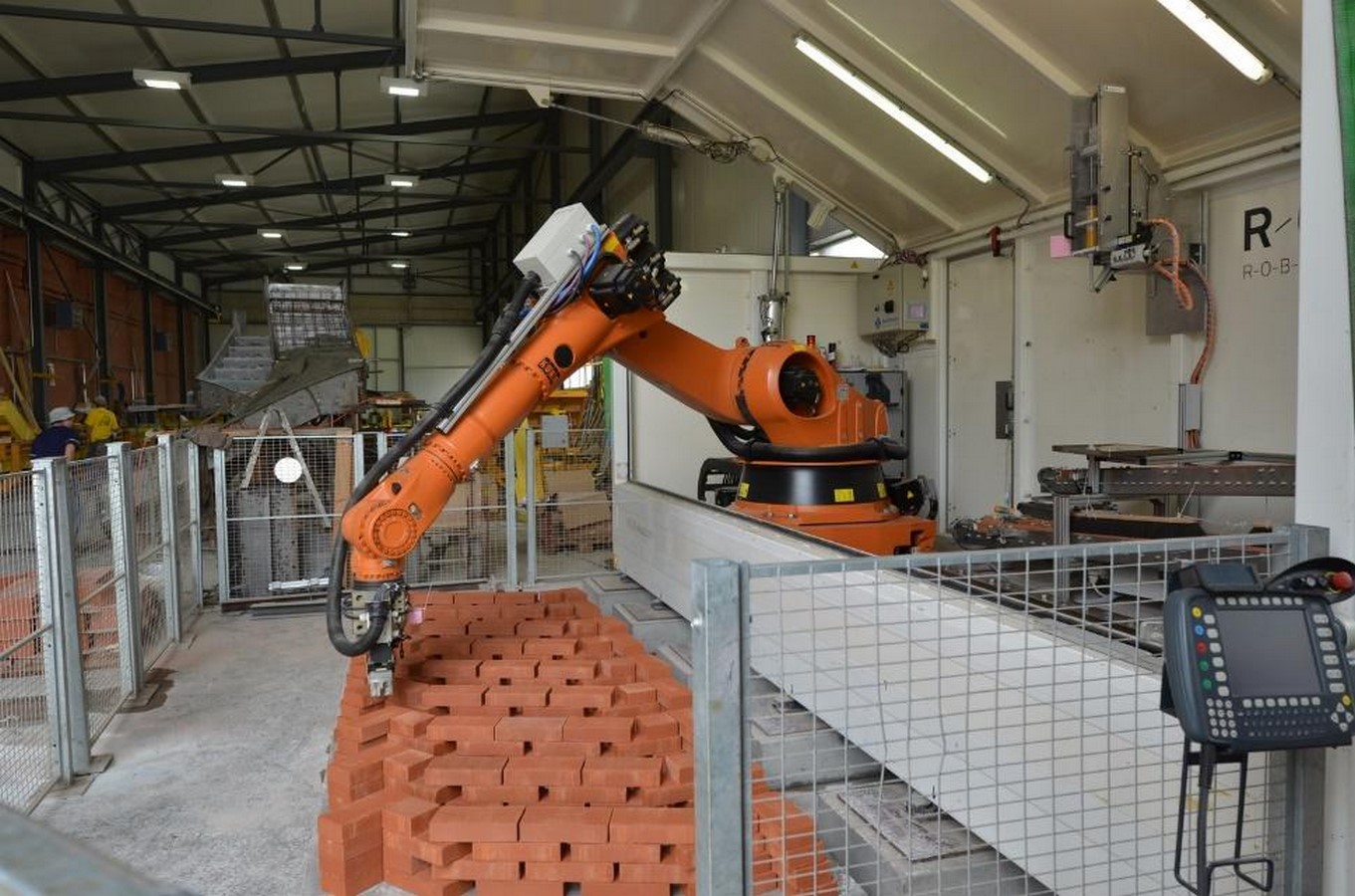
For Instance, it is possible to realize a complex vault out of clay bricks or steel by digital fabrication, though the resulting geometry will not be the same. While the spans and geometries of the vault can be obtained from CAD, CAM is necessary for identifying how to fabricate the vault. The components out of steel could be probably cut by a milling machine and then, bent by automated bending machines while brick components would probably require a robotic arm to position them directly into the structure. (Markopoulos, 2020)
Case Study: Enhancing Elasticity of Materials Digitally
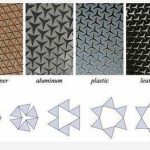
Moreover, Digital Materiality allows hacking the materials’ properties according to the whims of the designer similar to the pre-industrial era. For Instance, NCCR researcher Mina Konaković and her team at the Computer Graphics and Geometry Laboratory are discovering ways to enhance the elasticity of a few inelastic materials to enable their deformation with the help of digital fabrication by cutting patterns of thin slits. An algorithmic software is developed to couple material and fabrication properties so that different patterns are simulated about the different levels of elasticity and stretching that they can offer to each surface material. (Markopoulos, 2020)

Cohesion of Digital Materiality and Responsive Architecture
Manuel Kretzer highlights the drawbacks of existing models of digital materiality and argues that the prevailing model of digital materiality doesn’t consider non-homogenous or dissimilar materials due to the lack of a feedback system in digital fabrication machines and points out the inability of fabrication machines to learn and respond to this feedback by self-adjusting their fabrication strategy. Moreover, most cases of the Digital Materiality discussed above portray material as a passive agent, while materials are inherently active. Although the possibility of materials becoming an active agent in the formation of architectural structures has been explored by digital materiality, it is still blurred how the feedback system can be defined, since once the structure is built there is no further dialogue between matter and form. (Markopoulos, 2020)
Markopoulos (2020) identifies the potential for digital materiality to become responsive, if the inadequacies of digital materiality as mentioned above are addressed. As there is a need for the materialization of responsive architecture, dialogue between matter and form even after the construction of the structure, firstly, to tackle the challenges related to the environmental crisis, secondly to respond to the necessity of participatory design processes and the inclusion of users and citizens in the creation of the spaces they inhabit in the era IoT, and lastly, to accommodate the changing needs and cultural shifts in ways how people inhabit space due to technological developments. Markopoulos (2020) classifies Materially Responsive Architecture into three types based on the different stimuli they respond to, namely Re-Active Matter which reacts to environmental change, Co-Active Matter which reacts to user desire patterns and Self-Active Matter which reacts to both environmental values and user desire patterns.
Case Study for Reactive Matter: Bloom by Do|Su Studio Architecture, Los Angeles
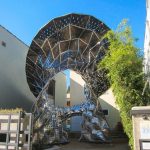
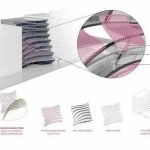
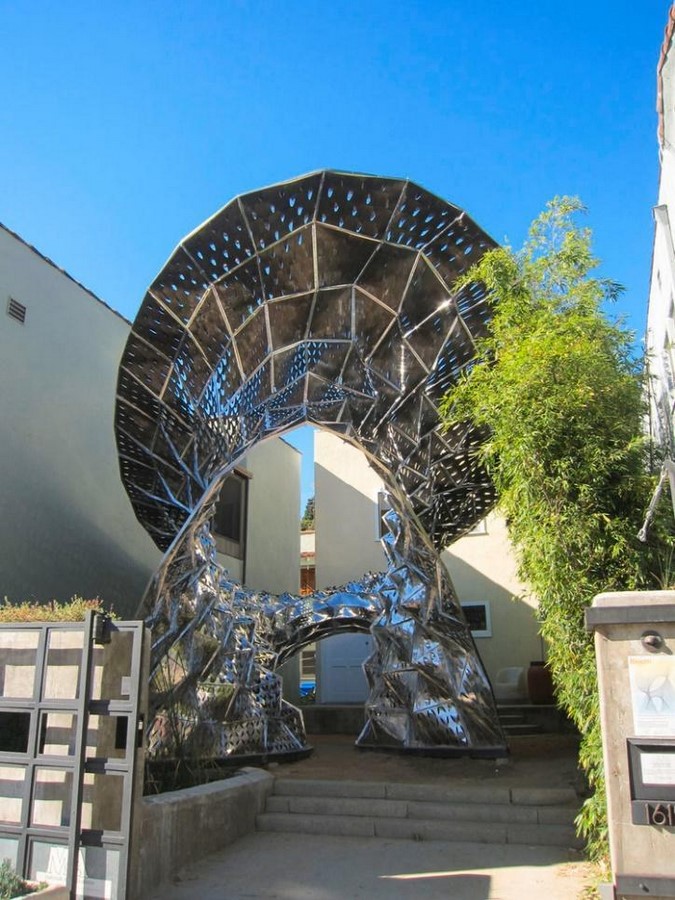
The Bloom Pavilion’s self-supporting structure consists of 414 bi-metal panels shaped like hyperbolic paraboloids. Bi-metal is a smart material, comprising two or more appropriate materials with differing expansivities which as a result tends to alter its curvature when its temperature is changed. Multiple small components were used to overcome the performance limitations of bi-metal when heavy. The digital fabrication technique used was laser cutting, a quick and efficient method, and the pavilion required around 14,000 laser-cut pieces that were put together on-site. This system uses temperature changes in the atmosphere to provide shading and ventilation. Metal sheets bend and open at 22°C, allowing for ventilation, and flatten down when below 22°C, blocking the entrance of air. (Markopoulos, 2020)
Case Study for Co-Active Matter: Remembrane
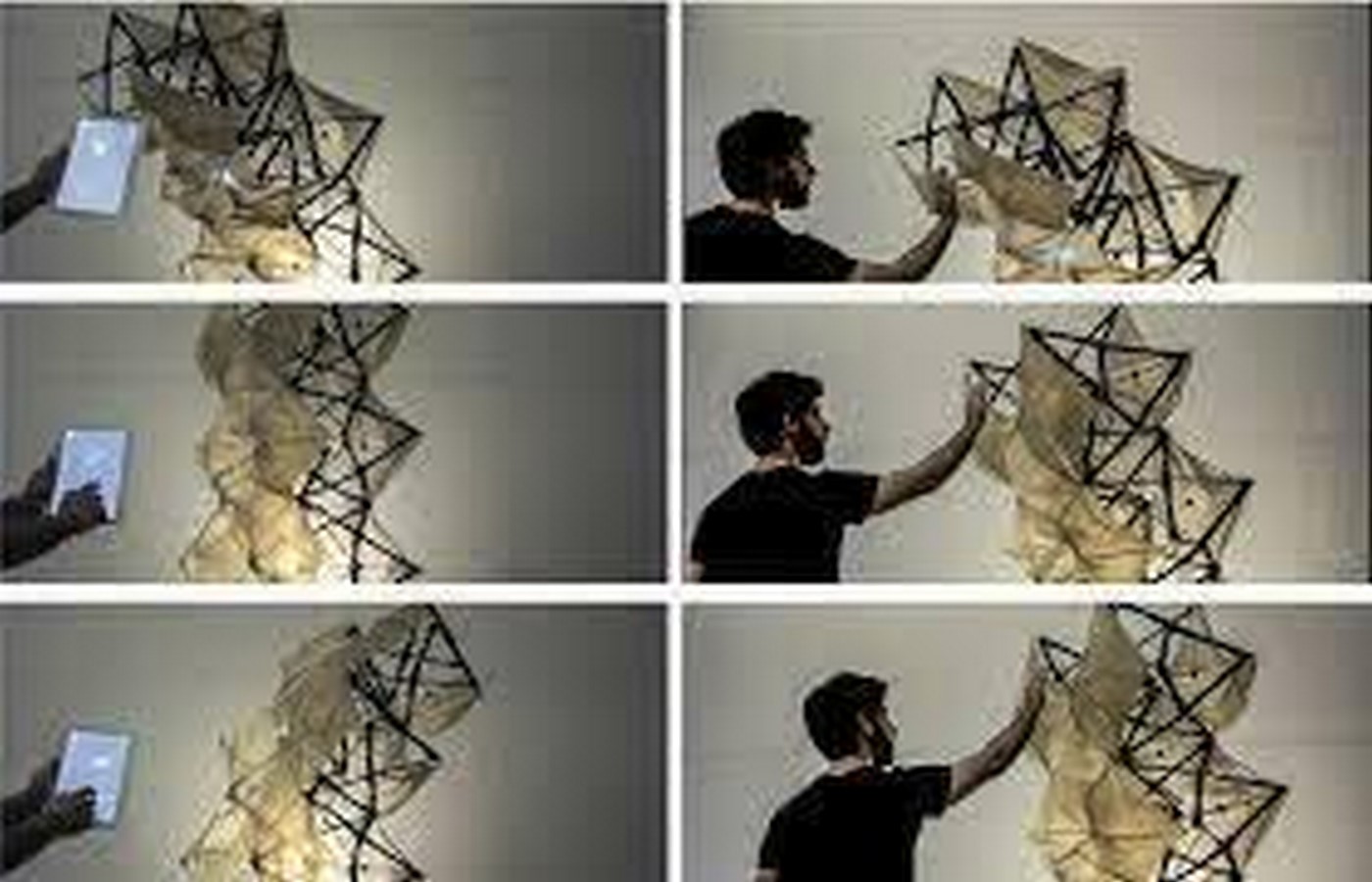
The Remembrane Project is research on adaptive kinetic tensegrity structures using shape memory alloys as actuators that could adapt to both the environmental changes sensed by sensors installed on the structure itself and be easily controlled by users through an app that can be installed on any device without special hardware or software. For developing this application, four different scripting languages have been used: HTML, CSS, JavaScript, and Processing. The shape memory alloy used as linear actuators in this project is Nitinol. When an object is detected nearby, the structure bends in the opposite direction though it can also be controlled through the user interface app. (Markopoulos, 2020)
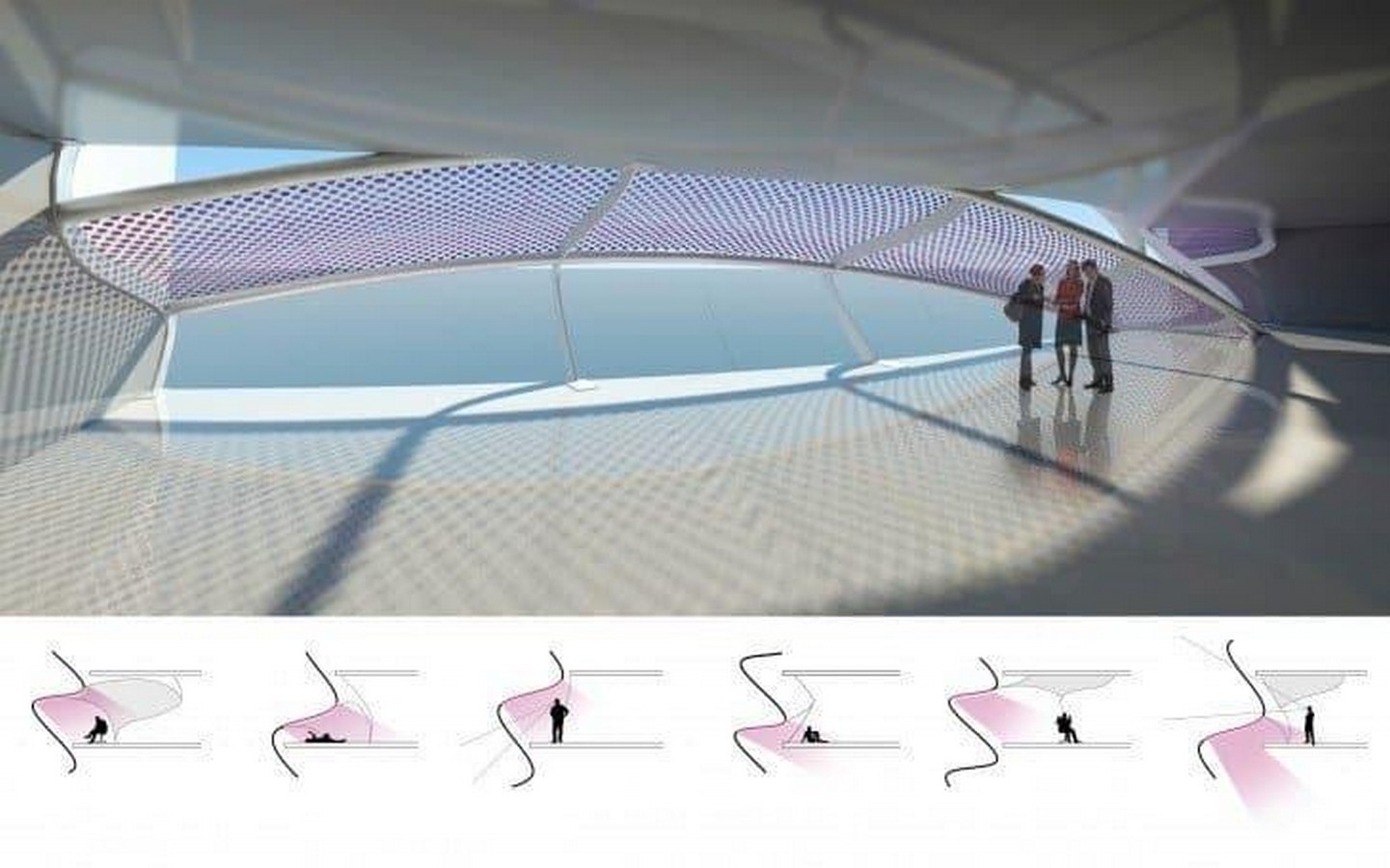
Case Study for Self-Active Matter: Chromatic Skin – Photochromic Facades
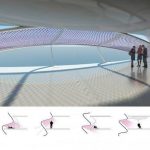
Chromatic Skin develops and uses digital simulation tools to control the design of the façade where the photochromic pattern is applied and to optimize the performance of the photochromics based on the data obtained from both the environment and users. The design features curved glazing and photochromic pigments were integrated within the protective films. For fabricating, thermoforming and vacuum forming have been employed as the main techniques due to the curvature. For the vacuum forming, photochromics are mixed with epoxy resin and applied to the surface following the digital pattern, that is cut on a flexible vinyl stencil. Chromatic skin combines the passive actuation of thermochromics with the data of number of occupants in the buildings to process the information, train the algorithms, and eventually learn and make more informed decisions on the performance of shading the façade. Such shading systems directly affect the heating and cooling process of a building, allowing savings in energy consumption as well as enhancing the indoor quality of air, temperature, and light. (Markopoulos, 2020)

Towards a New Paradigm Shift
In this era of rapid innovation and within this new digital materiality and responsive architecture, architecture emerges as the constructive synthesis of humans, technology, nature, knowledge, and labor. The dynamic interplay between material science, human-computer interaction, and artificial intelligence will undoubtedly have a considerable impact on built spaces, but the precise nature of these effects remains uncertain. However, what is certain is that human intelligence will remain the key driver of their development, from digital materiality, and responsive architecture to self-aware autonomous architecture. Human cognitive capabilities will continue to be instrumental in shaping this new design paradigm and furthermore. Ultimately, the fate of the built environments, though designed to be intelligent, self-aware, and autonomous, will be initially programmed and implemented by experts who are flesh and blood.
Reference
- Dejtiar, F. (2018). Etymology in Architecture: Tracing the Language of Design to its Roots. [online] ArchDaily. Available at: https://www.archdaily.com/898648/etymology-in-architecture-tracing-the-language-of-design-to-its-roots#:~:text=%22Architect%22%20comes%20from%20the%20latin. [Accessed 15 Sep. 2023].
- Jeska, S. (2008). Transparent plastics : design and technology. [online] Basel ; Boston: Birkhäuser, pp.24–25. Available at: https://link.springer.com/chapter/10.1007/978-3-7643-8287-2_2 [Accessed 15 Sep. 2023].
- liftconference (2014). Fabio Gramazio – Digital Materiality in Architecture. [Youtube Video]. Available at: https://youtu.be/Uwr2TkRugtg?si=PxQiK1lJ9EmRUZig [Accessed 16 Sep. 2023].
- Markopoulos, A. (2020). Design behaviors : programming the material world for responsive architecture. Doctoral Level. Universidad Politécnica de Catalunya. [online] upcommons.upc.edu. Available at: https://upcommons.upc.edu/handle/2117/180788 [Accessed 16 Sep. 2023].
- Pacheco, A. (2017). Gramazio Kohler Research wants to build the future using robots. [online] The Architect’s Newspaper. Available at: https://www.archpaper.com/2017/11/gramazio-kohler-research-build-future-robots/ [Accessed 17 Sep. 2023].