Introduction
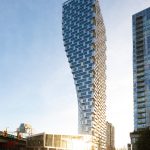
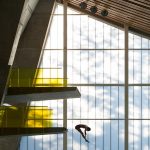
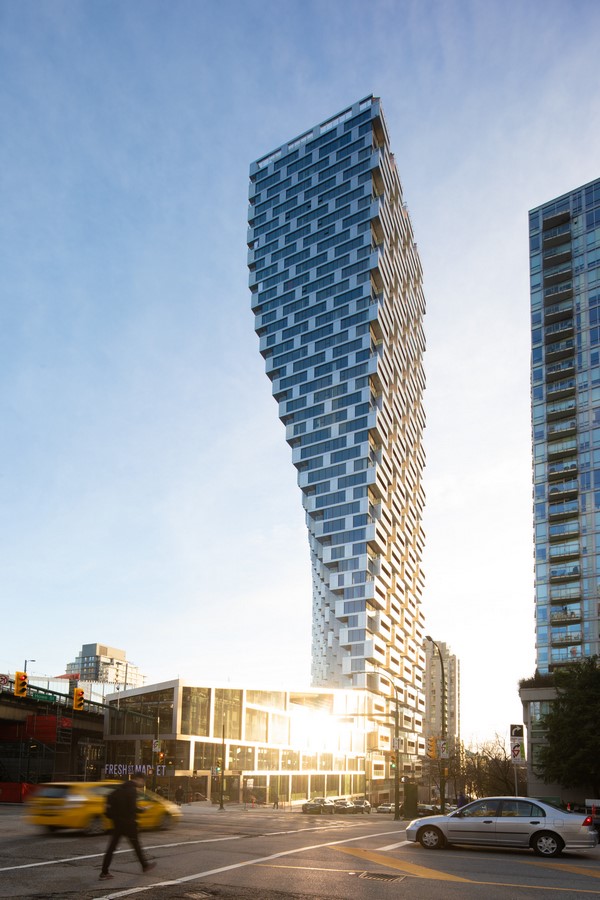
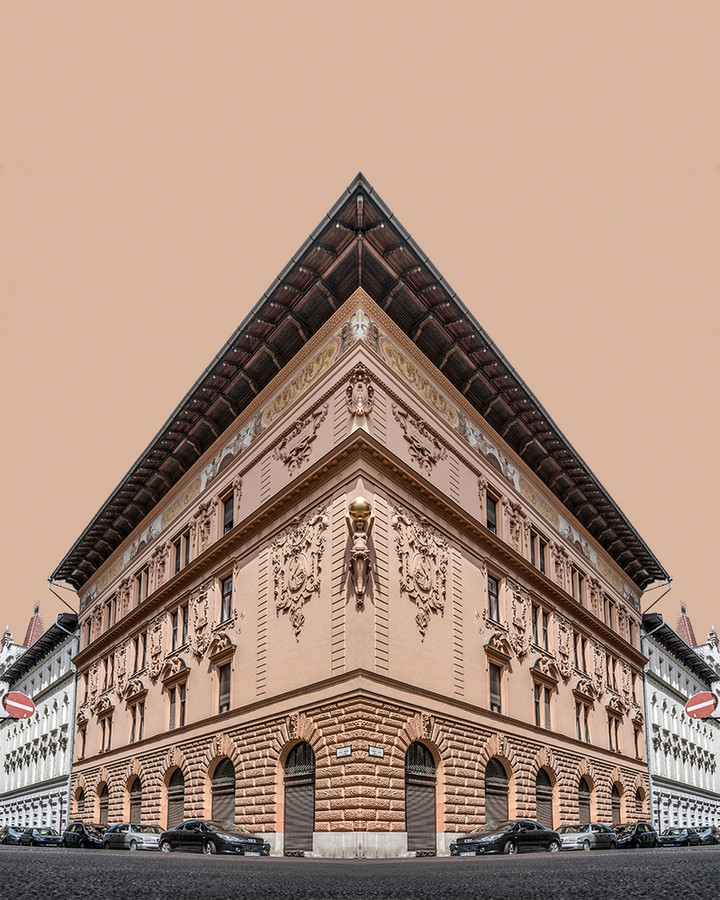
Architectural photography is a genre of photography that places the emphasis mostly on taking pictures of buildings and other related objects that are both aesthetic and contextual. As opposed to just taking photos, an architect photographer creates images. Architecture is a complicated and varied art form, and photography may make it simpler to understand and give people more perspectives on it. Photography is what makes architecture popular but also what skews people’s perceptions and makes structures appear underwhelming in person. Photographers have a lot of influence over how we experience architecture since we view buildings via cameras. Photographers serve as visual interpreters of architecture, affecting how we experience different areas since they can highlight certain features while underplaying others. Our emotional reaction and comprehension of a building’s design, function, and cultural context are shaped by their innovative choices.
“ Everyone will have noticed how much easier it is to get hold of a painting, more particularly a sculpture, and especially architecture, in a photograph than in reality.” – Walter Benjamin
While a physical building is owned and used, a photograph of it can isolate, define, interpret, exaggerate, or even invent a cultural value for it. We might even go so far as to say that the cultural value of buildings is what we call ‘architecture’ and that it is inseparable from photography. (Architecture as Photography | David Campany, no date)
General factors affected by the photographer’s perspective
Perspective and Interpretation
The photographer’s choice of focal points, framing, and angles affect how architectural areas are portrayed and how viewers interpret the gendered components of a location. A location may feel more imposing and macho from a high perspective point, whereas a space may feel more intimate and feminine from a low vantage point.
Representation and Inclusion
Photographers can either challenge or promote cultural norms by choosing who and what is depicted through architectural photography. To achieve inclusive representation, different people’s interactions with their settings must be captured, regardless of their gender or sexual orientation. By displaying a range of people in diverse roles within the same setting and conveying that spaces are meant for everyone, photographers can challenge conventionally gendered connotations.
Sensitivity to Space
A good photograph must convey a complete grasp of the function and background of space. Photographers should consider the locations they are documenting which includes the environment’s social and physical features, cultural and historical context, gender, and identity of a space. When their work respects the place’s function as a safety net for marginalized groups and embodies the ethos of that location, more meaningful benefits are generated.
Contextualizing Gendered Spaces
Environments that are gendered frequently originate from cultural norms and past actions. Photographers can aid in contextualizing gendered environments by showing the ways that gender influences how these locations are used and experienced. For example, showing an all-female dorm in a historically women’s college in the context of women’s education history can aid viewers in understanding the setting’s gendered importance.
Breaking Stereotypes
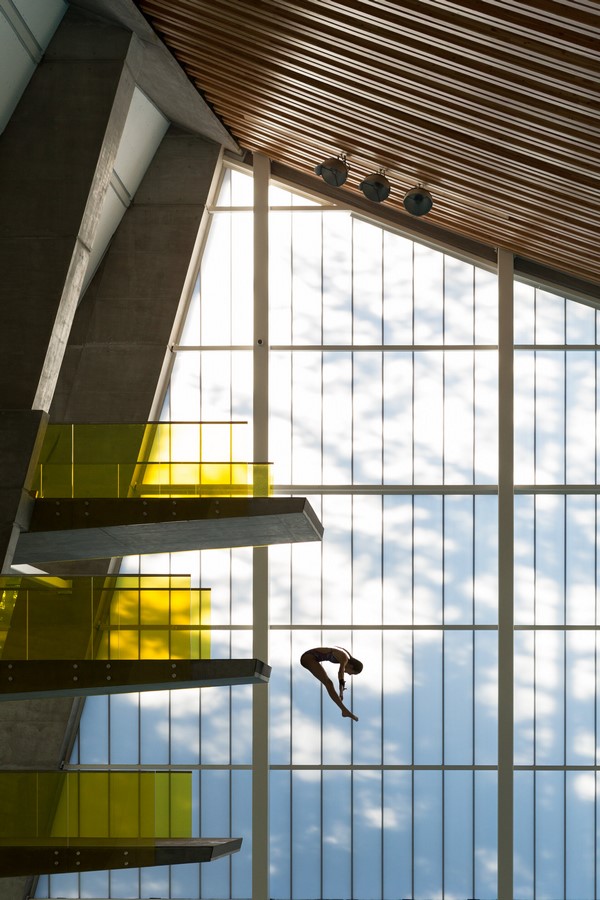
By documenting situations in ways that go against assumptions, photographers can challenge gender conventions. This can improve the public’s knowledge of specific settings. For example, a photographer may capture a woman in an environment that is generally associated with men, such as a factory or construction site, or they may depict a technology-focused workplace where both sexes are represented. This would help remove the misconception that women don’t belong in these settings.
Photographer’s Identity
Identity and personal experiences invariably have an impact on how a photographer sees and interprets gender and sexuality in architectural environments. For instance, a photographer who identifies as LGBTQ+ might approach photography as a pride center with a clear knowledge of its significance, resulting in a representation that profoundly appeals to the LGBTQ+ community and accurately represents its significance.
The difference in photographer’s perspective: A case study of Luisa Lambri and Julius Shulman
One of the elements that affect perception in architectural photography is believed to be gender. Some focus more intently to capture a building’s spirit and elevate the lived reality above the architect’s intentions or society’s expectations, while some photographers appear detached and focus on capturing famous facades from the best angle to create images that will be admired by a large audience.
The perception that male photographers are more technically knowledgeable, particularly when it comes to topics like handling equipment or post-processing, may be supported by traditional gender norms and expectations. The assumption that male photographers prioritize technical aspects of architecture photography, such as capturing the structural element, overall form, and aesthetics of the structure, may stem from the idea that males are more inclined to technical and analytical vocations than women.
Female photographers capture the subtle subtleties and emotional undertones of architectural settings and are more likely to focus on inclusive representation by taking pictures of a wide range of people in built surroundings. The concentration on capturing human connection in architectural settings and stressing how people interact with their surroundings may be perceived by viewers as being greater in female photographers. All these assumptions may be the result of the notion that women pay attention to details, are sensitive to social issues, and are sensitive.
Luisa Lambri
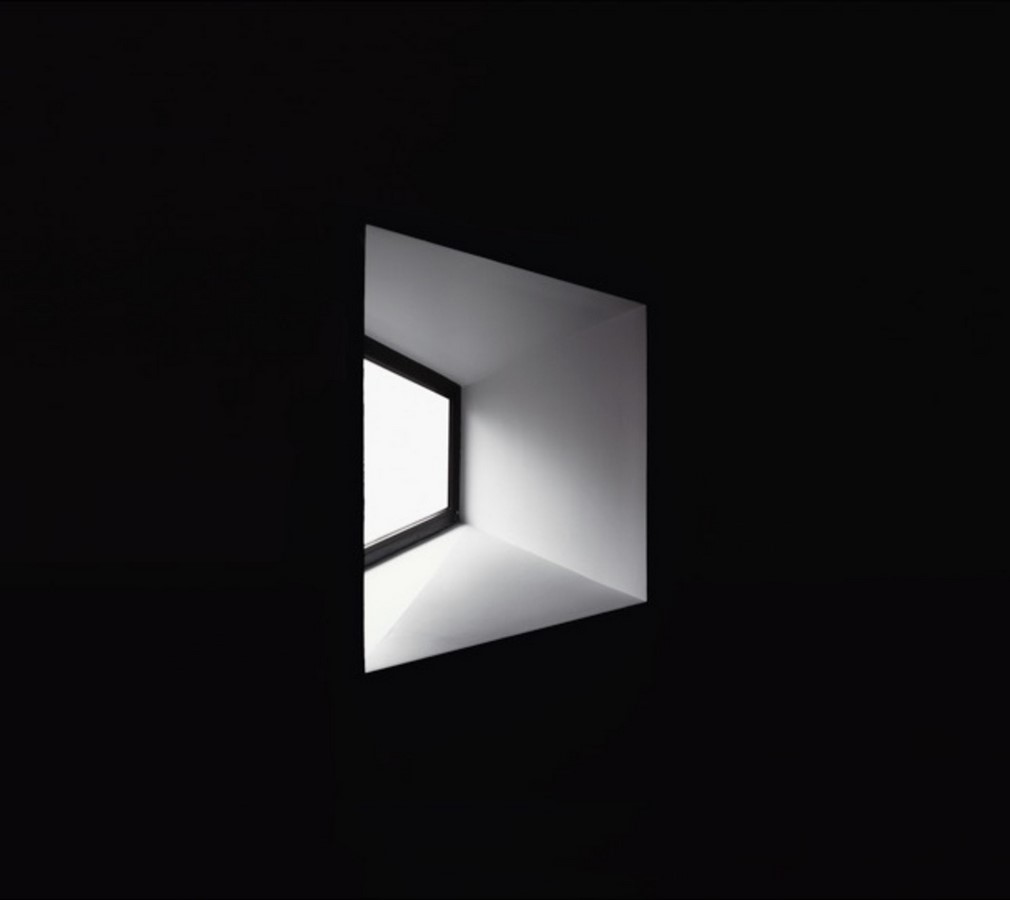
Luisa Lambri’s photography is the result of her interest in how people live in contemporary structures as well as her aim to emphasize the feminine look on a world that has largely been constructed by men. She frequently portrays herself in her artwork, showing how she views herself interacting with the world. She incorporates her narrative into her architectural photography of renowned structures designed by eminent male architects with confidence and almost a hint of defiance, as though she refuses to accord the structure (or its creator) any superiority. One may even read socio-critical elements in her images if they so desire. Her decision to depict obscure and sometimes ignored interior features of buildings rather than their well-known and outstanding exteriors results in an unorthodox interpretation of space. For instance, the iconic Californian Hollyhock House by Frank Lloyd Wright is reduced to a single surface, a wall painted in gleaming gold, possibly because this is what the owner considered the most attractive feature of the building. Her work is comparable to how construction engineers approach their work by focusing on the sometimes disregarded elements and ensuring that the design supports its occupants rather than the other way around.
Julius Shulman
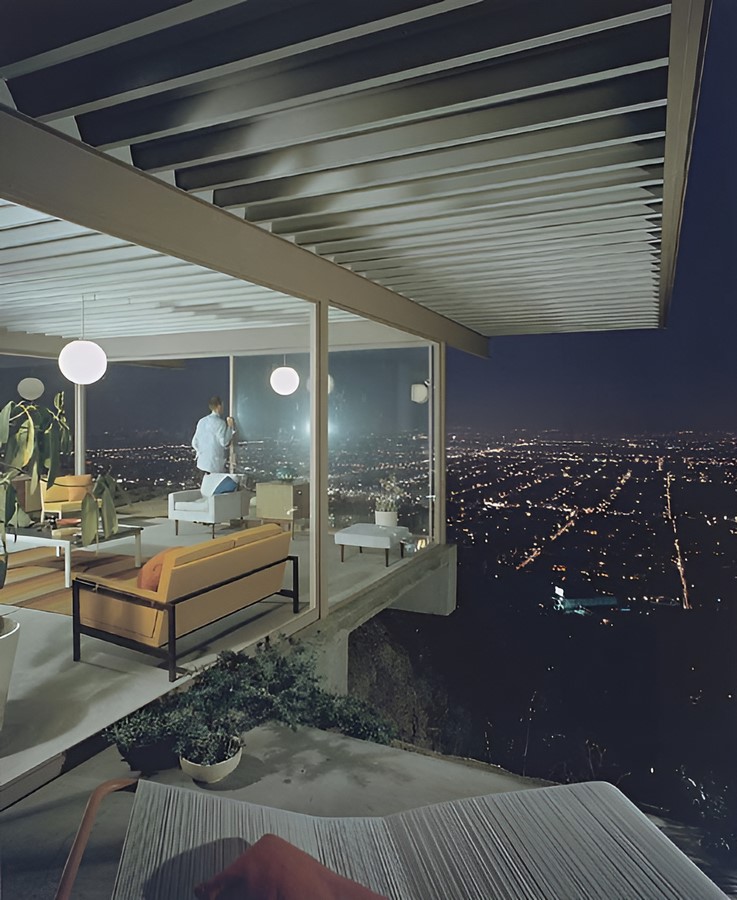
Julius Shulman, a photographer, and supporter of Southern-Californian Modernism, is renowned for his zeitgeist-defining shots of contemporary Los Angeles architecture, in contrast to Luisa Lambri’s subdued images that are hardly recognizable as icons of the built environment. The “Case Study Houses,” a collection of affordable modernist dwelling types that typified a new post-World War II American way of life, are depicted in some of his most famous photographs. The Case Study House initiative hired renowned architects like Charles and Ray Eames to create and construct affordable and effective model homes during its sporadic 21-year existence. 24 of the 36 prototypes that were created were realized, with Julius Shulman capturing the majority. Although he approached it somewhat differently, Julius Shulman had placed a high value on the human element in his photography as well. He humanized the buildings’ sharp edges and helped demystify the sleek, relentlessly minimalist architecture that was so far ahead of its time by carefully placing characters that represented the ‘ideal’ of the time – smiling housewives, elegant dinner party guests – in his images.
Architectural Photography implying gender differences- A case of Panda Architectural Photography Collection, Canada
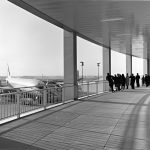
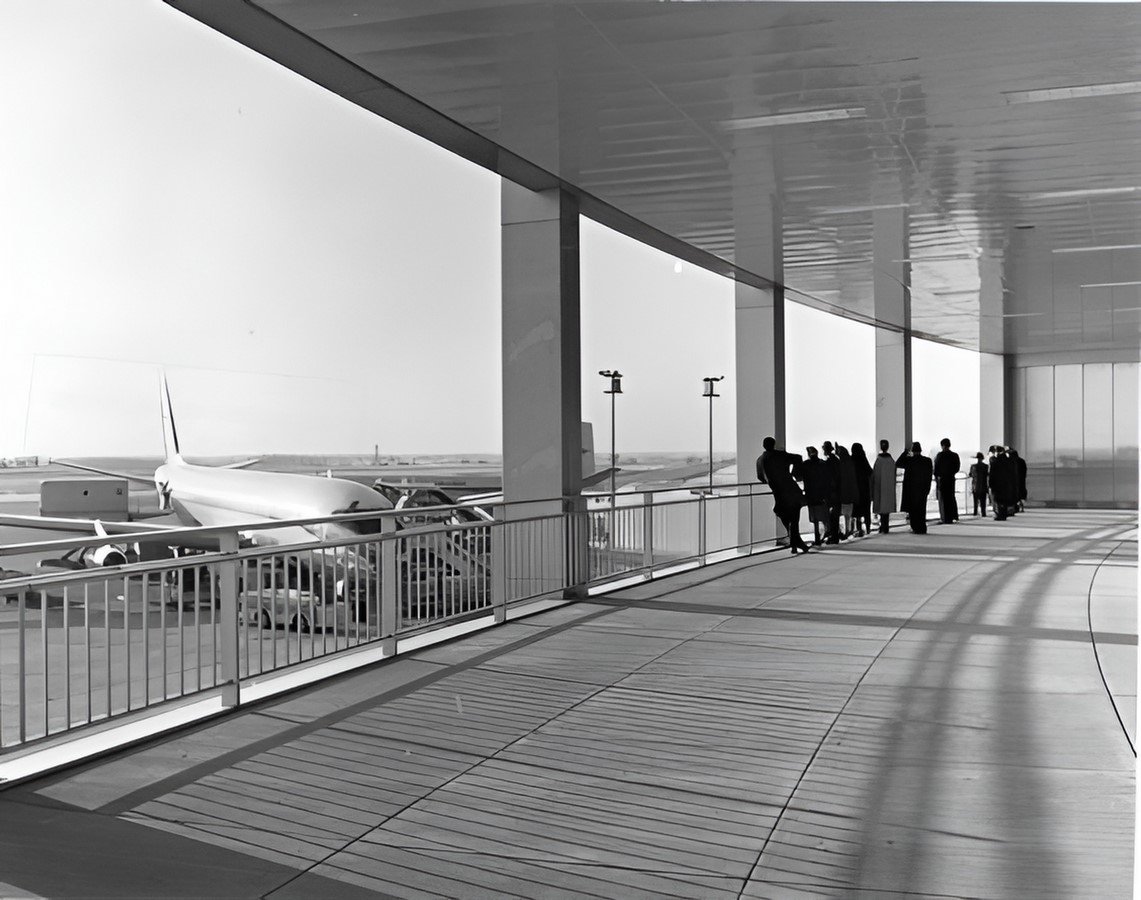
Two photos of mid-century modernist structures in the Toronto area, which are visually as well as contrasting in meaning can be taken for example of gender and space. The Toronto Airport’s Terminal One, designed by John B. Parkin Associates, is depicted in one photograph from 1964, while the Yorkdale Shopping Center, which opened to much fanfare and widespread praise that same year, is depicted in another. Both the mall and the airport are acknowledged as iconic examples of modern architecture. Male figures in business suits and with purpose leave the airport to catch a flight. In contrast, the image of the mall seems to be representative of passive leisure and occupations. A group of business-suited male individuals can be observed in the airport picture. They have an aura of anonymity and similarity since they are seen from a distance.
The image of the mall is very different. In this image, a lady and her toddler are seen gazing at a fountain while other customers are seen comparing their purchases. Men are there, but they appear to be privileged guests in what is primarily a female environment. Indeed, in a society where having those qualities provided privilege and approval, the image tends to emphasize the domestic virtues of fecundity and the benefits of being a heterosexual spouse.
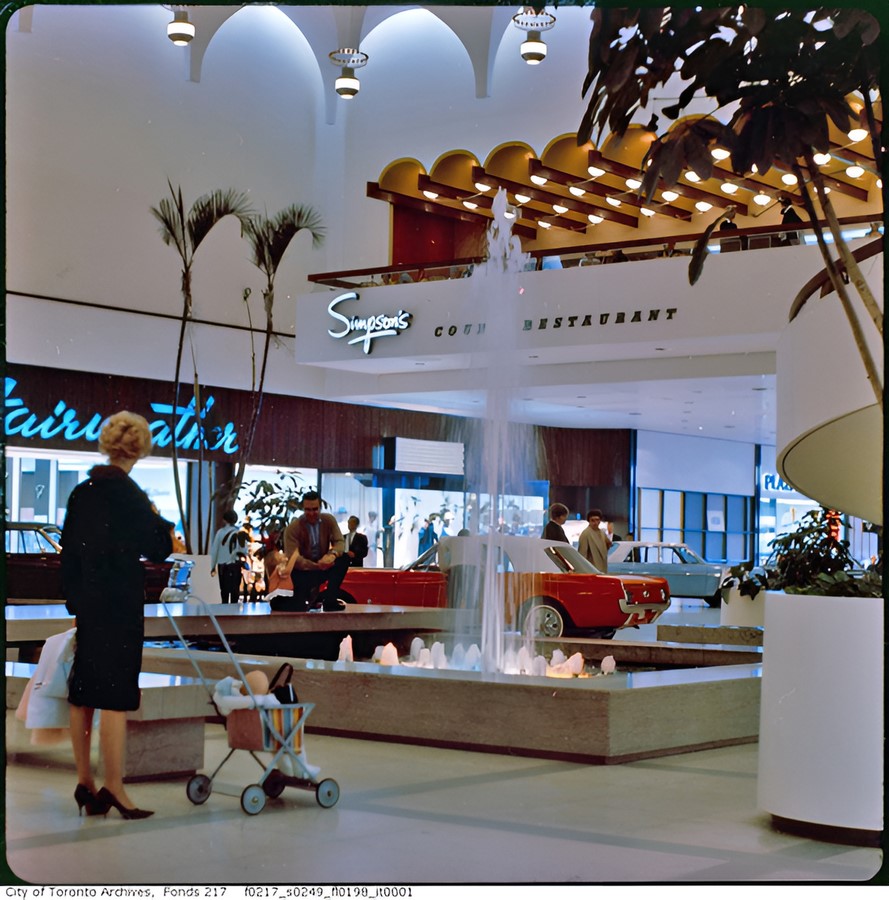
The retail center is modeled as a location for feminine pleasure, but the airport is modeled as a place for masculine employment. It is possible to infer information from architectural photography about the society that produced them.
References:
ESSAY I ESSAI Gendered Space and Social Conformity in Selected Modern Architectural Photographs. (n.d.). Available at: https://dalspace.library.dal.ca/bitstream/handle/10222/65359/vol33_2_3_10.pdf?isAllowed=y&sequence=1.
Hamilton, B. (2021). Relationship Between Architecture and Photography. [online] TownSteel. Available at: https://townsteel.com/relationship-between-architecture-and-photography/.
What I see, How I see… (2010). Men and Women in Photography. [online] Available at: https://adrienchan.wordpress.com/2010/10/12/men-and-women-in-photography/.
Toje, M. (n.d.). Gender Perception on Built Environment. www.academia.edu. [online] Available at: https://www.academia.edu/26031819/Gender_Perception_on_Built_Environment
www.maxfordham.com. (n.d.). Architectural Photography and why it’s much more than just an image of a building – Max Fordham. [online] Available at: https://www.maxfordham.com/news/blog/2020/08/26/architectural-photography-and-why-its-much-more-than-just-an-image-of-a-building/.
David Campany. (2014). Architecture as Photography – David Campany. [online] Available at: https://davidcampany.com/architecture-as-photography-document-publicity-commentary/