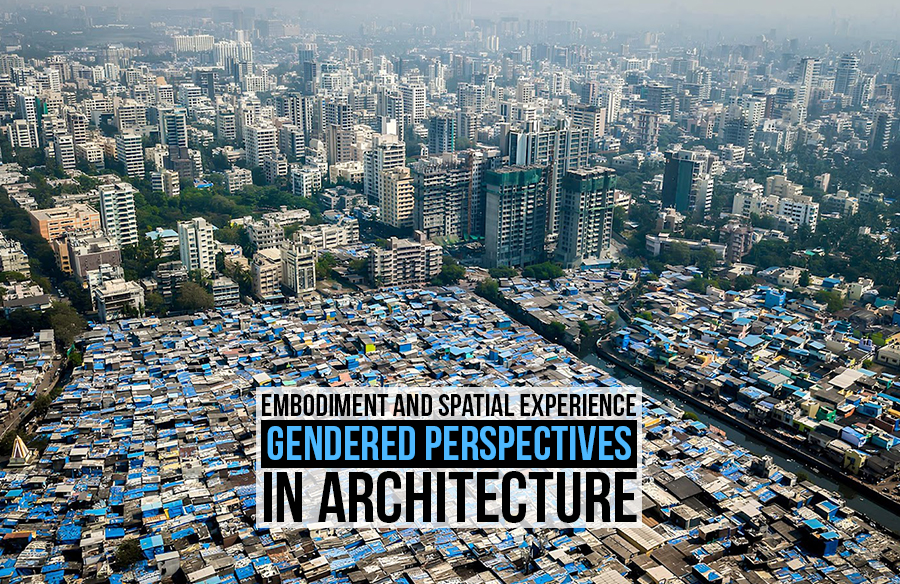
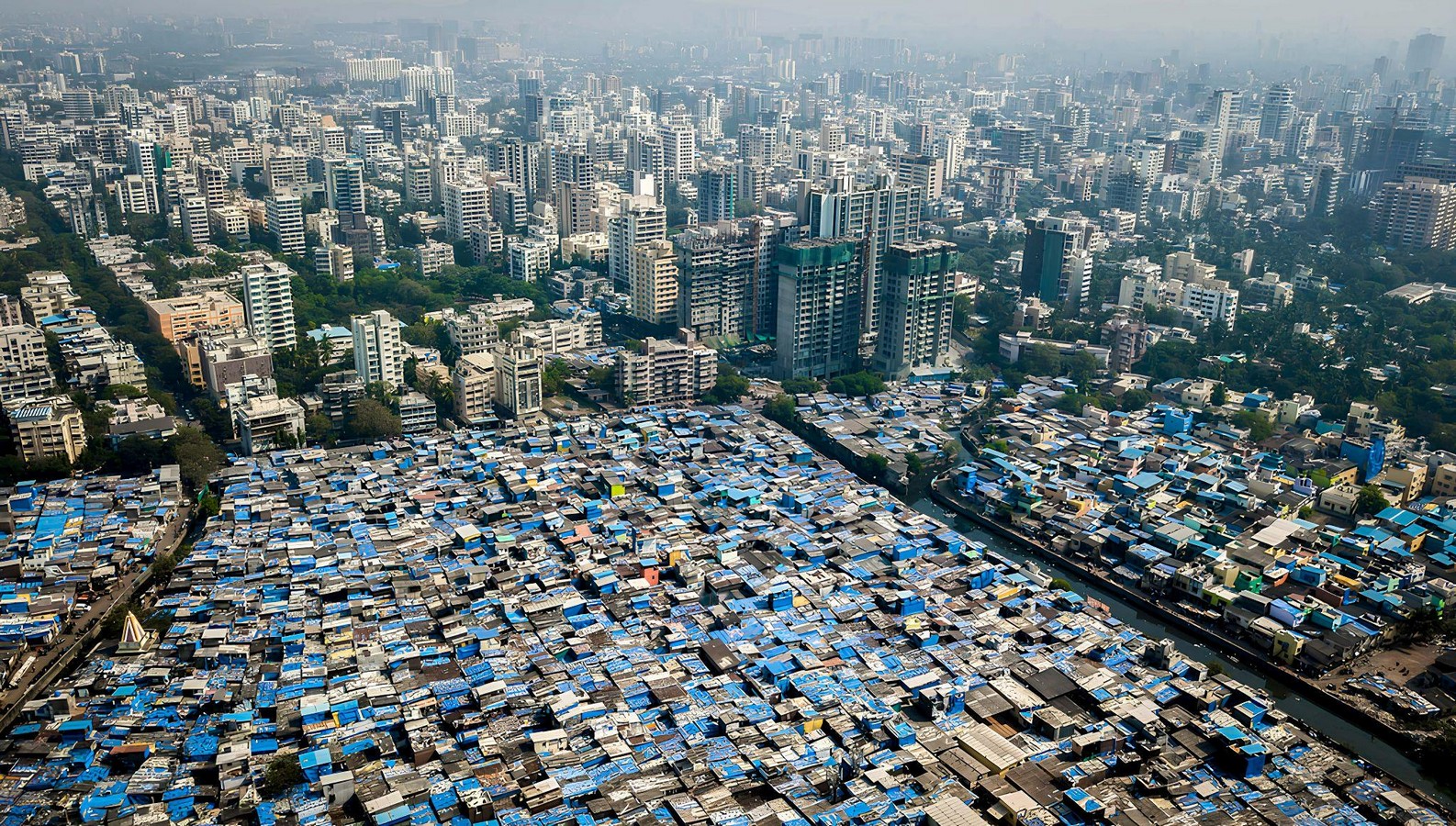
In the modern world, where the social environment is locked in the historical epoch and customs, previous thoughts influence the World. Humans are still differentiated from each other based on caste, creed, religion, and gender, as was formerly the norm and is still the case in the modern era. The way people are dressed, their social status, and the locations that are designated for them all contribute to the differentiation. Architecture is also an impactful part of the culture, helping in creating these invisible boundaries for the distinction.
Reasons for Distinction
The Reasons for distinction can be seen from the ancestral roots of humans at the start of civilisation, where humans were hunters. In this scenario, the Males were hunters and searched for food, while the women generally tended to children and pets in Caves. Here, from an Architectural perspective, it is seen that the caves served as a space for shelter while also creating a boundary of safety. The purpose from the start is to provide safety to Women while the men endeavour to the wild for survival.
Moving ahead of time, when several communities and religions emerged, people started to divide further away based on community-centric dilemmas. The communities belonged to the same regions and societal norms still, they chose to separate as humans tend towards being in a safe space of like-minded people. Further, in the individual’s religion, the distinction emerged through the difference in belief in God and their standings in society based on their occupation.

Women are symbols of purity in almost all communities, leading to distinction where the women were pushed behind the walls whenever found suitable. The women were also restricted with their attire choices and advised to behave in a specific way. The free women were the ones called prostitutes who had the freedom to wear whatever they wanted and act as they felt like. In reality, they were the ones trapped in their unspoken profession. The women who wished to act freely were often associated with prostitutes by society and treated as one.
Experiences of Distinguished Individual
The distinction in Gender-based societal norms has come to the forefront in shaping the perspective of the distinguished person. As the places are designed around that standard, architecture serves as a representation of society. The experience of these spaces gave the human a feeling of forbidding basic rights. It created an effect of pressing the individual mentality of freedom. These spaces express as small with less access to the outside world. Also, these spaces are places in a manner where the light emitted in spaces and the air present is just barely available.
Some of the spaces gave a sense of confusion to an individual. The design instils the feeling of the non-existence of the individual in society. The spaces evoke the feeling of questioning the purpose of an individual. These spaces emerge the feeling of deprival of basic human nature in a sense. These are some of the feelings which are emerged from the spaces.

On the other hand, the space for authority instilled a feeling of empowerment The spaces bloat up the pride and authority of those who are in power. It can be perceived as an enormous big space with free open areas in abundant amounts reserved for a single individual. Also, these spaces have abundant access to light emitted in them and a feeling of openness.
Gender Effect on Architecture
It is not a very absurd situation to see the buildings built and designed by a man in a society that was dominant until the 20 th century. Women from the 20th century started gaining the same status as men in every discipline. However, this abrupt transformation did not occur overnight instead, it was a gradual process taking place over several decades. The feminist movement gave women the grip they needed to question every aspect of society from the viewpoint of women to grant them equal rights. But, in recent times, there are more than two genders that exist.

In Today’s world, the Gender and sexuality of an individual are shaped by culture rather than being defined by biological aspects. As a result, many venues become meaningless despite their efforts to accommodate one gender in light of previous conventions. At the same time, creating a challenge for architecture for the creation of gender-neutral spaces. Architects must also be sensitive to societal change and should adapt.
The Undeniable Changes
Social advancements influence the architecture’s design and its practicality. The regions that were there are in favour of human differentiation and gender exclusivity. As a result, a barrier that is unseen and serves to separate us all was established. The spaces, however, are now created in a way that keeps up with contemporary developments.
Everyone routinely uses the public facilities that are employed to create gender-neutral settings. These spaces are of great importance. The public amenities help bind the people and encourage their interactions also while respecting their boundaries. The current scenario is that the spaces developed serve the public with consideration of every human. This leads to the usage of the universal design, which is accessible to every human irrespective of any factor to which society divides them.
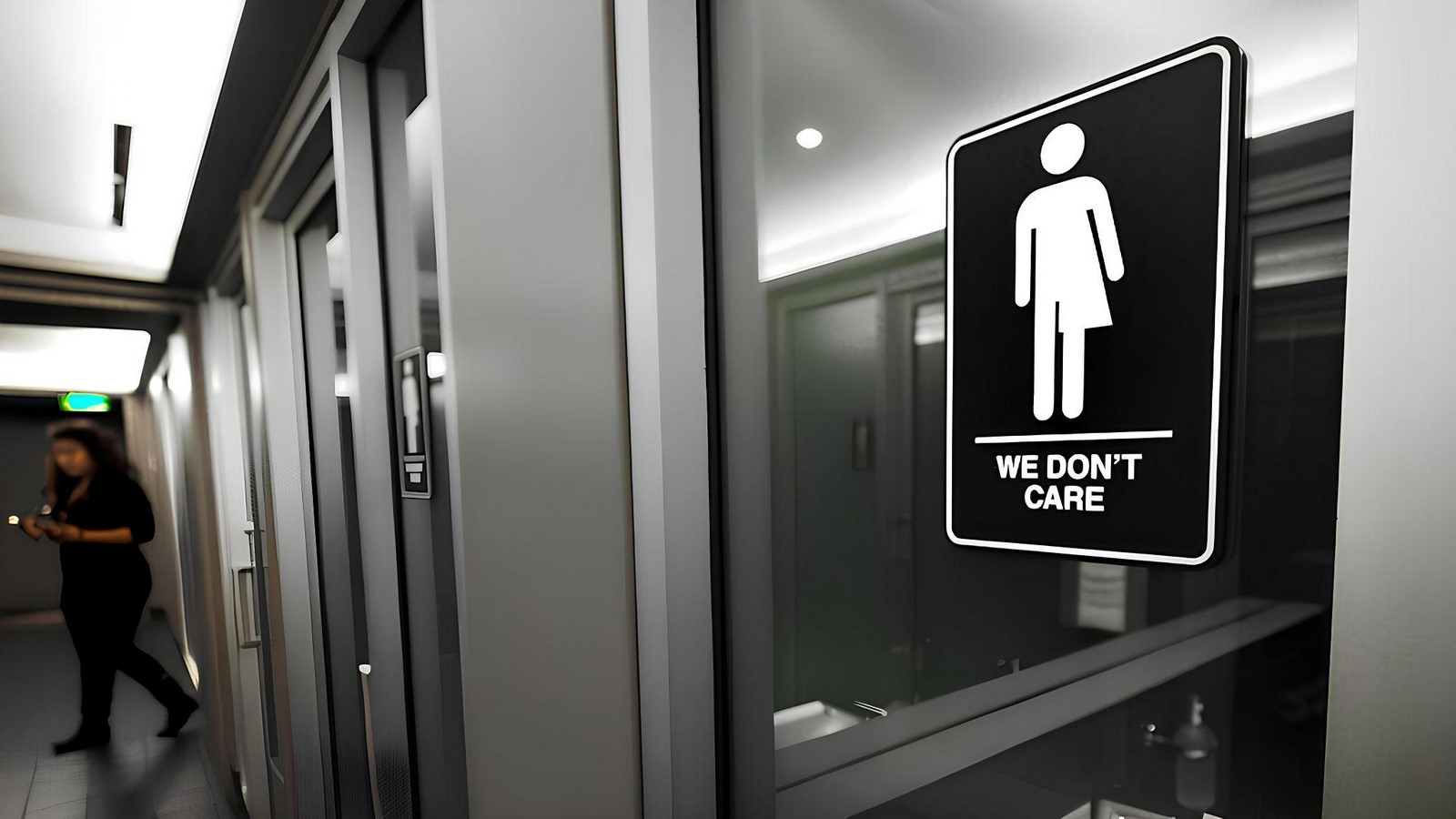
The creation of these spaces allows humans to connect, interact and learn about each other. These spaces help Empower an individual., allowing them to be less conscious about their features. This leads to the act of embracing individuality, thus promoting the feeling of accepting oneself and standing proudly.
Reference List:
- ArchDaily. (2023). Architecture and Gender: Waiting Places, Spaces of Privilege. [online] Available at: https://www.archdaily.com/1002789/architecture-and-gender-waiting-places-spaces-of-privilege [Accessed 24 Jul. 2023].
- ArchitectureAU. (n.d.). Exploring gender-sensitive design. [online] Available at: https://architectureau.com/articles/exploring-gender-sensitive-design/ [Accessed 25 Jul. 2023].
- Desai, M. (n.d.). UNIT 4 GENDER, SPACE AND ARCHITECTURE. [online] Available at: https://egyankosh.ac.in/bitstream/123456789/40687/1/Unit-4.pdf [Accessed 24 Jul. 2023].
- merveerkan1 (2018). Gender Effect on Architecture. [online] Architecture & Society | Mimarlık & Toplum. Available at: https://bilkentarch321.wordpress.com/2018/05/21/gender-effect-on-architecture/ [Accessed 25 Jul. 2023].
- Patil, C. (2021). How does architecture affect Gender, and how can architects use it to create equal spaces? [online] RTF | Rethinking The Future. Available at: https://www.re-thinkingthefuture.com/rtf-fresh-perspectives/a3326-how-does-architecture-affect-gender-and-how-can-architects-use-it-to-create-equal-spaces/ [Accessed 24 Jul. 2023].