The way we perceive intercultural connections, both now and in the past, has been significantly influenced by postcolonial philosophy. Since the 1980s, the lexicon of postcolonial theory, the concepts it uses to represent cultures and cultural interaction, has penetrated the rhetoric of contemporary politics, international Trade and all areas of academia. However, Homi K. Bhabha’s work has dominated discussions about postcolonial architecture. He employs the concept of ‘space’ and numerous other architectural analogies, making his work highly appealing to architects and architectural theorists. However, the political nature of his work prevents a simple application of his vocabulary to the study of particular cities and structures or to a more general historicization and theorisation of architecture. This book makes the case that Bhabha’s postcolonial approaches of criticism might aid in improving our comprehension of architecture and its professional practice.

Alterity
A key concept in postcolonial theory, hybridity has gained widespread acceptance in several academic fields, including anthropology, cultural studies, geography, literature, sociology, and architecture. From the perspective of postcolonial theory, hybridity has a variety of connotations in addition to the basic combination of components. It is seen as a location where cultural productivity occurs at various civilisations’ boundaries. The constant re-articulation and restoration of cultural components is made possible by this area.
The process of hybridisation, in which cultural components alter how they relate to one another and to one another and themselves, is another aspect of hybridity. Cultural distinctions are multiplied and perpetuated by these processes rather than dissipating or blending. The idea of cultural hybridity has several significant theoretical consequences as a result. It challenges binary systems of cultural analysis, undermines the idea of pure and homogeneous cultures, undermines authority by illuminating an endless cycle of cultural variation, and validates cultural practices that defy dominant classification schemes.
A value-added framework for understanding and studying the complexities of sociocultural interactions in colonial and modern global contexts is provided by hybridity in general. Away from simple categorisations and acknowledging the dynamic nature of culture, it encourages scholars. Researchers learn how cultures interact, develop, and challenge dominant narratives by embracing hybridity.
Bhabha suggests that cultural distinctiveness is a better approach than cultural diversity. In the Third Space, enunciation refers to the act of speaking or manifestation of civilisation. This process creates a barrier between the traditions of a reliable frame of reference and the rejection of the certainty of culture in expressing new cultural meanings and tactics as a practice of dominance or resistance in the political present. Cultural variety is categorised and compared, whereas cultural difference is an identification process. The reliance of colonial and post-colonial discourse on the idea of “fixity” in creating otherness is a significant component of these discourses. The stereotype depends on this idea of fixity, producing an identity derived from worry as much as mastery and pleasure.
Influence on Post-Colonial South Asia’s History
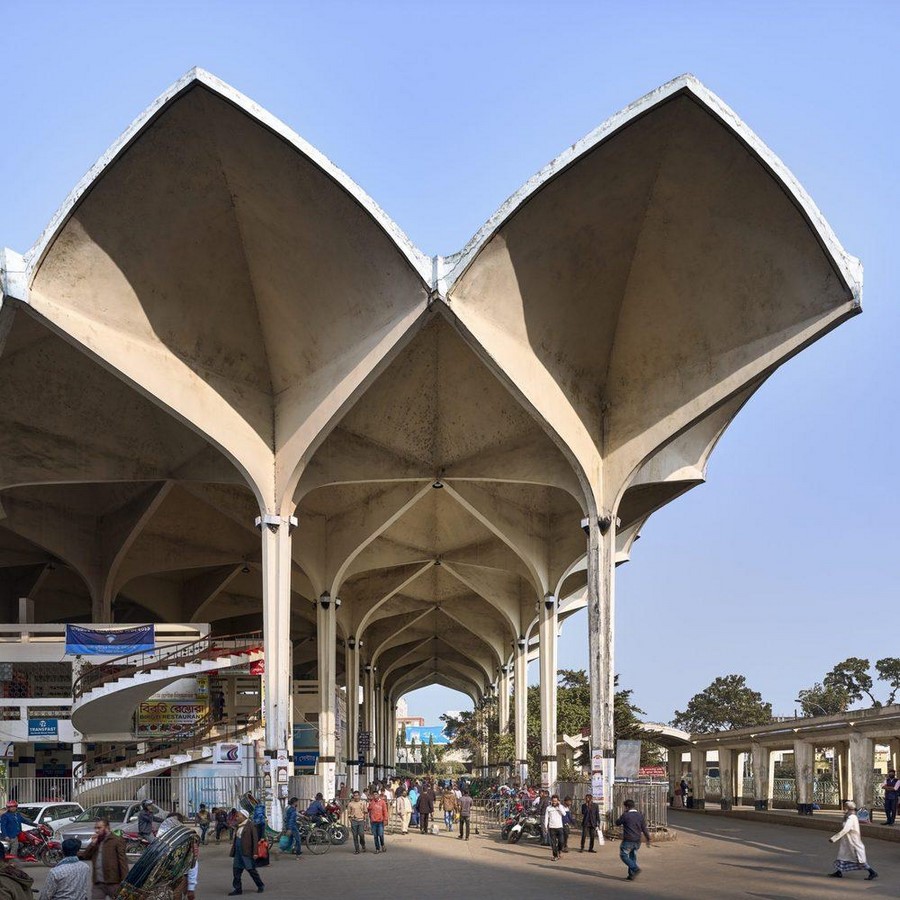
When people of a colonised civilisation mimic and adopt the colonisers’ culture, this presence is known as mimicry. It indicates dual articulation, a tactic appropriating the Other while visualising authority. Additionally, it is a warning sign for the improper, a difference or reluctance that reinforces the colonial power’s dominating strategic function, increases surveillance, and offers a danger to both “normalised” knowledge and disciplinary authority. According to Bhabha’s interpretation of imitation, The coloniser no longer identifies as a person without the coloniser present in his identity. He views imitation as a “double vision” that undermines the legitimacy of colonial discourse by exposing its duality. “The observer becomes the object of observation, and ‘partial’ representation reframes the idea of identity as a whole and separates it from its essential nature.

Third Space
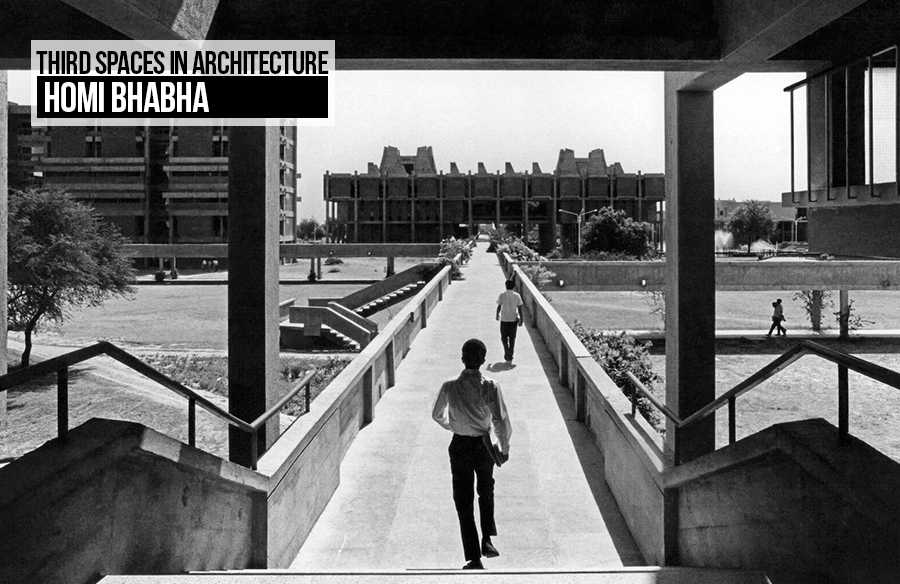
Contemporary cultural theory is fundamentally based on Homi K. Bhabha’s idea of the “Third Space.” Bhabha refers to it as the prerequisite for the expression of cultural significance. The fact that he places this idea at the centre of his debates on cultural variety and creativity, even though he needs to go into better detail about it, highlights how important it is. The Third Space acts as a crucial intersection and site of interaction between many cultures, enabling fresh concepts and meanings to emerge. It’s an environment where cultural diversity may be accepted and cherished, creating original and transformational cultural manifestations. About understanding and comprehending the intricacies of cultural identities in today’s globalised society, Bhabha places particular focus on the Third Space.

Homi Bhabha investigates colonialism‘s continuing presence and its effects on modern society. Although colonialism may seem like a bygone age to younger generations, it is still recent enough to be remembered by many people. Although in varied forms, the methods used to create and uphold colonial rule are being utilised today. It is revealed via the analysis of architectural case studies how architecture reinforces colonialism ideology by demeaning non-Western civilisations. This excludes non-western architectural styles from the mainstream Western architectural narrative. It makes the case that we may move towards a more inclusive and equitable future by identifying and refuting these narratives.
Reference:
Misra, T. (2022) Moma marks modernist architecture’s south asian moment, Bloomberg.com. Available at: https://www.bloomberg.com/news/features/2022-05-26/moma-marks-modernist-architecture-s-south-asian-moment (Accessed: 18 June 2023).
Mambrol, N. (2020) Homi Bhabha’s concept of hybridity, Literary Theory and Criticism. Available at: https://literariness.org/2016/04/08/homi-bhabhas-concept-of-hybridity/ (Accessed: 18 June 2023).
Homi K. Bhabha (2023) Wikipedia. Available at: https://en.wikipedia.org/wiki/Homi_K._Bhabha#Hybridity (Accessed: 18 June 2023).