The building and construction section is of great importance to the development of the African region, and the continent has all it takes to achieve this drive for sustainable construction. Sustainable architecture though quite different from its usual definition and application within the African region, as compared to how it is practised outside the shores of Africa. While the focus down here is hinged on construction cost effectiveness, durability, conserving energy, use of locally available and made materials, and a few other actions elsewhere, it means more than that.
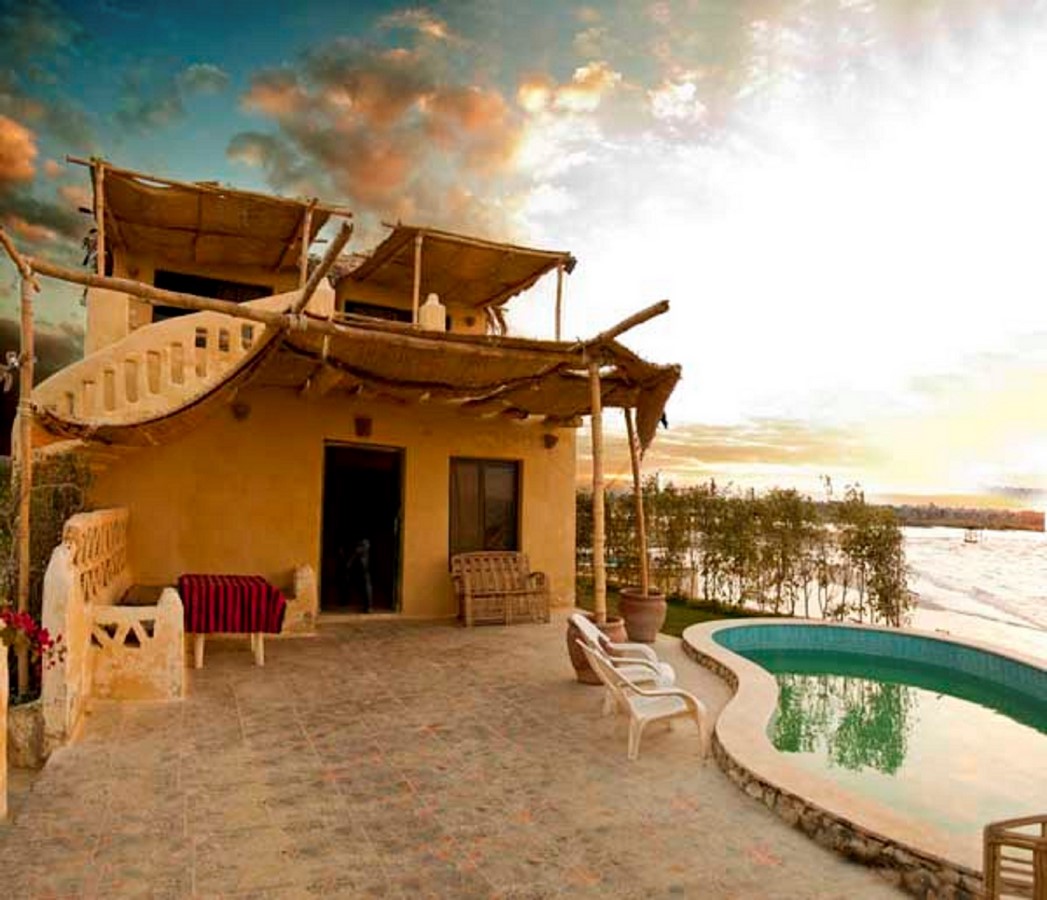
Ahead of 2050, according to global postulations, Africa will be home to 1.1 billion more people. That’s nearly 75% of the world’s projected population growth. Technically, there will be a huge demand for infrastructure. By that time, or before it, Africa will be placed on the global map of advanced development; the question is, what parameters will the augment be made with? Before the construction and execution of those buildings, whether residential or commercial or institutional buildings, designs will be made. What guidelines are used on the subject matter of sustainability to ensure it is at par with the global definition?
Seeing that we have such a great task ahead, we can also get such parameters right moving forward. We have a lot of industry regulators in Africa that can ensure this. One of which is the Green Building Council.
The Green Building Council in our Africa Regional Network is responding to all the challenges and helping to discover the opportunities on the ground. They are focusing on the following:
Implementation of the Priority areas
Key areas of interest and focus were set out in the Africa Manifesto for Sustainable Cities and the Built Environment. These priority areas were developed by a coalition of the Green Building Council with regional collaboration from the African Union (AU). First, the idea began by addressing the different levels of government and governance in Africa so that provisions could be made for a sustainability approach from that angle.
- We are accelerating climate action towards net zero carbon, healthy, resilient, and equitable built environments in Africa’s urban, suburban, and rural areas.
- Supporting the development of strong regulatory and voluntary frameworks. This had a lot to do with advocacy for stronger Nationally Determined Contributions.
- Train green building workers at all levels, both micro, small, and medium enterprises.
- Directing foreign, regional, and national investment supports into sustainable buildings.
Definitions
The sustainable building brings together three key factors: Ecology, Economics, and Social well-being. Ecology focuses on the environment, materials, resources, energy, etc; Economics focuses on the vitality of the project, while Social well-being looks at the interactivity, inclusiveness, and impact of the project.
By definition, sustainable building has no negative social, environmental, or economic impact on its users and location.
Sustainable buildings meet the needs of their owners and users over a lifespan with minimal unfavourable impacts while supporting and promoting economic, cultural, social, and ecological progress.
Design Guidelines and Performance Area
Generally, design begins with site selection. This single factor alone can determine the potency of the sustainability approach if not well considered or managed properly. A lot of impacts, vicinity, perspective, accessibility, and others have to be considered in the selection process to ensure the overall goal of the design is achieved.
Thermal Comfort
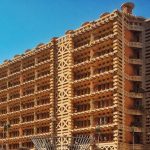
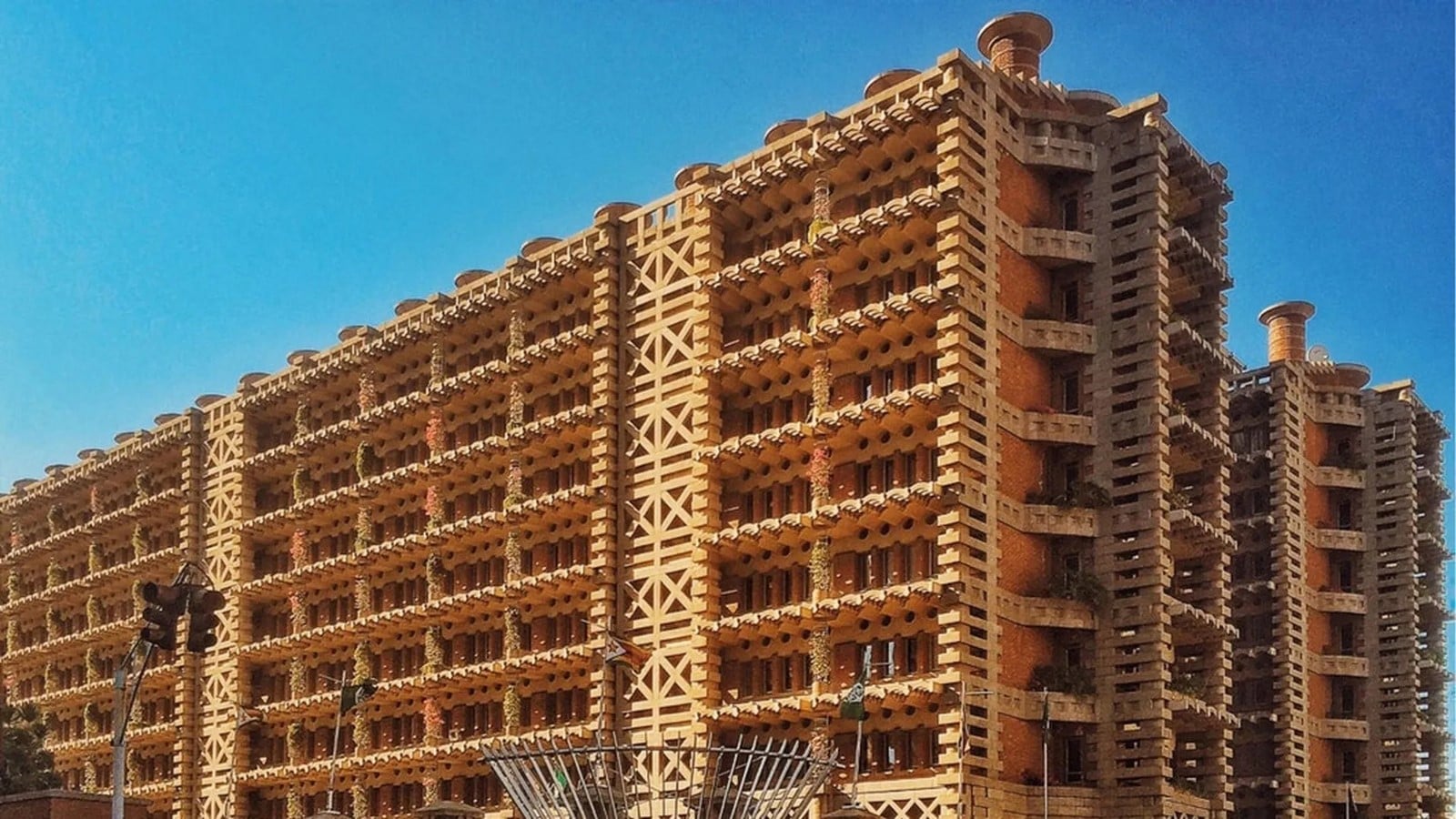
Not to be over-emphasized, our climate is hot and could be unassuming most of the seasons. Key design guidelines for any project are to ensure this is achieved seamlessly. The East Gate Centre, Harare, in Zimbabwe, by Mick Pearce & Arup Associates, is an example of a self-cooling facility imitating nature.
Integration and Preservation of Nature
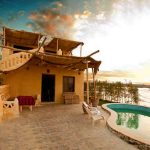
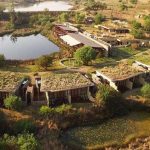
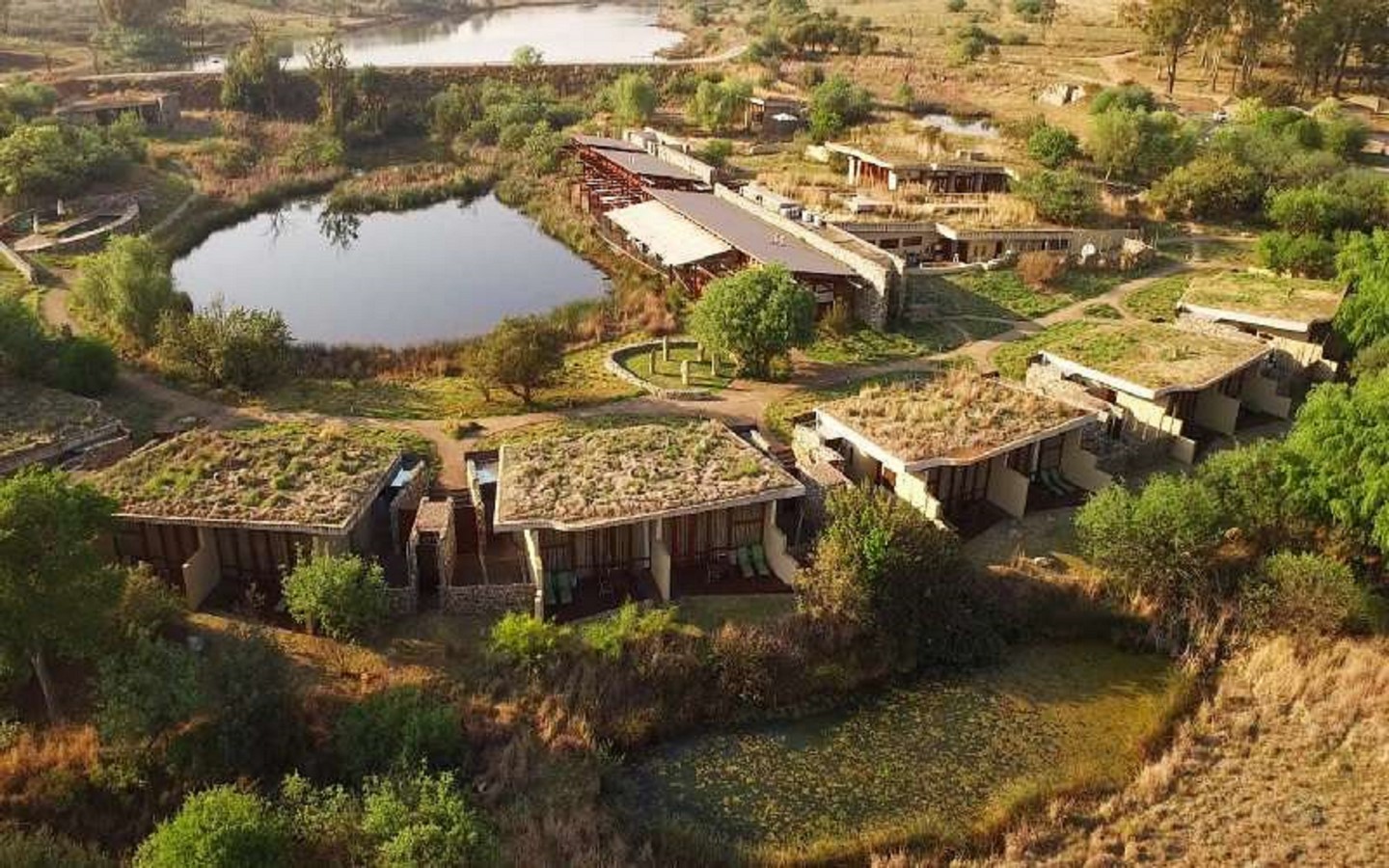
The Woodlands Spa and Forum of Homini Hotel in South Africa by Activate Architects exemplifies integration with nature. The project did not distort the environment and the wildlife around it; it was integrated. Old bricks were used for the construction, and other natural areas were preserved. Rooftop grazing was also allowed with the use of indigenous plants. Another example of this is the Karoo Wilderness Centre in South Africa, still by Field Architecture.
Recycling
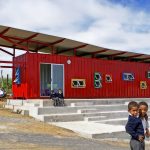
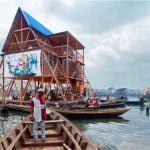
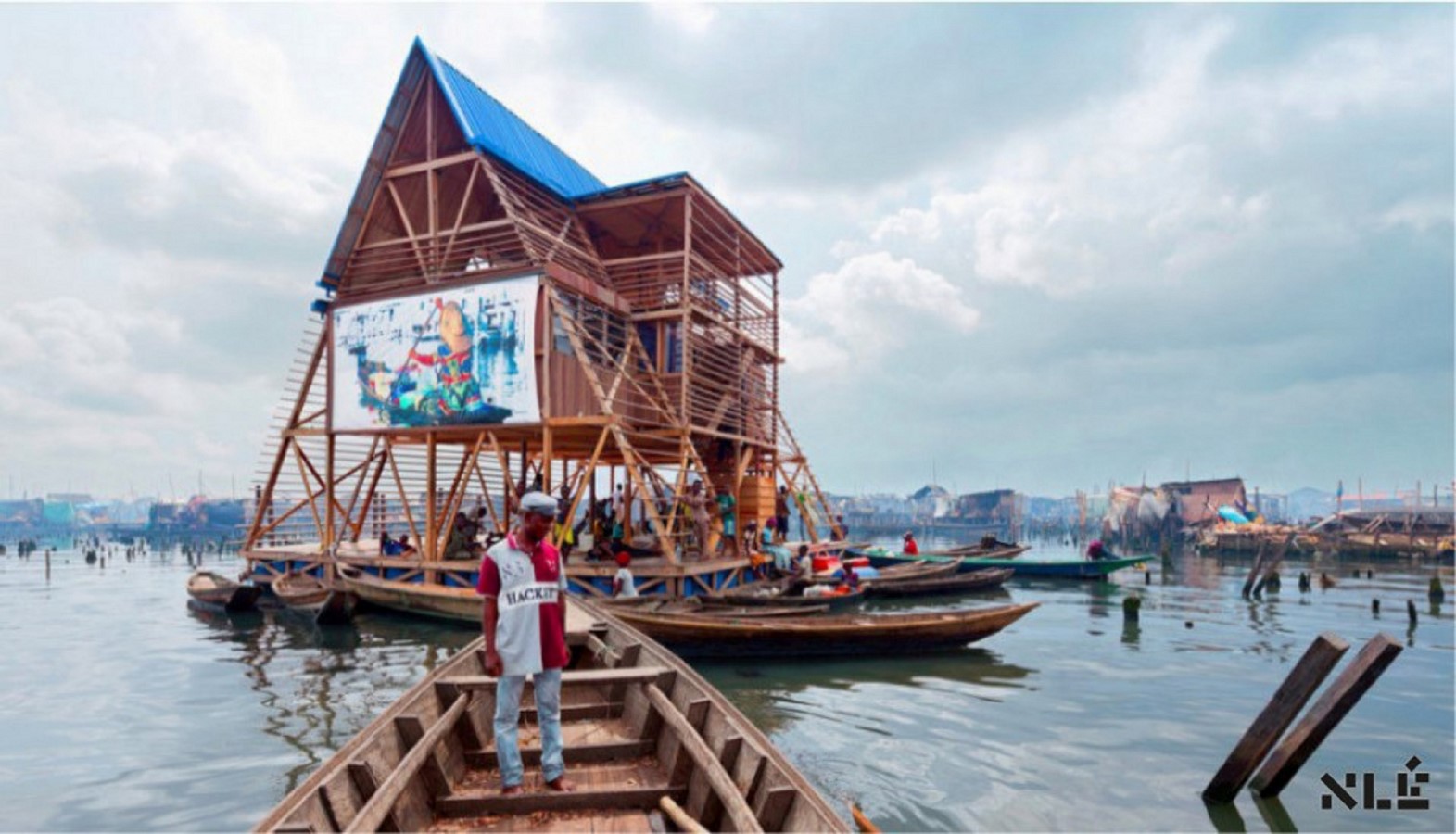
The construction of buildings consumes a lot of resources. These natural resources can be controlled by using less resource-intensive materials and by reusing materials and resources from previous works or other areas. An example of this design guild line is the Vissershok School, Durbanville, in South Africa, by Tsai Design. This building was made out of recycled shipping containers, already available in the region. The architecture supports thermal cooling, reduces heat gain, and provides good ventilation having a dual function of the classroom in the morning and a library in the afternoon. Another example of this is the floating school in Makoko, Lagos state, where rainwater harvesting is part of the design program for the school through sitting on the water and using solar energy.

Cost- Effectiveness
Construction cost is looked at in two ways. One is during the construction, and the other is post-construction cost. The latter comes from energy consumption, waste production, and maintenance of installed facilities. The former arises from using materials, technological applications, and manpower. The project also passes the self-sustenance performance check.
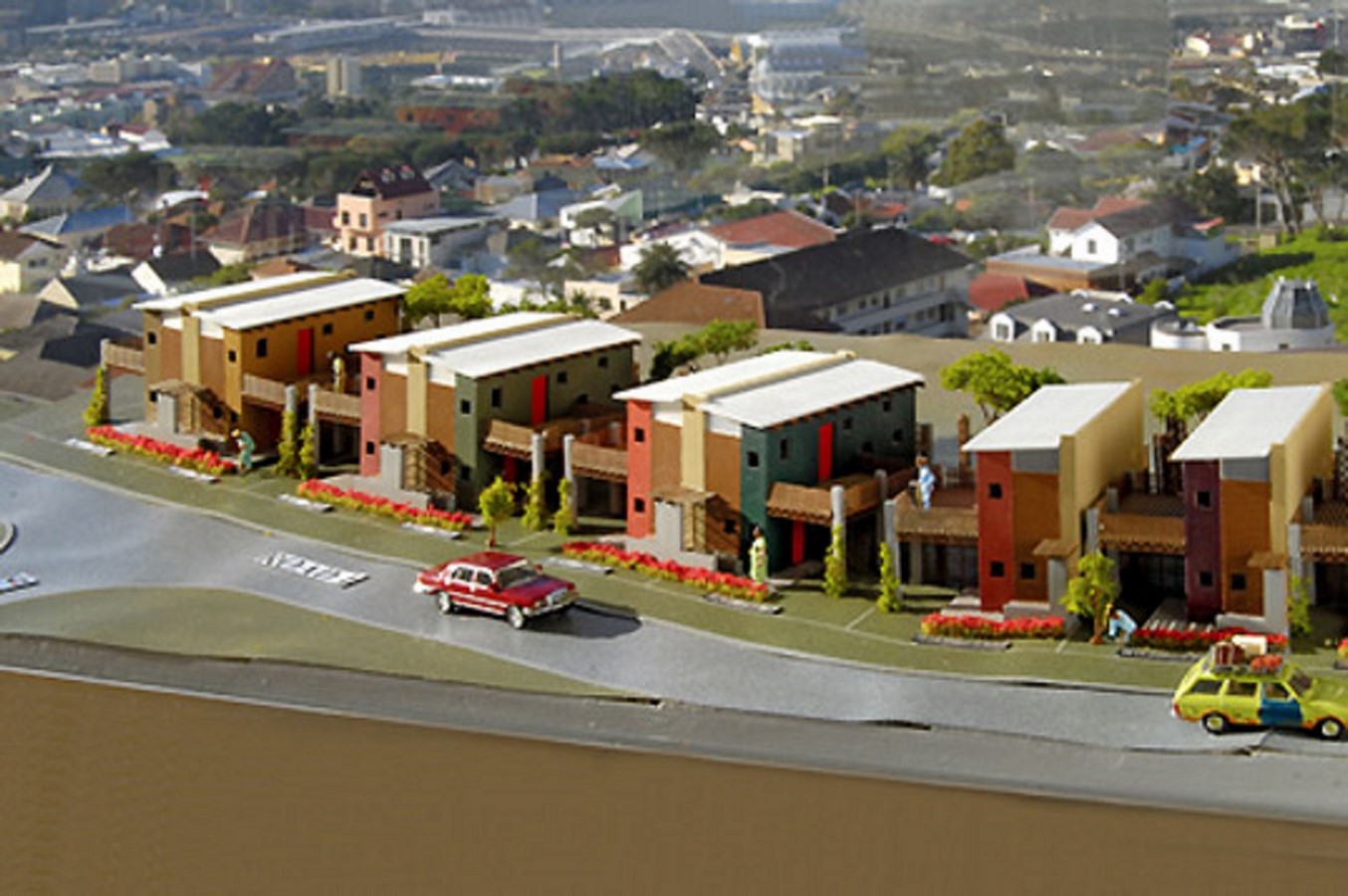
An example of cost-effectiveness is the Sandbag Houses in Cape Town, South Africa, by MMA Architects. The aim was not to conserve money but also resources. Local materials were used, thereby promoting local economics and transactions. The facility was built with an Eco-beams system, replacing the usual mortar and brick while maintaining such strength and affordability.
Conserving Energy
40% of the energy produced worldwide is consumed in buildings. There is that need for conservation, seeing the increasing need for buildings. This can be done using passive or highly efficient ventilation systems. Many examples of buildings now in Africa use 24-hour solar energy.
Local Materials
The use of materials original to a people can help promote not only their culture but economics. An example is the floating School, Makoko, in Lagos State, Nigeria, by NLÉ. This was made using locally-sourced wood and plastic drums to keep it resting on the water and was built by the locals. This, for us, is sustainable, as we dint have to implore advanced technology and manpower to achieve that. Another example is the Innonative home in Ghana, built with timber and adobe mud blocks. The house has no air-conditioning but uses sliding slatted-wood screens and floor-to-ceiling jalousie windows for cross ventilation.
In conclusion, key to Africa’s sustainability approach is using locally available materials and resources, with cost-effectiveness and energy conservation.
References:
Sustainable Buildings (2023) https://worldgbc.org/africa/ (Date accessed April 28, 2023)
Green Buildings in Africa (2023) https://www.smartcitiesdive.com/ex/sustainablecitiescollective/10-examples-green-architecture-africa/243566/ (Date accessed April 26, 2023)