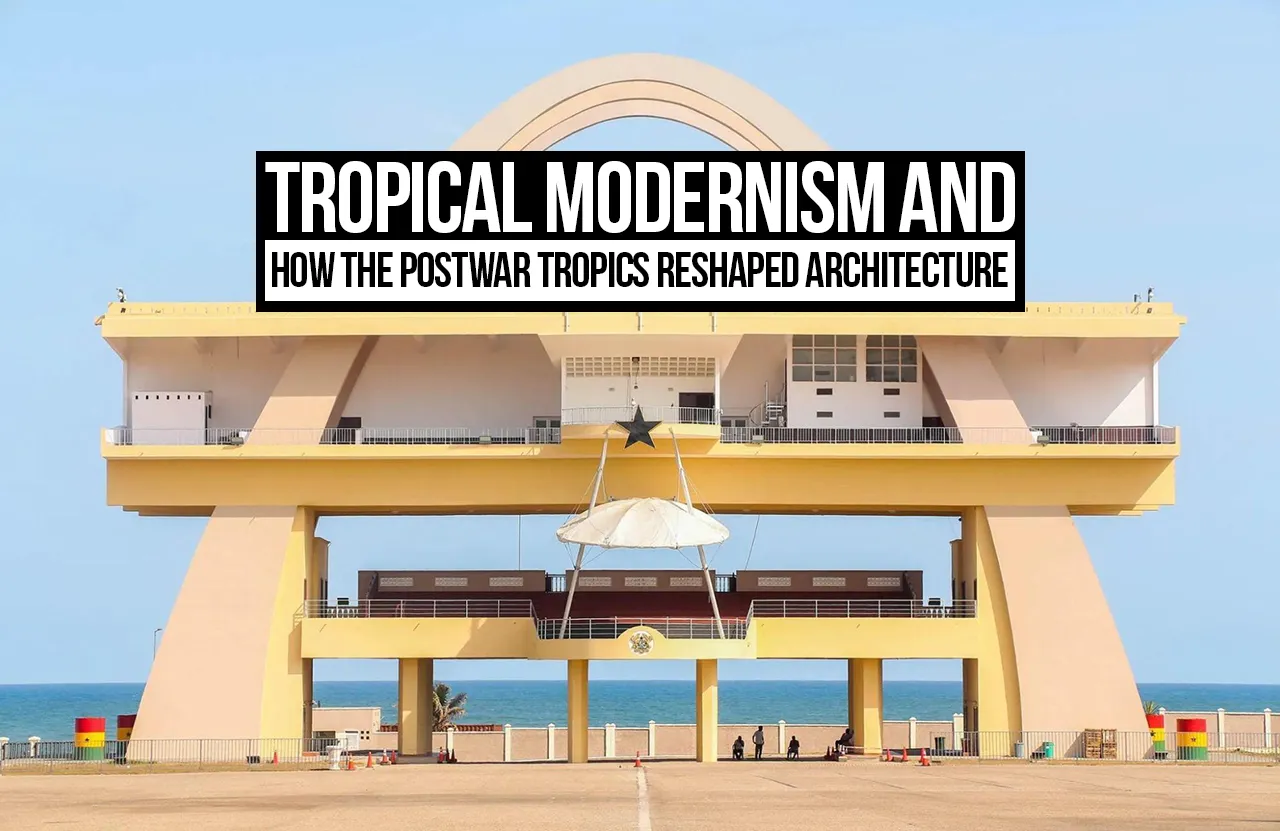
Concrete meets tropical lushness and sweltering sun in tropical modernism. Architecture modifies itself to battle the heat and cool the interiors, borrowing elements from native architecture while retaining a colonial language. Tropical Modernism may have arisen out of a need to adapt alien European architecture to the tropical context of colonies, but its ripple effects may have changed how architecture is situated in its context forever.
How Modernism adapted to give rise to Tropical Modernism
The bare language of steel, concrete, and glass of European architecture made its way to the tropics by way of colonisation. In the 1940s and 50s, the British government sought to invest in public infrastructure and modern education to curb increasing cries for independence in West Africa. Architects Jane Drew and Maxwell Fry took this opportunity to practice modernism in the tropics, helping pioneer tropical modernism.
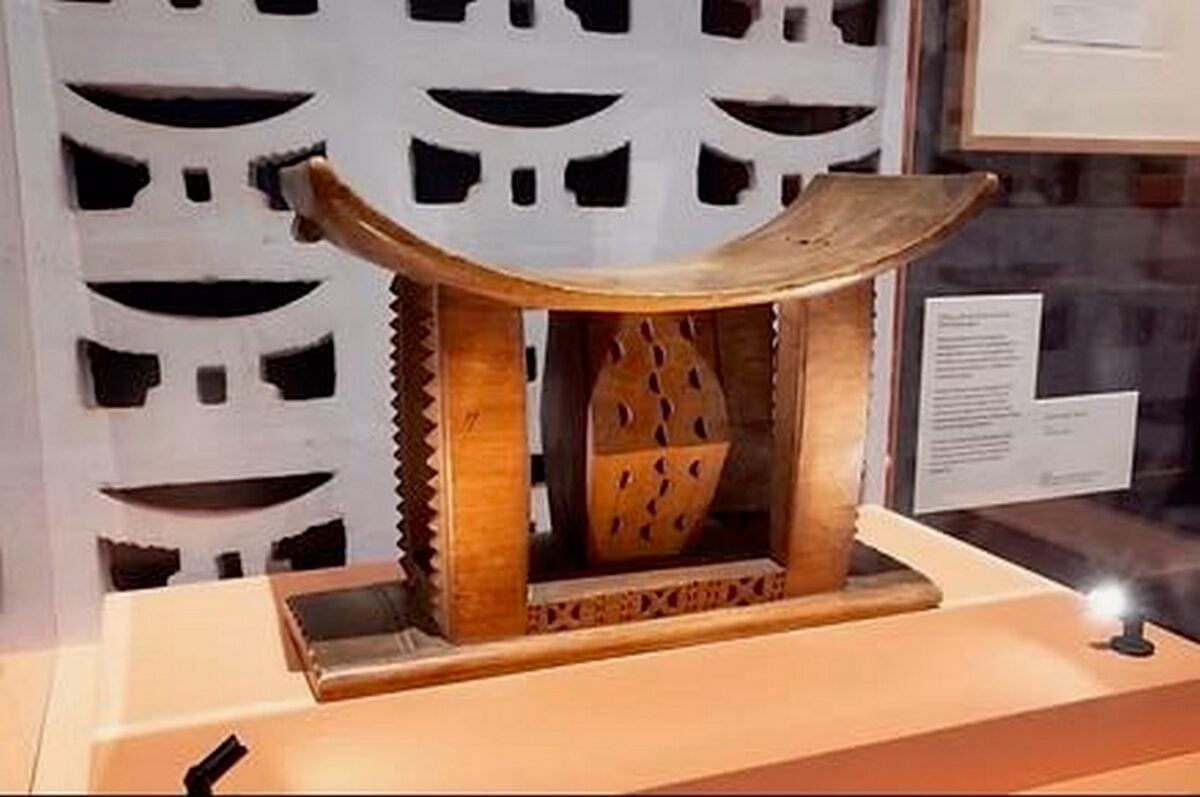
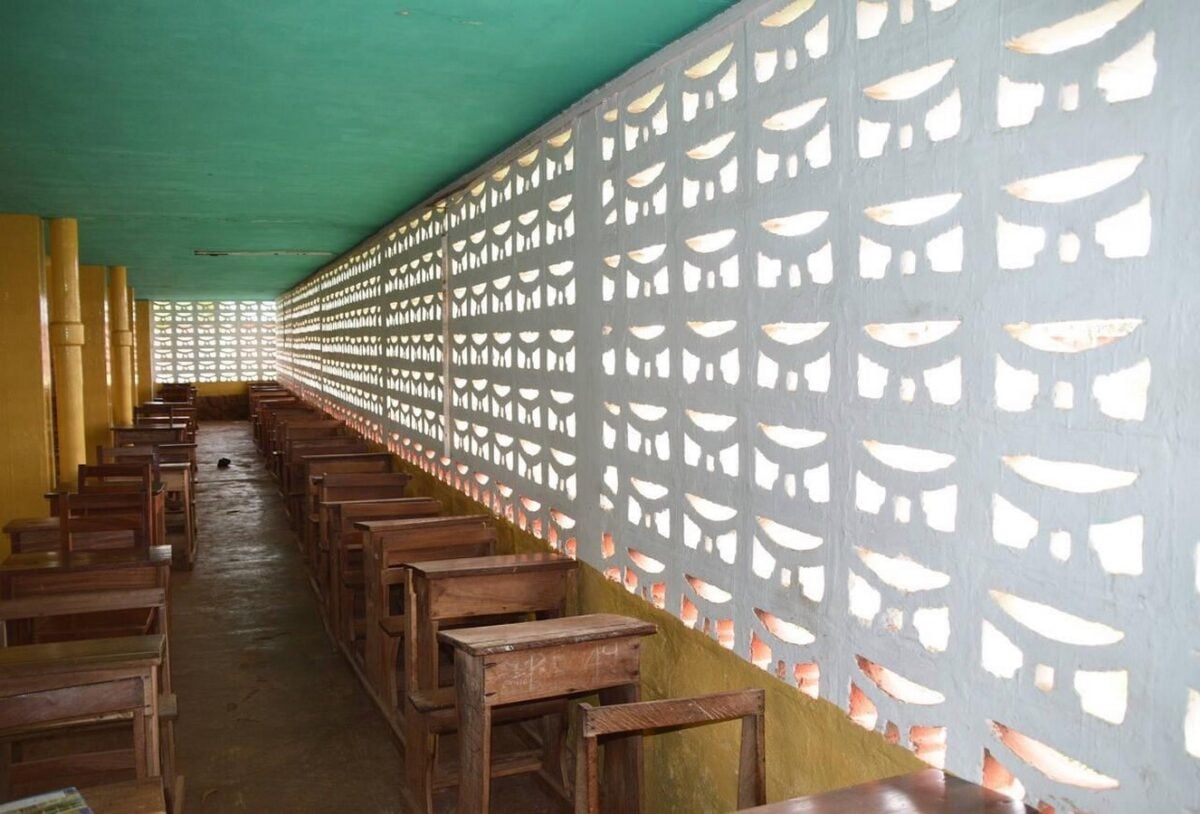
The architects used the latest environmental sciences to adapt the style designed for the European climate. By developing principles such as wide eaves and brise soleil, vernacular architecture components were included, helping shape the style as one that responds to the tropical climate. To fully place it in the context of the maximalist culture of the natives, the architects incorporated native design motifs. For example, in the Opoku Ware school, the brise soleil used an abstraction of the Ashanti stool, a deeply symbolic object in Akan culture, as a pattern.
 The politics of tropical modernism
Introduced by the coloniser to their colonies, tropical modernism still stayed alien to the land despite its adaptation to its context. The reinvention of modernism for a broader land of ‘tropics’ by generalising 40% of the world’s surface ignored the regional context of culture and climate. This raises questions about just how contextual the buildings were, despite the addition of traditional architectural elements.
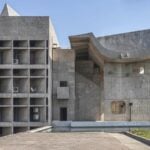
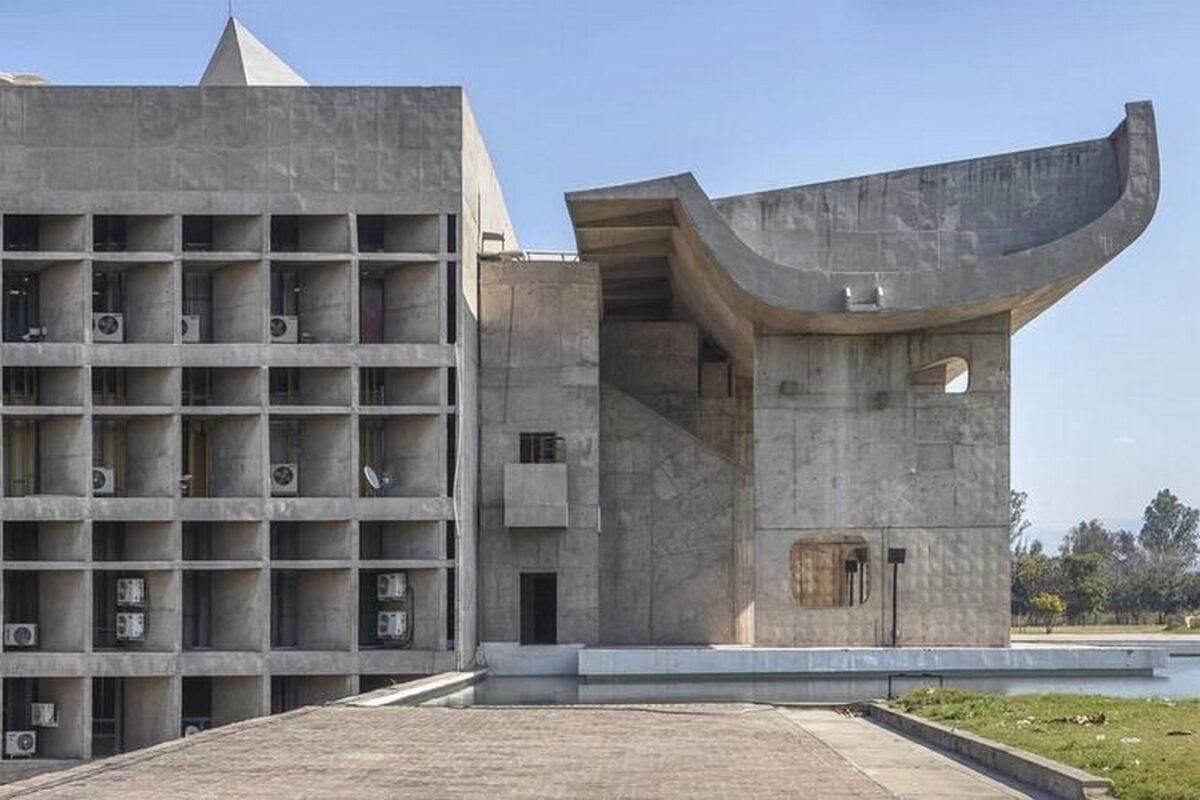
Shading elements became more than a heat buffer; they also became a spatial one. Verandahs became a classic example of how access to space is controlled and surveilled, providing a veil between the outside and the inside. In Chandigarh, climate buffering seemed to increase with rank, as housing was arranged according to administrative rank. Western African institutional buildings from the colonial regime have a specific architectural language with integrated standardized, climate-responsive design. Architecture becomes an extension of existing hierarchies where heat and its effects fall upon people unevenly.
Tropical Modernism’s redefinition by native architects
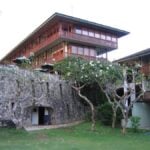
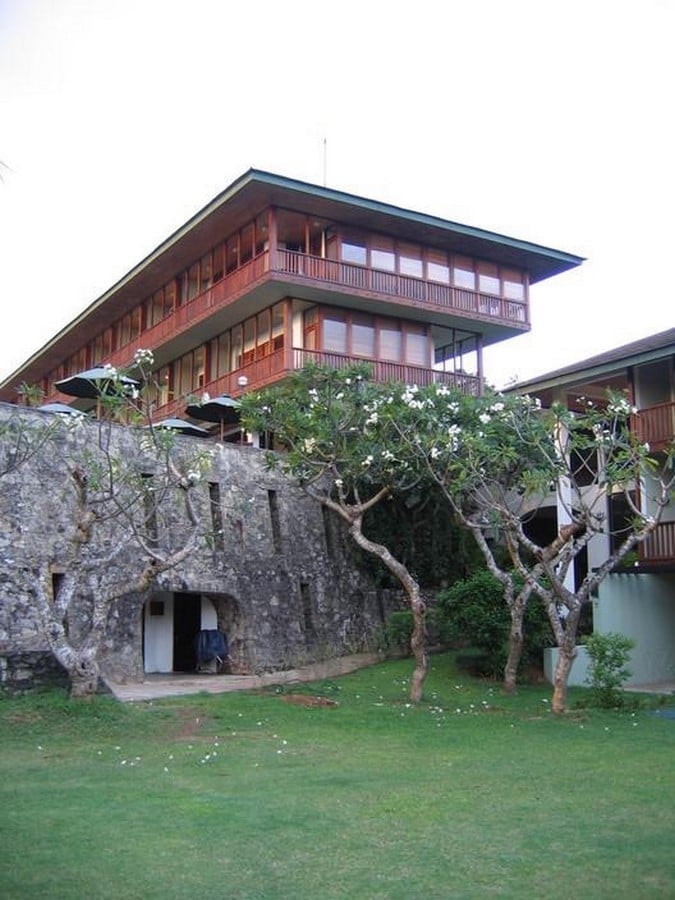
Despite a rather colonial introduction, the movement was embraced by native architects who made it their own. One of the more famous pioneers, Geoffrey Bawa, is a Sri Lankan architect known for blending modernism with the rich architectural style of his homeland. With a career span of five decades and over 200 buildings, his designs furthered the Tropical Modernism style, combining the traditional and the modern in trailblazing ways. Open floor plans and minimal decoration are juxtaposed with iconic traditional elements. His style turned foreign architecture into something fully Sri Lankan.
A lesser-known icon of the style is Minette De Silva. She is one of the most famous women architects and a pioneer of Sri Lankan Modernism. Her work took tropical modernism one step further to include artisanal traditions, earning livelihoods for craftspeople. She often experimented with indigenous methods such as wattle and daub, ensuring vernacular methods are carried over to the future. She also used a participatory approach to a housing development scheme for Kandy’s public servants in the 1950s, a revolutionary approach decade ahead of its time. By masterfully interweaving traditional building practices with modernism, her work ensured architecture remained sensitive to the context while looking to the future.
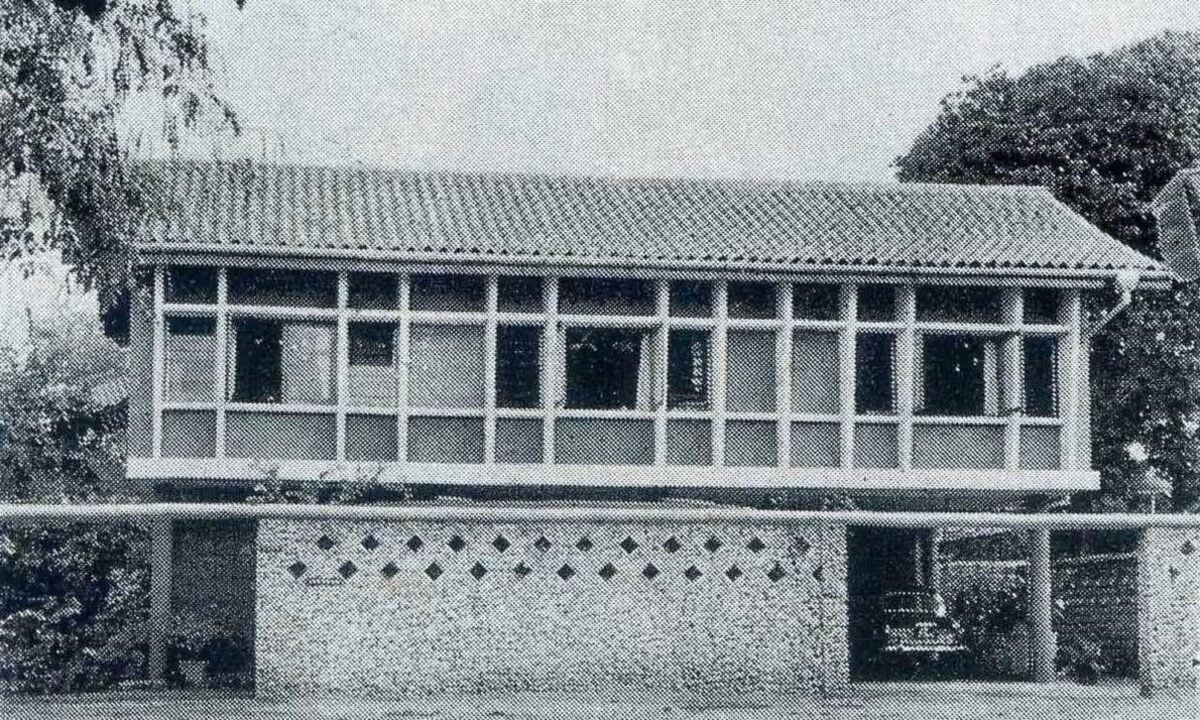
A decolonial return to contextual architecture?
The architectural style rooted modernism in its context, going against the rootless nature of modern architecture. The ideological differences of this style compared to its counterpart symbolising European colonial heritage made it an ideal choice to rebuild the postcolonial nations. Tropical Modernism was adopted by the former colonies to become an articulation of the postcolonial governments focused on growth.
This is exemplified by the planning and construction of the modernist city of Chandigarh in India by Le Corbusier. Locals were hired for the city’s development, directly feeding the local economy and boosting knowledge. In Ghana, tropical modernism grew as the dominant style as the then President Kwame Nkrumah encouraged Ghanaian architects to design the new country. The style soon became commonplace in postcolonial countries.
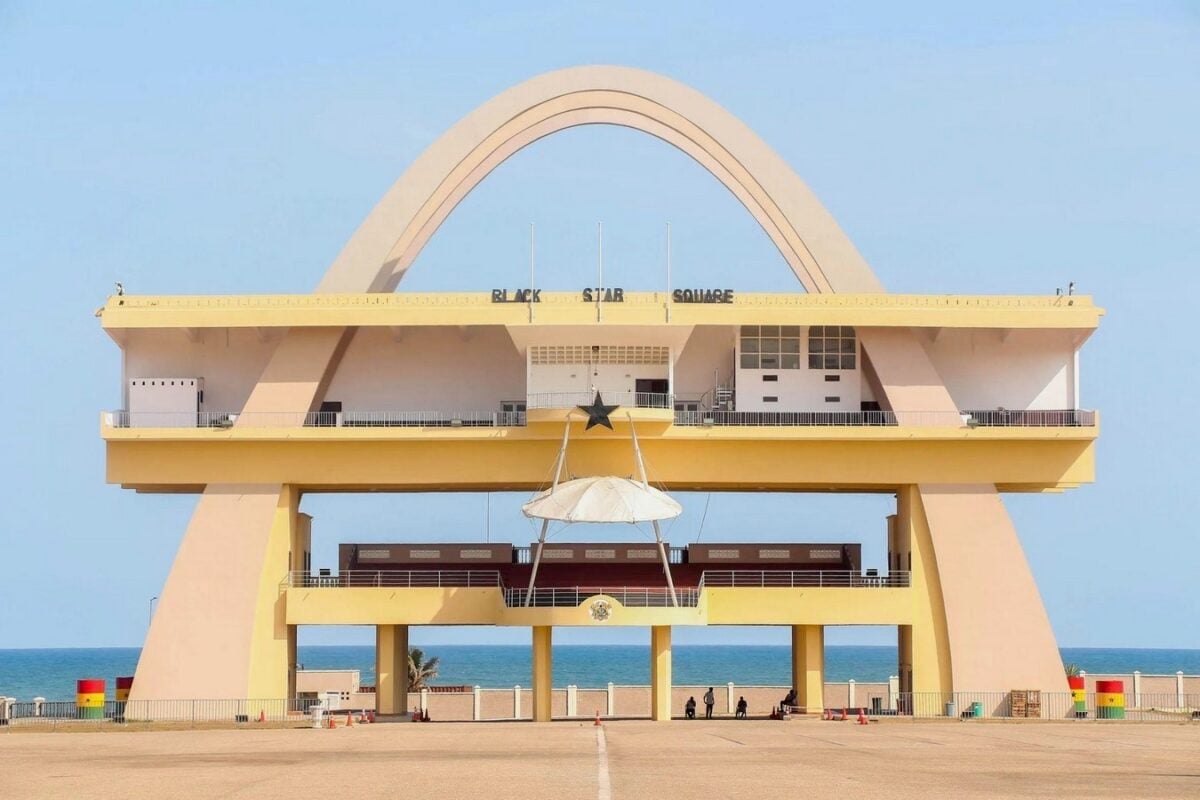
Tropical modernism may have changed architecture significantly. The style derived by anchoring modernism to the ‘tropics’ helped bring back contextual design and climatic considerations. It became a way for postcolonial countries to regain their identities while advancing themselves. Despite the layered politics of the style, native architects made it their own, furthering architecture in their home countries. A style introduced by colonisation became the very futuristic tool the postcolonial countries used to rebuild themselves.
References:
- Ananya Nayak. “Tropical Modernism Beyond Aesthetics: The Politics of Shade and Air ” 04 May 2026. ArchDaily. <https://www.archdaily.com/1041076/tropical-modernism-beyond-aesthetics-the-politics-of-shade-and-air> ISSN 0719-8884
- Jazeel, T. (2017). Tropical modernism/environmental nationalism: The politics of built space in postcolonial Sri Lanka. Fabrications, 27(2), pp.134–152. doi:10.1080/10331867.2017.1301856.
- Teuscher, L. (2025). Meet Minnette de Silva, the trailblazing Sri Lankan modernist architect. [online] wallpaper.com. Available at: https://www.wallpaper.com/architecture/minnette-de-silva-sri-lankan-modernist-architect
- Pinto, S. (2018). Minnette De Silva: The brilliant female architect forgotten by history. [online] the Guardian. Available at: https://www.theguardian.com/cities/2018/dec/14/minnette-de-silva-the-brilliant-female-architect-forgotten-by-history
- Victoria and Albert Museum. (2024). What is tropical modernism? · V&A. [online] Available at: https://www.vam.ac.uk/articles/what-is-tropical-modernism.
- Kunkel, P. (2019). Spotlight: Geoffrey Bawa. [online] ArchDaily. Available at: https://www.archdaily.com/770481/spotlight-geoffrey-bawa.
- Kaley Overstreet. “The Legacy of Jane Drew: A Trailblazer for Women in Architecture” 14 Mar 2023. ArchDaily. <https://www.archdaily.com/997916/the-legacy-of-jane-drew-a-trailblazer-for-women-in-architecture> ISSN 0719-8884
- Anderson, W. (2021). Decolonizing the foundation of tropical architecture. ABE Journal, 18. doi:10.4000/abe.9215.
- Loophole.art. (2024). Tropical modernism as a tool of postcolonial nation-building. [online] Available at: https://loophole.art/articles/tropical-modernism