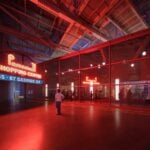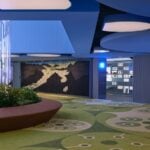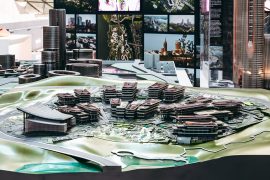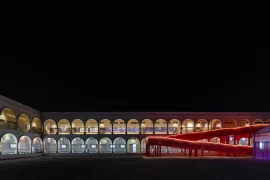
The Mall is a 24‑month exhibition at the Powerhouse Museum, marking the opening of its new building in Parramatta, West Sydney. Developed with OMA/AMO across design, research, and curatorial frameworks, it takes the shopping mall – one of the most influential urban typologies – as a lens to examine how malls absorb and generate contemporary urban conditions, reflecting shifts in lifestyles, technologies, and modes of consumption.
Project Name: The Mall at Powerhouse Parramatta
Studio Name: OMA
Location: Paramatta, Australia
Status: Construction
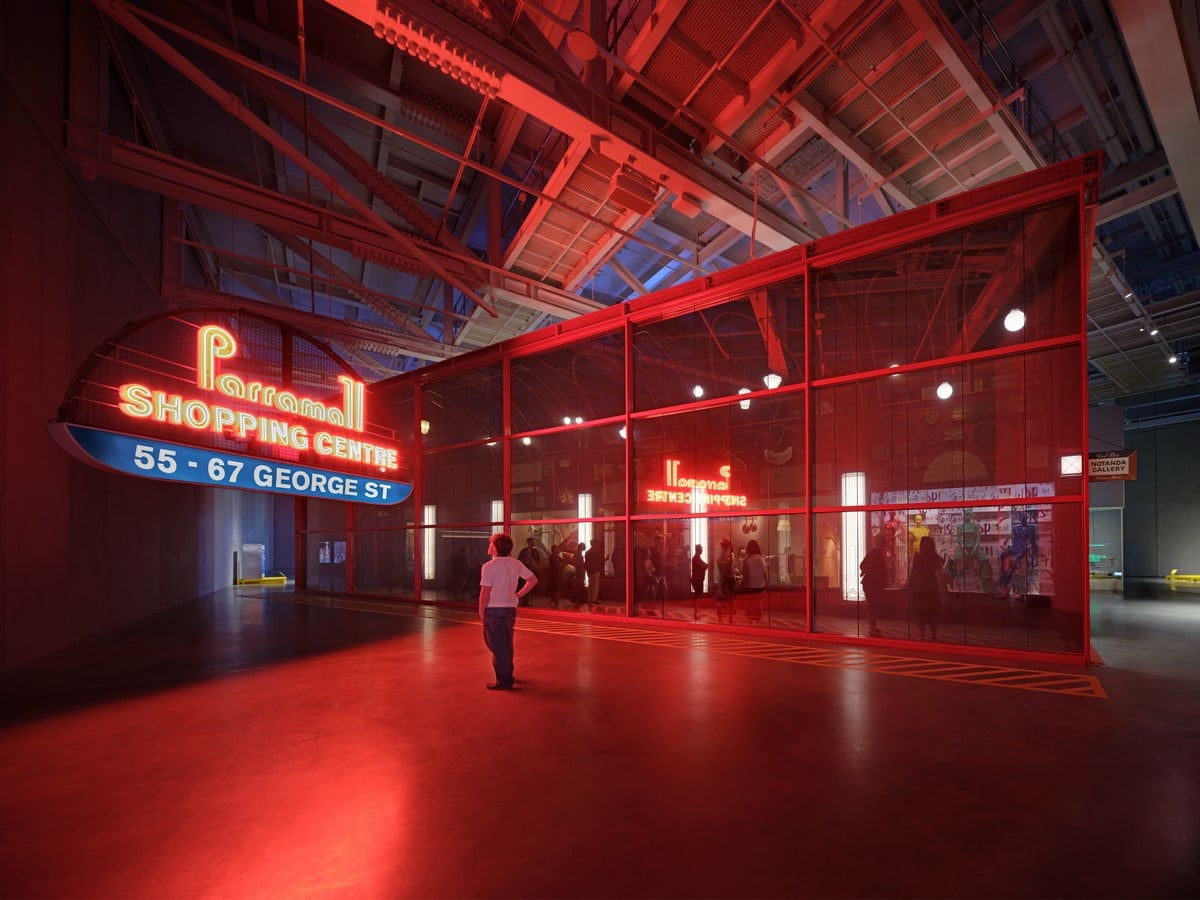
Westfield Parramatta (1975), once Australia’s largest mall, and Western Sydney’s role in pioneering a global model of large-scale, transport-integrated retail serve as key points of departure.
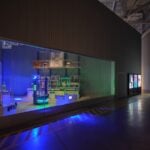
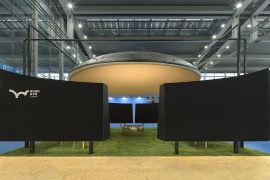
Presented in a black box gallery, the exhibition is organized around five thematic nodes: Desire, Arcade, Transaction, Ideal City, and Forum. Together, these examine both the visible experiences of malls and their hidden systems – spatial, technological, economic, cultural, and social – while questioning the mall’s civic role. Each node is defined by a distinct spatial geometry derived from OMA/AMO’s research into 101 malls worldwide. These forms function as both immersive environments and conceptual frameworks. Their richly curated interiors contrast with more anonymous exteriors, evoking a mall’s generic backstage conditions. Arranged as a cluster on a continuous ground plane referencing the suburban car park, the nodes form a non-linear network that encourages free movement, mirroring how visitors navigate malls.
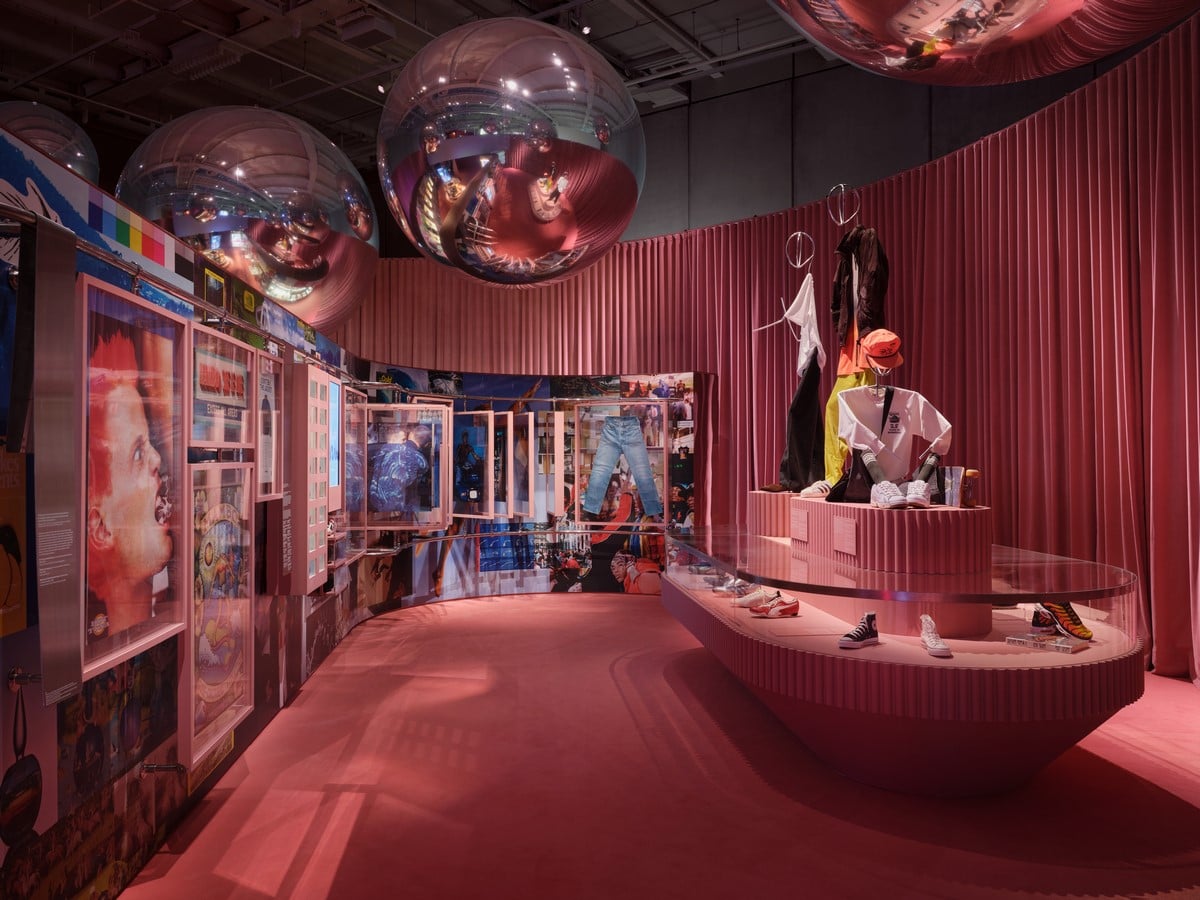
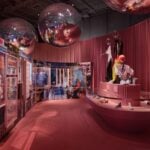
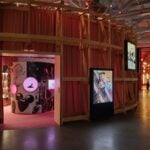
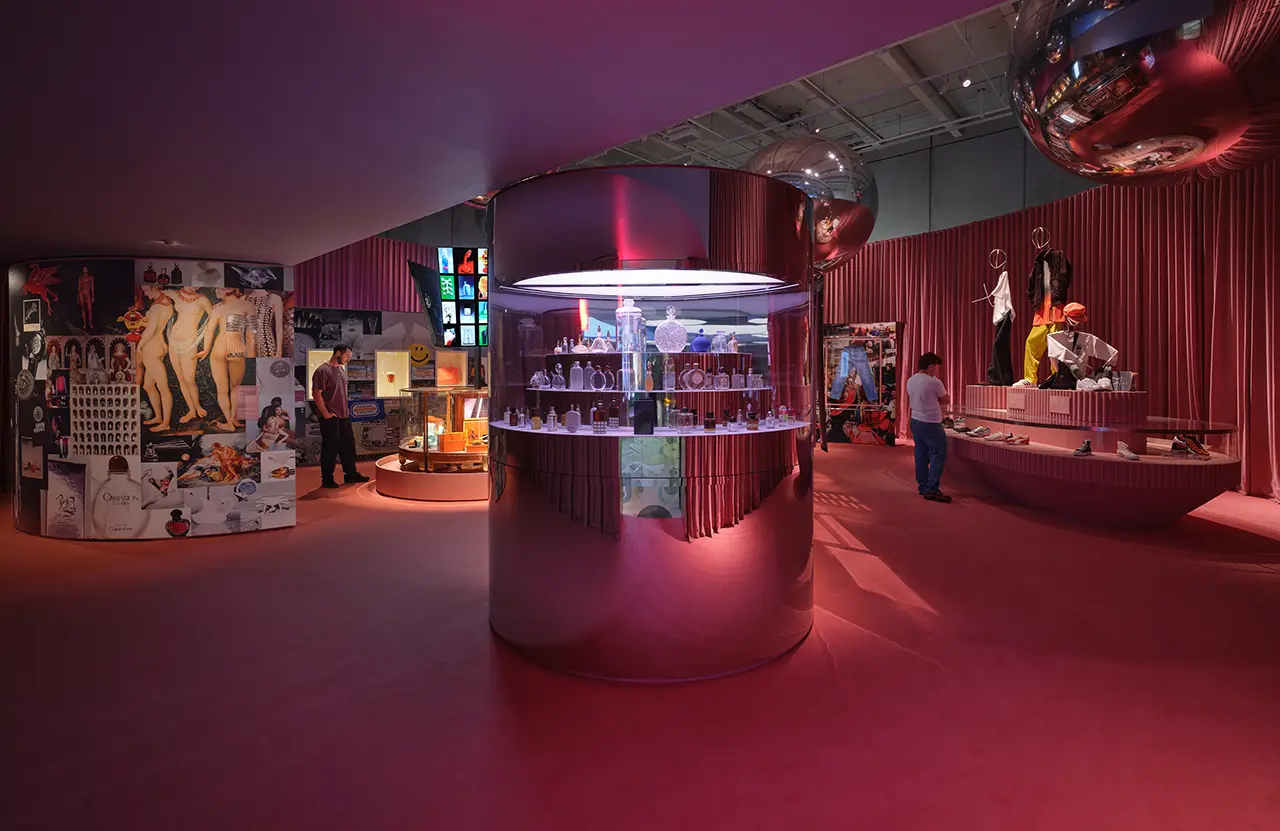
Desire, circular in form, explores shopping as an expression of longing. A velvet-like curtain embraces its interior – a nod to the intimacy of fitting rooms. A ribbon-shaped media wall displays imagery that constructs desire, forming pocketed spaces that present coveted objects ranging from fashion to domestic goods. Its labyrinthic layout fosters disorientation, echoing mall strategies that encourage wandering, while its exterior reveals a backstage condition, framing the interior as a stage for the production and exploitation of desire.
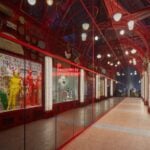
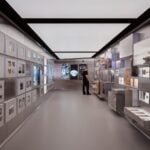
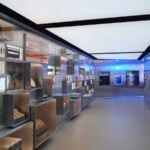
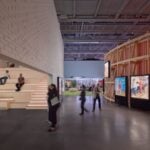
Arcade, an elongated, double-level space, reinterprets Sydney’s historic arcades – precursors to the contemporary mall. It combines arches, architectural fragments from the Powerhouse collection, mesh walls referencing museum storage, shop windows, and a one-way mirror. Openings above the display windows reference the façades of lost arcades, visually linking the levels. The one-way mirror collapses distinctions between observer and observed: visitors inside the arcade both view and become part of the spectacle for those outside.
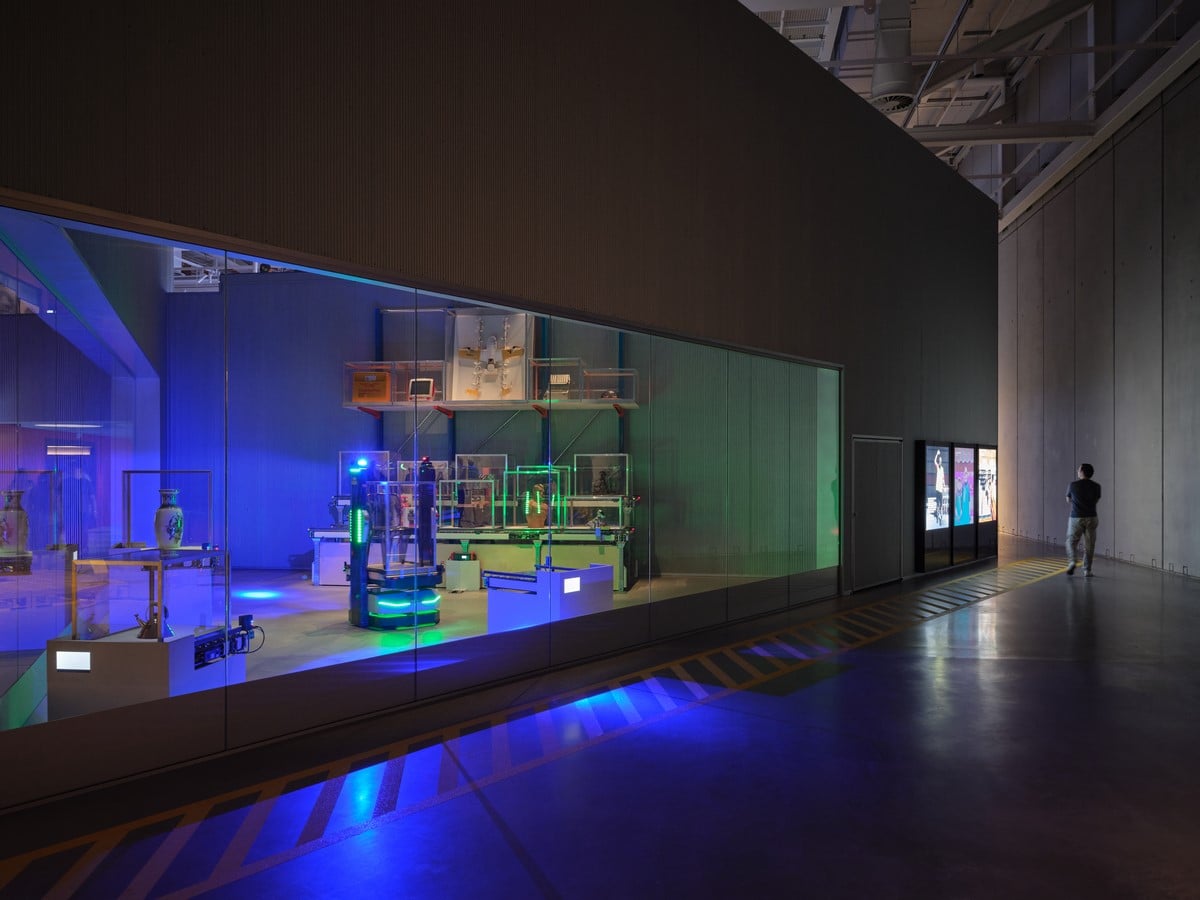
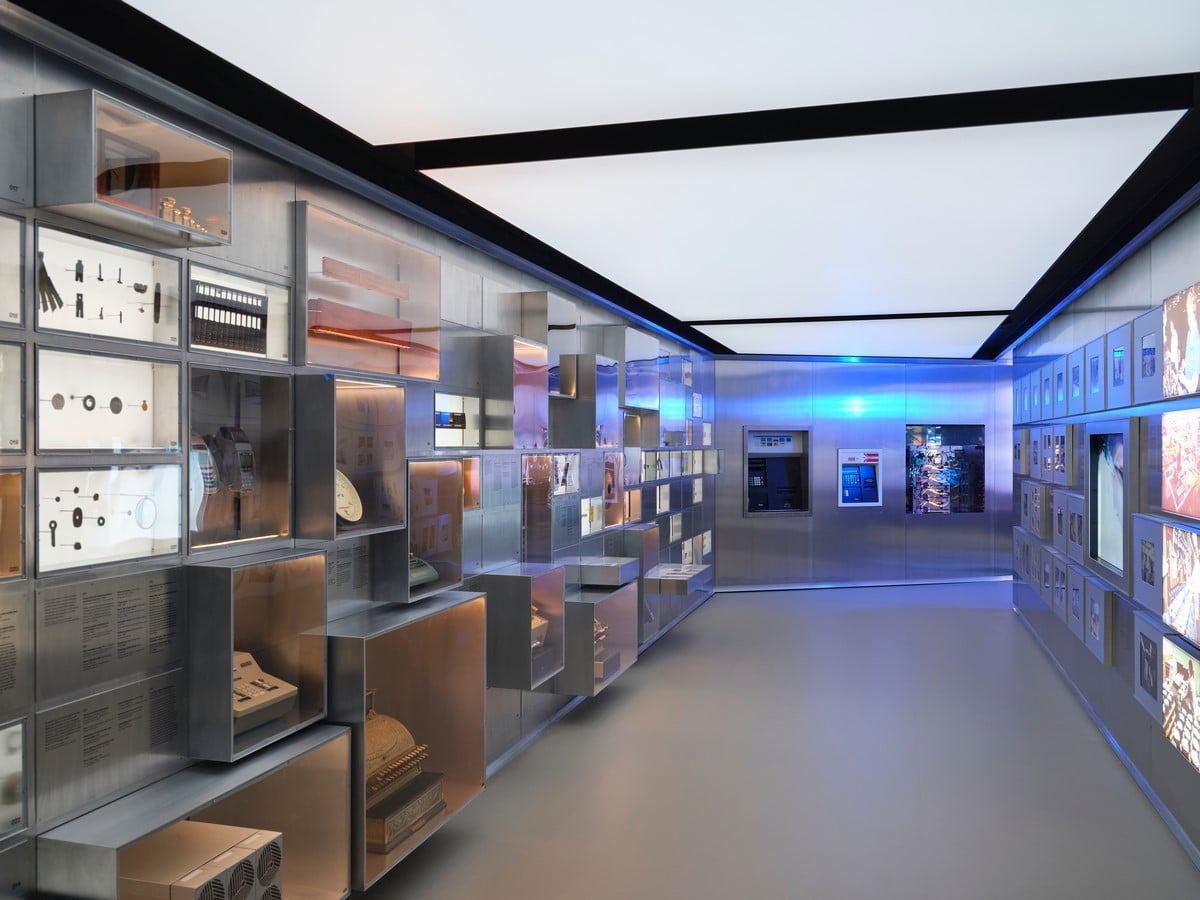
Transaction addresses the mall’s infrastructural and financial systems. Defined by a metallic triangular form, it features a large-scale artwork by yang02 critiquing logistics and fulfilment. A wall referencing bank safety deposit boxes traces the evolution of currencies and payment systems, revealing the mechanisms underpinning retail environments.
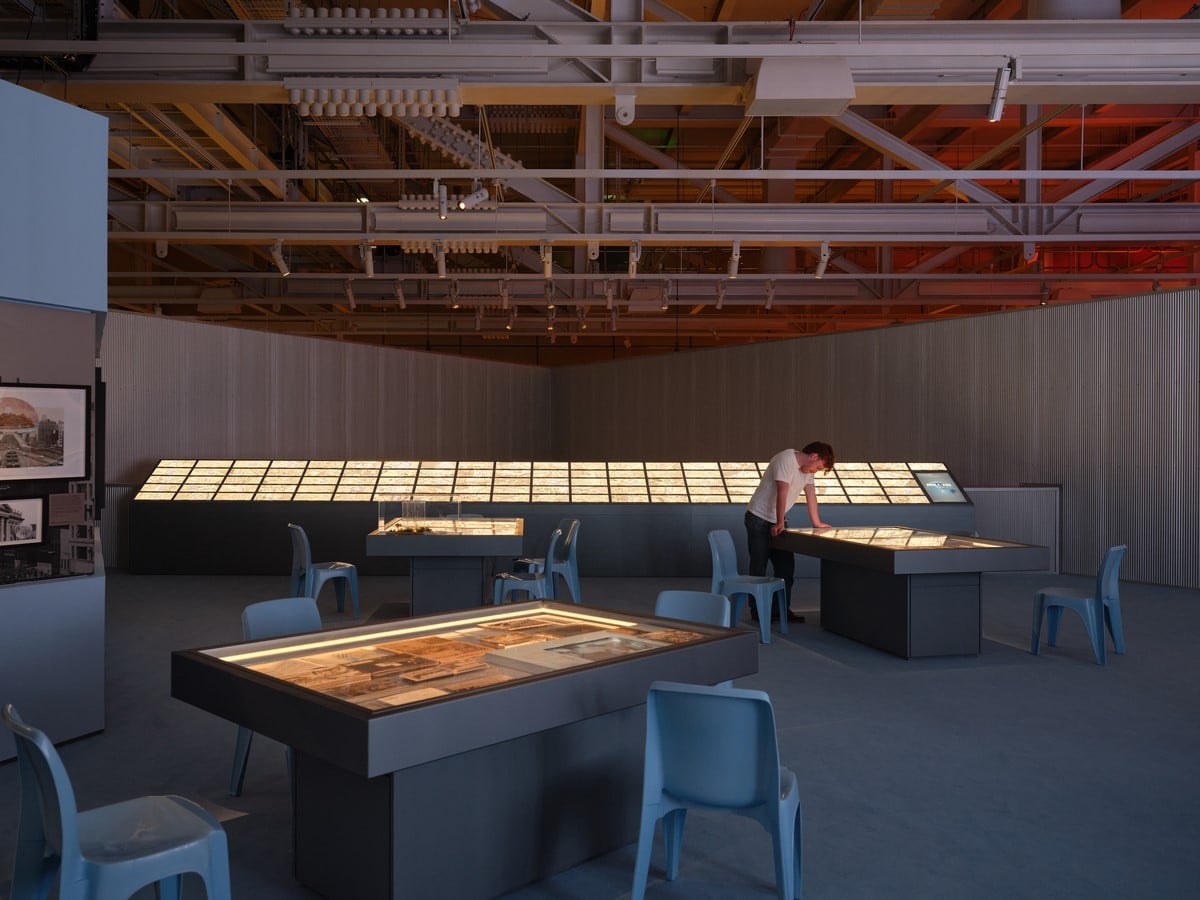
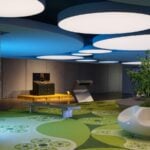
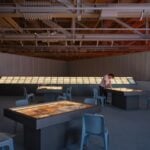
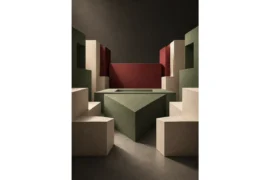
Ideal City, located at the center, is a double-level space evoking the food court and the mall’s role as a social condenser. At the mezzanine level, archival materials from Victor Gruen –designer of one of the first enclosed malls – are presented alongside work by Archigram and Japan’s Metabolists. Drawn from the Library of Congress, the American Heritage Center, and Gruen Associates, this material highlights the mall’s original postwar ambition as a civic project rather than merely a commercial enterprise. Here, tables function as both display surfaces and gathering points, while a central opening reveals a reinterpretation of the Roselands Shopping Centre fountain below. Furniture by Elsie Krummeck and Gruen’s Cellular Metropolis carpet reinforce mid-century visions of socially cohesive, human-scaled environments, situating the mall within broader histories of architectural utopianism.
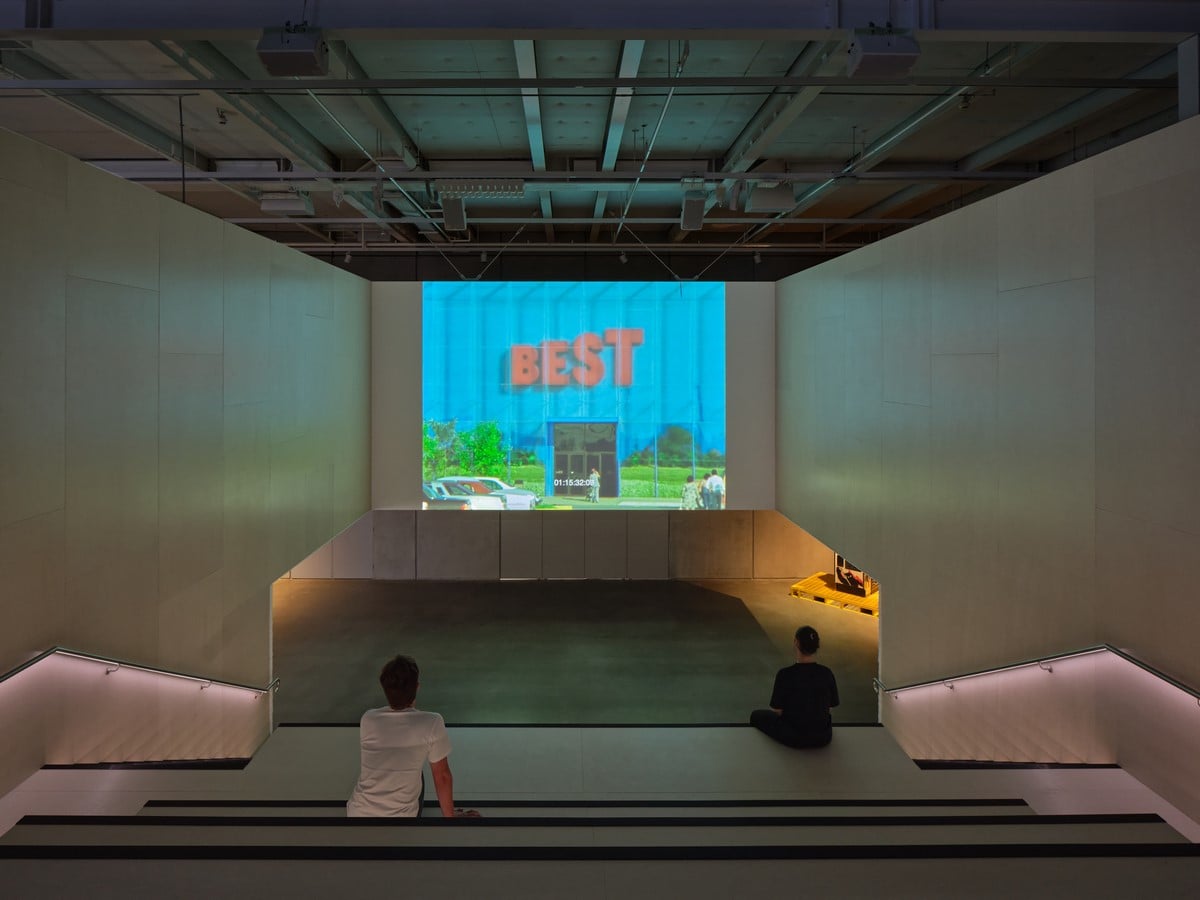
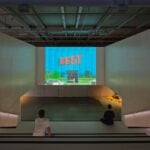
Forum, a rectangular space conceived as an agora, hosts screenings and public programmes, emphasizing the mall as a site of collective activity. Its brick façade references the big-box stores of American suburbs in the 1960s and 1970s.