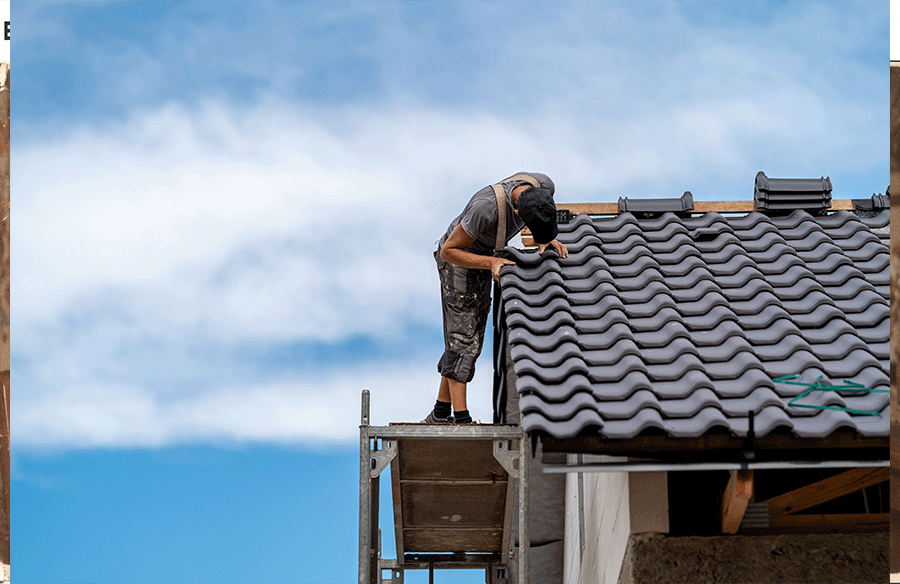
Replacing an old roof is a significant home improvement job and should be planned properly. Although it might seem like the only problems that come up over the years are worn or missing shingles, several issues can occur under the roof’s surface. Several issues can impact the performance of a new roof, including damaged roof decking, inadequate ventilation, deteriorating flashing and moisture build-up.
To ensure long-term durability, homeowners should know the condition of the roofing system, the materials on the market, and the installation process and requirements that can affect durability. These factors can all cause unnecessary costs if not addressed at a young age, and can ensure that the new roof will function as intended.
1. Roof Decking Condition Surpasses Its Appearance
The state of the roof decking is one of the most critical issues when replacing an old roof. The wooden surface that is connected to the roof framing that the shingles and underlayment are placed on. Over the years, moisture can cause parts of decking to become soft and prone to falling off and/or not securely hold roofing nails. Some of these issues may not be visible from the outside and could only be discovered when the old roofing materials are removed.
A contractor needs to inspect the exposed decking prior to putting in new products. Having damaged areas replaced is necessary because if they are not, new shingles will not be able to make up for an unstable foundation. Another aspect that homeowners should think about is the cost of extra decking repairs before work commences, so that they do not have to pay out any extra costs for repairs not anticipated.
2. Resolve Existing Ventilation Issues before Installing a New Canopy
When replacing a roof, you can also address ventilation issues that could have caused damage to the existing roof. Moisture and heat can build up in the attic where there’s poor ventilation, causing damage to the roof’s components from the bottom up. Experience and inspection practices are other factors to consider when assessing contractors who are reliable, such as a Cherry Hill roofing company.
The evaluation should include the visible shingles and ensure that the existing ventilation system is operating as expected. A good system prevents intake ventilation, typically through soffit vents, with exhaust ventilation at or near the roof ridge or other location deemed appropriate. Also, check for any obstacles to the soffit vents. These problems can be avoided in replacement to limit moisture damage and enhance roof performance.
3. When Choosing Roofing Material, More than Just the Upfront Costs Come into Play
The lowest-cost roofing material for a structure is not always the most cost-effective choice over time. Installation requirements, maintenance requirements, weather resistance and life expectancy vary between different materials. For example, architectural asphalt shingles provide a compromise of looks, price and longevity. But they are dependent on correct installation, type of underlayment, correct fastening and roof slope to perform adequately. House owners should also look at the manufacturers’ warranty requirements. Some warranties include requirements for approved installation practices, types of underlayment, ventilation, and accessory components. Failure to select materials based on these requirements may have a negative impact on future warranty claims.
4. Many Roofing Transitions and Flashing Warrant Special Attention
In addition to many shingle-covered roofs, the corner areas around chimneys, skylights, plumbing vents, valleys and wall intersections are locations where many roof leaks occur. Correctly installed flashing is essential to redirect water away from vulnerable areas in these areas. When replacing, old flashing must be thoroughly reviewed in lieu of being reused. The step flashing, counter flashing and valley protection should be chosen and connected with the roof design and according to applicable building requirements. These are areas where poor detailing may permit water to get under the properly installed shingles.
5. Know the Total Extension of the Replacement Contract
Homeowners should be given a written estimate detailing the specifics of the project prior to work being completed. It should include the materials used for roofing, underlayment, flashing, ventilation enhancements, disposal plans and the process for damaged decking. It should also state who is responsible for getting the required permits, how unacceptable structural flaws will be addressed, and what the workmanship and material warranties include.
Key Takeaway
When it’s time to replace your roof, you’re faced with the opportunity to fix weaknesses that have built up over many years. By paying attention to these details, selecting the right materials, and carefully inspecting the roof, homeowners can avoid repetition of the same issues with a brand new roof.