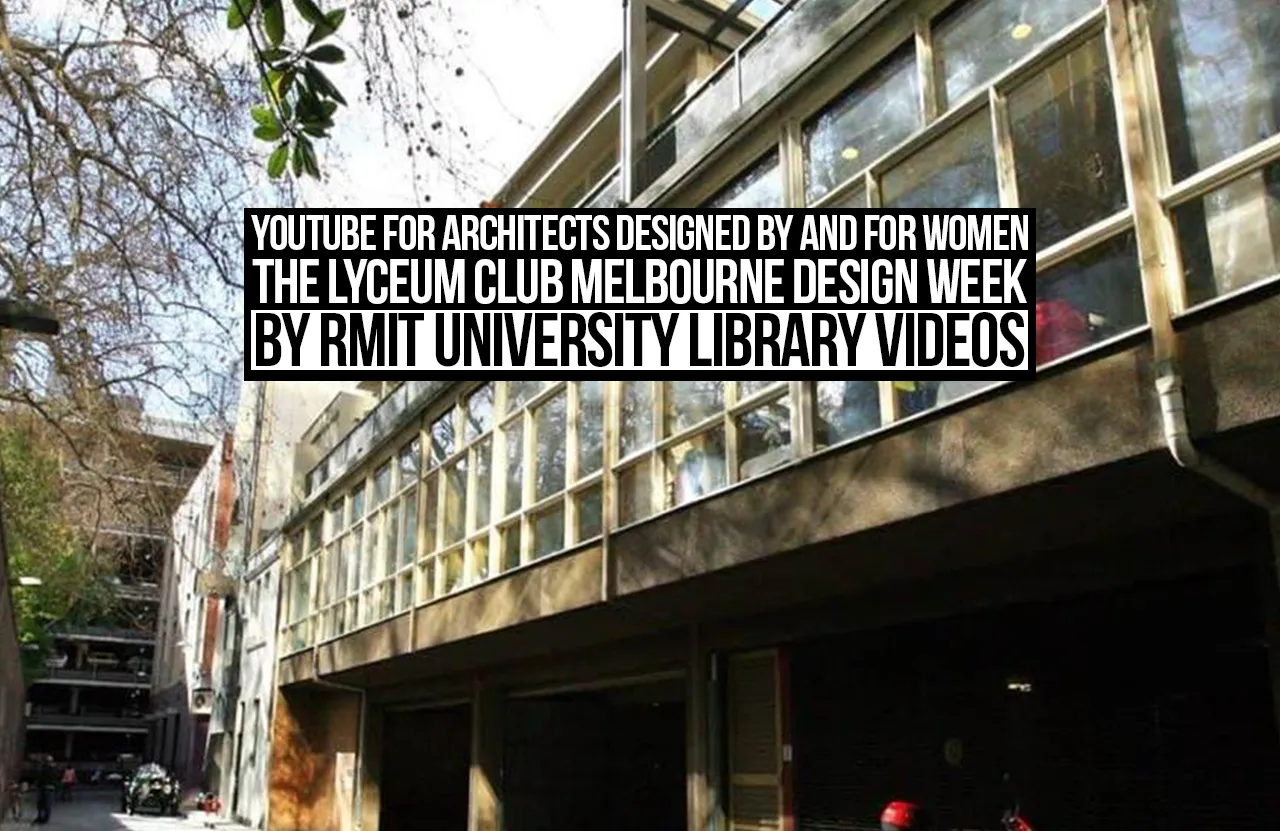
Recognising Women in Architecture
Designed by and for Women: The Lyceum Club is a talk held during Melbourne Design Week 2024 and associated with RMIT Design Archives. The event focuses on the role of women in the development of Melbourne’s Lyceum Club, which was designed and rebuilt multiple times. The article features interviews with architects and architectural historians about the club’s buildings and their impact on the local community. It also examines the ways in which this place has contributed to changes in social and architectural culture.
Lyceum Club: A Space Shaped by Women
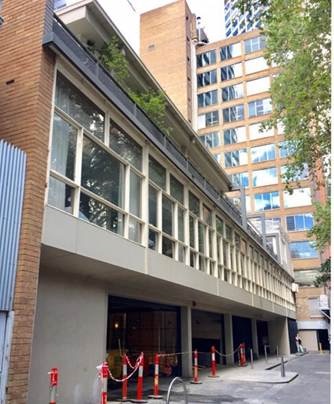
The Lyceum Club was originally founded in Melbourne in 1912 and provided a venue for women graduates and those who made outstanding contributions to public service, arts, and education. The building at Ridgway Place was constructed in 1957 and designed by Ellison Harvie, with further contributions from Berenice Harris and Kerstin Thompson Architects.
The theme of Designed by and for Women is linked to this particular building because its architecture and interior were influenced by women architects and designers. This place proves that it is possible for architecture to shape a community and be part of the changes that it endures.
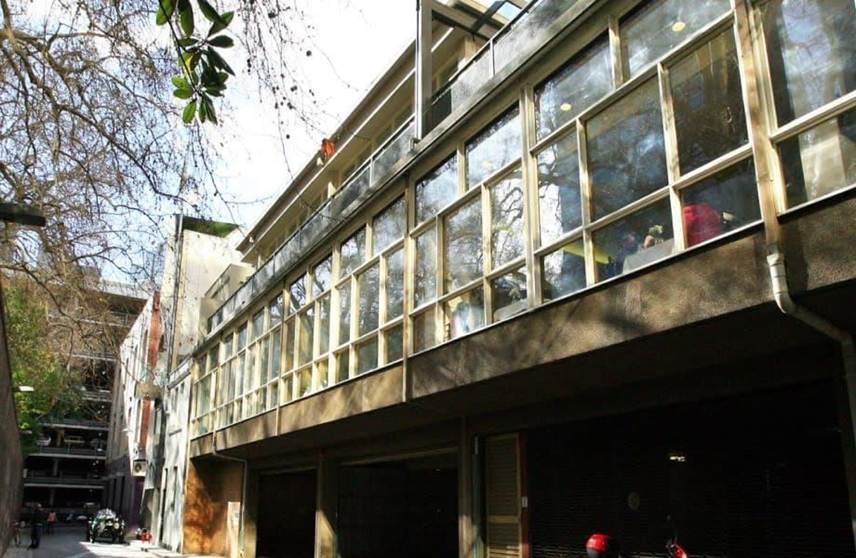
Ellison Harvie and Recognition
Designed by and for Women: The Lyceum Club highlights Ellison Harvie’s role in architectural history as a female designer who worked in a male-dominated environment. The building reflects the principles of modernism, which were promoted by Harvie as a designer and teacher. At the same time, her work on the Lyceum Club is seen as an example of collaboration with other women architects.
A close look at Harvie’s career shows that she was quite successful in her field, holding a professorship at University College. Nevertheless, her efforts to improve the status of women in architecture were not limited to her professional practice. During her tenure as the president of the Lyceum Club (1963-1965), Harvie continued to support female colleagues and mentored promising young architects.
The Club’s Renovations and Architectural Archives
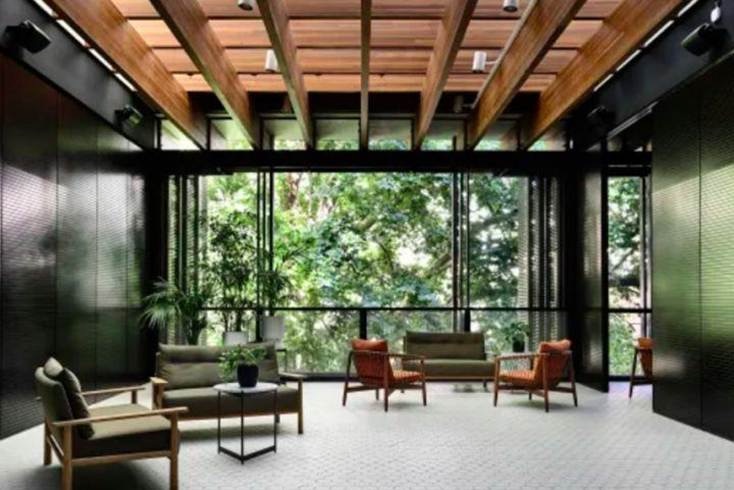
The article notes that Kerstin Thompson Architects undertook a major renovation of the club between 2016 and 2018. The newly appointed architects updated many of the interiors and facilities, making them relevant to the needs of contemporary users.
The focus on the restoration and improvement of the Lyceum Club is interesting because it shows how this project negotiated between maintaining historic character and embracing change. The involvement of RMIT Design Archives in the creation of this exhibit enhances the educational value of the event. This collection demonstrates how much of architectural history is related to buildings’ transformations and their impact on society. It also serves as a reminder that the names and achievements of notable women architects should not be forgotten.
Architects’ Takeaways: Three Main Points
The talk about the Lyceum Club and its history offers three main ideas for consideration. First, it reminds us that we can learn a lot about the cultural and social significance of a building by studying its history and interiors. Second, it shows how difficult it was for women to renovate and maintain their architectural legacy against the backdrop of a male-dominated history. Finally, this event provides visitors with important information about the local architectural heritage.
The Lyceum Club also demonstrates that the names of different architects can be found in the history of one building. This is especially evident in the changes made to the Lyceum Club, which were necessary for its evolution and survival. These renovations also reflect the diverse roles that women play in all aspects of society, from preserving architectural landmarks to participating in its transformation.

Designed by and for Women: The Lyceum Club is a fascinating talk about the contributions of women to architecture as well as its power to shape communities. In my opinion, the subject of this event is interesting and important because it raises many questions about the characteristics of architectural development and its social impact. It also examines the way in which buildings embody the legacy of their designers and the importance of recognising their contributions.
To my mind, this subject is particularly relevant to architecture students because it brings up the issue of professional responsibility. I believe that women architects deserve more attention, and it is necessary to update the historical records of buildings’ interiors and furnishings. This is especially important in relation to the history of Melbourne, where numerous examples of women’s intervention in the development of buildings can be found.
References:
Humanitix (2024). Talk: Designed By and For Women: The Lyceum Club. Web.
Parlour (2024). Designed by Women: The Lyceum Club. Web.
Victoria Collections. (n.d.). Architectural drawings, Lyceum Club: Proposed new Clubrooms at Ridgeway Place. Web.
Video: Designed by and for Women: The Lyceum Club — RMIT University Library.