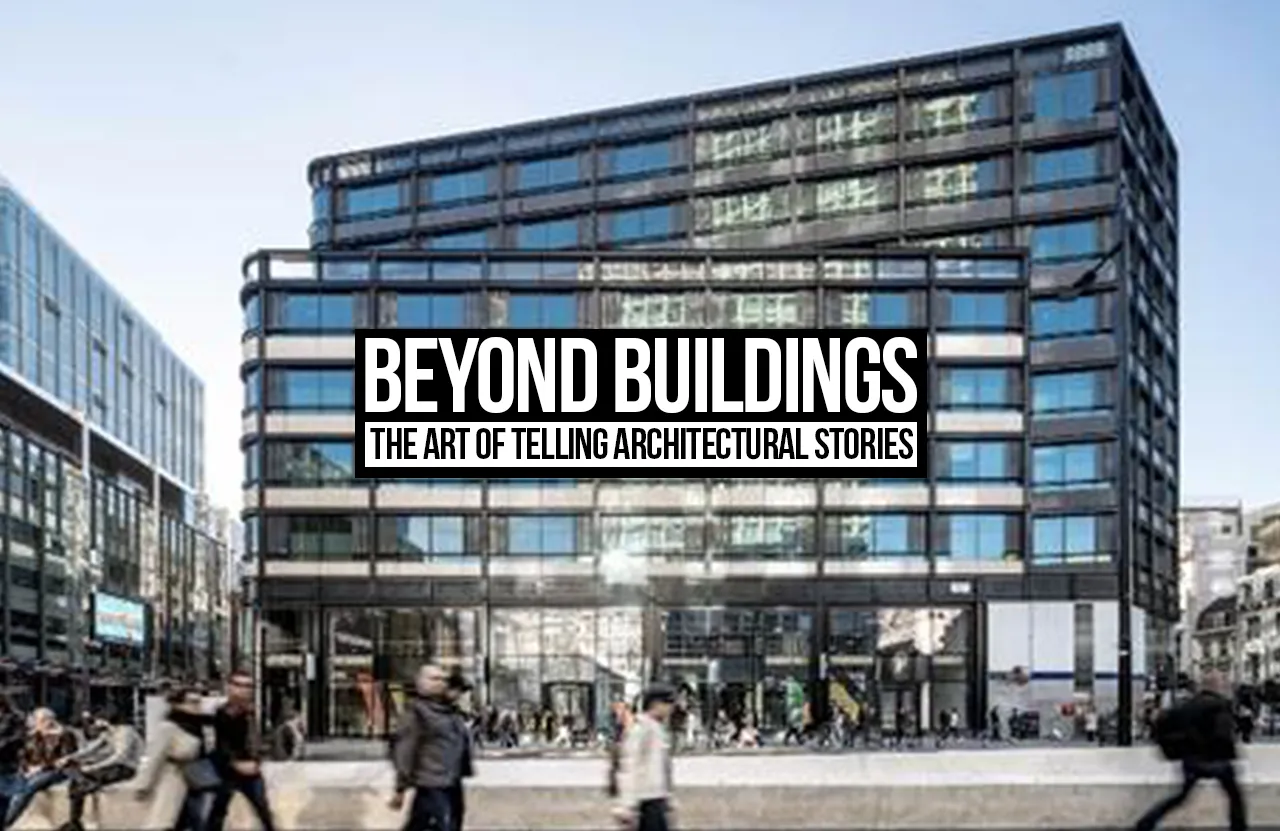
We often feel architecture in buildings, but we understand it through stories. Photographs show facades, drawings explain structures, and plans reveal spatial relationships, but they cannot fully communicate why a place matters. Its meaning comes from its history, people, culture, and design choices. Every building holds memories, reflects its surroundings, and influences the lives of those who experience it. Through architectural storytelling, buildings are no longer objects to be observed but experiences to be understood, remembered, and questioned. It allows us to look beyond physical forms and discover the human narratives that give architecture its meaning.
The story of each building
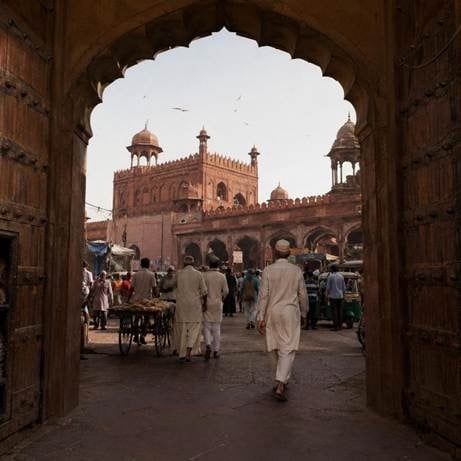
All buildings tell a story. A monument becomes a collector of collective memory, an abandoned building reflects social or economic change, and a public square captures the rhythm of community life. Architectural storytelling asks why a building was constructed, who contributed to its creation, and how people have related to it over time.
Stories exist on a site even before construction begins. Geography, climate, history, and existing communities influence architectural decisions. A building responds to these conditions through its orientation, materials, spatial organisation, and relationship with its surroundings. These layers remind architects that they are not working on a blank canvas but engaging with a place that already possesses its own identity. Understanding this context allows design to become a meaningful response rather than an isolated visual statement.
From Sketch to Structure
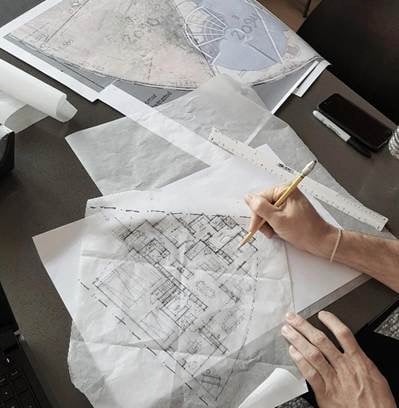
The completed building is only one part of its story. The final outcome emerges from initial sketches, rejected proposals, construction challenges, material experiments, and changing requirements. Architectural storytelling reveals that the making of architecture involves collaboration, experimentation, and compromise rather than a single moment of inspiration.
These stories are particularly valuable for students and young architects. Looking beyond polished photographs reveals that successful design often develops through uncertainty, failure, and revision. An initial idea may transform because of budget constraints, structural limitations, or changing client needs. Documenting these decisions helps us understand not only what was built but also why certain possibilities were chosen over others. It makes the architectural process more transparent and encourages learning from both successes and setbacks.
People Make Architecture Meaningful
Architects design buildings, but the people who inhabit them shape their everyday meaning. A staircase can become a meeting point, a courtyard a gathering space, and an overlooked corner a community favourite. These unexpected uses demonstrate that architecture continues to evolve long after construction is complete.
The architect is only one voice in this narrative. Residents, craftsmen, construction workers, visitors, and local communities contribute their experiences and memories. Their interactions transform physical spaces into places of belonging. Sometimes, the most meaningful aspects of a building are not those anticipated by its designer but those discovered through everyday use. Listening to these experiences helps architects understand how spaces function beyond drawings and whether they genuinely serve the people for whom they were created.
Beyond the Photograph
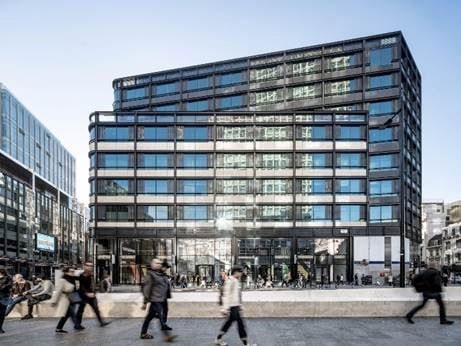
Architecture is increasingly experienced through carefully framed images, especially on social media. While these images can make design accessible to wider audiences, they may conceal issues of accessibility, surrounding conditions, material ageing, and everyday usability. A building can appear impressive online, yet the actual experience of moving through it may tell a very different story.
Responsible architectural storytelling looks beyond the idealised image. It questions whose perspectives are included, whose voices remain unheard, and what consequences a project creates. A building may be celebrated for its visual appeal while also being questioned for its environmental impact, social accessibility, or relationship with its neighbourhood. Presenting these complexities encourages a more honest understanding of architecture, where criticism and appreciation can exist together.
Recognizing Collective Authorship

Architecture is rarely the work of one individual. A project’s outcome depends on engineers, contractors, craftspeople, consultants, clients, and communities working together. Architectural storytelling acknowledges this collective effort instead of presenting the architect as an isolated genius. Recognising these contributions gives a more complete picture of how buildings come into existence.
Storytelling also makes architectural knowledge accessible. Rather than relying entirely on technical terminology, it can explain how decisions about light, ventilation, circulation, and materials influence everyday comfort. By connecting technical ideas with lived experiences, architectural narratives bridge the gap between professionals and the public, helping more people participate in conversations about the built environment.
Beyond Buildings
Architecture does not stop when a building is finished. Its story continues through occupation, memory, adaptation, and change. The most compelling narratives are not always found inside grand monuments or celebrated landmarks; they can emerge from ordinary homes, neighbourhood streets, and public spaces woven into daily life.
Architectural storytelling encourages architects to ask deeper questions: Who is a building designed for? How does it respond to its context? How has it aged? What stories have developed around it beyond its original purpose?
The opportunity for the architectural community is to move from showing what buildings look like to exploring what they mean. Because architecture is more than something that can be photographed; it is something that is experienced, inhabited, and remembered.