We all love the world that we live in, don’t we? As our world constantly keeps evolving, the idea of what the future holds is intriguing to all of us. All of us have a different perception of what cities that we live in will look like in the future, and what kind of architectural style will be adopted in the world.
Architecture around us is in a constant state of flux, adapting to current circumstances including people, events, climate, and environment. It creates the identity of a location, its inhabitants, its history, and its culture. A city’s architecture is a story of its past, present, and future which shapes its character and forms its urban fabric. The architecture of the place is the identity of the space.
The future of architecture solely depends on people and their actions. With the advancement in technology, the field of architecture is transforming significantly. As technology provides opportunities for architects, it’s crucial to use it with caution, responsibility, and ethics. It is up to the user how to use the technology, they have the power to use it for positive transformation or to wield it recklessly, resulting in disastrous consequences.
Architecture can either have a utopian or dystopian future. It’s up to the user how the tools and technology are used. In the past, homes were built to reflect the individuality of their creators. But as communities grew and evolved, a collective urban identity emerged. People have the power and responsibility to shape the architectural landscape in response to changing times and circumstances.
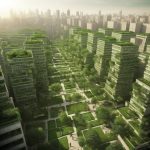
For generations, architects and visionaries have imagined a perfect society, where cities are intentionally planned and designed to solve social problems and improve our way of life. These utopian concepts encourage us to reflect on the shortcomings of our current world and collaborate on the collective pursuit of a better tomorrow.
Plato’s The Republic is considered the first Utopian work. It presents an ideal society in which all citizens enjoy equal and preferable conditions. The book outlines social and governmental structures, as well as legislative and resource allocation policies that are necessary for the sustainability of such a society. Plato’s philosophies are deeply rooted in The Republic, as he creates a society based on the belief that Humanity should strive to achieve the ideals of justice, friendship, and morality that it uncovers in the unseen realm. Regardless of the ideals they’re inspired by, utopias generally emphasize equality, peace, and resources like food, health care, education, and employment.
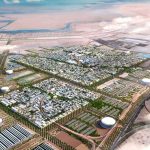
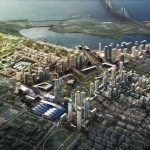
Throughout history, people have tried to create ideal utopian cities. Here are a few examples.
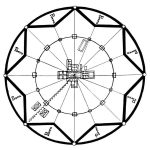
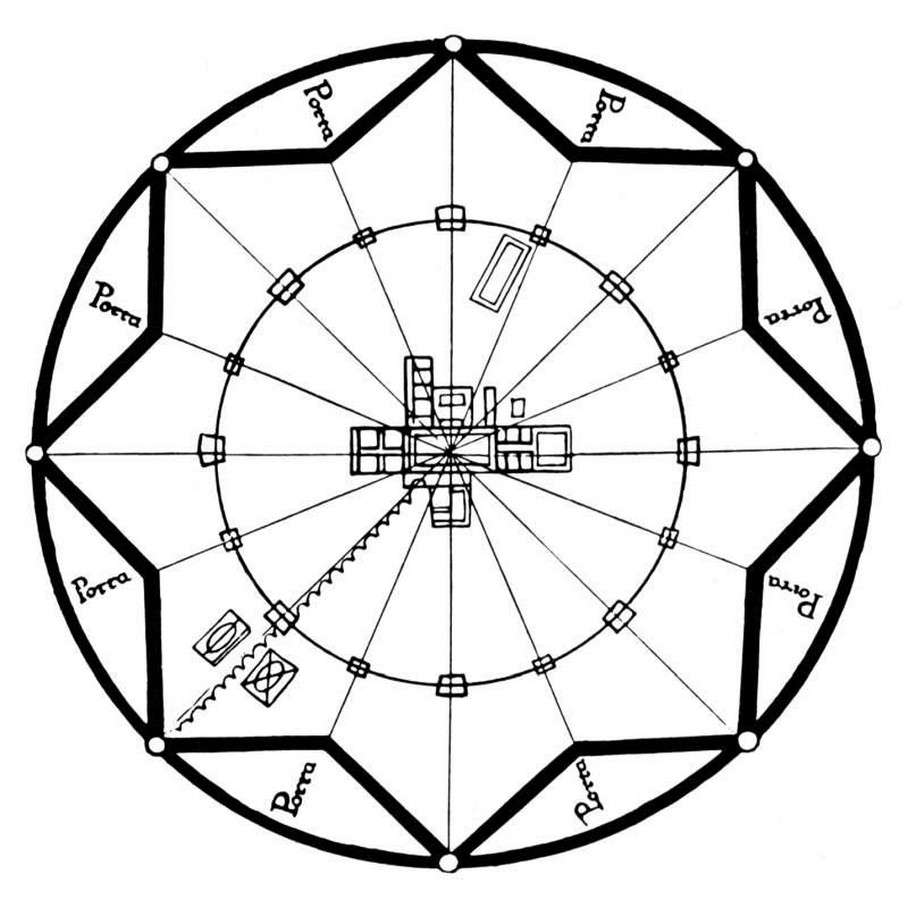
In the Renaissance, the architect Filarete conceptualized the ideal city of Sforzinda, featuring radial streets and geometric precision. During the 19th and 20th centuries, utopian visions were influenced by industrialization and social reform.
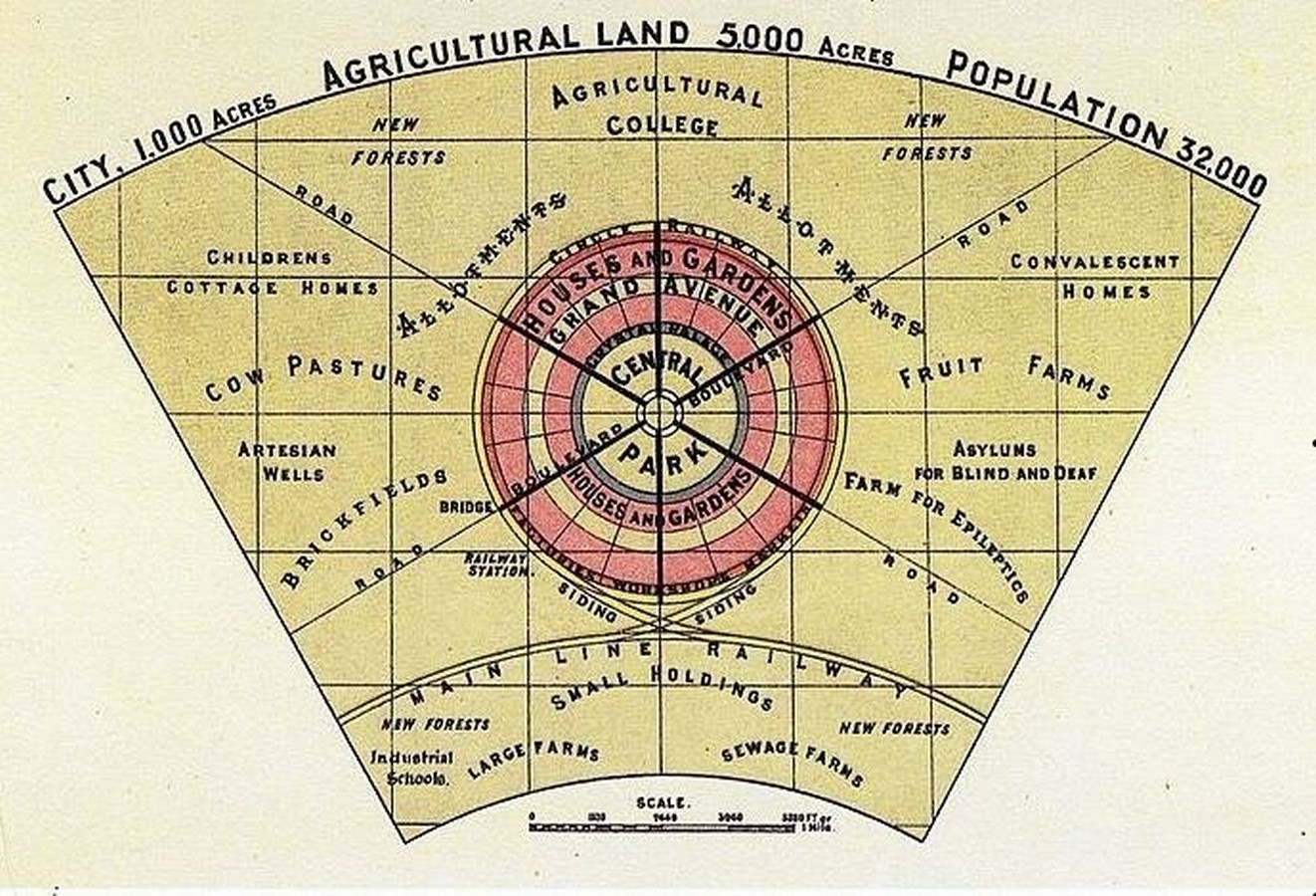
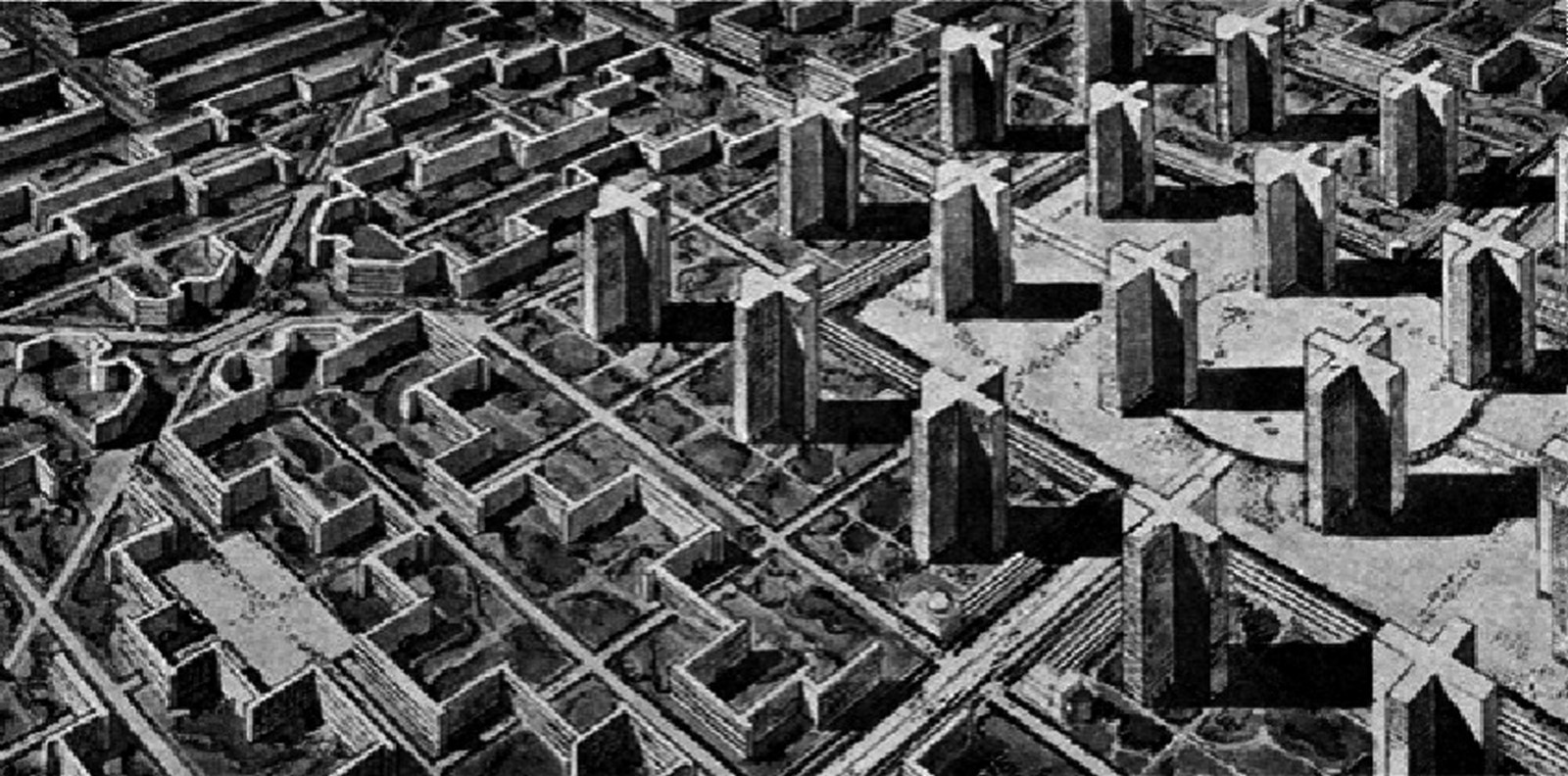
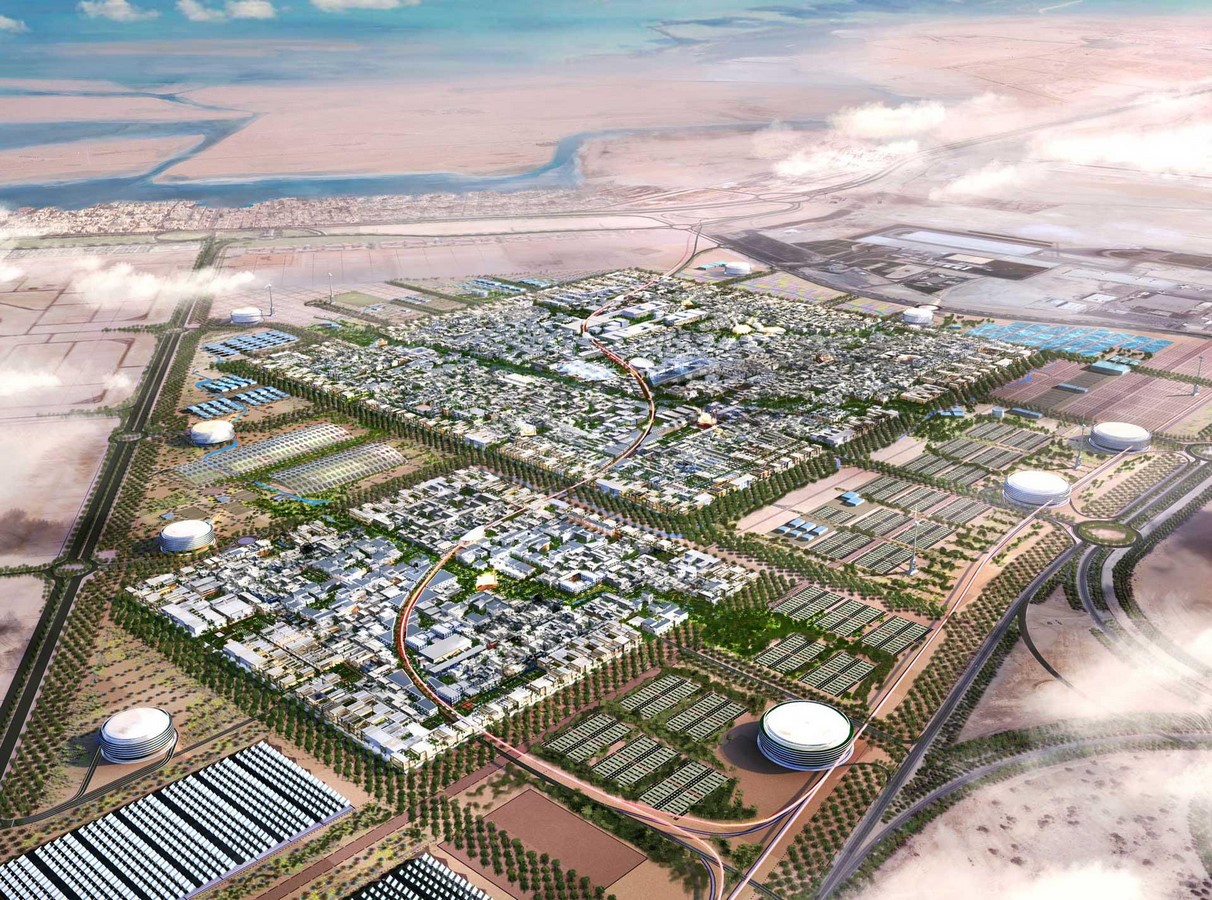
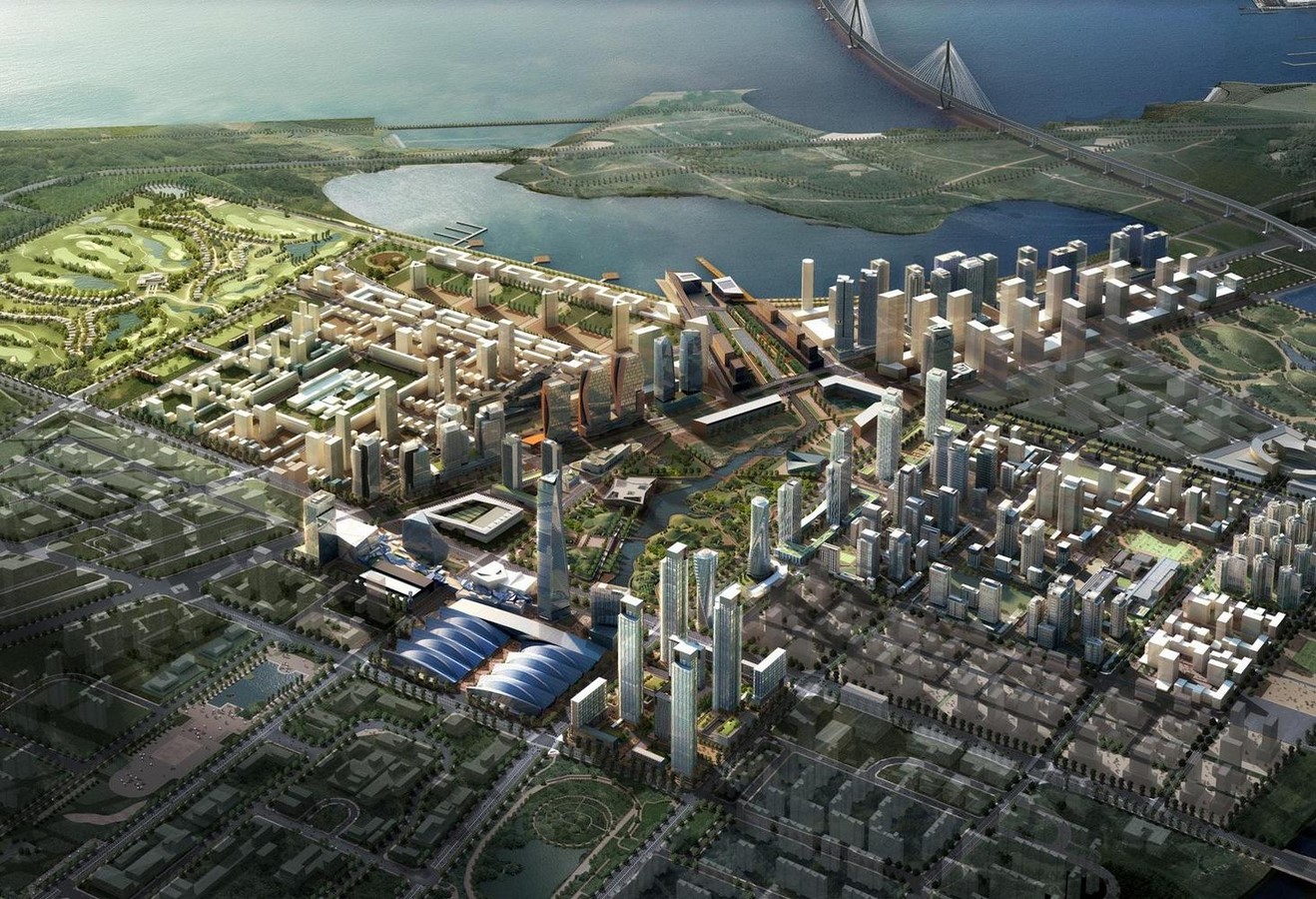
Architecture plays a crucial role in shaping the physical environment, promoting sustainability, and encouraging community engagement in idyllic cities. Designers strive to achieve a harmonious balance between aesthetics and functionality, crafting spaces that enhance the quality of life and well-being. Nonetheless, there remain obstacles to realizing these utopian aspirations, including concerns about affordability, inclusivity, and adaptability. In essence, architecture as utopian cities represents a continuous quest to design and build urban environments that reflect our highest aspirations for a better future, addressing the evolving needs and values of society. While perfection may remain elusive, the pursuit of utopian ideals through architecture serves as a driving force for innovation and progress in urban planning and design.
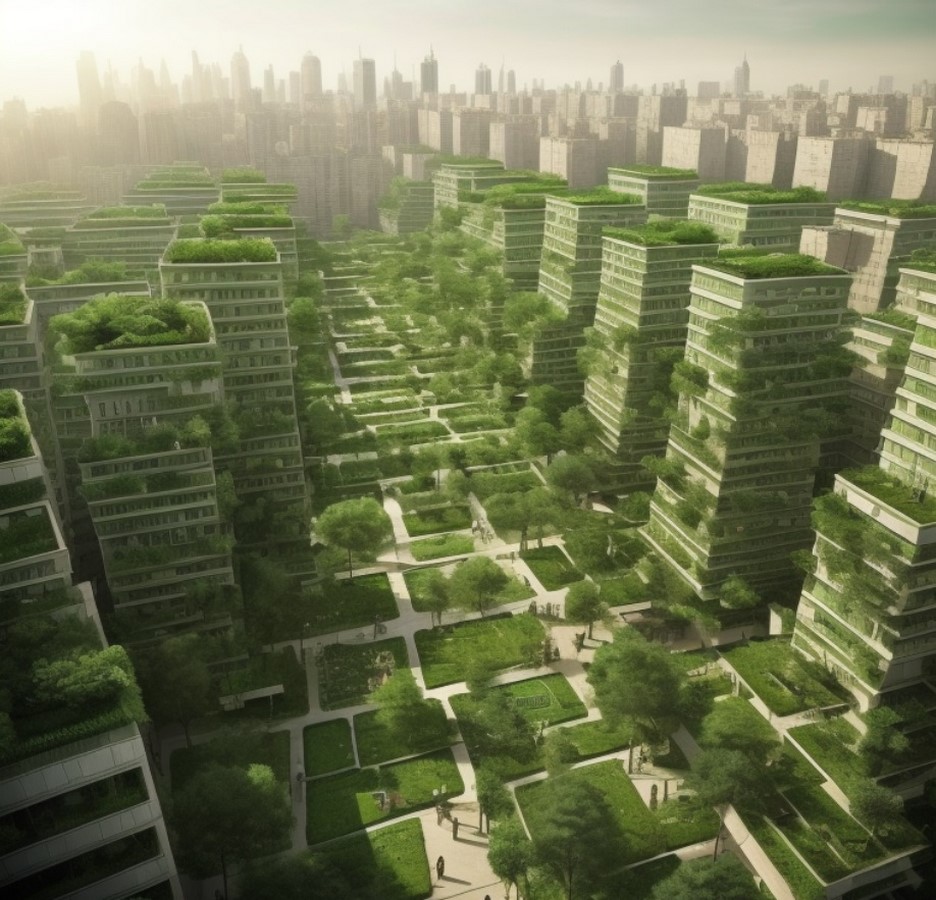
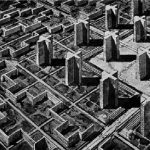
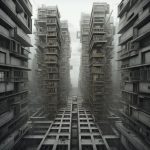
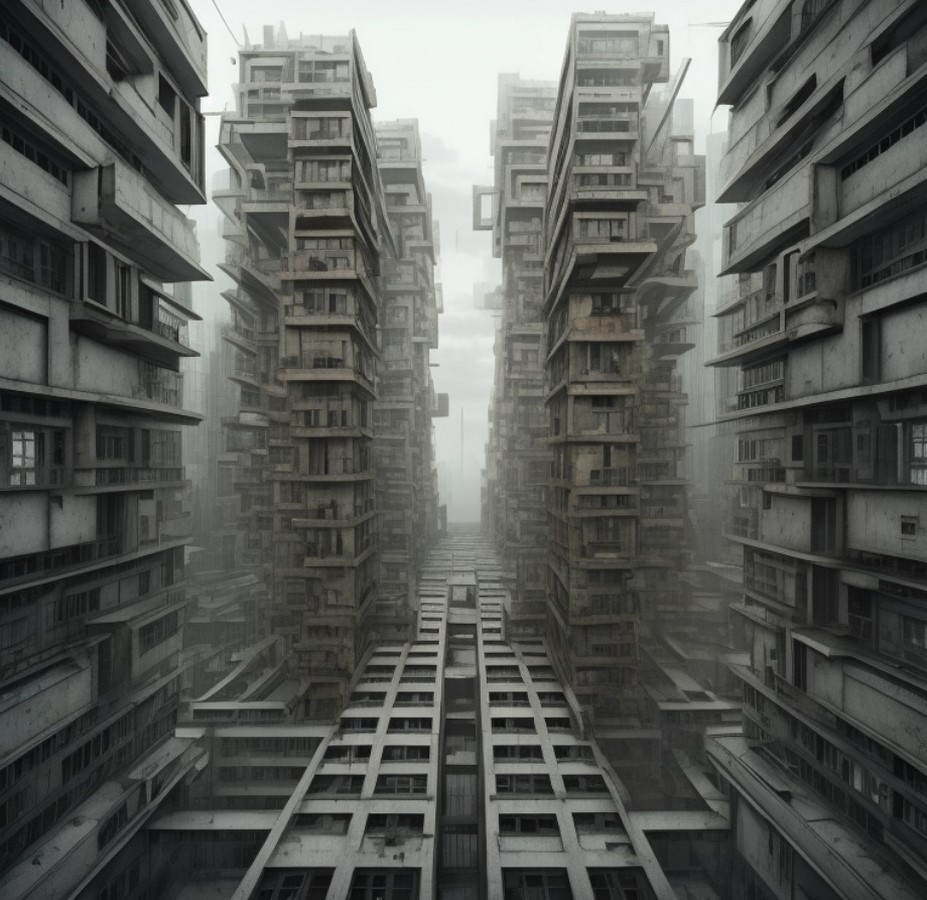
Dystopian cities are often characterized by their utilitarian and stark architecture. The imposing and concrete structures of Brutalist architecture are commonly associated with dystopian settings, evoking feelings of foreboding and isolation. Films like “Blade Runner” feature megastructures, while George Orwell’s “1984” showcases high concrete walls and watchtowers.
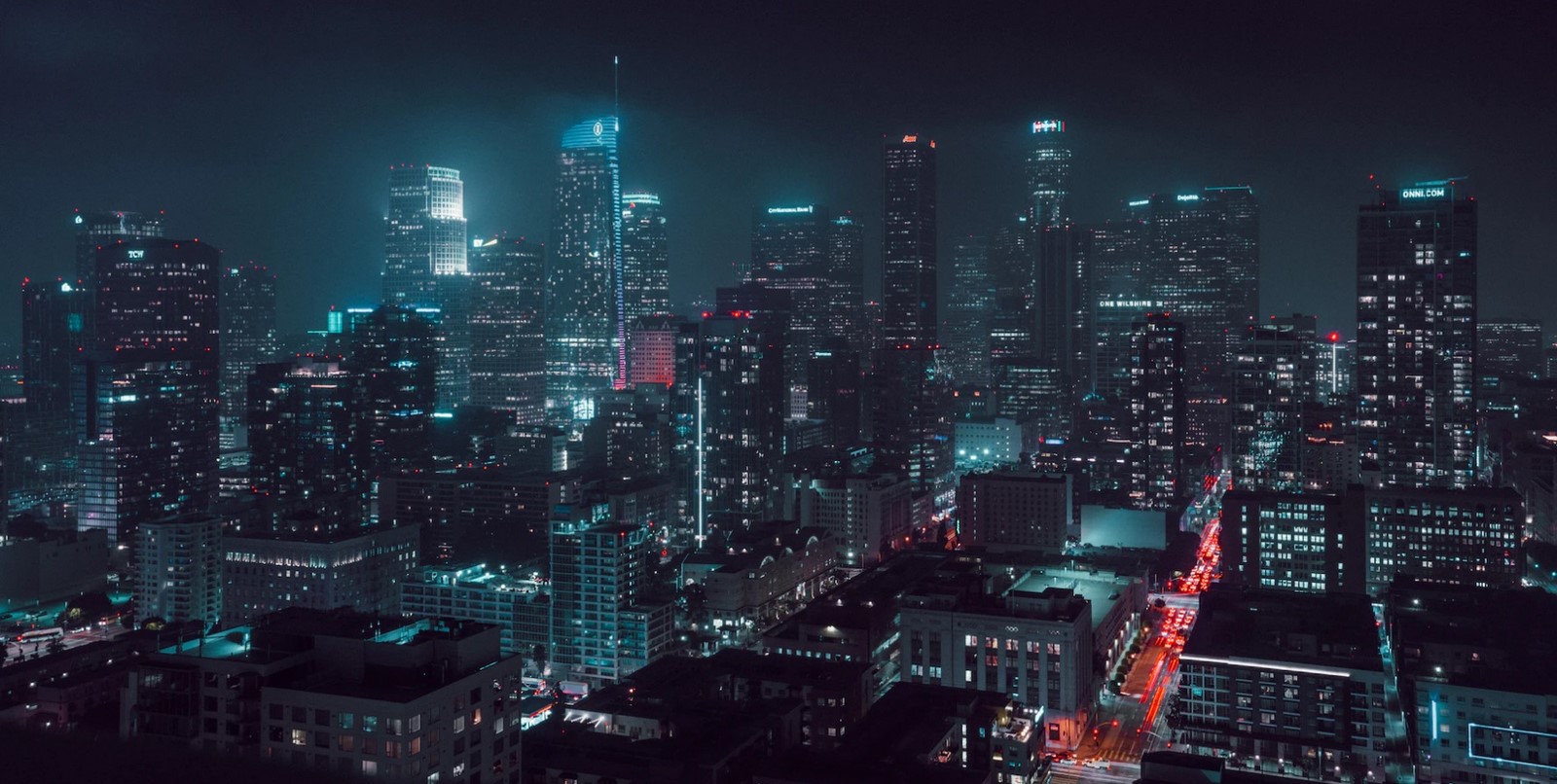
The built environment in dystopian cities is a clear reflection of resource scarcity and environmental degradation. The residential zones are overcrowded, polluted, and run-down, similar to how they are depicted in movies such as “Children of Men.” These depictions serve as a cautionary tale to remind us of the repercussions of overlooking the importance of environmental sustainability.
In dystopian literature and cinema, architects and urban planners often depict a future where the human connection to nature is severed. Green spaces are scarce, replaced by concrete jungles and polluted air. This loss of connection to the natural world can contribute to the overall sense of despair. architecture as dystopian cities represents a powerful narrative tool for exploring the dark side of urban development. The dystopian architecture emphasizes utilitarianism, surveillance, resource scarcity, and the erosion of nature. These dystopian visions serve as cautionary tales, urging us to consider the potential consequences of certain urban planning and architectural choices on our future societies.
Vitaed (no date) Aqua. Available at: http://aquavitaed.blogspot.com/ (Accessed: 03 September 2023).
Plato’s ‘republic’ was a totalitarian nightmare, not a utopia (2022) Big Think. Available at: https://bigthink.com/the-future/platos-republic-dystopia/ (Accessed: 03 September 2023).
Utopian origins (no date) The Utopian Impulse. Available at: https://exploringutopia.weebly.com/utopian-origins.html (Accessed: 03 September 2023).