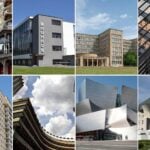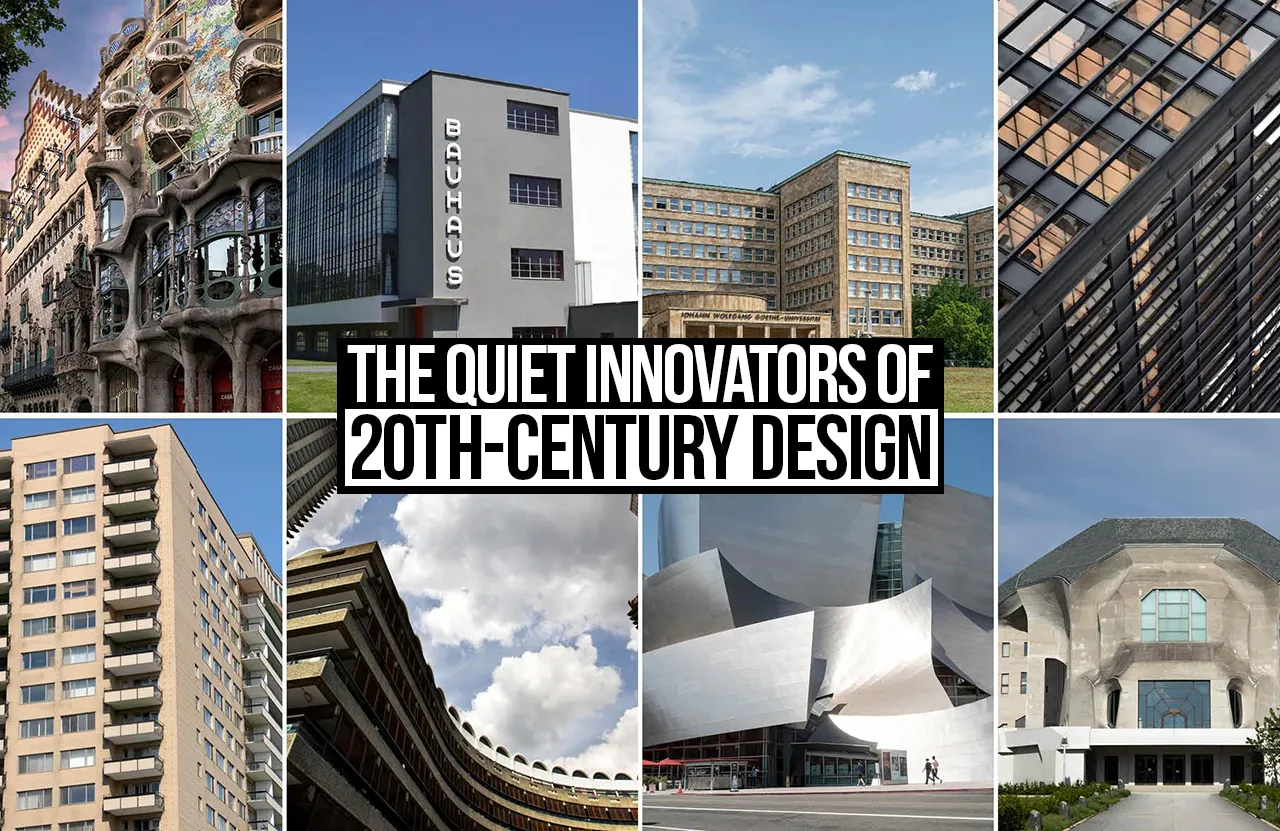
The 20th century redefined architecture in reaction to industrialisation, speedy urbanisation, and evolving social needs. Moving away from ornamentation and historic revival styles, architects embraced Modernism, prioritising function, simple geometry, open plans, and materials such as steel, glass, and reinforced concrete.
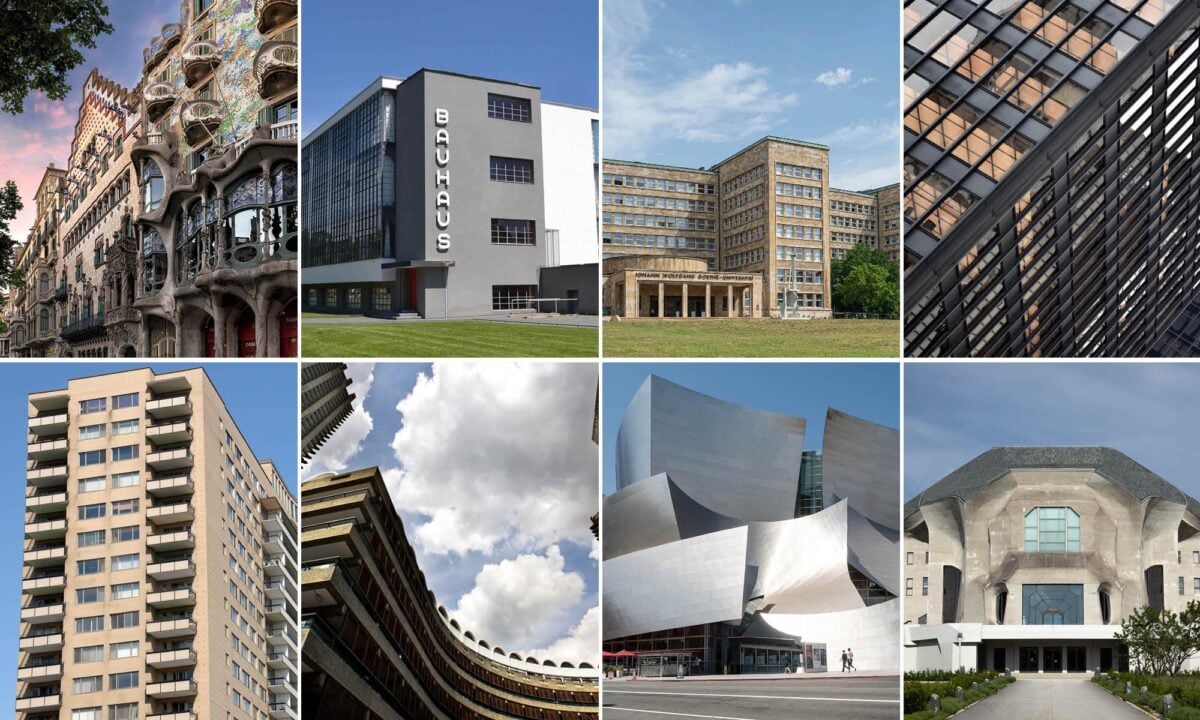
Innovations such as the open plan, curtain wall, pilotis, and flat roof transformed spatial organisation, enabling flexible interiors, improved daylighting and ventilation, and new residential, institutional, and public typologies. Movements which include the Bauhaus, the International Style, Brutalism, and later Postmodernism broadened the structure’s expressive vocabulary.
These thoughts keep to form twenty-first-century structures through technological integration, spatial adaptability, minimalist expression, and a growing cognisance of sustainability.
1. Habib Rahman- “Who redefined modern India”
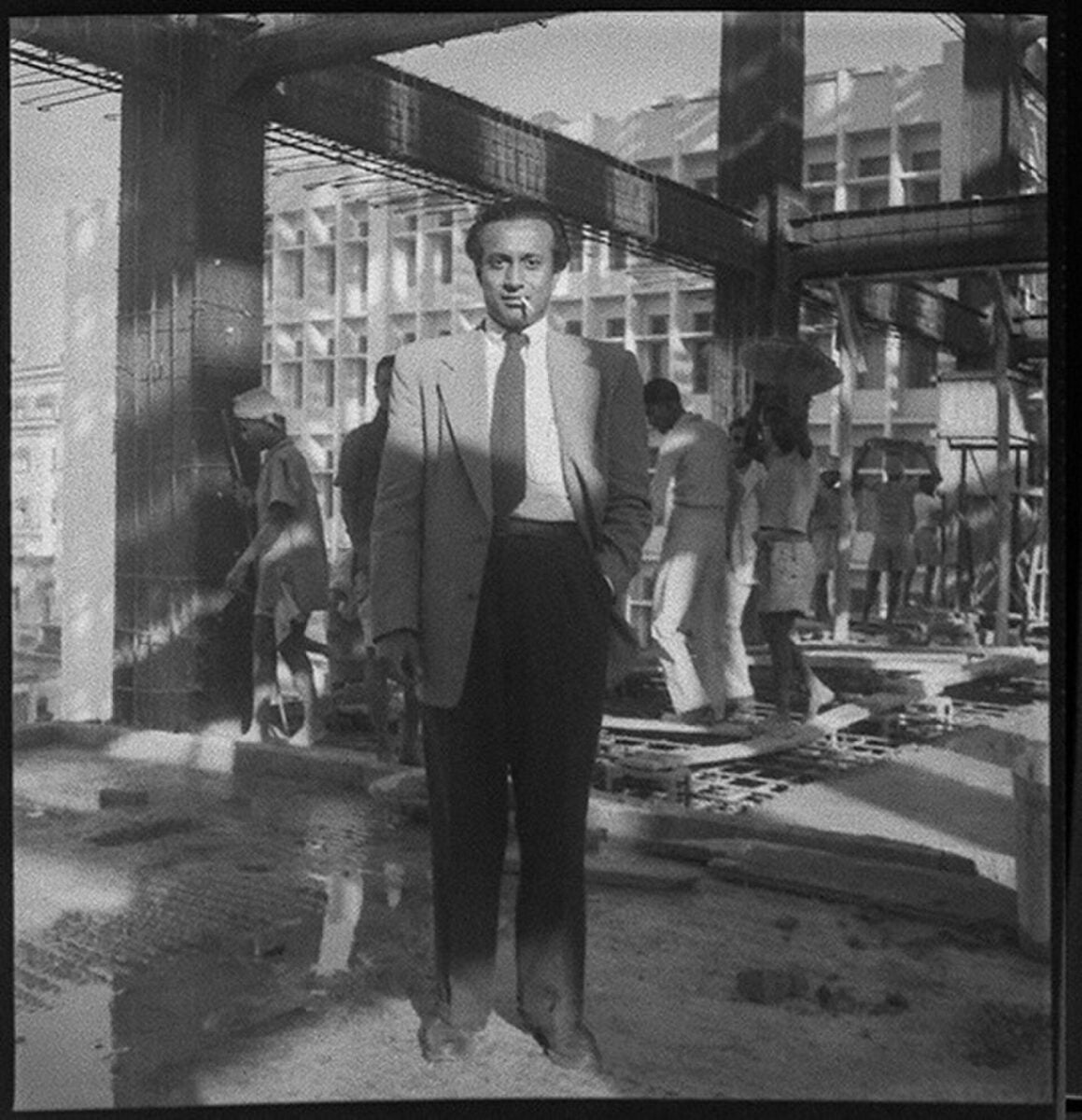
- Full name: Habibur Rahman, known as Habib Rahman
- Born: 1915, Calcutta. Died: 19 December 1995.
- Education: Mechanical engineering degree, Calcutta University (1939); B.Arch at MIT (1943, thesis on low-cost industrial housing in India) and M.Arch (1944), taught by Lawrence Anderson and William Wurster; briefly worked for Walter Gropius.
- Known for: Gandhi Ghat, Barrackpore (1949), New Secretariat, Calcutta (1954), Rabindra Bhavan, Delhi (1961), the WHO headquarters, Delhi (completed 1962, since demolished), Maulana Azad’s tomb.
Rahman returned to India in 1946 and completed nearly 80 projects in Bengal before moving to the Central Public Works Department in Delhi in 1953. In 1955 he became the first architect to receive the Padma Shri. Nehru rejected his first design for Rabindra Bhavan, and the revised scheme blended jaalis and Tagore-inspired ideas with modern geometry.
He is lesser known because he stayed a government architect for his whole career, so his work is spread across public offices and housing that few visitors connect to a name. Some of it, like the WHO building, has been lost.
2. Hassan Fathy- “The Architect of the Poor”
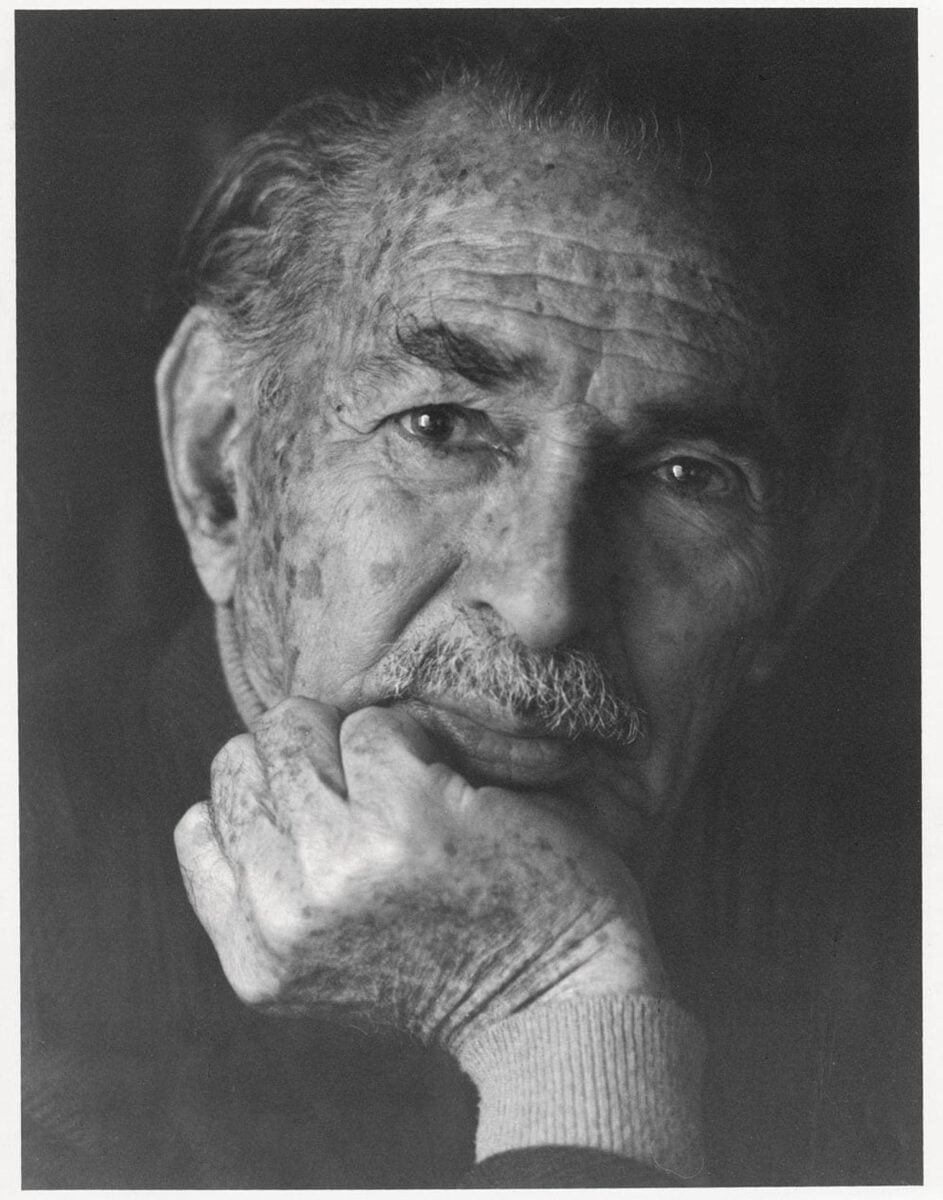
- Full name: Hassan Fathy
- Born: 23 March 1900, Alexandria. Died: 30 November 1989, Cairo.
- Education: Architecture programme of the Polytechnic Institute at King Fuad I University (now Cairo University), graduating in 1926.
- Known for: New Gourna village near Luxor (commissioned 1945–46, built 1946–52), New Baris, and his book Architecture for the Poor (1973).
Fathy set out to revive mud-brick building so that poor families could build and repair their own homes. At New Gourna he worked with local builders and used courtyards, domes and vaults suited to Egypt’s climate. He taught at Cairo University’s Faculty of Fine Arts and designed nearly 160 projects over six decades.
He is lesser known than the modernist masters because his best-known project was never fully occupied as planned. Residents resisted relocation and official support wavered, and Fathy himself later called the experiment a failure. Even so, he won the Right Livelihood Award in 1980 and was the first recipient of the UIA Gold Medal in 1985.
3. Sigurd Lewerentz- “Poet of raw materiality”
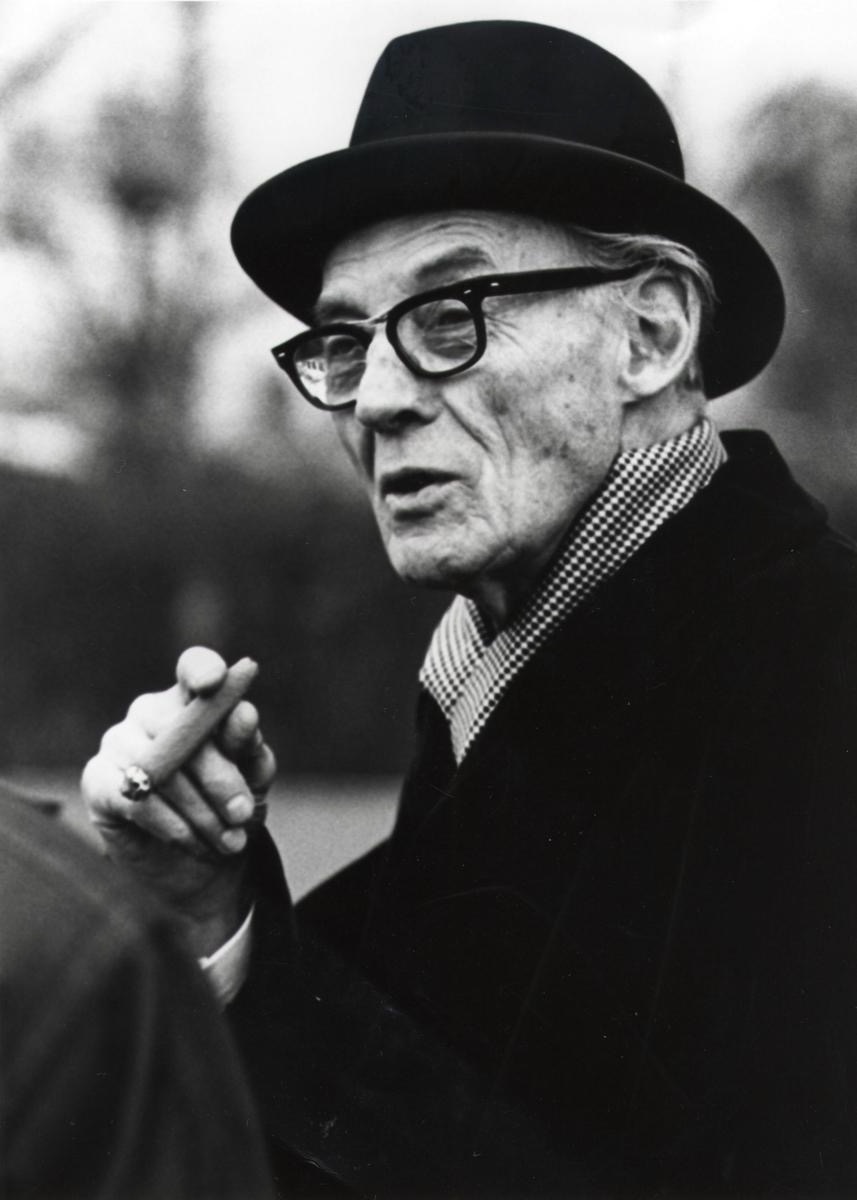
- Full name: Sigurd Lewerentz
- Born: 29 July 1885, Sandö, in the parish of Bjärtrå. Died: 29 December 1975
- Education: Mechanical engineering at Chalmers University of Technology, Gothenburg (1905–08), then an architectural apprenticeship in Munich (1909–10).
- Known for: Woodland Cemetery, Stockholm (with Gunnar Asplund), St Mark’s Church, Björkhagen (designed 1956), St Peter’s Church, Klippan (1963).
Lewerentz opened his own office in Stockholm in 1911. With Asplund he won the 1915 competition for the Woodland Cemetery and became a main architect of the 1930 Stockholm International Exhibition. He then turned away from architecture and from 1940 ran a factory making windows and fittings of his own design.
In his seventies, he returned with two brick churches. St Peter’s, widely seen as his masterpiece, has rough brick surfaces and deliberately uneven floors. Lewerentz built little and rarely wrote about his work, which is why he is often called an architect’s architect rather than a household name.
4. Amancio Williams- “Pioneer of Concrete Modernism”
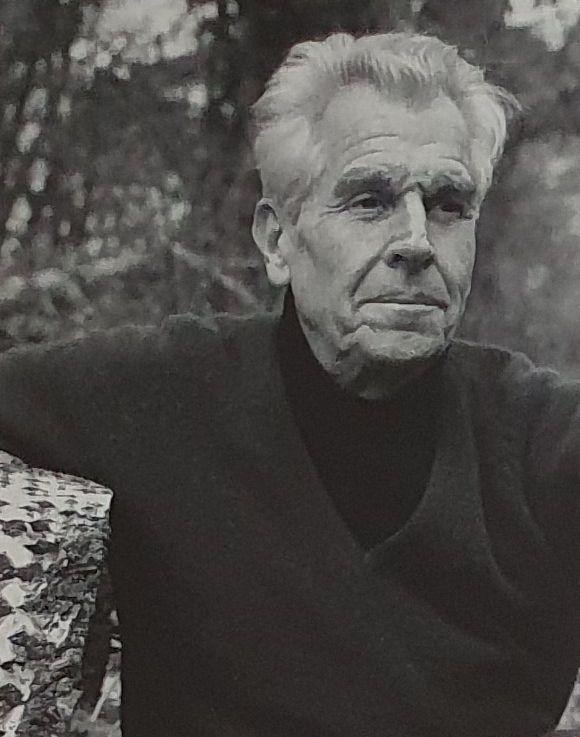
- Full name: Amancio Williams
- Born: 19 February 1913, Buenos Aires. Died: 14 October 1989, Buenos Aires.
- Education: Began in engineering at the University of Buenos Aires, worked in aviation, then completed his architecture degree there in 1941.
- Known for: Casa del Puente (Casa sobre el Arroyo), Mar del Plata (1943–45), supervising Le Corbusier’s Casa Curutchet in La Plata (from 1949), unbuilt airport and hospital proposals.
Williams designed Casa del Puente for his father, the composer Alberto Williams: a small concrete house that spans a stream. It won the World Monuments Fund/Knoll Modernism Prize in 2024 after a national restoration. His wife Delfina Gálvez Bunge, also trained in Buenos Aires, collaborated on many projects.
He is lesser known because most of his ideas stayed on paper. The archive at the Canadian Centre for Architecture records more than 80 projects, and his career unfolded against an unstable political climate in Argentina.
5. Minnette de Silva- “Voice of Postcolonial identity”
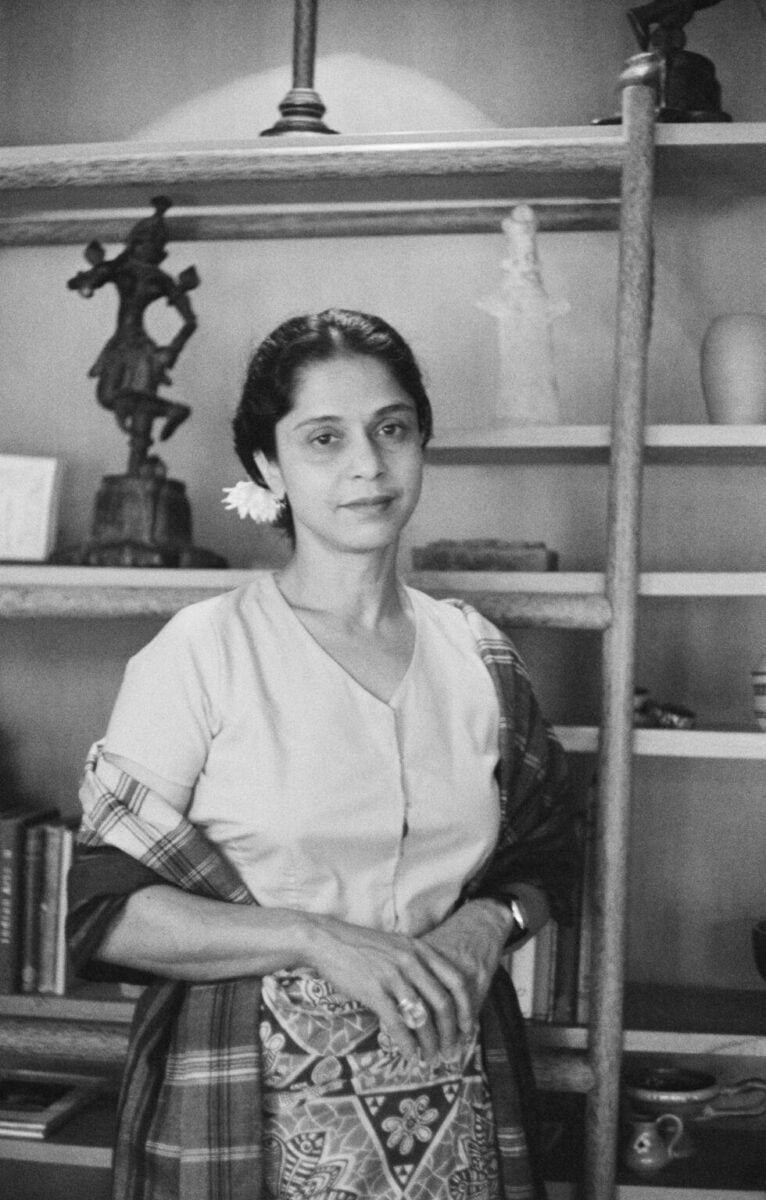
- Full name: Minnette de Silva
- Born: 1 February 1918, Kandy, Ceylon. Died: 24 November 1998, Kandy.
- Education: Apprenticed at Mistri and Bhedwar in Bombay and took private classes there (sources differ on whether she formally enrolled at the Sir J.J. School of Art); worked with Otto Koenigsberger; studied at the Architectural Association, London (1945–48).
- Known for: About 40 buildings, 37 of them houses, and the Kandy Art Association and Centenary Culture Centre (work from 1982).
De Silva was the first Sri Lankan woman trained as an architect and the first Asian woman elected an associate of the RIBA (1948). She was also the first Asian representative at CIAM (1947), a co-founder of the journal Marg, and the first woman to win the Sri Lanka Institute of Architects Gold Medal (1996). Her work combined local craft and materials with modernist ideas, an approach often described as regional modernism for the tropics.
She is lesser known because work dried up in her later years and she died in relative obscurity in Kandy. Her own autobiography, The Life and Work of an Asian Woman Architect, was published after her death.
6. Satish Gujral- “Renowned for his versatility”
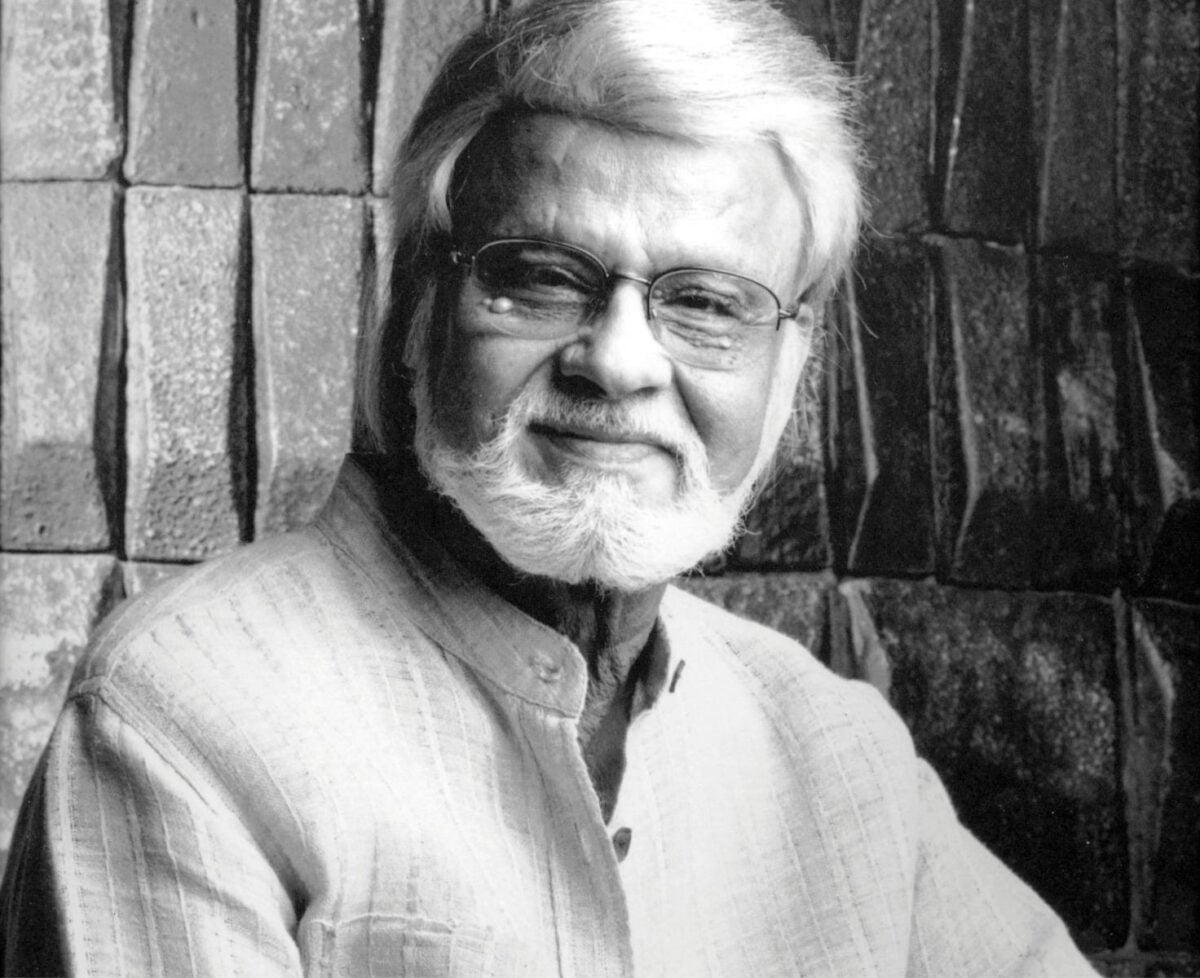
- Full name: Satish Gujral
- Born: 25 December 1925, Jhelum, Punjab (now in Pakistan). Died: 26 March 2020, New Delhi.
- Education: Mayo School of Art, Lahore, from 1939; Sir J.J. School of Art, Bombay, which he left in 1947 because of illness. He had no formal architectural training.
- Known for: Belgian Embassy, New Delhi (1980–83), India Islamic Cultural Centre, Delhi, Goa University, Indira Gandhi Centre for Indian Culture, Mauritius, Embassy of India, Kathmandu.
Gujral was a painter, sculptor and muralist who lost his hearing after a swimming accident at the age of eight. His Belgian Embassy won him Belgium’s Order of the Crown in 1983, was listed among the 1,000 best buildings of the 20th century by the International Forum of Architects, and led India’s Council of Architecture to grant him a licence to practise.
His architecture is lesser known mainly because his fame as an artist, including the Padma Vibhushan in 1999, overshadowed it.
7. Gira Sarabhai- “Design Education Pioneer”
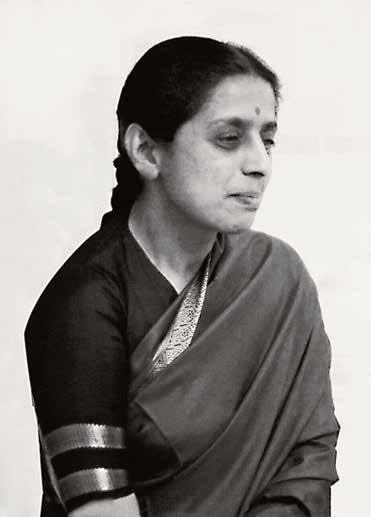
- Full name: Gira Sarabhai, youngest of eight children of the industrialist Ambalal Sarabhai
- Born: 11 December 1923, Ahmedabad. Died: 15 July 2021, Ahmedabad.
- Education: Educated at home, with no academic architecture degree; trained at Frank Lloyd Wright’s Taliesin West studio in Arizona from 1947 to 1951, where she worked on the Guggenheim Museum design.
- Known for: Calico Museum of Textiles, Ahmedabad (1949), Calico Dome (1963, with her brother Gautam), the National Institute of Design (NID) campus.
Back in Ahmedabad she designed the Calico Museum of Textiles and curated its collection of Indian fabrics. In 1961 she and Gautam, a Cambridge-educated mathematician who ran Calico Mills, founded NID, where she shaped the campus and invited consultants such as Charles and Ray Eames, Buckminster Fuller and Louis Kahn. Together they built the Calico Dome, the first space-frame structure in India: she did the detailing, and he supplied the engineering concept.
Sources disagree on her title: many call her an architect, while others say she had no academic training and preferred “designer”. This article calls her a design education pioneer, which fits her best-known role at NID and avoids the dispute. She is lesser known because she was intensely private and her work is often credited to the famous visitors and relatives around her.
8. Eladio Dieste- “Inventor of the Gaussian Vault”
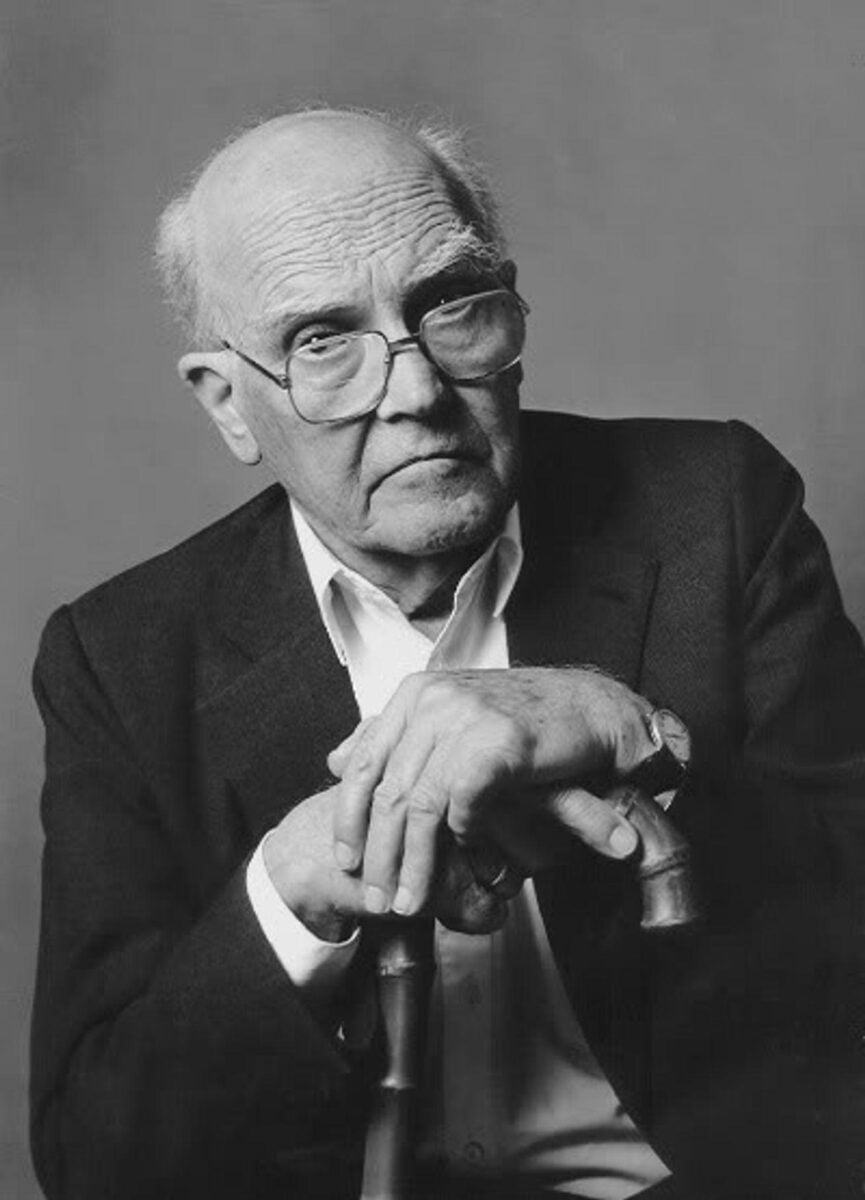
- Full name: Eladio Dieste
- Born: December 1917, Artigas, Uruguay (sources give 1 or 10 December). Died: July 2000, Montevideo (most sources give 29 July).
- Education: Civil engineering in Montevideo, graduating in 1943; later a professor of theoretical mechanics there. He held no architecture degree.
- Known for: Church of Christ the Worker, Atlántida (1958–60), Church of Our Lady of Lourdes, Malvín, San Pedro church, Durazno, Herrera & Obes warehouses, his own house in Montevideo (1967–68).
Dieste founded the firm Dieste & Montañez with Eugenio Montañez in the mid-1950s. He built thin, self-supporting shells and vaults from reinforced brick, a cheap local material, to cover churches, warehouses and markets. The Atlántida church was added to UNESCO’s World Heritage List in 2021.
He is lesser known because he practised as an engineer and built mostly in Uruguay, so architecture textbooks tended to pass him over.
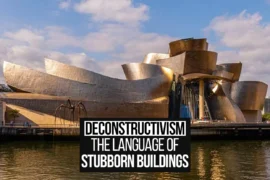
“The 20th-century architecture has the roots of Modernism, from the father of Modernism ca 1900 to 1920, classical modernism ca. 1920-1968 and postmodernism ca.1968- till date. These phases include different architectural movements, and various architects that shaped the century, some of which took the avant-garde styles that stood in stark contrast to historicism and aesthetics. Expressionism became abstract, pointed. Functionalism shifted to a practical approach. “Bauhaus” theory “less is more” and “form follows function” were at the forefront on an international scale. Later, Gaudi, Frank Lloyd Wright, and Hugo Haring, inspired by nature, introduced Organic Architecture. The 1980s brought in a new trend of deconstructivism & brutalism. It’s founding father Frank Gehry. 20th Century architects that follow the same, Zaha Hadid, Bernard Tschumi, etc created masterpieces.
Moving away from straight lines, cracking post-modernism characteristics, skewed and distorted.”
References:
Ahlin, J. (2014) Sigurd Lewerentz, Architect 1885–1975. Zurich: Park Books. Available at: ACC Art Books datasheet.
Apollo Magazine (n.d.) Building Indian modernism in Ahmedabad. Available at: apollo-magazine.com.
Architectural Record (2021) Minnette de Silva: the story of an ‘Asian woman architect’. Available at: architecturalrecord.com.
Architectuul (n.d.) Minnette de Silva. Available at: architectuul.com.
Architectuul (n.d.) Sigurd Lewerentz. Available at: architectuul.com.
Bahga, S. (2020) Satish Gujral: the Leonardo da Vinci of India passed away at 94. WorldArchitecture.org. Available at: worldarchitecture.org.
Bauhaus Imaginista (n.d.) Habib Rahman. Available at: bauhaus-imaginista.org.
Canadian Centre for Architecture (n.d.) Amancio Williams fonds. Available at: cca.qc.ca.
DAG (n.d.) Satish Gujral. Available at: dagworld.com.
Global Indian (2021) Gira Sarabhai (1923–2021): the force de majeure behind the prestigious National Institute of Design. Available at: globalindian.com.
Iconic Houses (2024) Casa del Puente. Available at: iconichouses.org.
International Union of Architects (n.d.) Hassan Fathy, UIA Gold Medal 1985. Available at: uia-architectes.org.
Massachusetts Institute of Technology (1943) Low-cost industrial housing units in India (B.Arch thesis, Habibur Rahman). Available at: dspace.mit.edu.
NDION (2021) Gira Sarabhai, co-founder of the Indian National Institute of Design, passed away. Available at: ndion.de.
Rahman, R. (2019) ‘With Gropius and Habib Rahman’, Seminar, 722. Available at: india-seminar.com.
Structurae (n.d.) Eladio Dieste. Available at: structurae.net.