As autumn settles in, more of the working day may unfold indoors. Cooler mornings, shorter afternoons, and changing daily routines can make the home workspace feel like a more permanent part of everyday life. Whether it occupies a dedicated office, a corner of the living room, or a multifunctional bedroom, this space deserves the same thoughtful attention as the rest of the home.
A productive workspace does not have to feel separate from personal style. With considered furniture choices, seasonal colours, familiar objects, and a practical layout, it is possible to create an environment that supports work while retaining the warmth and individuality of home. For HULALA HOME, this idea reflects a broader approach to interiors: making room for changing needs without losing sight of the life happening around them.
A Seasonal Shift in the Working Routine
Fall often brings subtle changes to the way people organise their days. Morning light becomes softer, evenings arrive earlier, and outdoor breaks may become less frequent. As a result, the home office can become a more noticeable part of the daily environment.
These seasonal changes offer a good reason to reassess the workspace. A desk that felt adequate during summer may need better lighting, more organised storage, or a layout that makes everyday tasks easier. Small adjustments can improve how the space functions without requiring a complete redesign.
Positioning a desk near a source of natural light can make daytime work more pleasant, while a suitable desk lamp helps maintain visibility as the afternoon fades. Keeping essential items within reach also reduces unnecessary interruptions, allowing the working area to remain organised throughout the day.
The goal is not to create a rigid office environment but to establish a setting that works naturally with the rhythms of home life.
Personal Style Belongs at Work
A home workspace can reflect individual taste just as easily as a living room or bedroom. Autumn provides inspiration through deeper colours, natural textures, and objects that make an interior feel more personal.
Warm browns, muted greens, terracotta, and soft neutrals can introduce a seasonal character without overwhelming the room. These colours can appear through a desk accessory, a cushion on a nearby chair, a piece of artwork, or a carefully chosen notebook.
Books, framed photographs, and meaningful personal objects can also make a workspace feel less generic. The key is to select items that add character without taking over valuable working surfaces.
Texture contributes to the atmosphere as well. Wooden finishes, woven accessories, and tactile materials can create visual warmth, particularly when balanced with clean lines and uncluttered surfaces. A workspace can feel welcoming and expressive while remaining practical enough for focused work.
Creating a Workspace Within a Lived-In Home
Not everyone has a separate room for working. In many households, the same space needs to accommodate professional responsibilities, relaxation, and family activities throughout the day.
In these situations, flexibility becomes especially valuable. A well-positioned desk can establish a clear working area without making the entire room feel like an office. Compact furniture, thoughtful cable management, and accessible storage can help separate work essentials from everyday belongings.
The desk itself plays an important role in this arrangement. Its size, shape, and placement should suit both the room and the tasks performed there. Before choosing a design, it is worth measuring the available floor space and considering how drawers, chairs, doors, and walkways will affect movement.
A functional workspace should support the working day while remaining easy to adapt when it is time to switch off. Putting away equipment, clearing the desk, or repositioning a few accessories can help restore the room’s original purpose.
Choosing Furniture That Supports Changing Tasks
Different working days call for different arrangements. One morning might involve a laptop and a few notes, while another requires documents, creative materials, or additional equipment. Furniture that accommodates these variations can make the workspace more useful over time.
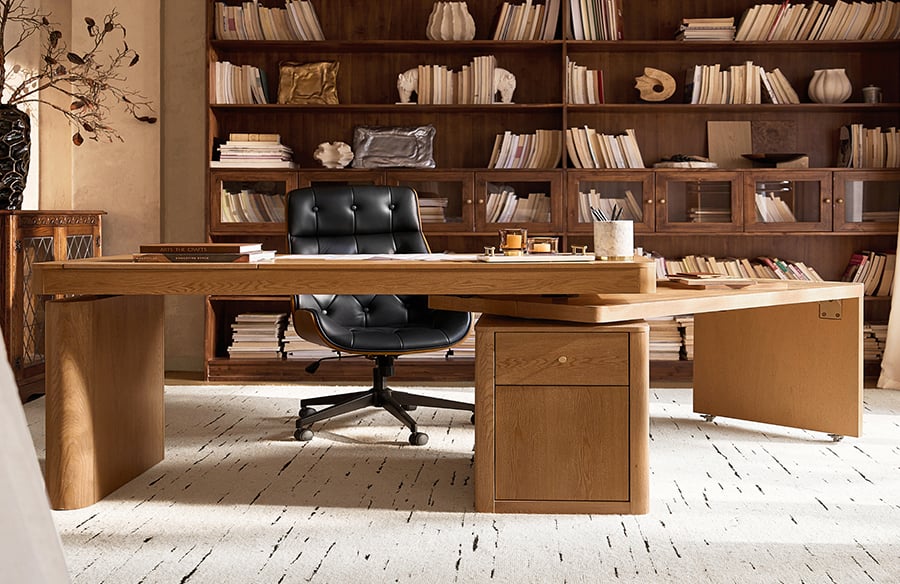
HULALA HOME offers home office furniture designed for domestic interiors, including its 360-Degree Rotating Desk. Its rotating design provides an opportunity for shoppers to consider how a desk’s movement and configuration may fit into their particular room and routine.
Before purchasing, customers should review the product listing for confirmed dimensions, materials, assembly requirements, and details about how the rotating mechanism operates. Understanding the available clearance is particularly important when a desk will be placed in a shared or compact room.
A thoughtful furniture choice should respond to the actual demands of the working day rather than simply look attractive in a photograph. Practicality, ease of use, and compatibility with the surrounding interior all contribute to a workspace that remains useful beyond a single season.
Making Room for Work Without Losing the Feeling of Home
A home office should support concentration without sacrificing comfort or personal expression. Seasonal colours, familiar objects, considered lighting, and suitable furniture can bring these qualities together in a way that feels natural rather than overly designed.
This philosophy aligns with the wider approach of Hulala Home, where interior choices can respond to the different activities and routines that shape everyday life.
As fall brings more time indoors, the working area becomes another opportunity to make a home feel personal and adaptable. With a practical layout and furniture suited to changing tasks, it is possible to create a workspace that encourages productivity while remaining warm, comfortable, and recognisably your own.