Maintenance problems rarely come out of nowhere. A leak, swollen trim, cracked deck board, or stained carpet often traces back to a design choice made years before. That’s why more homeowners and rental investors are paying close attention to residential design and maintenance from the start.
The numbers make the point. Americans spend about $280 per month on home maintenance projects, almost $3,500 a year.
Good property maintenance tips help, of course. But smart home design for low maintenance can save you from a lot of stress before the first repair call ever happens.
Connection Between Residential Design and Maintenance Costs
Design and maintenance are closely tied. When you treat them as one conversation, you usually end up with fewer surprises, lower repair costs, and a home that’s easier to own over time.
Think about the everyday choices: roof shape, flooring, siding, drainage, trim, landscaping. None of them seem dramatic on their own. But together, they decide whether a property stays manageable or becomes a never-ending to-do list.
Orlando adds another layer. Heat, heavy rain, humidity, pests, and storm exposure all put pressure on a home. Materials and layouts need to stand up to moisture, sun, and steady use from families or tenants.
If you’re weighing upgrades against rental performance, property management for investors in Orlando FL can help connect maintenance planning with inspections, reporting, tenant turnover, and long-term ownership goals.
Why Design Shows Up on Repair Bills
A shallow roof, weak drainage, or soft exterior trim might look perfectly fine at closing. Years later, those choices can lead to rot, leaks, and repeated service visits. That’s where long-term home upkeep gets expensive.
Initial Cost Versus Lifetime Savings
Lower-cost materials can feel like a win at first. But if they need constant sealing, painting, cleaning, or replacement, the savings disappear quickly. Sometimes the “cheap” option is only cheap for the first year.
Once you see how closely residential design and maintenance are connected, the next step is choosing materials that can actually hold up.
Material Choices That Impact Long-Term Home Upkeep
Durability is not just a nice feature. It is a cost-control strategy. The materials you choose influence how often you repair, repaint, scrub, seal, or replace parts of the home.
Durable Building Materials
Fiber-cement siding, standing-seam metal roofing, luxury vinyl plank, and composite decking all support designing homes for durability without making the property feel dull or overly basic. They may cost more upfront, but they usually perform better against weather, insects, stains, and everyday wear.
| Design Choice | Upfront Cost Feel | Maintenance Pattern | Best Use |
| Fiber-cement siding | Higher | Repaint less often than wood | Humid climates |
| Metal roofing | Higher | Fewer shingle repairs | Storm-prone areas |
| Luxury vinyl plank | Moderate | Easy daily cleaning | Rentals and busy homes |
| Composite decking | Higher | No regular staining | Outdoor living areas |
Low-Care Finishes
Even durable materials need the right finishes. Anti-microbial paint, sealed concrete, porcelain tile, quartz counters, and moisture-resistant trim are all practical options for home design for low maintenance.
These choices are not flashy in the showroom, but they matter later. Especially when life happens. Someone tracks in mud, a tenant spills coffee, the dog shakes off rain by the door. Real homes need finishes that forgive a little chaos.
With smart materials in place, the exterior becomes your next major opportunity to reduce recurring work.
Exterior Design Strategies for Minimal Maintenance
The outside of a home takes the hardest beating. Rain, heat, debris, UV exposure, and pests all show up there first. A few thoughtful exterior choices can prevent small annoyances from turning into expensive repairs.
Yard Choices That Reduce Upkeep
Florida-friendly plants, native shrubs, drip irrigation, mulch beds, and stone paths can reduce watering and trimming. In Central Florida, it also helps to keep shrubs and plants away from siding. That small gap improves airflow and discourages moisture and insects from settling against the home.
Roofing, Siding, and Outdoor Living
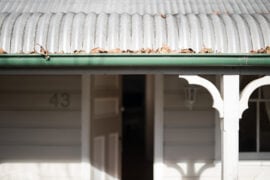
Gutter guards, wider overhangs, reflective roof surfaces, and proper drainage details protect the home’s shell. For patios, decks, and screened areas, composite boards, aluminum framing, and shaded zones help reduce fading, mildew, and cleaning time.
Once the exterior is designed to protect itself better, the biggest everyday wins often happen inside.
Interior Design Tactics That Simplify Maintenance
Inside the home, small design decisions add up fast. Floors, walls, counters, and storage affect how long cleaning takes and how often damage occurs.
Flooring and Surfaces Made for Real Life
Luxury vinyl, porcelain tile, and sealed concrete are strong choices for high-traffic spaces because they handle moisture and stains better than many traditional finishes.
Nearly 6 out of 10 residential builders and contractors surveyed agree that their home contributes to their health and well-being, while nearly half of consumers agree.
That matters. Moisture-resistant surfaces can help reduce mold-related maintenance, especially in humid places like Orlando.
Storage That Keeps Mess Contained
Built-in cabinets, entry benches, under-stair storage, and mudroom-style drop zones keep clutter from spreading. It sounds simple because it is. When everything has a place, cleaning is faster, and damage is less likely.
A smart layout does not need to be fancy. It just needs to work on a busy Tuesday when someone drops a backpack, kicks off wet shoes, and heads straight for the kitchen.
With better interior planning, technology can add another layer of protection.
Smart Home Technology and Orlando Investor Features
Smart home tools cannot fix poor design. But they can warn you before a small issue becomes a large one. For rental properties, that can mean fewer emergency calls and fewer unpleasant surprises between inspections.
Monitoring Systems That Catch Trouble Early
Leak sensors, HVAC alerts, smart thermostats, and appliance monitoring can flag problems early. Remote access also helps owners keep an eye on property conditions without waiting for a tenant complaint.
That kind of early warning can make a real difference. A slow leak caught in a day is annoying. A slow leak found after a month is a flooring bill, a drywall bill, and probably a headache you did not need.
Features Built for Orlando Rentals
Humidity-resistant flooring, hurricane-rated openings, pest-resistant materials, washable paint, and easy-access mechanical areas are especially helpful in Orlando rentals. For investors, the goal is not just a nice-looking property. It is a home that can handle turnover, inspections, and daily living without constant repair work.
Orlando properties face unique pressures, so it helps to see how these upgrades play out in real life.
Real World Case Study — High-ROI Residential Design for Durability
A Central Florida rental home had the usual trouble spots: swollen baseboards, stained carpet, clogged gutters, and faded deck boards. The owner wanted fewer tenant complaints without making the home feel cold or stripped down.
Before the Redesign
The original finishes looked good during showings, but they did not hold up well. Carpet absorbed stains. Wood trim swelled near exterior doors. The deck needed repeated attention after heavy rain.
After the Redesign
The team replaced those weak points with luxury vinyl plank, tile bath surrounds, fiber-cement trim, gutter guards, and composite outdoor materials. Tenant feedback improved because the home stayed cleaner. The owner also saw fewer routine repair requests.
That kind of result is the point. Durable design does not just look better on paper. It makes ownership feel calmer.
Essential Property Maintenance Tips and Professional Services
Good design reduces maintenance, but it does not erase it. Every property still needs regular attention. The trick is building a simple rhythm that catches wear before it becomes damage.
Inspection Habits That Protect Value
Roof edges, gutters, siding joints, caulk lines, HVAC filters, plumbing shutoffs, and exterior grading should be checked consistently. These property maintenance tips are not glamorous, but they protect you from the expensive stuff.
A five-minute look at a gutter or caulk line can save you from a repair that ruins your week. Not exciting, maybe. Worth it? Absolutely.
When to Bring in Help
DIY makes sense for smaller tasks. But tenant coordination, vendor scheduling, inspections, and emergency repairs can get complicated fast. Professional managers with inspection systems, digital portals, and reliable local vendor networks can save owners time, especially if they live out of town.
Once you know where professional help adds value, the next move is watching the trends that are shaping lower-maintenance homes.
Trending Design Innovations for the Next Decade
The next generation of homes is moving toward longer-lasting materials and flexible layouts. Some ideas are still developing, but others are already practical for homeowners and investors.
Materials Worth Watching
Self-healing concrete, solar-integrated roofing, antimicrobial surfaces, and improved water-resistant wall systems may reduce future repair cycles. Flexible room layouts can also help homes stay useful without major remodeling.
Practical Trends to Use Now
Standardized fixtures, common flooring lines, accessible plumbing panels, washable walls, and simple roof shapes are smart choices right now. They may not sound dramatic, but they make repairs easier and replacement parts simpler to find.
With those trends in mind, let’s answer the questions owners usually ask before making upgrades.
Common Questions About Durable Home Design
Most people want practical answers before spending money. Fair enough. The best design choices should make ownership easier, not just prettier.
What are the key architectural trends for 2026?
Expect more flexible rooms, simpler rooflines, durable exterior materials, energy-aware layouts, and healthier indoor finishes. The focus is shifting toward homes that are easier to clean, easier to repair, and better suited for long-term ownership.
What are some important things to consider when designing a home?
Think about climate, cleaning habits, tenant or family traffic, drainage, storage, and repair access. A beautiful home still needs to function when it rains, when something spills, or when a part needs replacing.
How can older Orlando homes be upgraded for easier upkeep?
Start with moisture-prone areas: flooring, trim, bathrooms, roof drainage, and exterior doors. Then replace fragile finishes with stronger ones. Small upgrades can make long-term home upkeep much more predictable without requiring a full remodel.
Now the big question is simple: what can you do next?
Final Thoughts on Smarter Design and Easier Maintenance
Smart design will not prevent every repair. Nothing does. But it can make ownership far less stressful.
Better materials, simpler layouts, weather-aware exteriors, smart sensors, and consistent inspections all work together to protect your property and your budget. For homeowners and investors, designing homes for durability is really about control — fewer surprises, fewer urgent calls, and fewer weekends lost to problems that could have been avoided.
If you are planning a build, remodel, or rental upgrade, get advice early on residential design and maintenance. The choices you make now will keep speaking for years, so make them count.