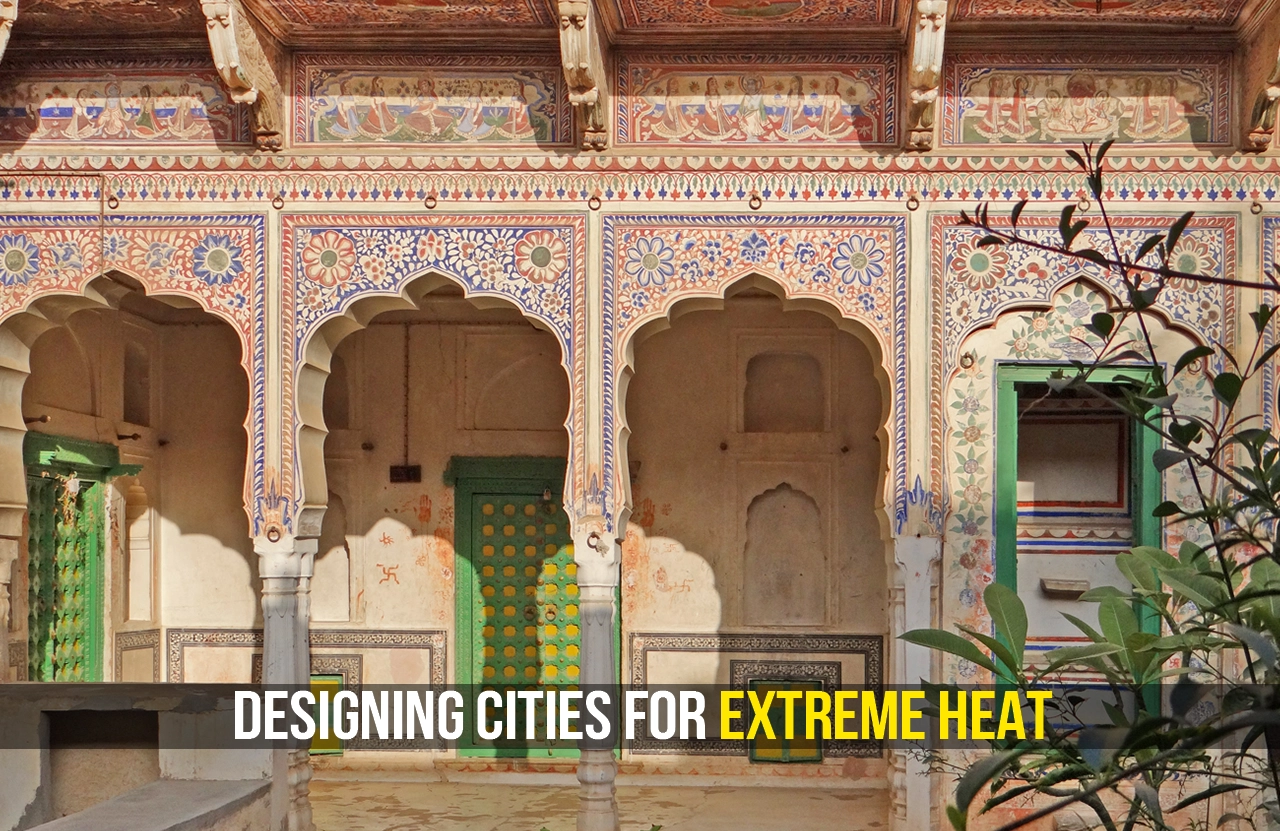
It is midnight in a city that won’t cool off; the trapped heat sends out waves that reflect how the architecture is working against the climate and environment. It’s not merely a matter of how individual buildings are designed but also of how the surrounding areas have been planned. The temperatures which we usually find in our textbooks have now become so real that we no longer realise it is already too late to take any action ourselves. This time round, society has followed market trends and built up tall skyscrapers and glass towers, only later realising the value of shaded courtyards, stepwells, jaalis and all the other features.
Because the population has grown while the amount of land has decreased, leading to neighbourhoods that are closely packed and lacking in trees, insufficient insulation and reflective surfaces have become a major threat to the efficiency of dealing with heat. As modern technologies have advanced, ever more infrastructure has destroyed what nature originally offered. Then there is the environmental factor: global warming, so heat is simply the result of causing restlessness among living beings.
Long ago, communities constructed buildings with the aim of providing comfort without harming the environment. The stepwells in Gujarat provided shaded and water-cooled places of retreat. These vavs were not just ordinary wells; they were social areas in which women would go to draw water and talk in the cool depths, served as shaded resting places along hot trading routes, and also represented acts of religious merit which were financed by queens and merchants who wished for their names and generosity to be remembered for centuries afterwards.
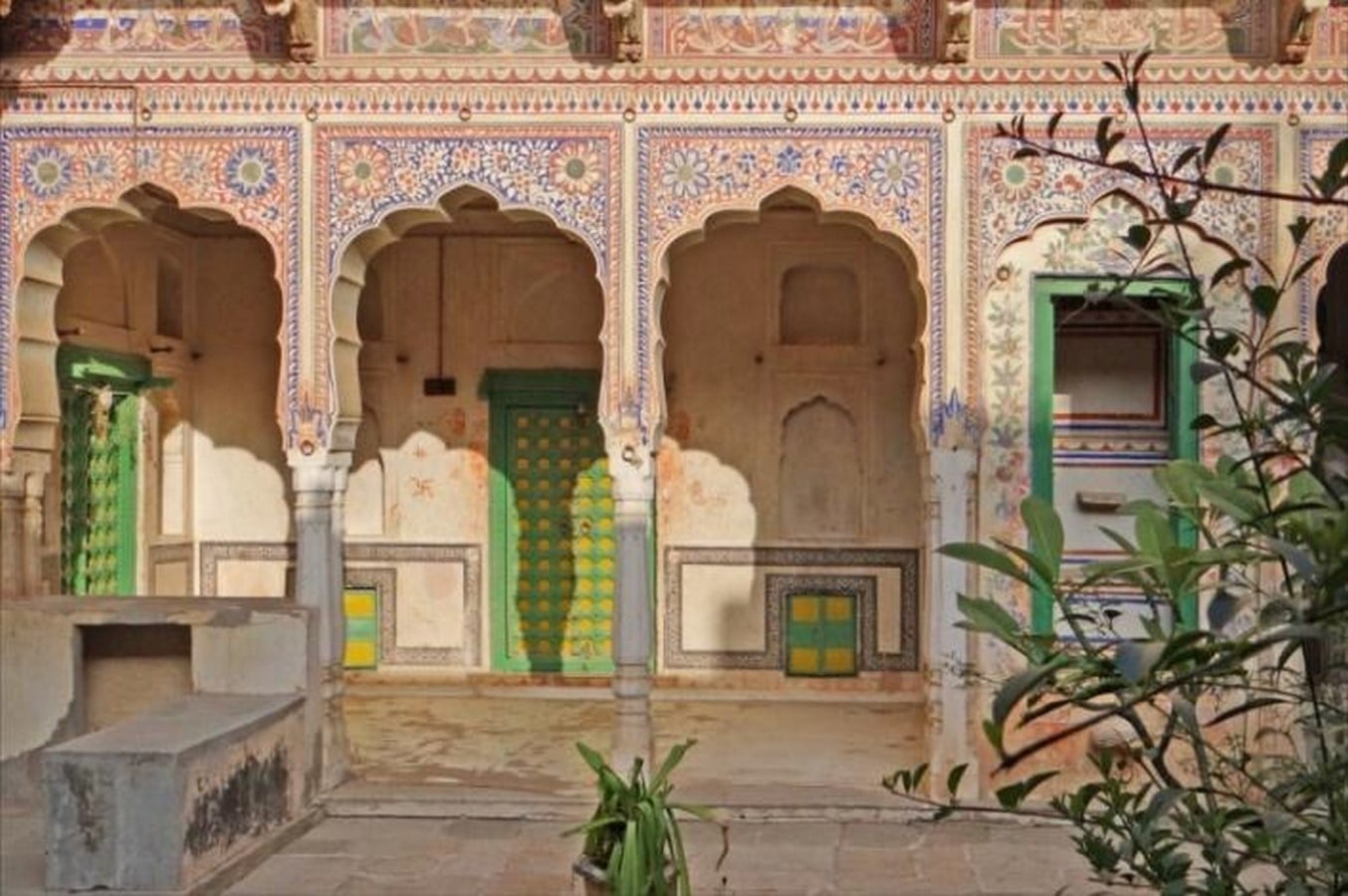
In Rajasthan, the breezes were channelled through the narrow lanes via the courtyards. Since water evaporates and cools the surrounding air, the temperature inside the building is lowered. This feature has for centuries formed part of Rajasthan‘s architecture and remains an effective method of dealing with the extreme heat of the region.
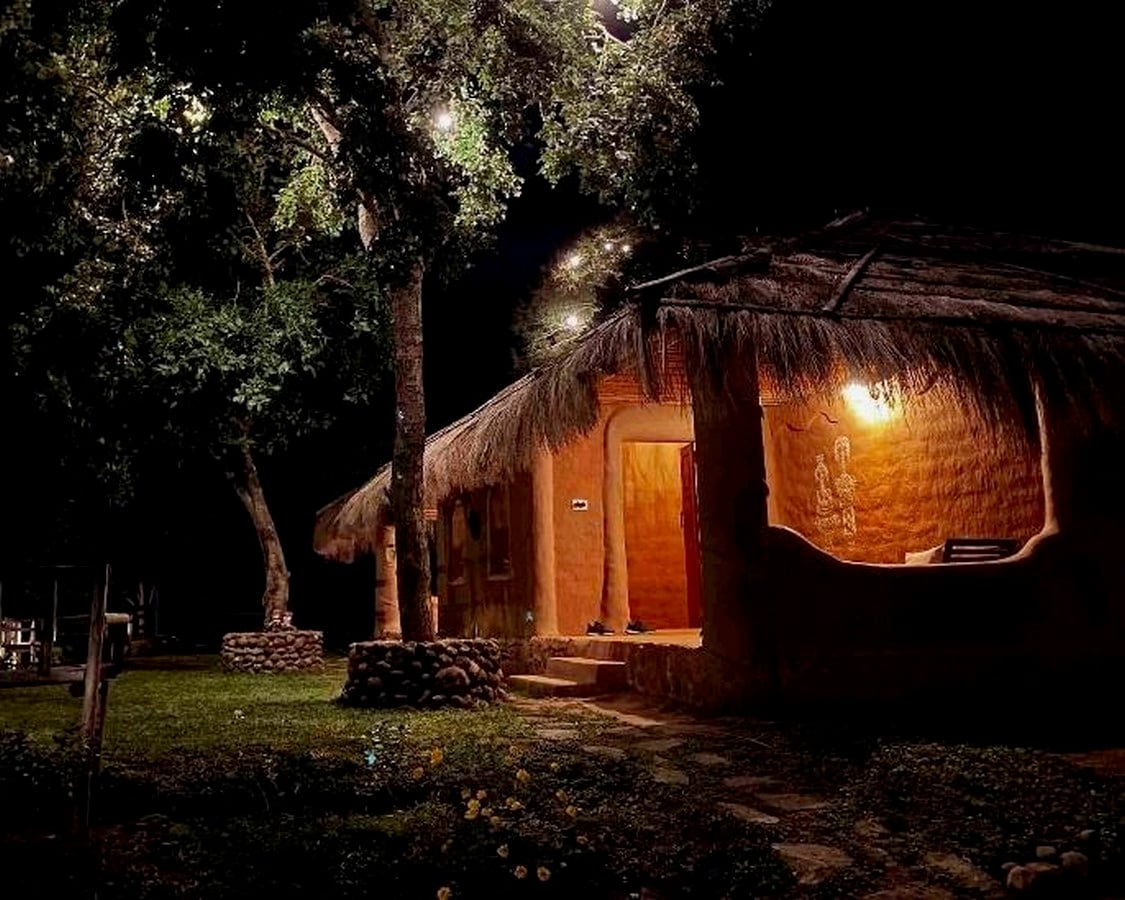
The mud houses in Kerala respond to the climate by taking in moisture and then releasing it gradually. They are constructed mainly from mud and other natural materials, as well as from recycled ones. In order to allow plenty of light and sufficient natural ventilation for relief from the tropical climate, passive principles were used.
Yet modern cities have forgotten this piece of wisdom and have abandoned the value of the older methods. Glass towers trap heat, asphalt absorbs it, and extensive boulevards eliminate shade. If architects are to deal with extreme heat, they must recover and reinterpret these traditions.
Designing Shade as Infrastructure
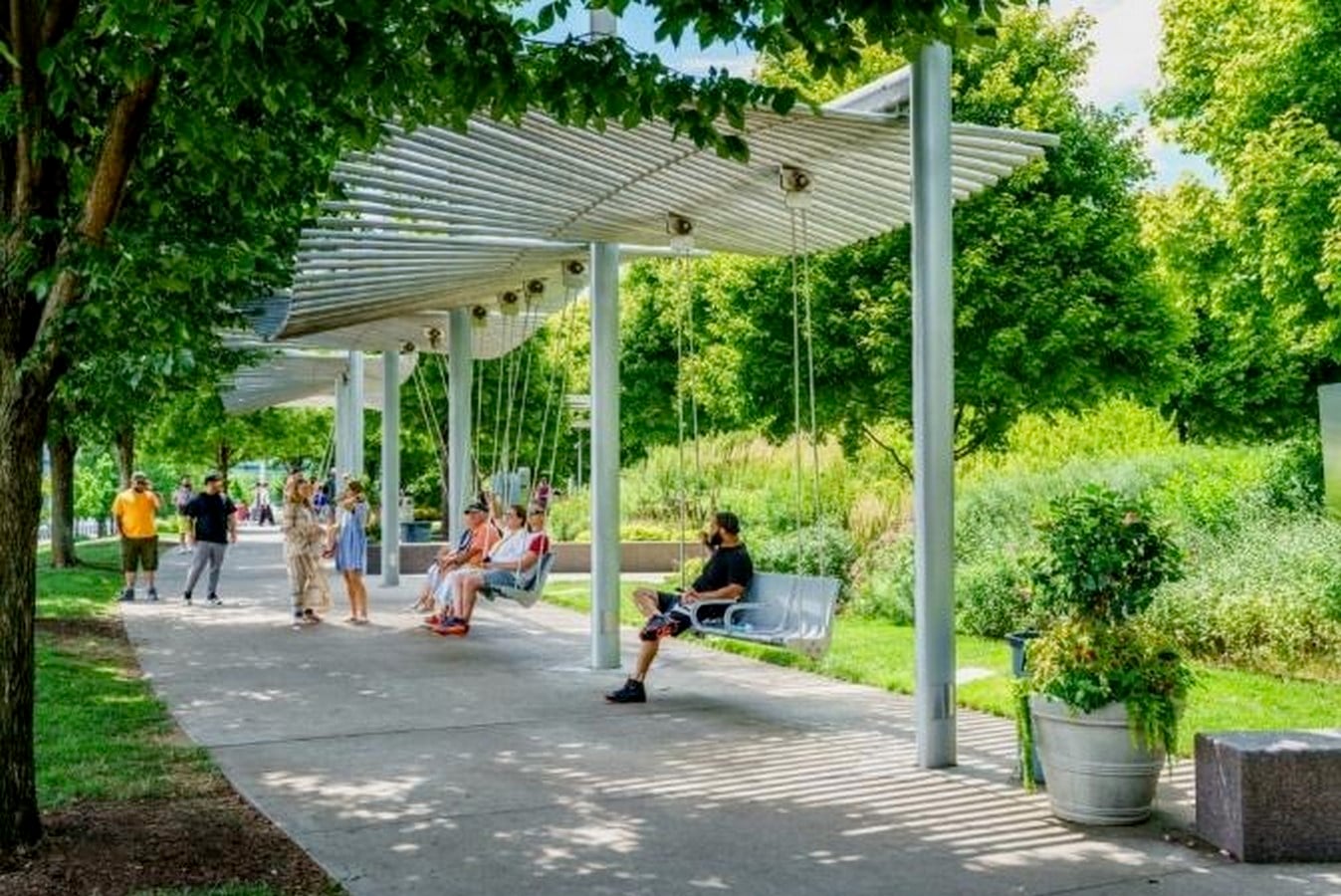
The shade that trees give us is not intended. They do indeed provide it, but it might be considered part of the infrastructure. One can argue that both the natural environment and man-made structures can enhance this life-saving design decision. Therefore, pergolas and arcades, along with shaded walkways, should be an essential feature in today’s cities. For example, cities such as Singapore have already started investing in urban forests in order to introduce greenery onto the facades of high-rise buildings and in public plazas. Shade must be deliberately incorporated along roads and power lines to cope with heatwaves.
Materials That Breathe
The kind of materials we use reflects the standard of life and the situation we aim to create for ourselves; for instance, dark asphalt takes in heat, whereas reflective pavements deflect it. New radiative cooling paints are capable of making surfaces cooler than the air around them by emitting the heat into outer space. Permeable pavements enable water to pass through, thus reducing both flooding and the absorption of heat. All of these materials change the idea of retaining heat into one of releasing it and turn every wall, roof, and street into a cooling device.
Water as a Cooling Memory
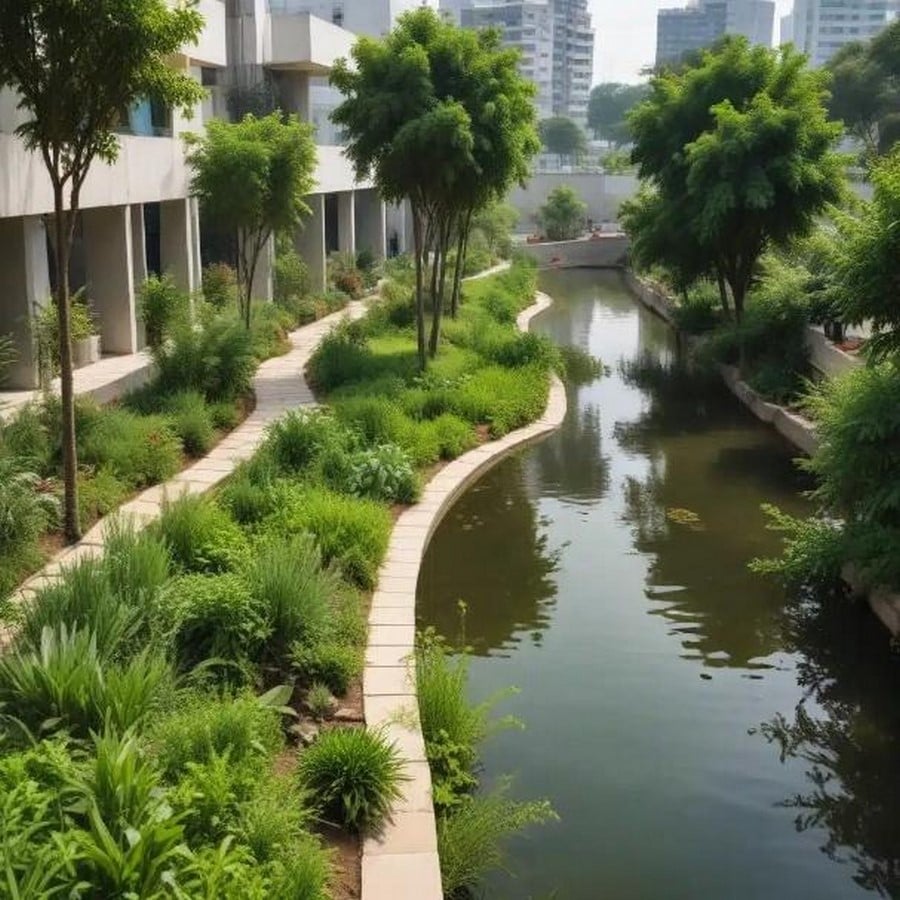
Water was once the key to maintaining and enhancing the ecological balance of both the structure and the environment. In Seville, shaded fountains are located in the plazas, and in Dubai, district cooling systems distribute chilled water throughout the whole of the neighbourhoods. Water-sensitive urban design is not simply a longing for the past—it is a necessity. Since climate change is becoming more severe, incorporating water into the urban fabric will be just as important as having electricity grids or sewage systems.
Beyond Air Conditioning
The usual answer to heat is air conditioning, but it is also the most hazardous since it uses a great deal of energy, puts a strain on power grids, and increases emissions. Even more problematic is the fact that it is inequitable—millions can’t afford it and thus remain at risk. The way forward is through district cooling systems, which provide chilled water in a more efficient manner, and through passive survivability standards, which mandate that buildings be able to remain habitable for 72 hours without power. When designing for extreme heat, we must go beyond relying on air conditioning and instead adopt systemic cooling solutions.
It is not a question of aesthetics or luxury to design cities for extreme heat; it is a matter of survival architecture. Each shaded street, each material that allows breathing, and each cooling system forms a defensive measure against a climate that is already present. Architects should design not merely for beauty or efficiency, but for life. The future city will not be assessed by the shape of its skyline but by whether its inhabitants are able to walk, sleep, and breathe when the temperature goes up.