Curating Art
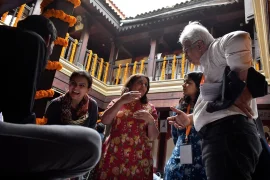
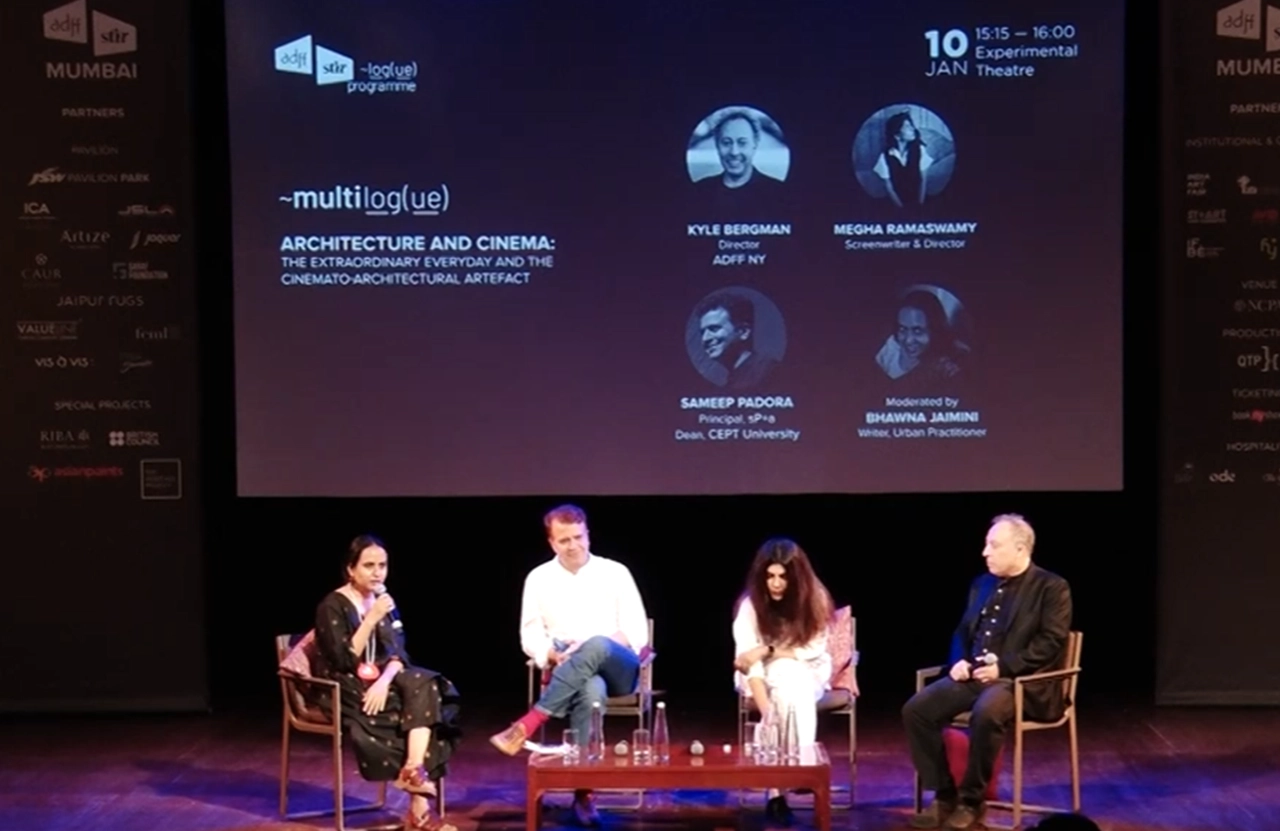
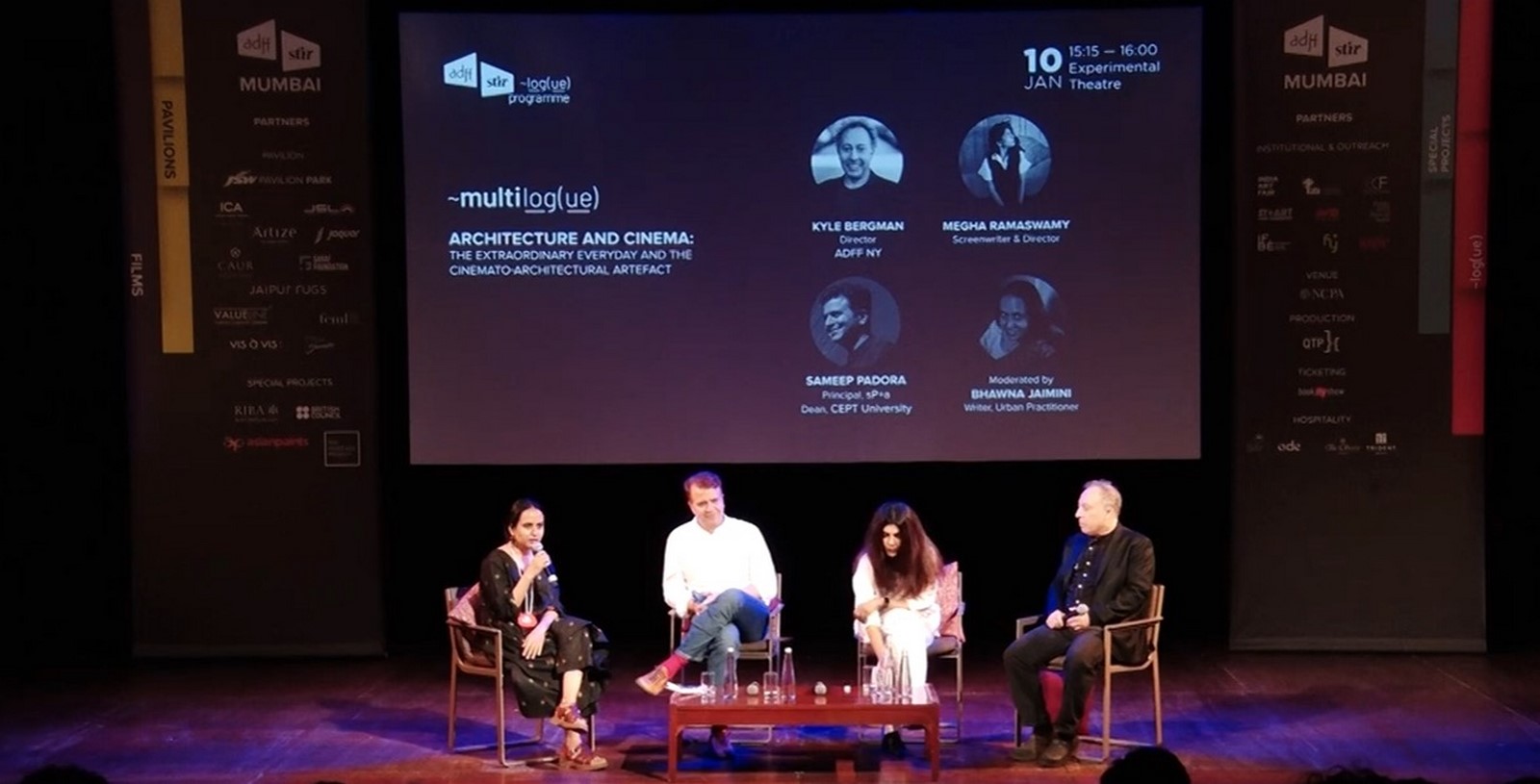
Architecture and cinema might seem like two entirely different fields, but the beauty lies in their power to bridge disciplines, connecting people, spaces, time, history, and culture. This is what makes both mediums share so much in common, especially in how they curate space and narrate the lives of people moving through it. When these stories and concepts come together, they help create a dialogue between architects, filmmakers, and the audience. The conversation between the panelists in the session of “Architecture and Cinema: The Extraordinary Everyday and the Cinemato-Architectural Artefact” explores that dialogue. Moderated by architect, writer, and researcher Bhawna Jaimini, the discussion brings together Kyle Bergman, founder and curator of the Architecture and Design Film Festival; director and screenwriter Megha Ramaswamy; and architect Sameep Padora.
Art is Authentic
Designing spaces requires curation and an understanding of context; movies require that to narrate these spaces. What makes the audience relate to art, if not its authenticity? Art doesn’t exist separately from the world around it. What is shown, and what one chooses to see, is where dialogue arises. Movies and architecture are expressions of their socio-political contexts, a form of worldbuilding shaped by history, culture, and politics, all seen through a human lens. The dialogue between the panelists in the videos brings up this discourse.
Films tagged as architectural could be completely design-oriented, focusing on the designer’s thought process, or represent the lives of characters with architecture as the backdrop, or represent something apart from any of this. There are unique ways of representing life and design; what keeps them rooted with the audience is portraying the authenticity of everyday life and interactions. One might question the need to bring these two together, but architecture and cinema have been connected through the process of creating, composing, and narrating. The idea is to start a conversation and understand lenses that we may not come across in our daily routine.
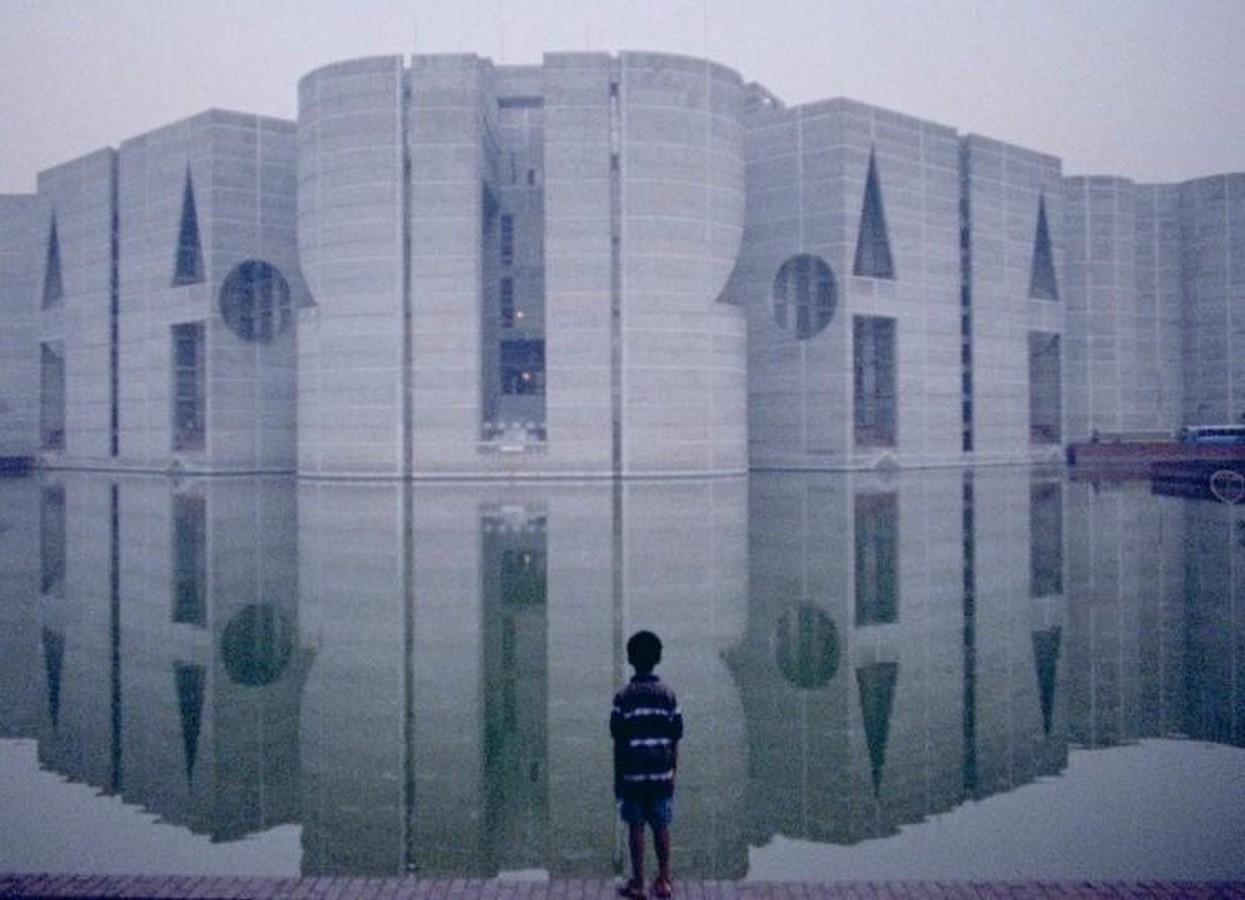
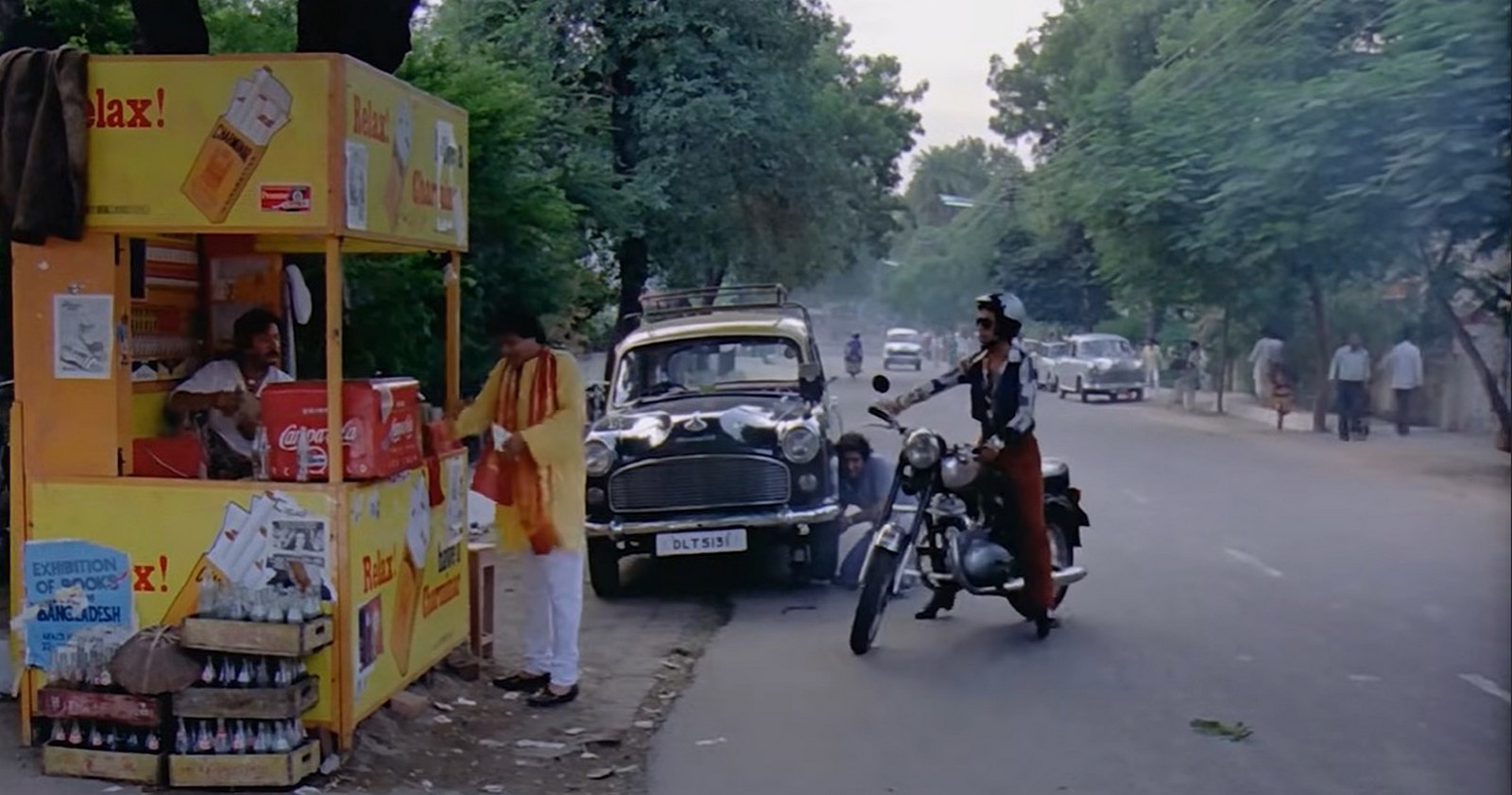
In this session, the panelists engage in such conversations and put forward their views on the topic. They explain how, in films, design is the first conversation that interprets the world around their characters and what instances and details they choose to show in that world. The discourse gradually opens up what architecture and cinema offer viewers, ranging from nostalgia, city densities, to incidental non-types and development in different contexts against the backdrop of the social and political system. Movies like My Architect, Chashme Buddoor, Katha, etc., were brought up that explore these concepts of architectural wonder,city architecture and everyday life. My Architect is one of the examples Kyle brings up to show how films about architecture can reach audiences beyond the design world. While architects may be drawn to Louis Kahn’s way of design exploration, its wider appeal lies in the deeply personal story of a son searching for his father. It focuses on how architecture and the people connected to it can become part of a larger human narrative, making the film relatable even to viewers who may not have a specific interest in architecture. This is also what the festival aims to do.
A Designer’s Takeaway
As a designer, the conversation reminds us to look beyond built structures as just objects in isolation. It reminds us to be attentive to the everyday spaces as life unfolds. Cities, streets, courtyards, markets, homes, and public spaces are not merely backdrops; they bring in instances of how people meet, move, interact, and build memories. Cinema can help designers notice these routine environments more closely, through various lenses that reveal how a city’s character is shaped not only by its landmarks but also by its patterns, relationships, and constantly evolving society. These kinds of conversations also highlight the importance of understanding context before designing because the same space can carry different meanings depending on its history, culture, people, and political circumstances. Similar to how filmmakers choose what to show and what to leave outside the frame, designers also make decisions about what to preserve, emphasise, or transform. These choices help in shaping how a place is experienced and whose stories are represented. In everyday life, as development takes place, architects become a part of that process, and in the hustle, the nuance of what development results in might get overlooked. When architecture is looked at gradually through cinema, it encourages designers to also question the idea of development as simply replacing the old with the new, and recognise that authentic design begins with understanding the lives already connected to a place. It is a way of seeing architecture not only as form, but as part of the stories people live every day.
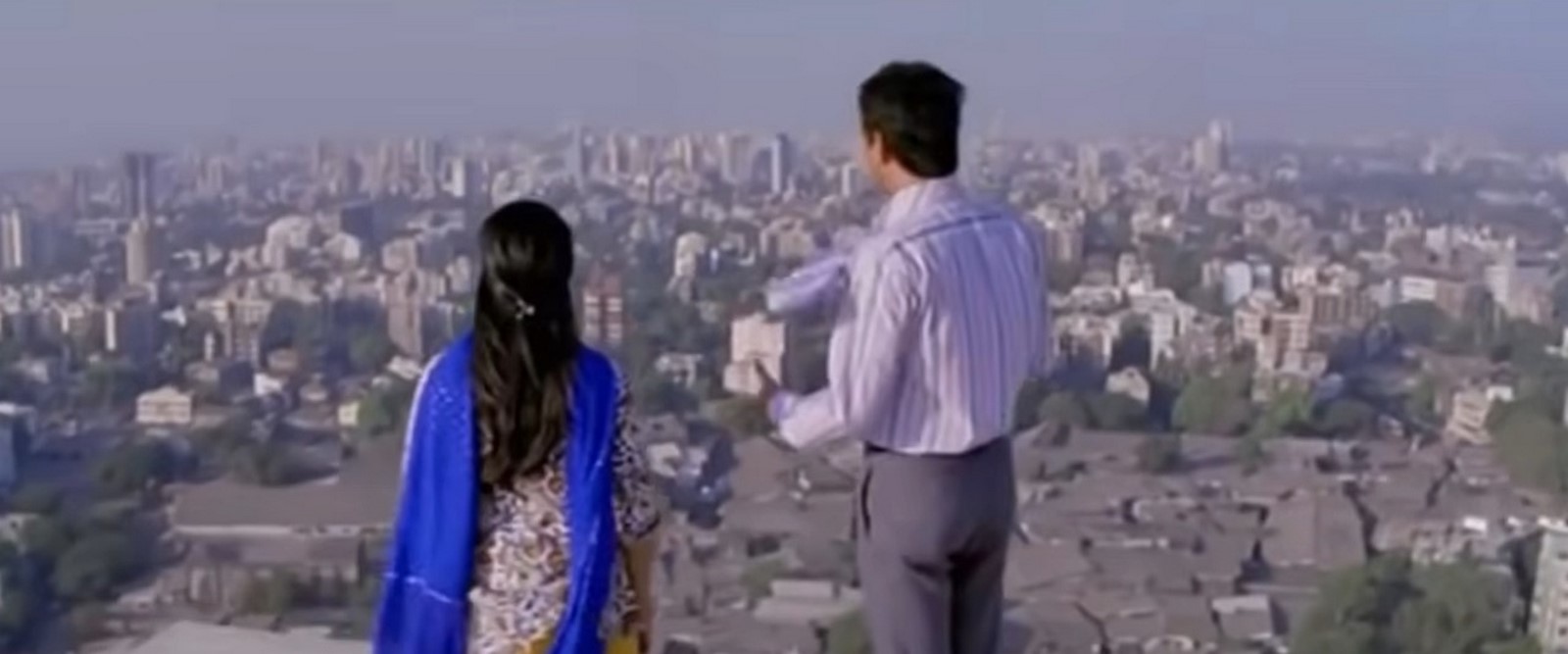
What I enjoy about conversations and podcasts like these is that they are a gateway into appreciating better cinema and design that is authentic and rooted in culture. Kumbalangi Nights, Tokyo Ride, and Amélie are some of the films that come to mind that are enjoyable in their own way and explore some of the concepts of incidental beauty and architectural wonder. Conversations like these are necessary, as they make us question what is lost when films start feeling over-processed or shallow, and when, in the name of development, the authenticity of cities is overshadowed by hyper-commercialisation and all that is left is a boxy and soulless cityscape.
References:
- Architecture and Cinema: The Extraordinary Everyday & the Cinemato-Architectural Artefact (2025) YouTube. Available at: https://youtu.be/7_2vka08Bvs?si=Qnz3aan45r_6-PYE (Accessed: 20 September 2026).