In the modern world, we spend a lot of time on roads, rest stops, and bridges. It has become a repeating cycle of where we are and where we want to go. No one has the time to mull over clichés like ‘enjoy the journey’, because frankly, there is no time. That being said, there is always that strange feeling of everything blurring around you when you’re on the road somewhere, and you just need a break from that feeling. And suddenly the somewhat dead fuel station starts looking like the greatest place on Earth. Architecture and design is most of the time thought to be somewhat of a destination, but it is also what happens before you get to it. It stops being about permanence and becomes more about pause and passing through.
Architecture Between Destinations
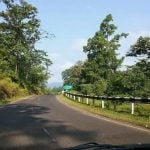
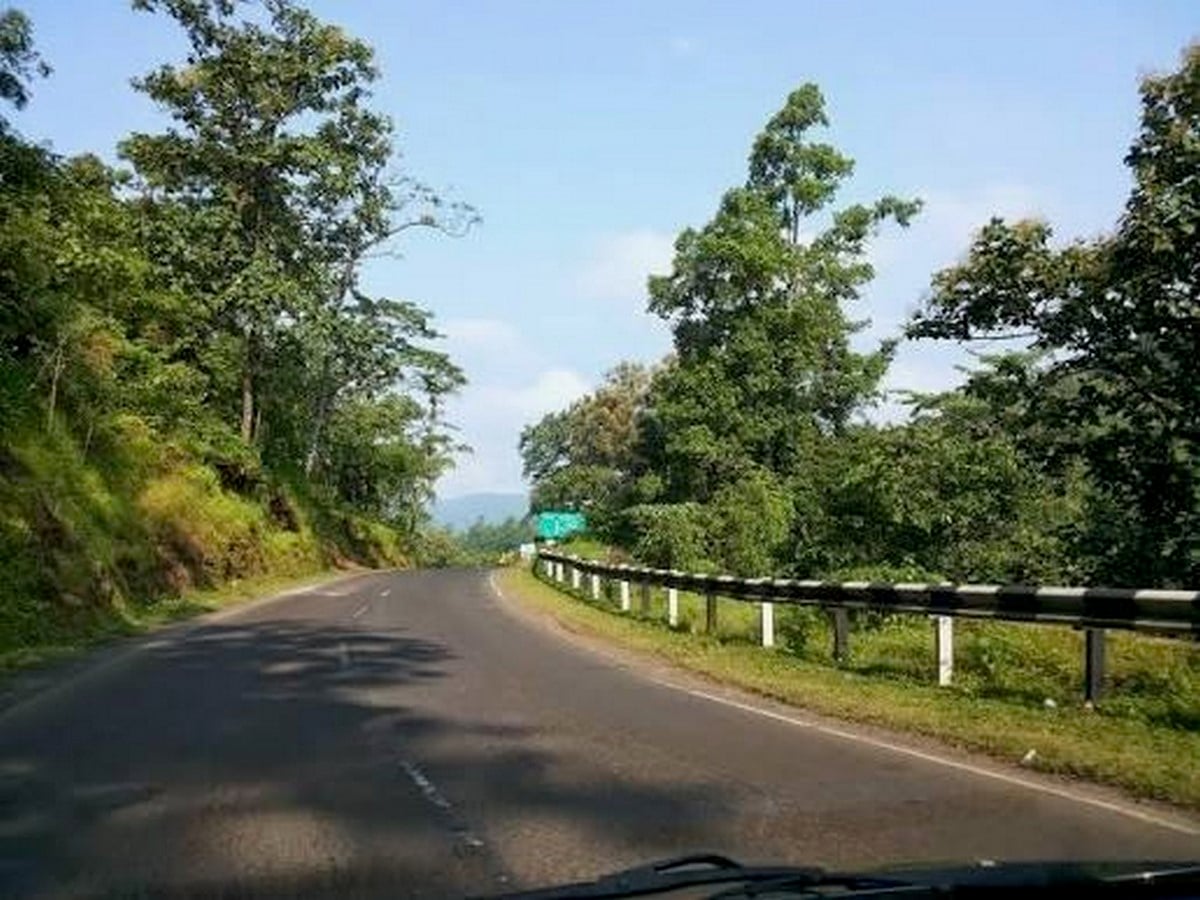
A highway is an example of this; it is of course infrastructure first but it is also a huge spatial experience. Its curves, lanes and barriers determine how to move through the landscape. Unlike in a building, the user does not go and settle inside. Rather, the architecture is experienced continuously and usually at speed. The landscaping done at highways therefore plays a very important role. A series of shrubs become a visual boundary and can be helpful in avoiding glare of other cars for drivers at night. Buildings appear briefly and disappear again. A bridge interrupts the horizon and a distant settlement slowly becomes recognisable before disappearing behind you. There is a constantly changing frame created by the surrounding landscape. What looks from above like emptiness is a series of visions for the person travelling through it.
Most buildings are designed around people who will occupy them for a certain period of time. But what happens when the primary user is someone who doesn’t stay?
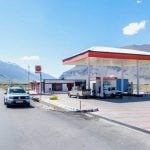
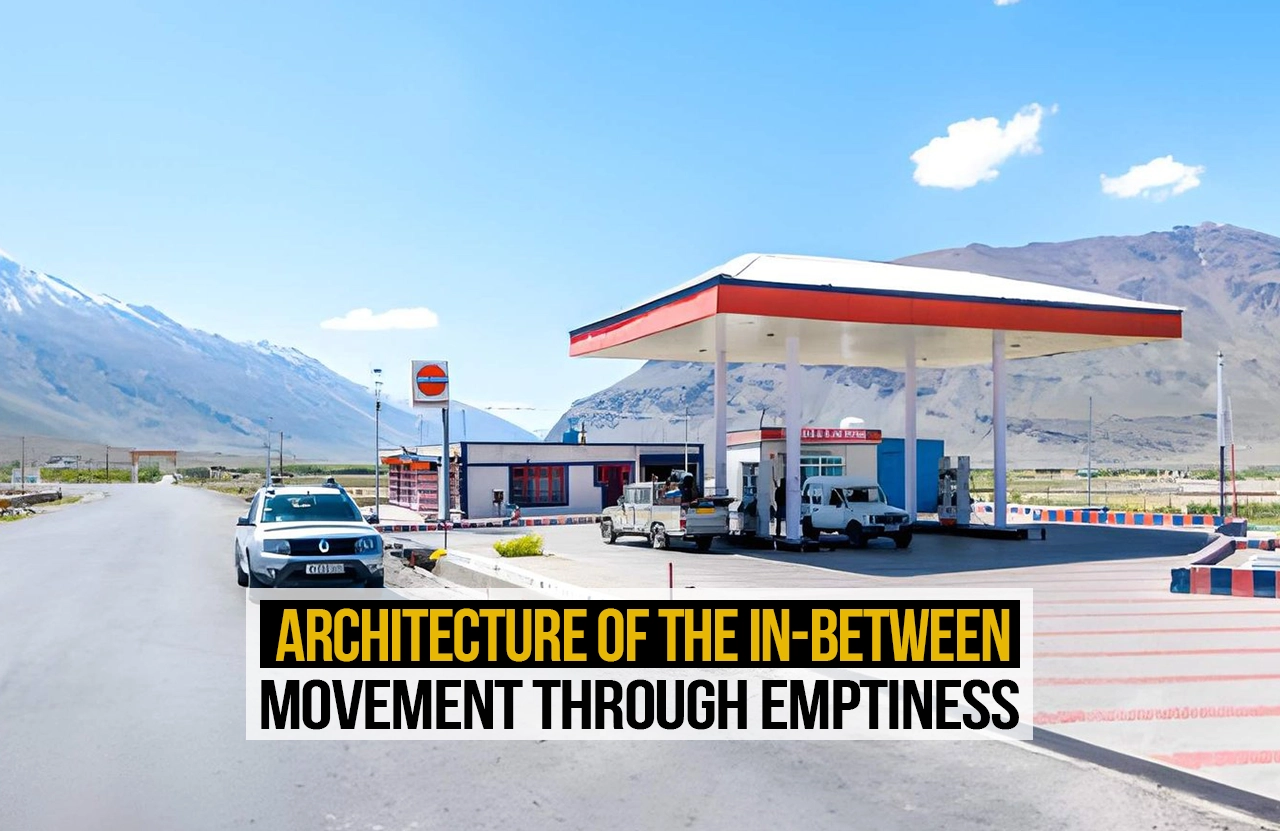
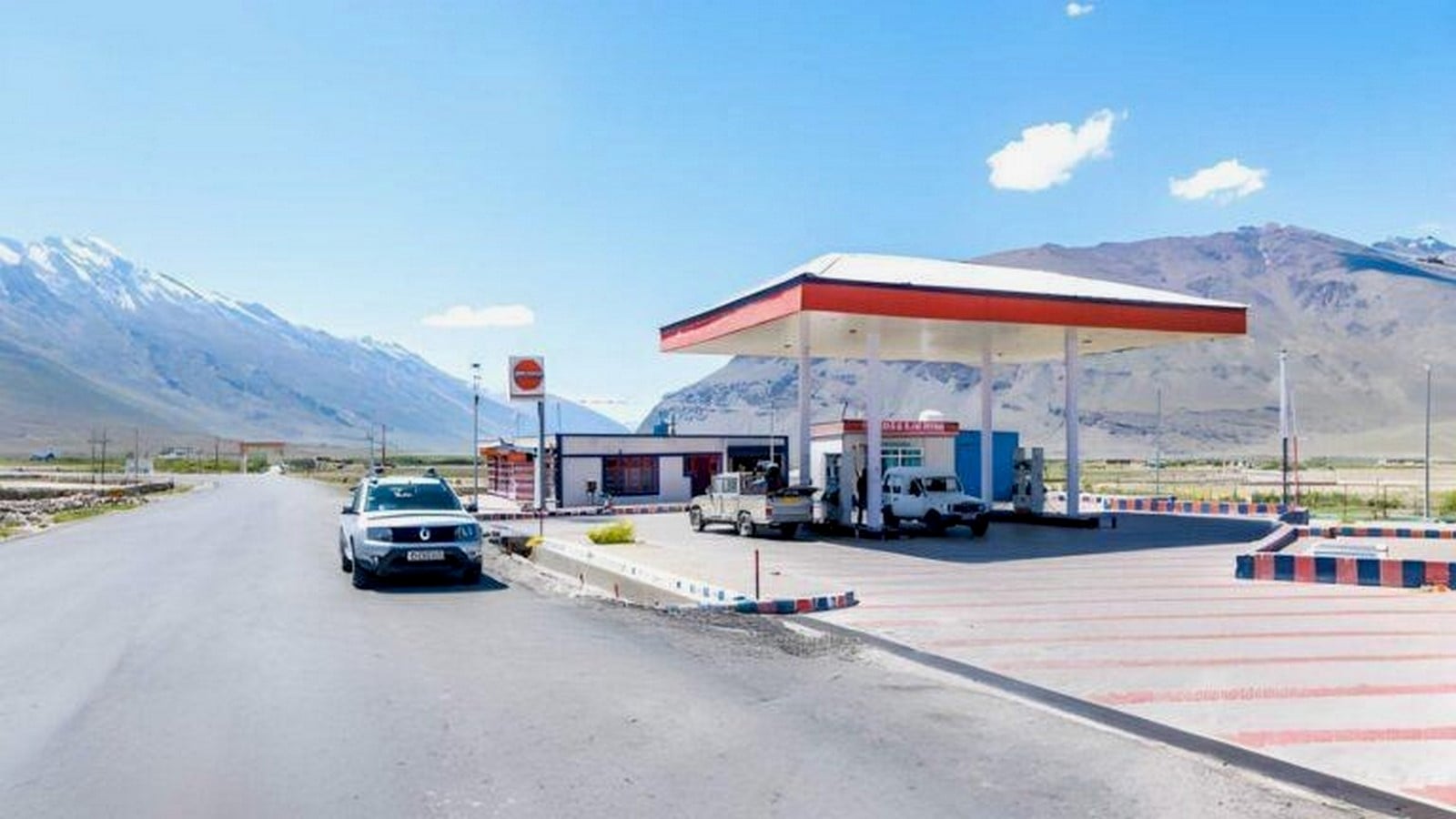
A petrol station has to almost instantly communicate to someone approaching in a moving vehicle. The canopy, forecourt, signage and arrangement of pumps need to be visible from a distance and understandable without requiring the driver to stop and study the building. Even the circulation of cars becomes part of the design. Yet the actual occupation is temporary. A person arrives, parks, fills the vehicle, perhaps buys something, and leaves.
There is little expectation of developing a long-term relationship with architecture. The building exists to support a short interruption in movement. In this way, architecture and design respond not to permanence, but to speed, visibility and convenience.
The Architecture of the Pause
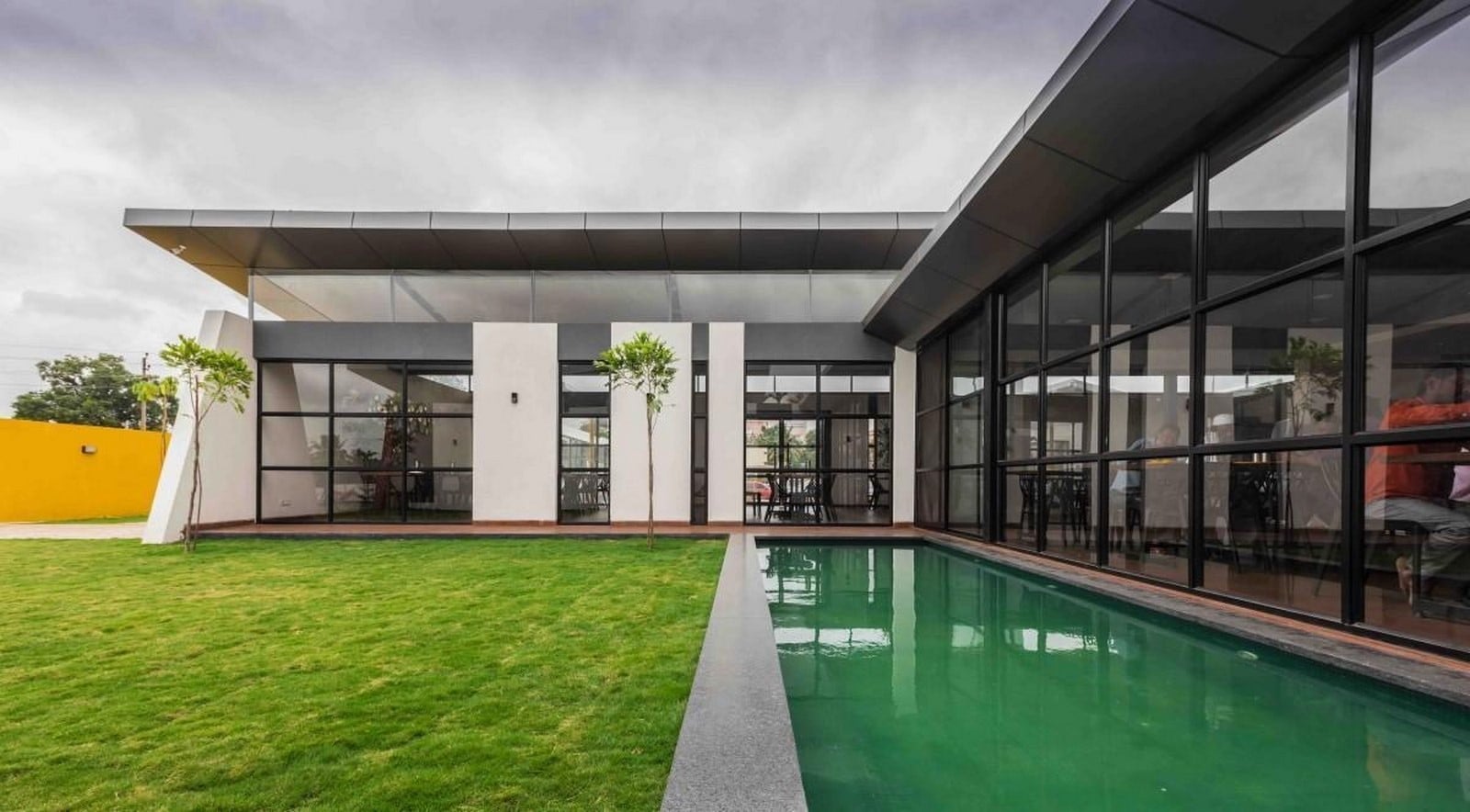
Rest stops introduce something slightly different: deliberate slowing down. After kilometres of continuous movement, a rest area provides somewhere to stop, stretch, eat, use the toilet or simply sit for a while before continuing.
This makes the relationship between movement and emptiness particularly interesting. A rest stop may contain buildings, parking, landscaping and people, yet still feel detached from its surroundings. It is neither fully part of the landscape nor fully part of a city. It exists because of the road beside it. In this way, by existing in a detached state with all the necessities, it can become a place that doesn’t feel like a destination but a stop along the way. Temporary occupation shapes the design here.
Parking spaces organise arrival and departure, pedestrian routes separate people from vehicles, and buildings are positioned to be easily understood by someone who has just stepped out of a moving car. The architecture creates a brief moment of stability before returning the user to movement.
The Spaces We Usually Ignore
Because these places are transitional, they are often overlooked by architectural conversations that focus on iconic buildings and urban centres. A highway interchange rarely receives the same attention as a museum, and a roadside shelter is unlikely to become an architectural landmark. Yet these spaces occupy a huge part of everyday experience.
The in-between is not simply leftover land. It can have its own rules, rhythms and forms of occupation. A bridge exists between two sides. A station platform exists between departures and arrivals. A tunnel exists between two points in the landscape. Their purpose is inseparable from the movement they accommodate.
This also changes what “emptiness” can mean. A space does not have to be vacant to feel empty. A long stretch of highway, an isolated bus stop or a roadside landscape can feel empty because there is little conventional occupation. People are present, but only temporarily. The space is defined by passing through rather than staying.
Designing for the In-Between
We tend to value architecture according to what happens when we stay in it. But travelling means spending a considerable amount of time in places where staying is not the point.
The spaces between destinations deserve to be considered as part of Architecture and Design in their own right. They frame landscapes, organise movement, provide moments of pause and shape our understanding of distance. They may be temporary in occupation, but they are not insignificant in experience.
After all, a journey is not made only of the places we were trying to reach. It is also made of everything we passed through to get there.
References:
Alkan Bala, H. (2021) Architectural reading of the film ‘Terminal’ via non-place. Available at: https://www.havvaalkanbala.com/2021/04/11/architectural-reading-of-the-film-terminal-via-non-place/ (Accessed: 6 September 2026).
Gohain, S. (n.d.) ‘Dhabas, highways, and exclusion’, in [book chapter, ethnographic study of hybrid dhabas on NH1 and NH37]. Available at: https://www.academia.edu/53277581/4_Dhabas_highways_and_exclusion (Accessed: 6 September 2026).
Broken Hands Media (2026) ‘Passing through: on liminality’. Available at: https://www.brokenhandsmedia.com/blog/2026/4/7/passingthrough (Accessed: 6 September 2026).
Felix, D. (2021) LIMINAL – a video essay on liminal space. YouTube video. Available at: https://www.youtube.com/watch?v=cQWdtZbj2Zg (Accessed: 6 September 2026).
Jog, H.W. (2014) Lonely roads with lovely scenes [Photograph]. In: Long drive to Delhi – 35: On lonely roads in Dang, Gujrat – i of iii. Sketches from Life, 20 December. Available at: https://jogharshwardhan.blogspot.com/2014/12/long-drive-to-delhi-35-on-lonely-roads.html (Accessed: 6 September 2026).
Pal, M. (2024) Retail outlet of Indian Oil petrol pump situated at Padum, Zanskar, Ladakh [Photograph]. Shutterstock, 25 July. Available at: https://www.shutterstock.com/image-photo/padum-zanskar-ladakh-jul-20-2024-2493846243?trackingId=471a9297-8de4-482e-bba0-ba1c96e860f2&listId=searchResults (Accessed: 6 September 2026).
Collage Architecture Studio (2017) An Interlude – NH 75 [Photograph]. Available at: https://www.collagestudio.co.in/wp-content/uploads/2023/10/4-1.webp (Accessed: 6 September 2026).