Natural light in architecture is the one element that conveys design decisions (be it spatial layout, material choice, colour or scale). It gives meaning to how each space is intended to be experienced. For instance, a monastic cell and a prison cell can have a very similar architectural composition (no view of the horizon, enclosed space). Yet, the placement, intensity, and framing of natural light gives the room its character: either spirituality or confinement.
This essay illustrates that power, moving across the contradicting emotional states natural light can inflict.
Light as Spirituality: Entering a Deep Emotional State
Sainte-Marie de La Tourette – Le Corbusier
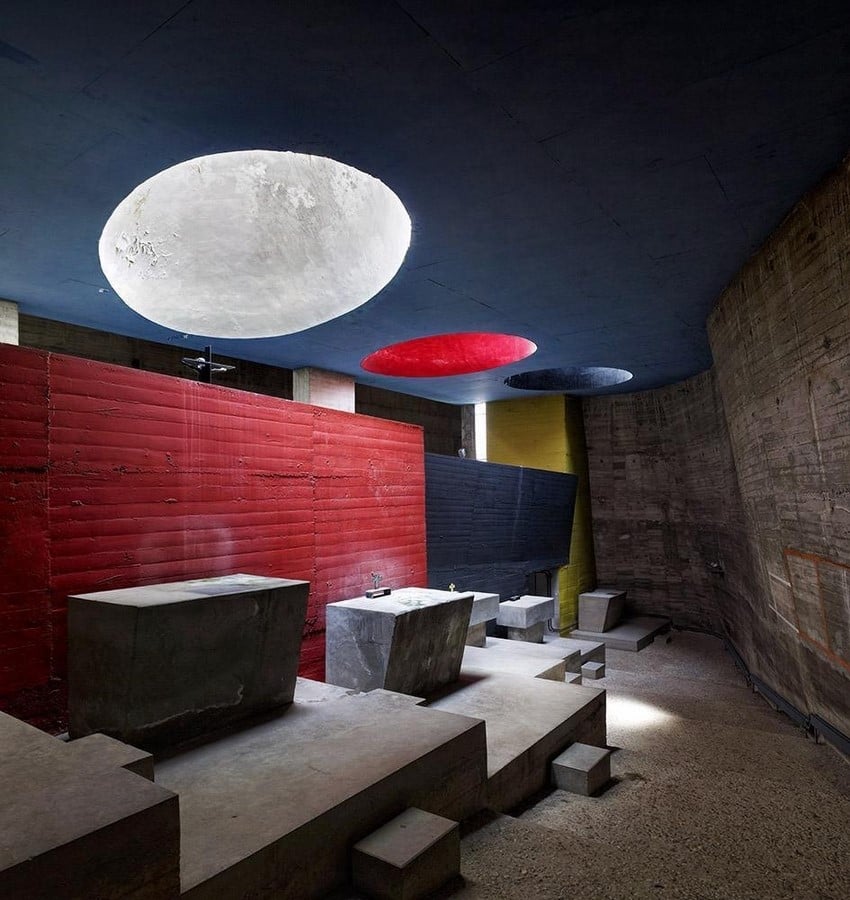
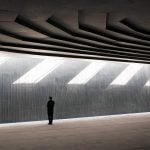
Looking from the outside, one might question how the cold, exposed concrete mass of the Monastery of Sainte-Marie de La Tourette could generate a deep emotional state of spirituality — of “the sacred.” The austerity of the material and the form might suggest an intent different from the one it truly delivers. This showcases how the calibrated and intentional use of daylight can manifest the aura and the atmosphere of a space. In the monastery, this is concretised in different ways: vertical openings in the corridors, insisting on rhythm and restraint, guide the monks’ silent circulation through the building; the wavy glass panels along these corridors filter and diffuse light, keeping movement contemplative. In the church, narrow slits and a single “light cannon” positioned over the altar area draws the eye toward the sacred focal point, isolating it in brightness against the surrounding dark concrete. And in the crypt, which houses the secondary altars — each dedicated to a different, individual mass — the light cannons illuminate one altar at a time, concretising an intimate act of worship, as opposed to the main church, which serves communal ceremony.
Sancaklar Mosque — Emre Arolat
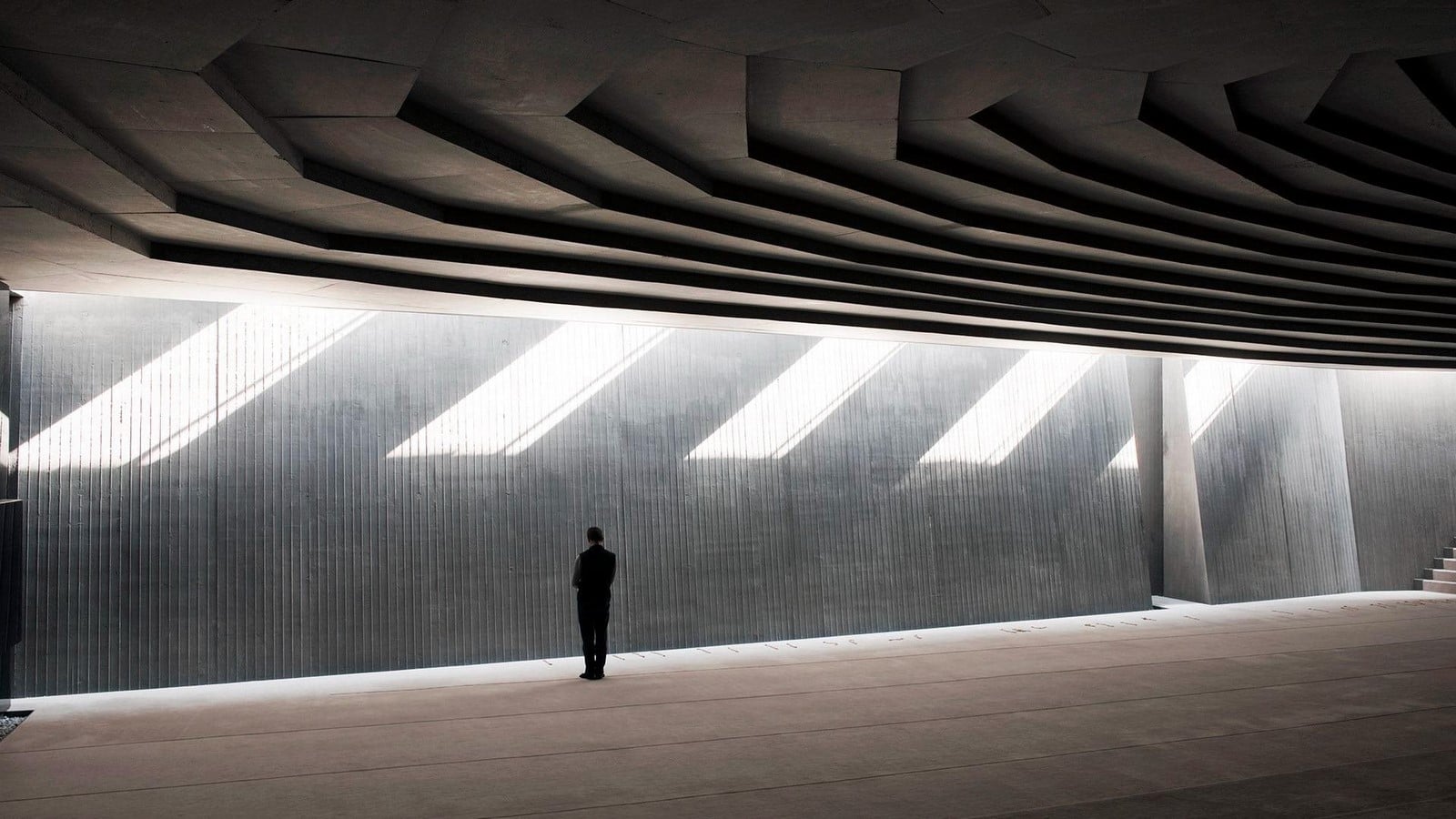
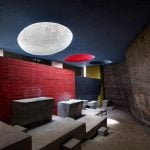
The design of Sancaklar Mosque uses a significantly different architectural vocabulary than the one typically found in Islamic architecture. Mosques usually incorporate significant ceiling height, such as the Hagia Sophia; Sancaklar, by contrast, extends more horizontally than vertically. Natural light enters through a zenithal opening, forcing the eye toward that direction and focusing attention on the one place all others would be facing, creating a sense of unity and concentration. The rest of the space remains in dim light purposely, to give the wall representing the Qibla its weight. The placement of that light draws the space into proximity with the sacred, with the divine.
La Tourette and Sancaklar arrive at the sacred through different concepts, but both showcase the power of light in evoking a deep spiritual state.
Light as Movement: Wonder and Exploration
Louvre Abu Dhabi – Jean Nouvel
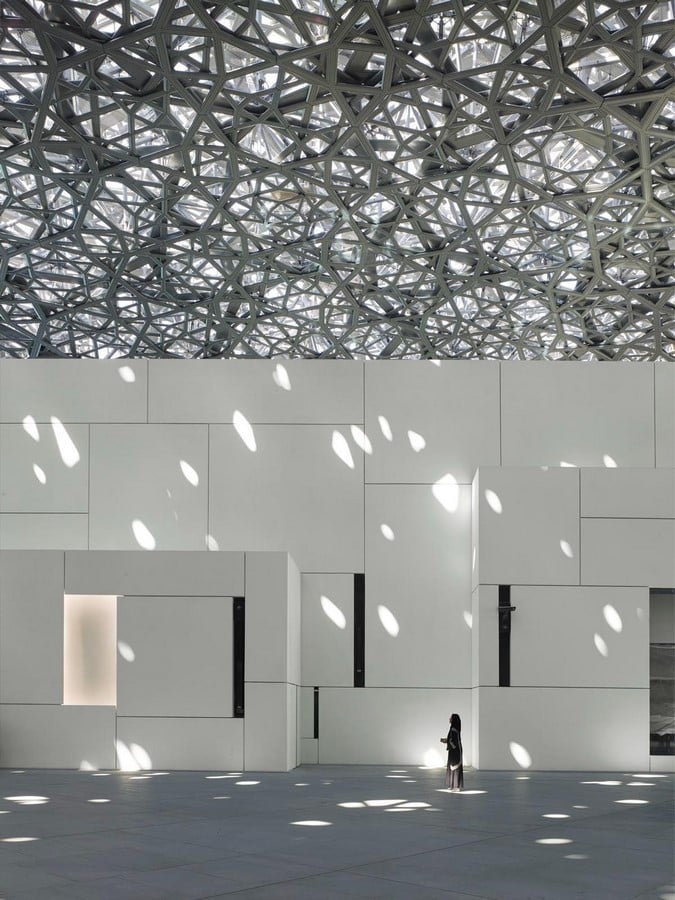
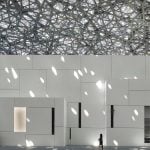
The Louvre Abu Dhabi is topped with what looks like a floating dome. Eight layers of interlacing geometric patterning, spread across a 180-metre diameter, filter the region’s harsh sun. The result is a series of unique rays of light that penetrate the structure, continuously shifting as the sun moves across the sky, creating what architect Jean Nouvel called a “rain of light.”
This constant movement creates a sense of wonder, encouraging visitors to move through the space and discover its different areas.
Kimbell Art Museum – Louis Kahn
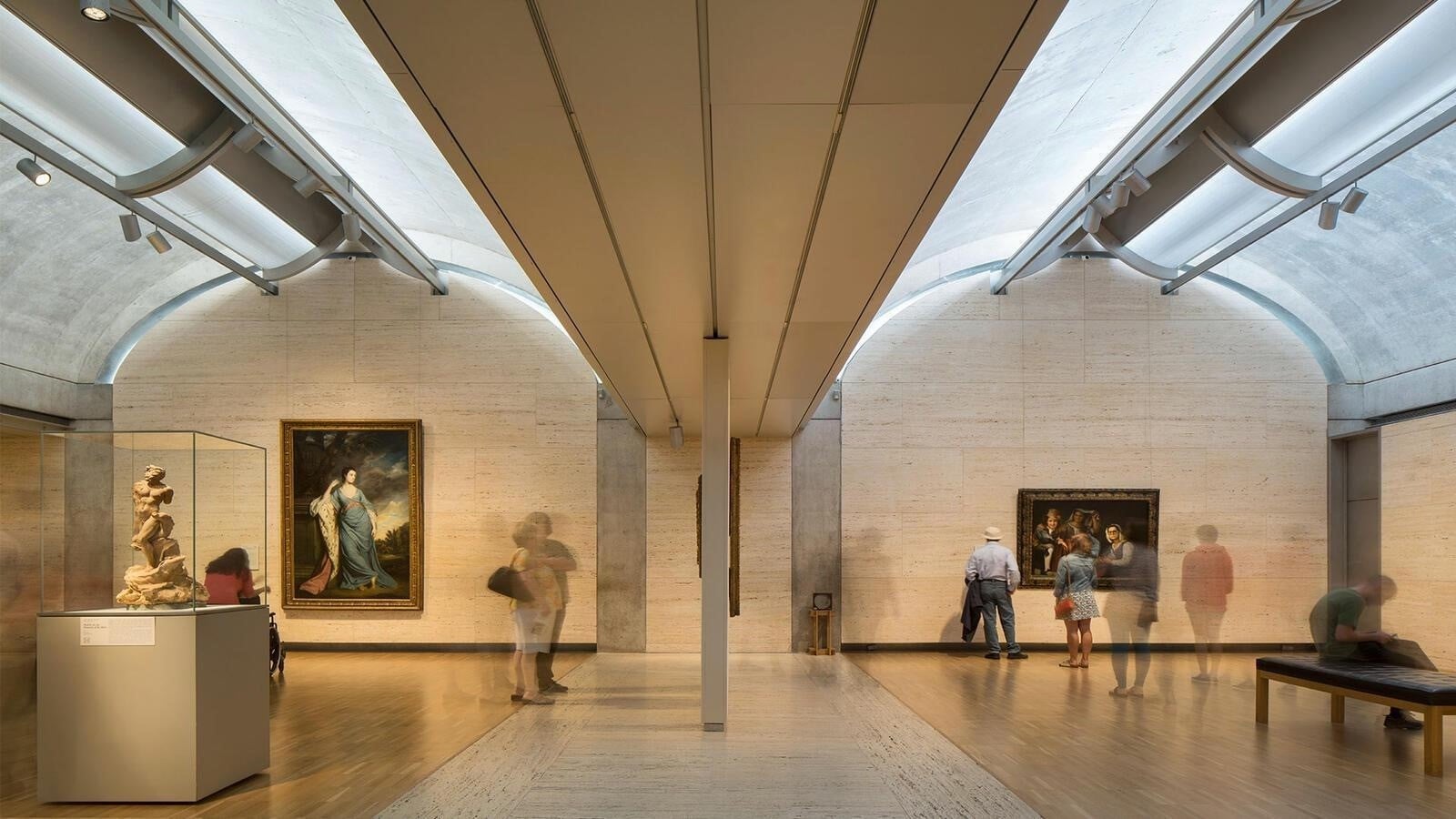
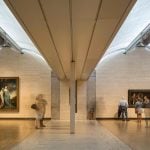
Louis Kahn’s Kimbell Art Museum achieves something equally powerful. The galleries are organised beneath cycloid vaults containing narrow skylights. The source of daylight is partly concealed, while a curved reflector distributes the light throughout the concrete ceiling. This creates a moment of intrigue: Why does the ceiling appear to glow?
Because daylight changes continuously, the galleries are never perceived in the same way. The building becomes a slow-moving composition of light, shadow, and reflection.
The Louvre Abu Dhabi and the Kimbell therefore reveal another capacity of daylight: it can make architecture feel alive.
Light as Tranquillity: Peace and the Experience of Time
Paimio Sanatorium – Alvar Aalto
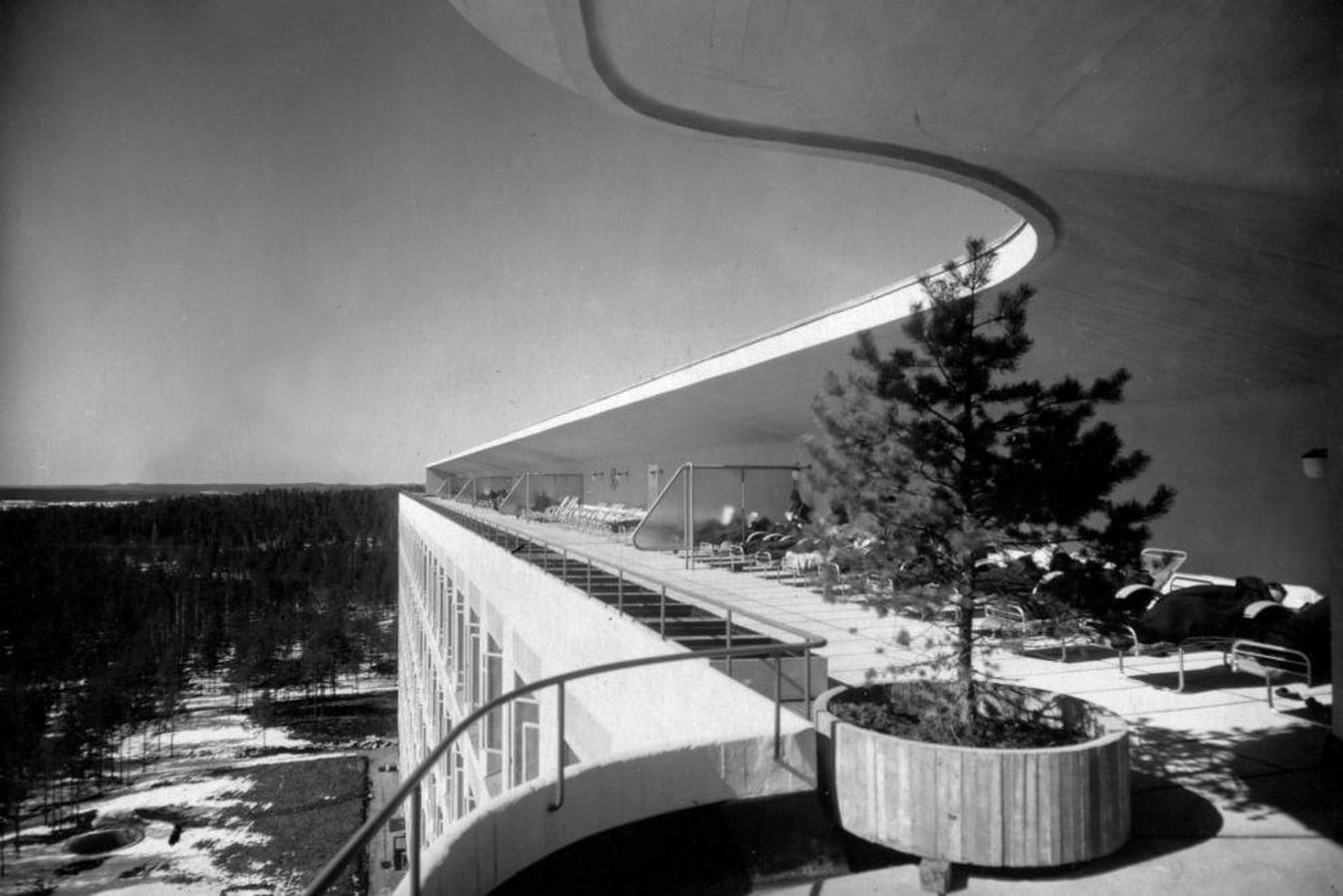
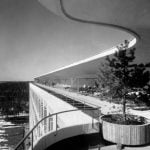
At Paimio Sanatorium, Alvar Aalto approached light from a fundamentally different perspective. The building was designed for patients suffering from tuberculosis. Important parts of the treatment were exposure to fresh air and sunlight.
The patient became the architecture’s primary subject. Rooms were oriented toward sunlight, while terraces and outdoor spaces allowed patients to observe the sky, landscape, and the day’s changing conditions.
In this project, light gives time a physical presence. Morning light, afternoon light, and changing shadows provide an awareness of the passing day.
Maggie’s Centre Barts – Steven Holl
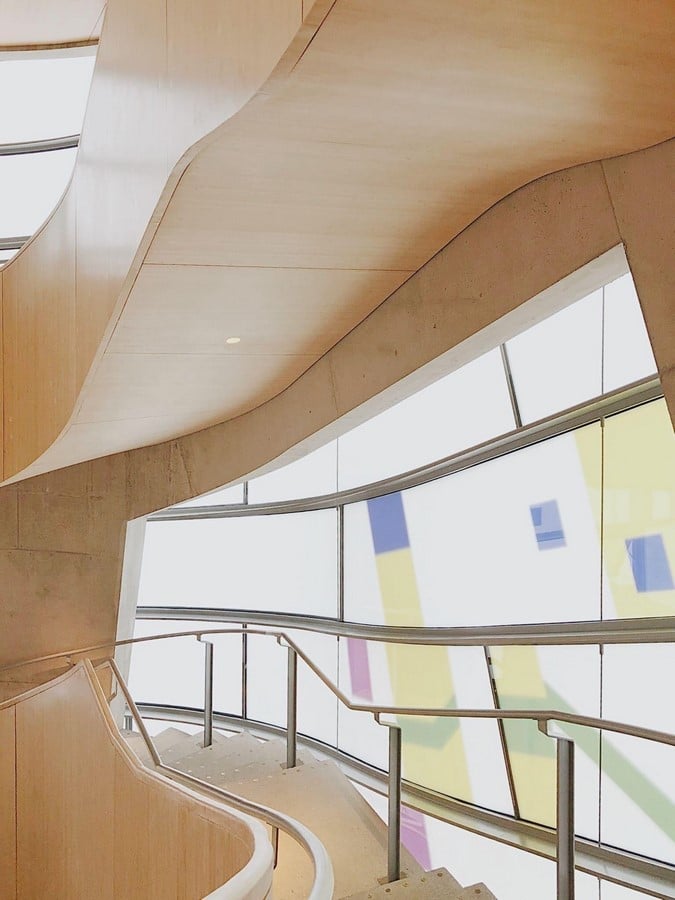
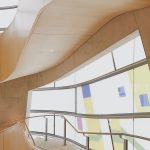
Steven Holl approaches a similar question at Maggie’s Centre Barts in London, a cancer support centre located within St Bartholomew’s Hospital. Holl uses coloured glass, reflected daylight, and openings positioned purposely to create an interior that changes throughout the day.
This becomes especially relevant in healthcare architecture, where patients often remain in one position for extended periods of time.
Light as Control: Isolation and Psychological Distress
The emotional power of daylight becomes most disturbing when we consider its absence. If sunlight is culturally associated with life, freedom, and happiness, then its deliberate restriction can become an architectural instrument of control.
Eastern State Penitentiary – Philadelphia
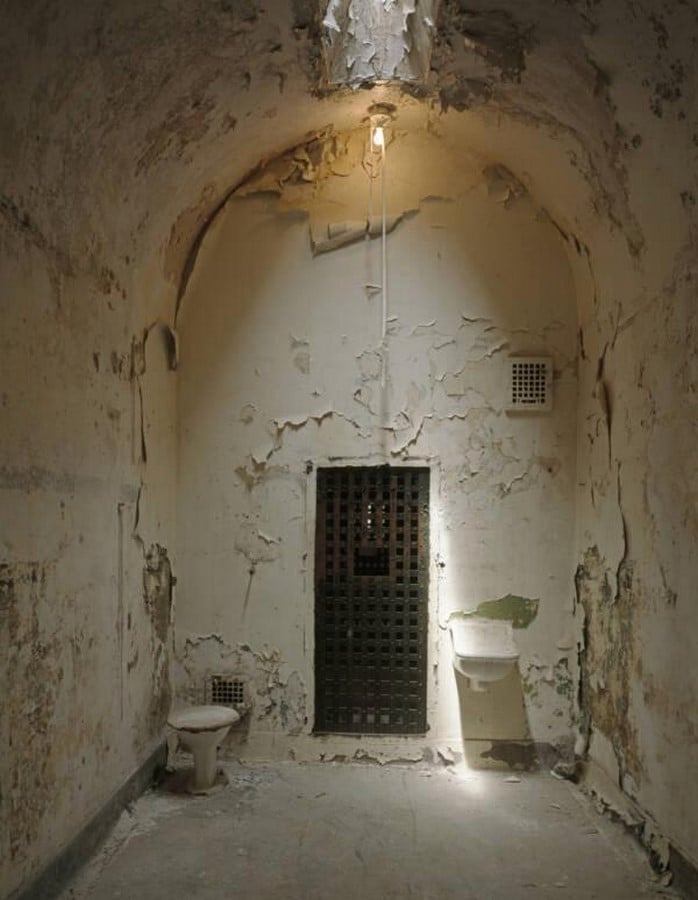
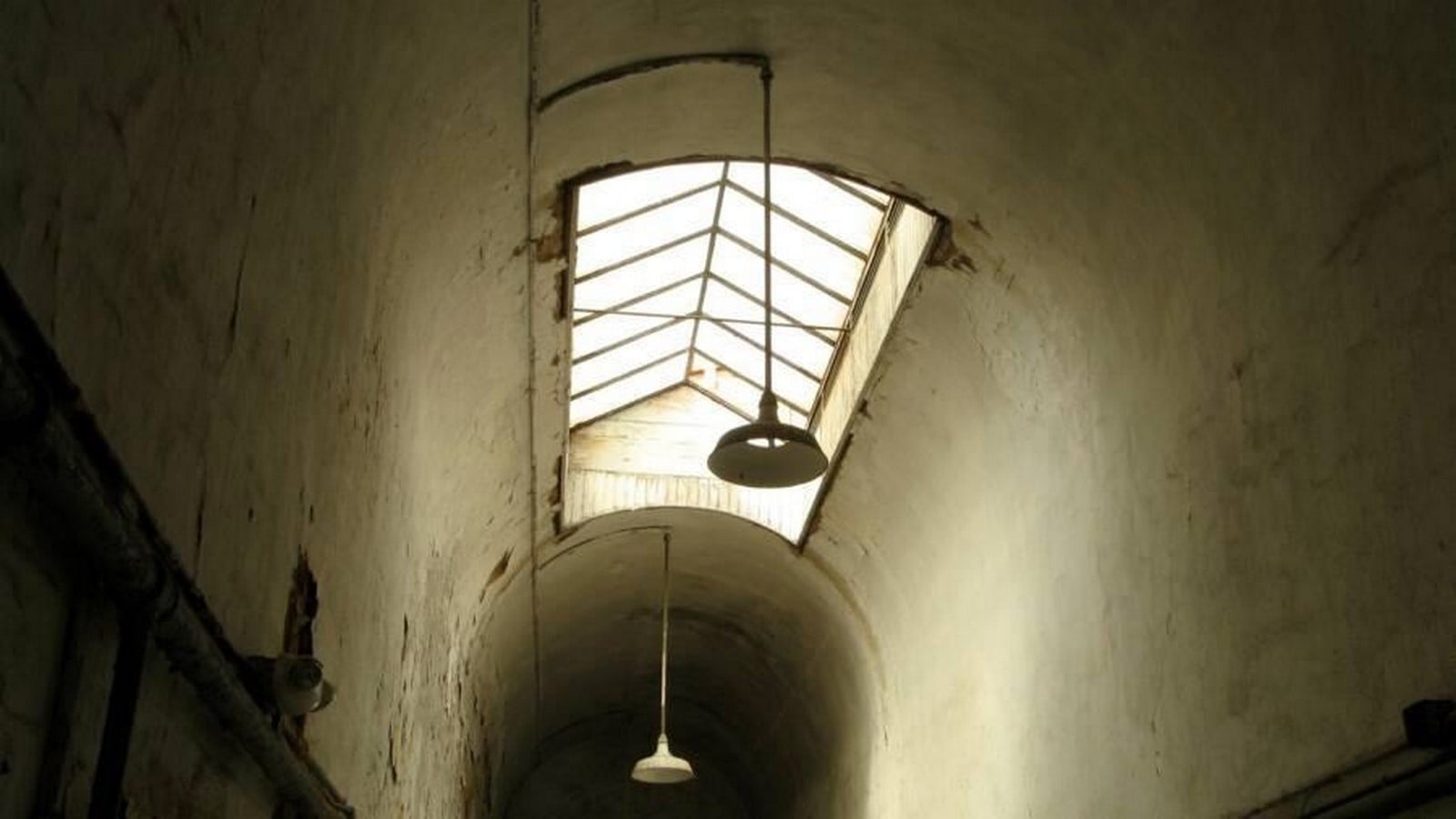
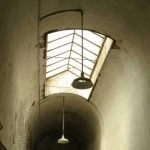
Eastern State Penitentiary provides a pertinent example of how architecture can use light within a disciplinary system. The project’s concept centred on surveillance and isolation. Prisoners occupied individual cells, with controlled access to light and views.
A small opening could admit daylight while simultaneously reminding the prisoner of the outside world that remained inaccessible. The architectural manipulation of visibility therefore became part of the punishment. A small quantity of light responds to a technical requirement while denying the psychological experience associated with sunlight.
These buildings show a simple, radical fact: light gives architectural decisions their meaning; it reflects them, and concretises them into concept. Across religious buildings, museums, healthcare environments, and prisons, daylight shapes the sensory and emotional conditions of those who experience it, materialising the architect’s intent through material choice, composition, proportion, and beyond.
As Pallasmaa suggests, architecture is not merely seen but lived through the body; light, more than any other element, determines the terms of that experience.