Since, olden times architecture is what is required by people from temples, schools, parks to houses. Architecture is what revolves around the people.
But, in modern times, some decisions are not thought well beforehand. In such cases, a building, park, or transport infrastructure might fail to address people. The success of architecture is measured in terms of how it benefits people and not by how the facade is or how big the master plan is. Also how well it is maintained, will it be functioning well after years of its use? In India, there are various examples where there is a gap between the impressive plan of a building and everyday reality. They let us know how architecture and design must consider people, management, its maintenance, the economics, and long-term use of the structure.
Following are a few of the examples that could help us understand the gap between the architectural intent and the actual use of it by people.
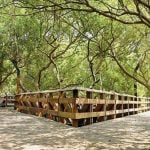
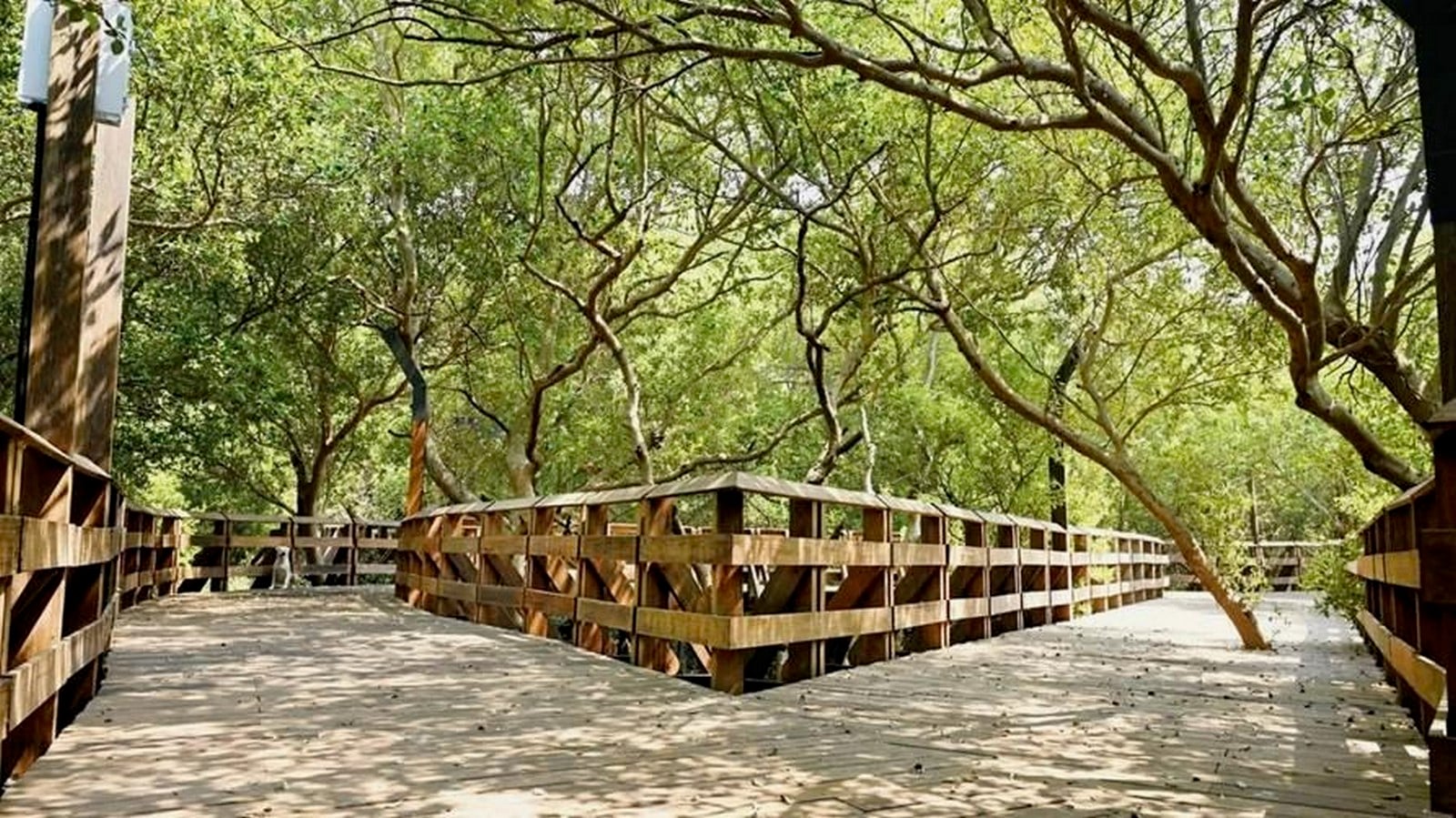
- Gorai Mangrove Park, Mumbai.
A planned public space for eco-tourism and environmental education with elevated boardwalk facilities for bird watching and learning areas. The cost of project is 33.43 crore, but its opening was delayed many times. In May 2026, it was inaccessible to the public according to reports, while 28 May inauguration was again postponed.
This says that even if the work is completed physically, it does not mean completion of public service. A park requires certain factors for its functioning. It must have safe access, proper staff for maintenance, etc. If these are not in proper order a finished landscape remains a promise when it must be a proper functioning civic space.
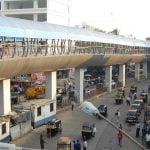
2.Mumbai Skywalks.
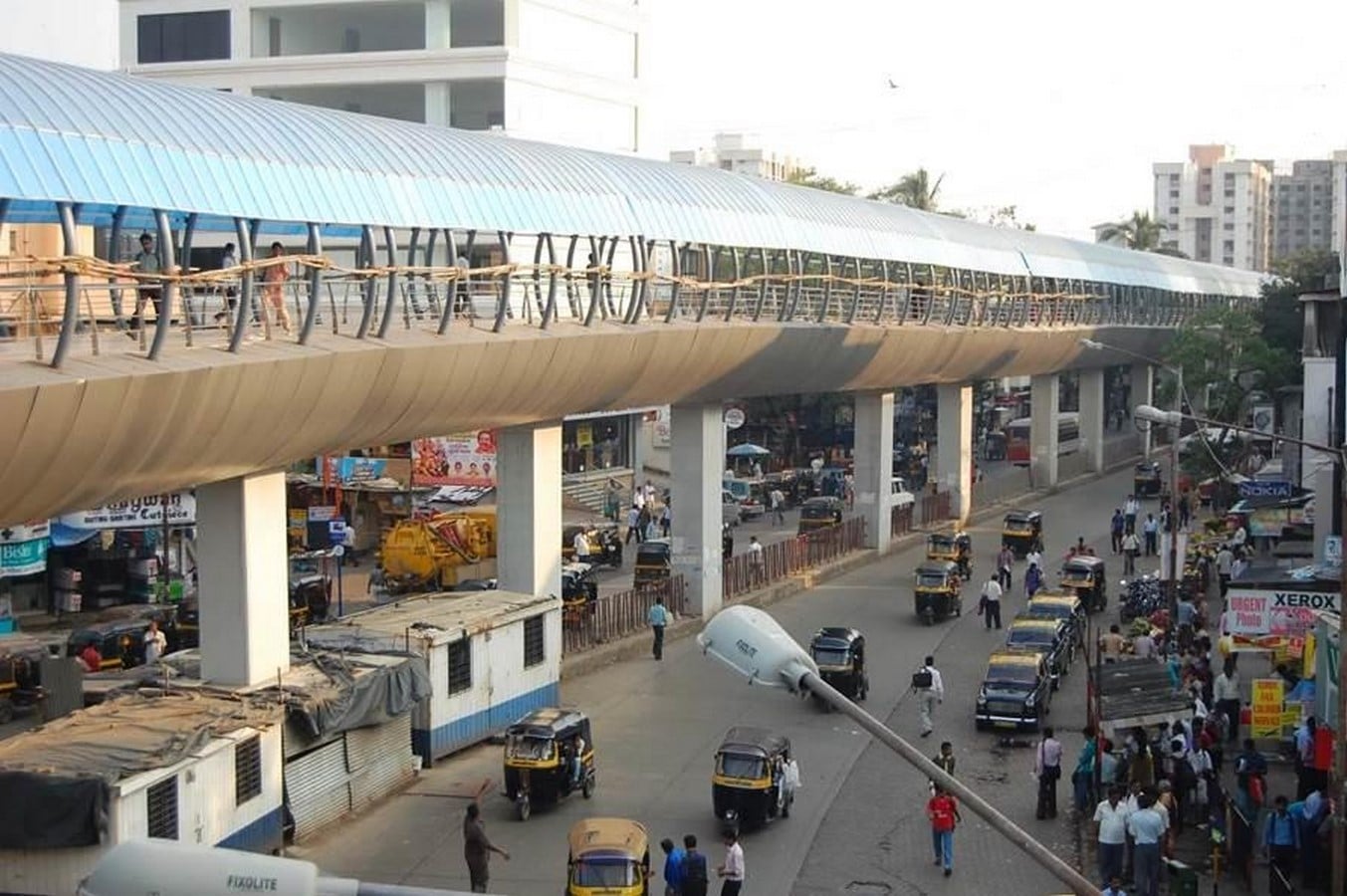
Primarily designed to help pedestrians move between busy railway stations, roads, and neighborhoods while avoiding traffic. It was a sensible idea. But the research and data shows that several skywalks are underused or skywalks face problems with respect to security, maintenance, and accessibility.
A study of Mumbai Metropolitan Region Skywalks found use of it ranging from 3 to 27%. Also people were less likely to use the facility when reaching it required a deviation from the usual route. The recent report also highlights broken escalators, dark stretches and poor upkeep. What we learn from this is that movement of pedestrians should be observed rather than to assume. A route that looks very well on a plan can be inconvenient when in actual use, particularly when people are in a hurry.
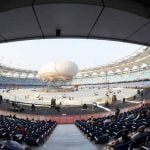
- JN Stadium, Delhi.
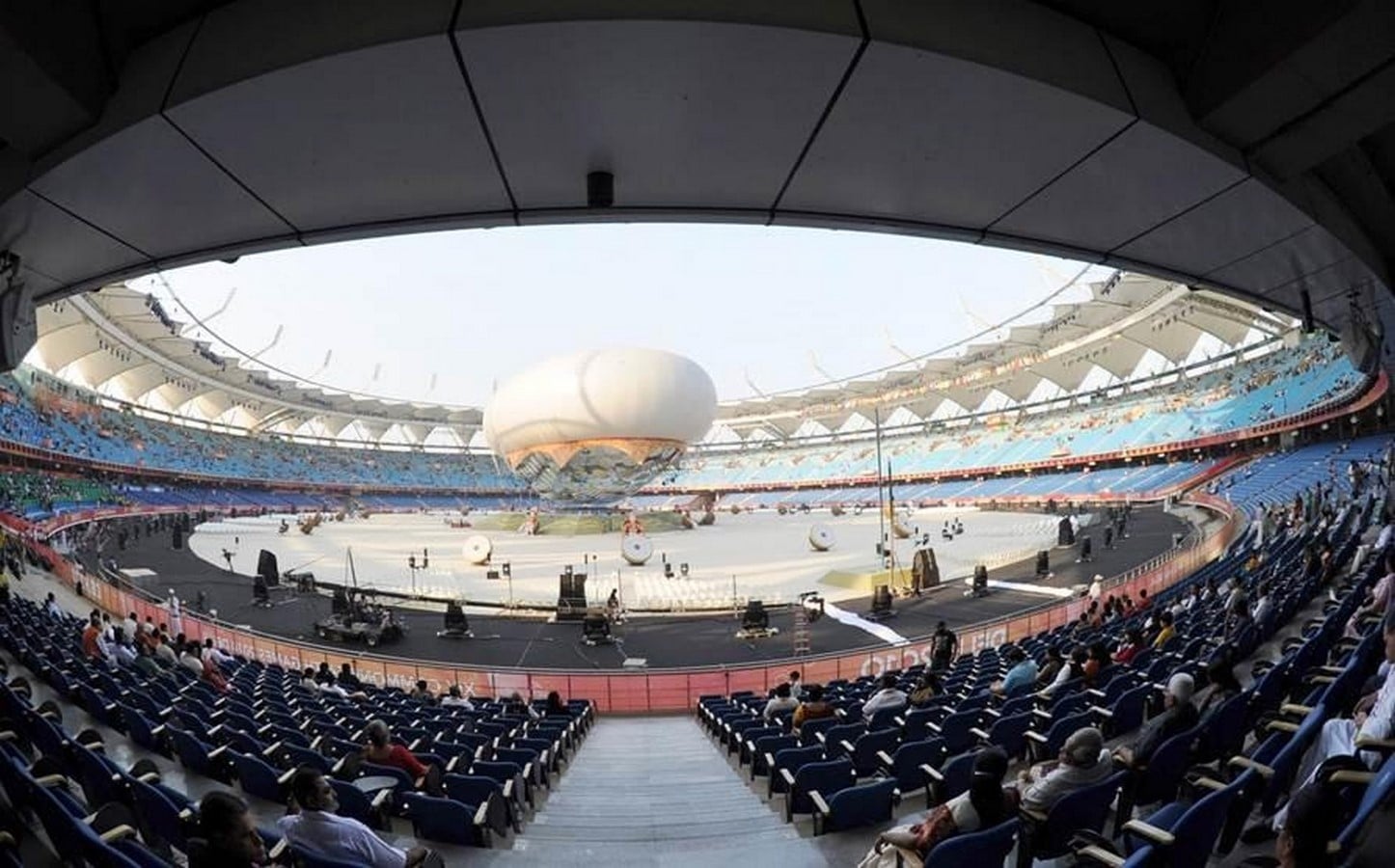
The Stadium was built for 1982 Asian Games and was renovated for 2010 Commonwealth Games, costing around 961 crore. The stadium has hosted major events, but questions are raised about its utilization and upkeep. In 2022, The Indian Express reported that the stadium did not host any track and field event for almost four years. A recent proposal says to replace the stadium with a new sports city, as the complex is not under use. This says that we need to rethink architecture and design. If it is being made just for an event, we must think how a stadium can be kept in everyday use with a clear strategy in mind if it is designed for a short event calendar.
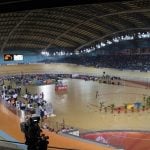
4.Indira Gandhi Indoor Stadium, Delhi.
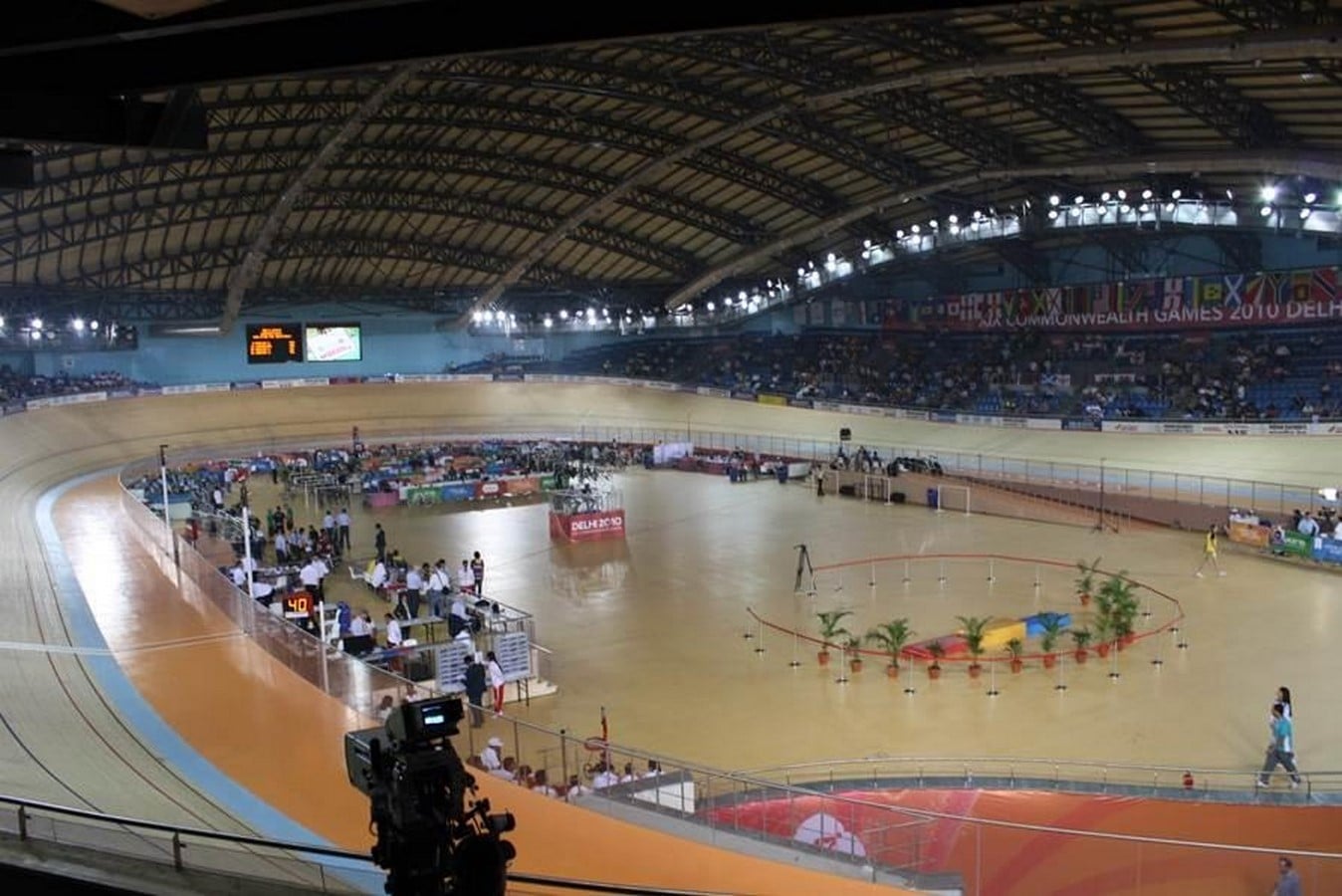
This stadium was renovated for the 2010 Commonwealth Games, for sports competitions and events. This is an example where a project is kept under proper use rather than to be called it a failure. It shows us how large sports architecture and continuous use and maintenance are interdependent.
In 2026, it has hosted major badminton events with further improvements. The 2026, reports show how cleanliness and climate control can affect an international venue. This tells us that good architecture and design therefore contains details that may not show up in glossy presentation: cleaning, ventilation, waterproofing, security, crowd management, and maintenance budgets.
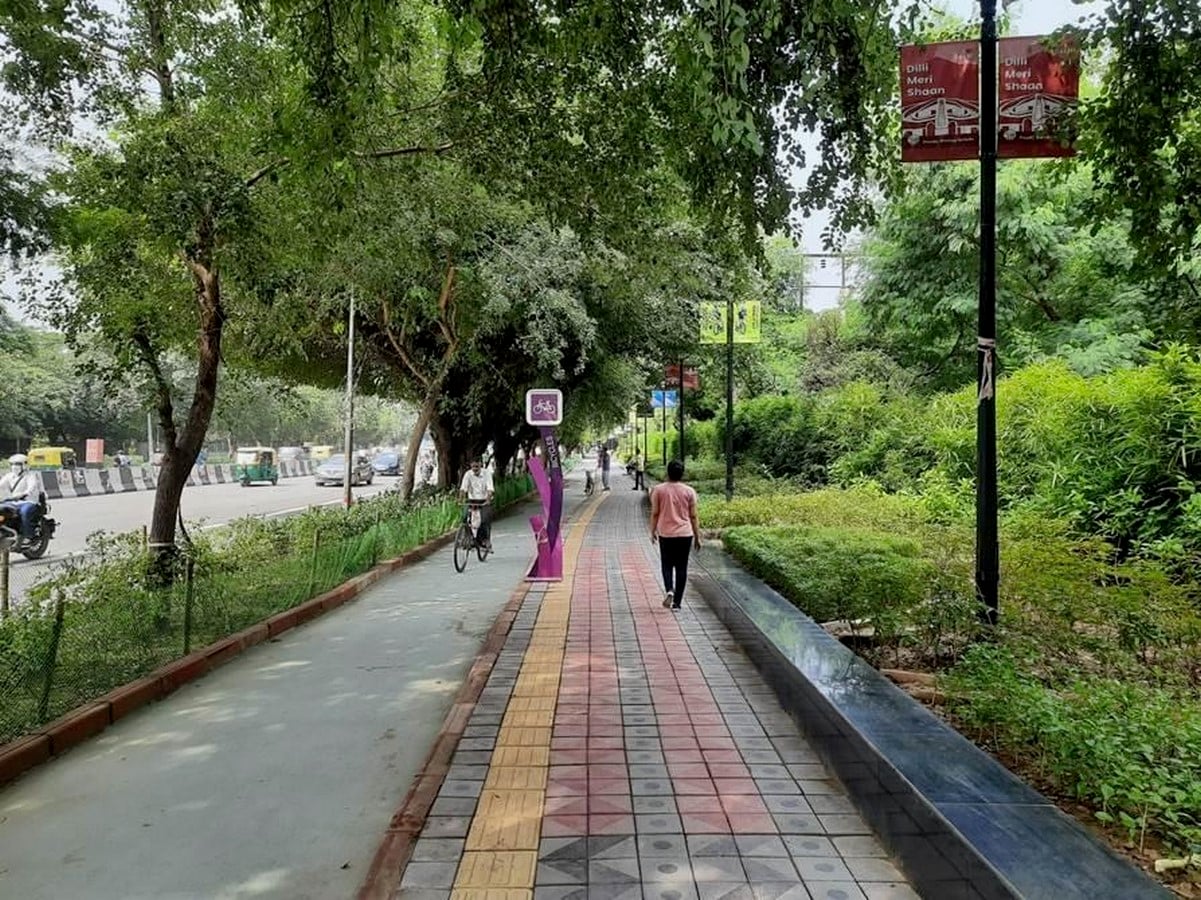
- Delhi streetscaping project.
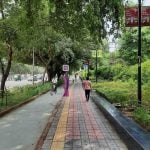
What is a street? It is a public room, used every day by people to walk, cycle, wait for buses, shop, cross roads, etc. Delhi streetscaping initiatives have made an attempt to improvise this with better footpaths, cycle track, planting, lighting, and street furniture. The proper functioning and the streets heavily depends on its maintenance. The previous reports on streetscaping work found broken bollards, damaged cycle track surfaces, potholes, and neglected elements. In recent times, the Delhi government has undertaken restoration and maintenance work to improve the areas for the Commonwealth Games.
This tells us an important principle of architecture and design that durability and maintenance are part of design and design brief, not something that is thought afterwards. A streetscape is exposed to traffic, weather, dust, informal parking and constant footfall of pedestrian. To keep a public realm project useful for years materials, drainage must be taken care of with a clear responsibility in mind.
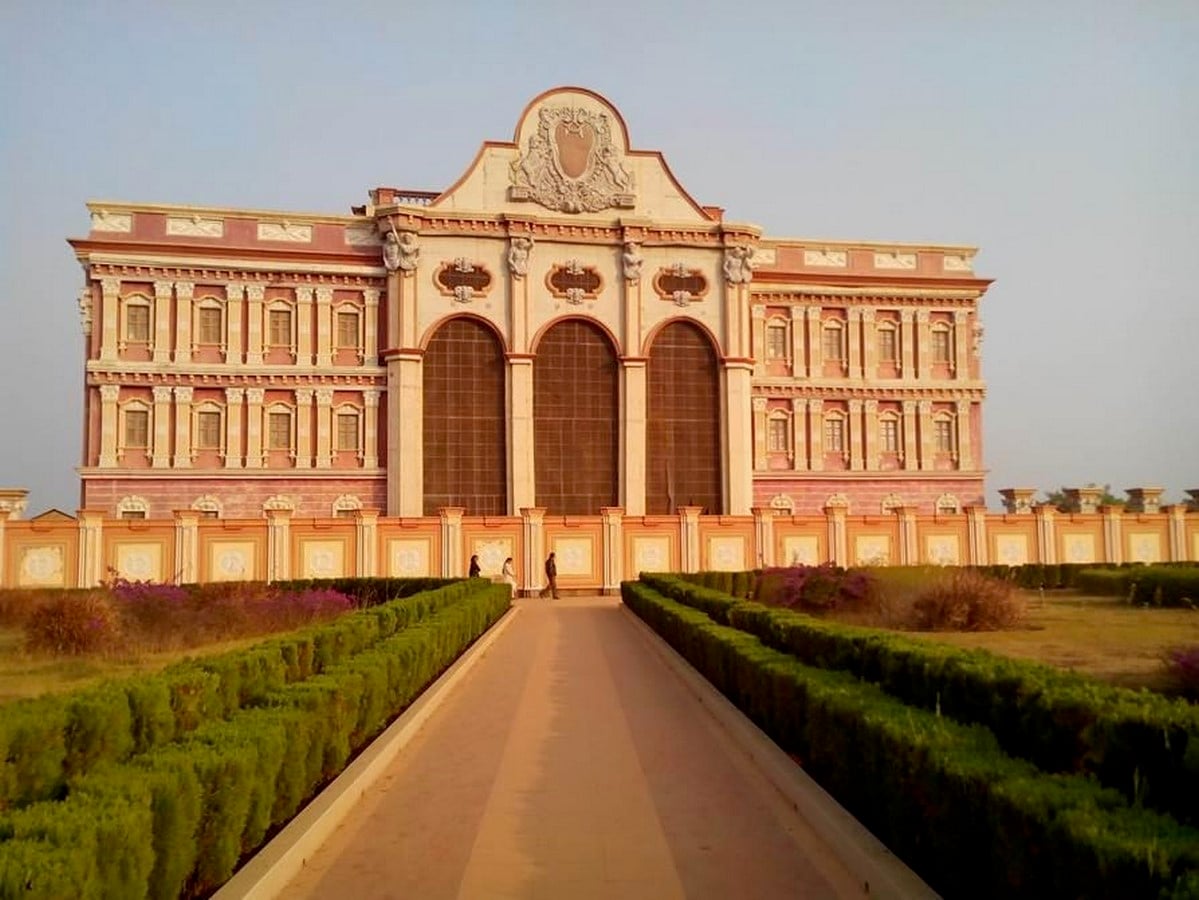
6.Prayag Film City, West Bengal.
This was an ambitious project to create a large film production destination in West Bengal, roughly planned around 2,700 acres with cost of 1,000 crore, opened in 2012 but afterwards became an abandoned complex and ultimately reported to have been closed in August 2024.
This highlights a limitation of architecture and design. An ecosystem needs to be created for the building. A film city requires producers, studios, technicians, transport, investment, and a constant flow of projects. Specialized building can become stranded assets without the proper supporting system. This project offers a wider lesson for planners, that is the feasibility should not only include whether a building can be constructed, but also the economic and social activities required to keep it alive are at a necessary scale.
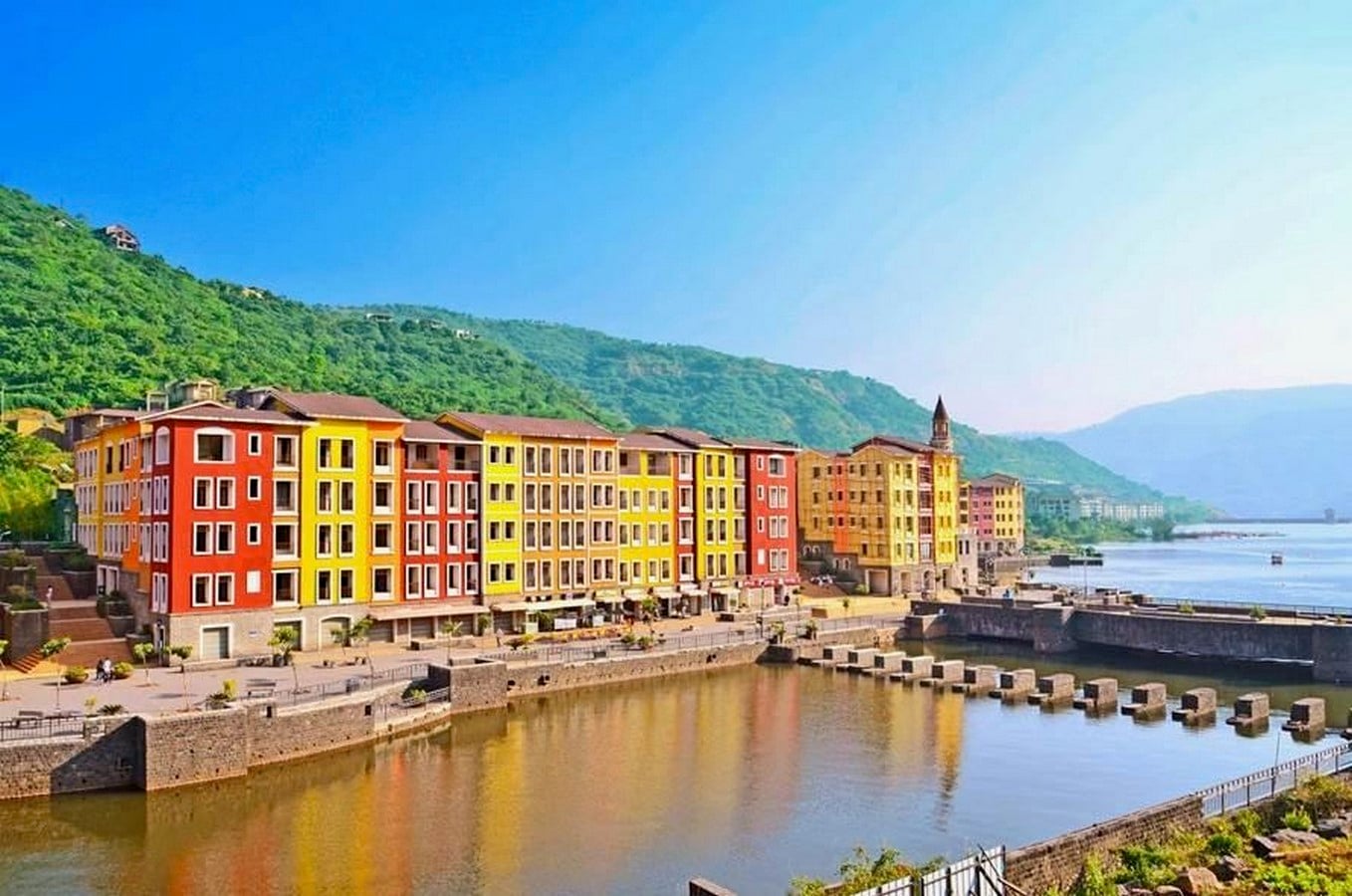
- Lavasa, Maharashtra
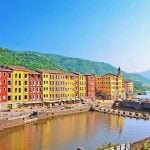
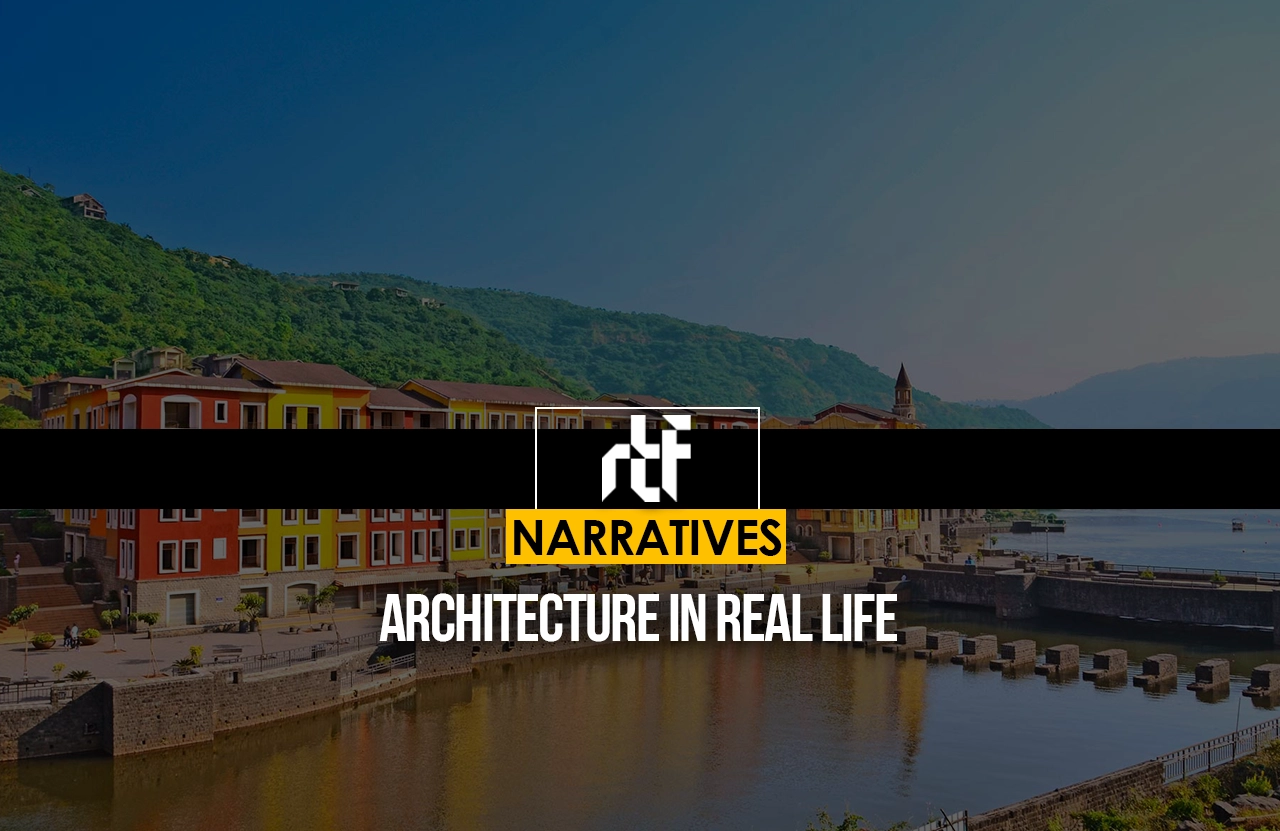
Actually planned as a new hill city with homes, hotels, shops, recreation, and other facilities. It was widely recognized for its architecture and waterfront development, but the project got entangled in environmental, regulatory and financial difficulties.Leading to halt of construction at different stages and development later entered insolvency proceedings. In 2025, the project was still a part of major insolvency resolution process, telling us how long the consequences of stalled development can continue.
Lavasa is an example which tells us that city is not simply a collection of buildings. It requires a stable economic base, jobs, services, transport, environmental compliance, public institution, and most important, a community that can sustain everyday life. These relationships cannot be substituted, but can only be organized by architecture and design. Resilience is also required by large master plans, requiring them to adapt to changing investment, regulation and demand rather than depending on one uninterrupted development model.
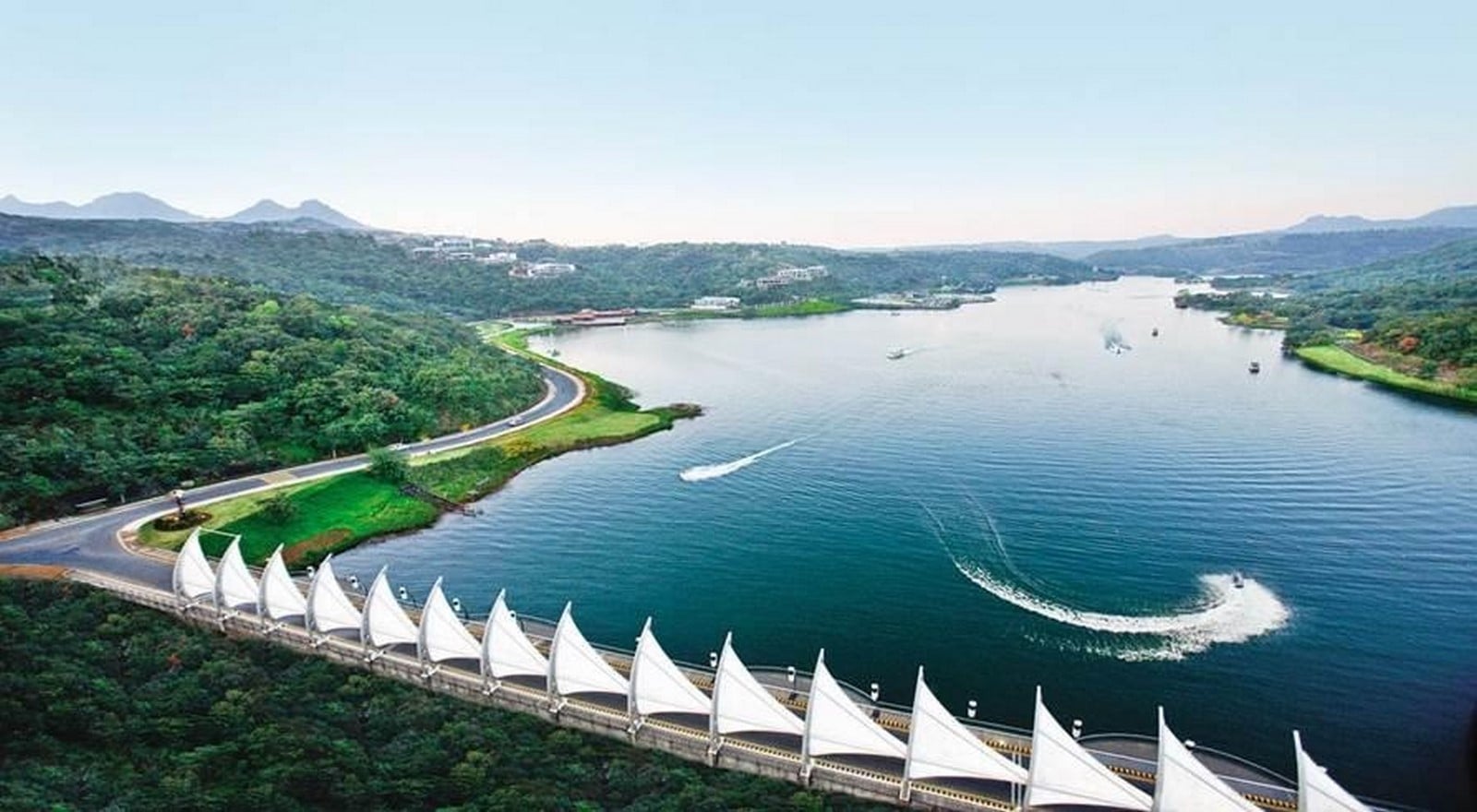
- Aamby Valley, Maharashtra
Aamby Valley, conceived as a large luxury township with residences, hospitality, landscaped areas, and recreational facilities. This could not be described as a completely unused project, as some part of development were in use. The larger issue was that the township did not develop fully as originally it was intended, while the project got tied up in serious financial and legal proceedings.
In 2025, the Supreme Court considered issues connected with the proposed sale of Sahara properties.This shows how strongly architecture and design depend on conditions beyond design itself. A visually good master plan can still struggle when ownership, finances, regulation and management change.
Large developments require a realistic business model, implementation in phases, and a recovery strategy if assumptions change. Physically, the buildings remain present, but the system supporting it changes completely.
Learnings from these examples about architecture and design.
Same lessons are learnt from these projects, even though they are different in scale and purpose. Actual routes, habits, comfort and accessibility must be understood of the people by the designers before abstract diagrams. People must be kept in mind. Real behavior can be different from predicted behavior, as shown by Mumbai Skywalk Resort. Maintenance is a very important part of architecture and design. If a building is going to remain for decades after the event, then a proper post-event strategy must be developed.
Architecture cannot create an industry, a community or an economy on its own. A film production requires a film ecosystem, a new city requires residents, jobs and services, a sports venue requires a continuing calendar. Also a project requires operations resilience. A design project may look glamorous on its opening day, but the real design decision are tested on what happens on an ordinary day. That is where the true performance of architecture and design becomes visible.
The most important test of a building or public space happens years later, when the ordinary people use it .Do people still come? Is it accessible enough to reach? Is it safe ?
Are repairs affordable & responsibilities clear? Does the project still have a purpose when budgets /patterns of use change?
The examples of Mumbai, Delhi, West Bengal & Maharashtra show why these questions are required to be asked before construction begins & not after the problem appear.Good Architecture is about creating spaces that can withstand everyday use with the changing period of time. The strongest project is the one that people genuinely need, use & continue to value & not necessarily the largest/most expensive one.
References:
Economic Times (2025) ‘Supreme Court asks SEBI, finance & corporate affairs ministries to respond to Sahara plea on Adani property sale’. Available at: https://m.economictimes.com/news/industry/services/property/-/cstru ction/sahara-seeks-supreme-court-nod-to-sell-88-properties-to-adani-properties/articleshow/124218204.cms (Accessed: 9 August 2026).
Economic Times (2025) ‘Valor emerges as top bidder for Lavasa with ₹771-crore offer’. Available at: https://economictimes.indiatimes.com/industry/services/property/-/cstruction/valor-emerges-as-top-bidder-for-lavasa-with-771-crore-offer/articleshow/122349193.cms (Accessed: 9 August 2026).
Free Press Journal (2026) ‘Maharashtra’s First Mangrove Park At Gorai To Be Inaugurated By CM Devendra Fadnavis On May 28 After A Prolonged Delay’. Available at: https://www.freepressjournal.in/mumbai/maharashtras-first-mangrove-park-at-gorai-to-be-inaugurated-by-cm-devendra-fadnavis-on-may-28-after-a-prolonged-delay (Accessed: 9 August 2026).
Hindustan Times (2026) ‘City’s ₹33-crore Gorai mangrove park remains shut a year after completion’. Available at: https://www.hindustantimes.com/cities/mumbai-news/citys-33-crore-gorai-mangrove-park-remains-shut-a-year-after-completion-101778355743826-amp.html (Accessed: 9 August 2026).
Indian Express (2022) ‘Why for almost four years Delhi’s Jawaharlal Nehru Stadium hasn’t hosted any track-and-field event’. Available at: https://indianexpress.com/article/sports/sport-others/showpiece-delhi-stadium-lies-unused-as-ground-sinks-after-track-relaying-project-8295019/ (Accessed: 9 August 2026).
Indian Express (2023) ‘European ambitions meet Delhi reality: Streetscaping project in disrepair’. Available at: https://indianexpress.com/article/cities/delhi/european-ambitions-meet-delhi-reality-streetscaping-project-in-disrepair-8309991/ (Accessed: 9 August 2026).
Indian Express (2024) ‘Lavasa’s downhill journey: Landslides, lack of tourists and insolvency woes add to decline of India’s first private hill station’. Available at: https://indianexpress.com/article/long-reads/lavasa-landslide-tourists-insolvency-pune-rain-9573465/ (Accessed: 9 August 2026).
Indian Express (2025) ‘Delhi’s Nehru Stadium, revamped for 2010 CWG at Rs 961 crore, to be demolished for new sports city’. Available at: https://indianexpress.com/article/sports/sport-others/delhi-nehru-stadium-cwg-2010-revamped-to-be-demolished-sports-city-10356903/ (Accessed: 9 August 2026).
India Today (2010) ‘Delhi gets modern & green IG stadium’. Available at: https://www.indiatoday.in/sports/commonwealth-games-2010/story/delhi-gets-a-modern-and-green-ig-stadium-71472-2010-04-10 (Accessed: 9 August 2026).
Mid-Day (2026) ‘Mumbai’s Rs 900 crore skywalks lie neglected, unsafe for commuters’. Available at: https://www.mid-day.com/mumbai/mumbai-news/article/mumbai-skywalks-turn-unsafe-despite-rs-900-crore-spend-23624619 (Accessed: 9 August 2026).
Reuters (2026) ‘Delhi eyes World Championship redemption with no more bird droppings, stray animals’. Available at: https://www.reuters.com/sports/delhi-eyes-world-championship-redemption-with-no-more-bird-droppings-stray-2026-08-04/ (Accessed: 9 August 2026).
Shetty, R. et al. (2022) ‘Skywalk facility utilization and factors influencing its use: A case study of Mumbai Metropolitan Region, India’. Available at: https://www.sciencedirect.com/science/article/abs/pii/S2213624X21002182 (Accessed: 9 August 2026).
Times of India (2025) ‘15 years on, CWG streetscape set for modern makeover’. Available at: https://timesofindia.indiatimes.com/city/delhi/15-years-on-cwg-streetscape-set-for-modern-makeover/articleshow/120903415.cms (Accessed: 9 August 2026).
Wikipedia (2026) ‘Prayag Film City’. Available at: https://en.wikipedia.org/wiki/Prayag_Film_City (Accessed: 9 August 2026).