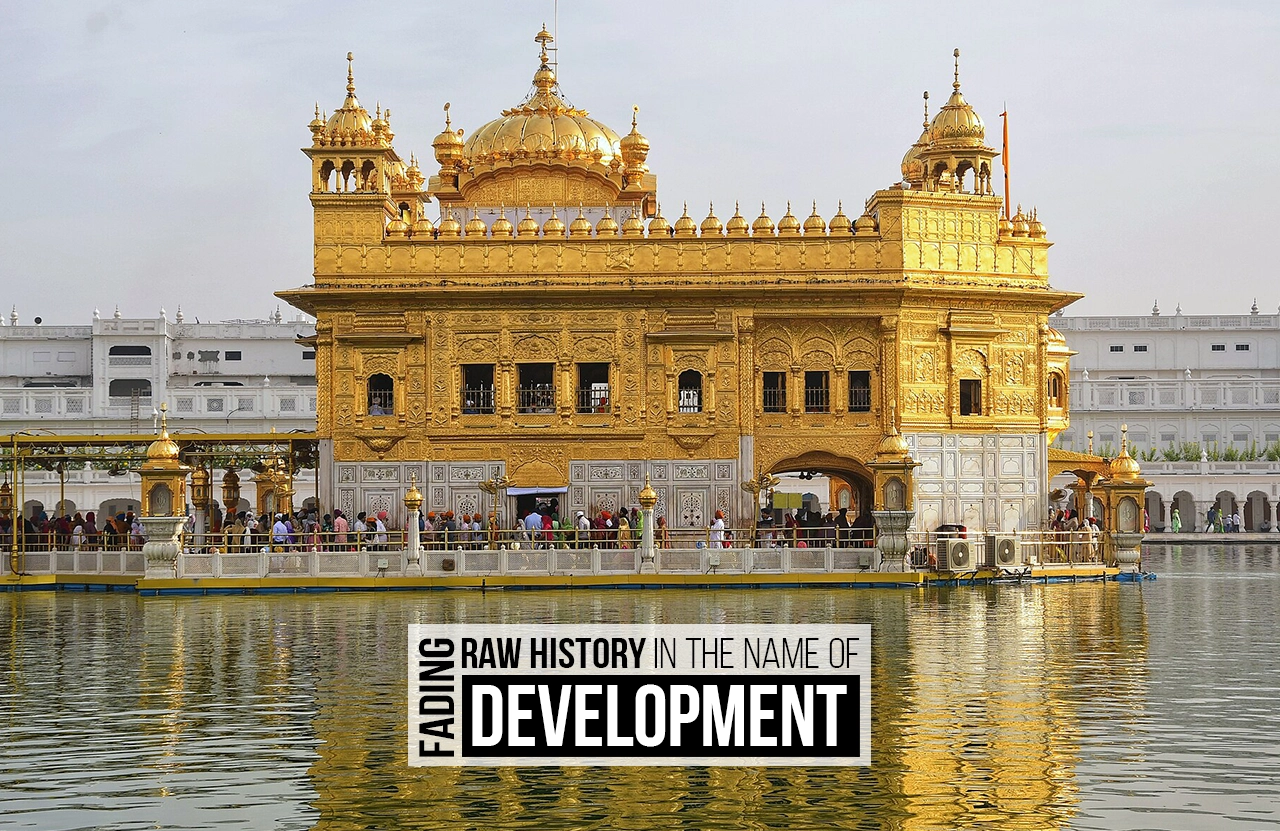
They say without memory, there is no culture. Without memory, there would be no civilization. If the memory is demolished for greed, there is not soul left in neither culture nor civilization. What remains as a hollow shell – development without identity and progress with purpose. Greed has successfully envisioned its pockets in the name of development, while the soul of cities are quietly being eroded.
Hollow Shell of Greed
Not many months back, A study tour was conducted for architecture students to Udaipur. One of such visits were Ranakpur temple. Being an architectural marvel, the essence of its very own purpose has been faded of what it was used to be. The temple was not just confined to serve its function, it was not just merely a place of worship but also engraved to be one of the most historical masterpiece of grandeur and order and at the same time: a haven of calm and spiritual quiet.
But now the very own purpose of this has left to be just tourist destination. There has been massive footfall in last few years which has led to the questioning of the spiritual and quiet room of the temple. The spiritual silence that once defined Ranakpur now competes with noise of commercialization, raising questions about whether its essence can survive unchecked tourism.
Heritage Under Bulldozer: Profits Over Preservation
Coming back to the students, they went for another study tour to Gwalior and Orchha. This also has been a learning and informative experience for those who feel so much about the culture and buildings. But the amusement behind the human atrocities on Gopachal Caves has led them thinking about the fear and insecurity one can feel about their religion and culture. This was still the PAST but it is not prevelant in present. You thought that too? No.

The truth is India’s heritage is at high risk of being traded away for short term gains under the banner of development. Whether it’s the development project of Goa or Shimla. These all are the victims of mass tourist popularization and rapid increase of built structures rarely aligned with the culture and environment of that place. Some more examples binded by commercialization –
Parts of Nek Chand’s Rock garden were demolished to expand parking. Truly, the creation was much doomed to come under wheels. The Bolpur home of Abindranath Tagore (Abas) was partially demolished , before attempts were made to reverse its damage. Each of these incidents reflect a deeper malaise: the prioritization of short term profit over long time cultural preservation and how heritage is undervalued in the face of urban changes and real estate pressures.
The question still arises – Do we really need development?
Yes, it is necessary but not at the cost of erasing identity.
Yes, cities like Amritsar, Palitana, Kochi demonstrate that modernization have marked a major rise of tourists with endless year to year footfall increment. In Kochi, the Biennale has turned the city into a global art hub while still preserving its maritime and spice-trade legacy.
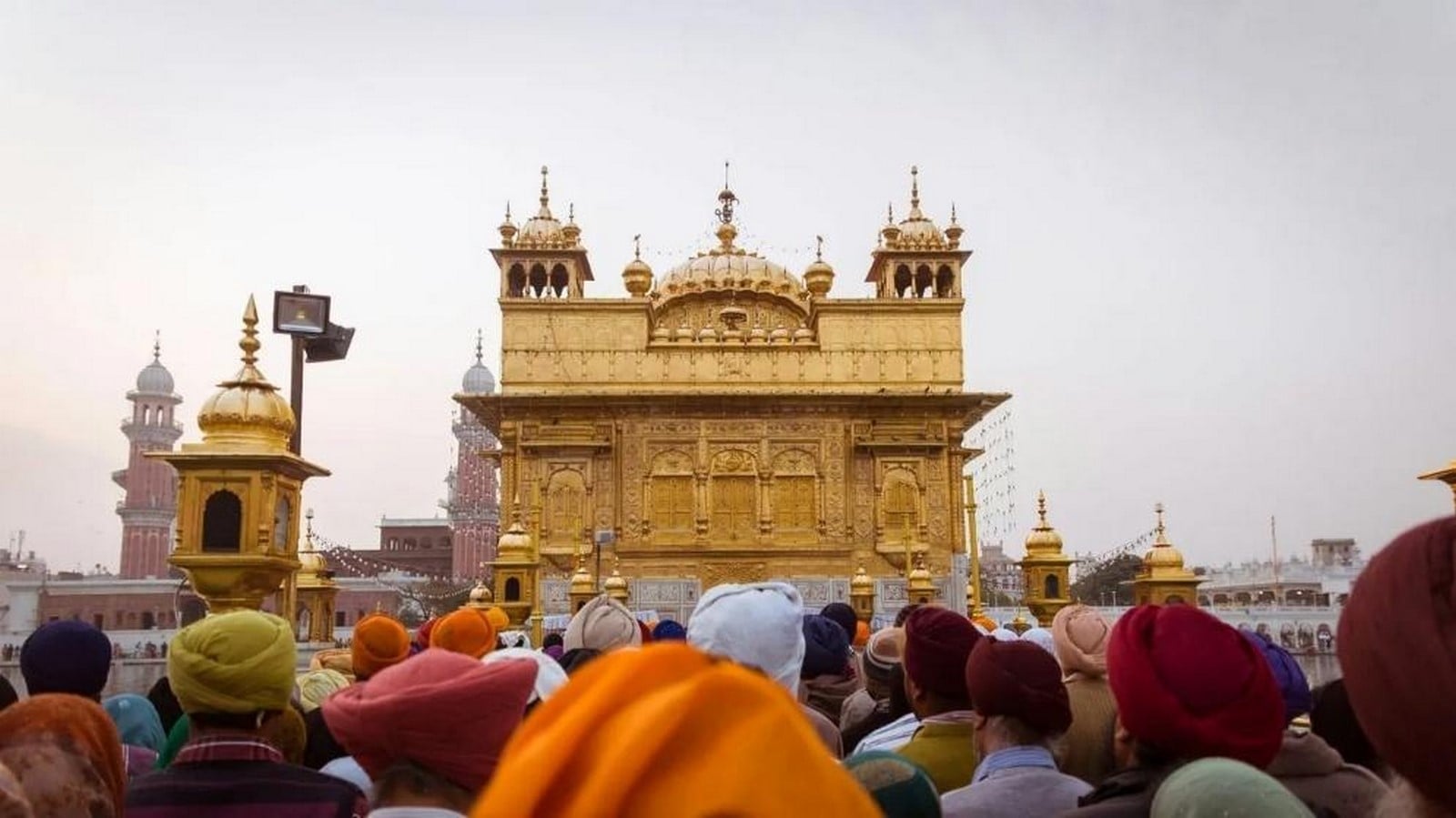
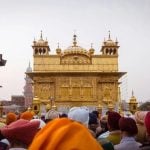
In Amritsar, the Golden Temple continues to be a spiritual anchor even as the city grows commercially. In Palitana, the Jain pilgrimage remains central to civic life, ensuring that development respects religious continuity. These examples show that progress need not erase memory—it can strengthen it. But if we talk about the cultural and traditional stability and security among locals, they are not in awe of fear for their cities’ soul being sold out. They inhabited to make the culture so evidently seen whether through commercial activity, religious practice or political expression in their built projects that they have become a part of their daily lives and lastly part of a traveller’s memory in such a way they tend to respect it. For citizens, it ensures continuity rather than displacement. But still it’s a fundamental duty of citizens, institutions and lastly the government to maintain the legacy of the city.
The Silent Betrayal: Planners who Sell Instead of Serve
Development of any city should not ghost their own people to migrate somewhere else or make them feel its not their city anymore which it used to be. The problem does not lie only in the profit expansion but also in the absence of bold vision, hesitation to plan with courage, and the tendency of institutions to prioritize transaction over responsibility. It crucially reflects awareness among citizens too when they overlook the value of heritage in everyday life. When communities fail to defend their heritage, they allow it to be commodified and consumed.
India’s heritage is not a merely a collection of monuments but a living memory of civilizations, philosophies and traditions. Development projects that ignore cultural context create cities that look alike, stripped of uniqueness, reduced to glass towers. Such places may attract tourists but they fail to inspire reverence or belonging. They became places to visit, not to inhabit.
Building Future With Soul not Shadows
The challenge is vision. Development must be rooted in cultural consciousness, ecological sensitivity and community participation. It must serve people rather than displace them. It must enhance heritage instead of commodifying it. Otherwise, that day is not far away where past is demolished to make a future with no soul – a future of cities without memory and civilizations without culture.