Region-Specific Architecture
Architecture was once the sole identity of a place, shaped by local conditions. Over time, the exchange of ideas and globalisation encouraged architects to use principles, techniques, and materials from other regions, making architecture a global art rather than one tied only to geography. This is also known as vernacular architecture, a style designed around local materials, climate, traditional building techniques, and the environment. Its growing relevance in modern times has made it important in architectural study, and modern architects increasingly draw from it. This includes passive cooling, ventilation, and other passive environmental strategies.
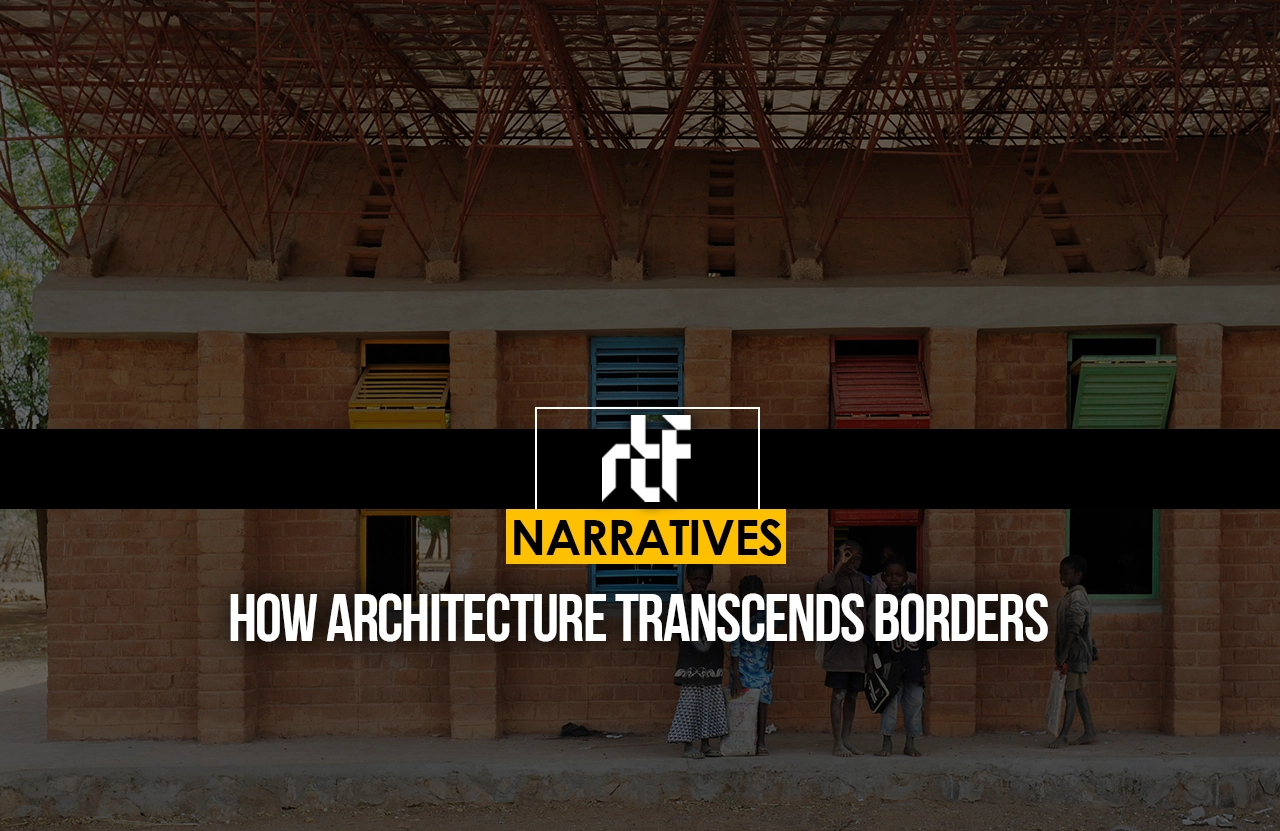
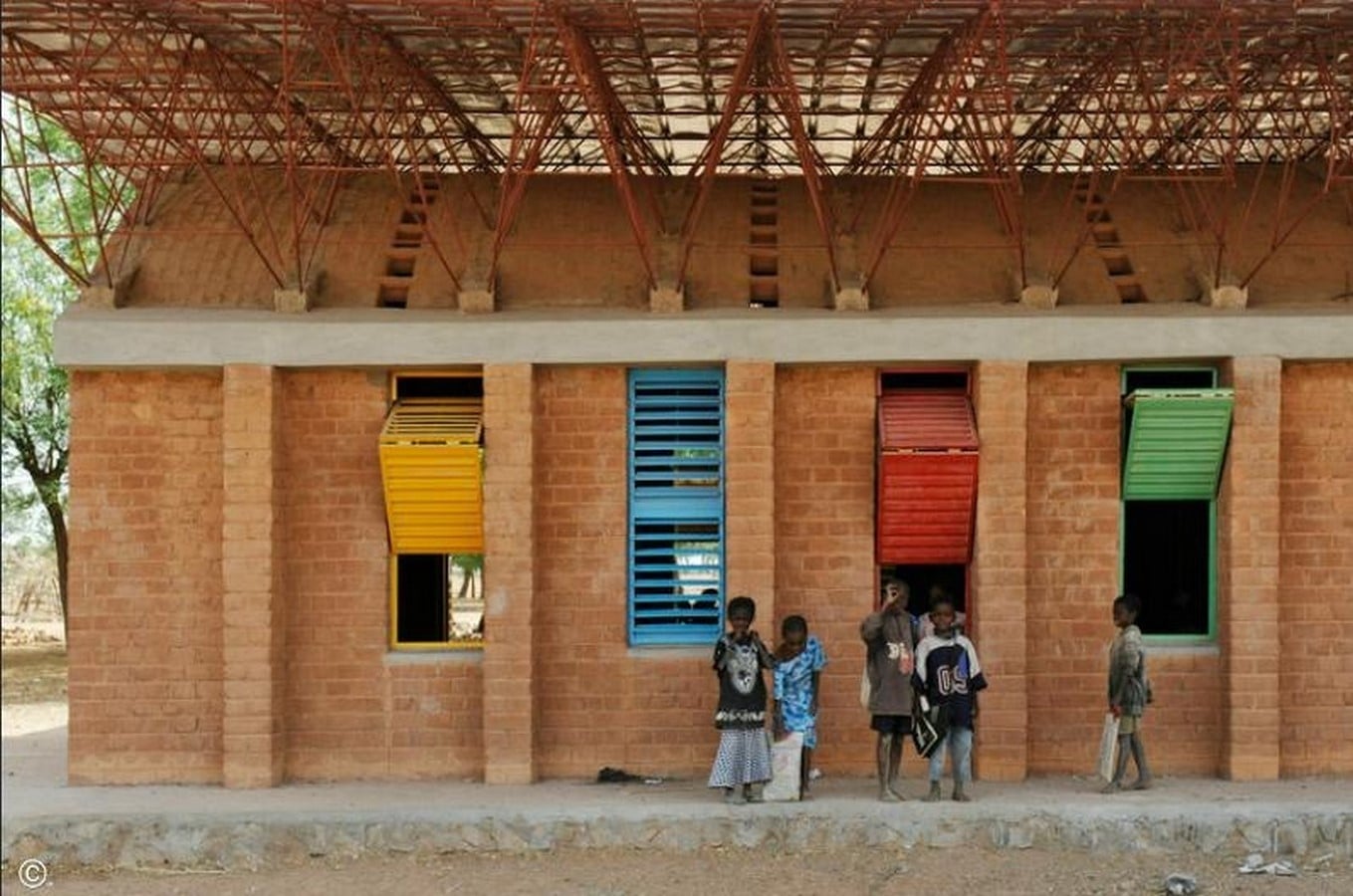
Francis Kere, a Burkinabe-German architect, is well-known for using materials and the climatic geography of a place to design spaces that are apt for the locations they are in. His most recognized work, amongst many, is the Gando Primary School, where Kere used low-energy materials such as mud bricks, compressed earth blocks, and local timber. These materials have high thermal mass, ensuring the spaces stay cool during the day and adjust according to the temperatures in West Africa. Along with thoughtful design, including double roofs, ventilated ceilings, and perforated clay elements, it allows the spaces to be accessible comfortably without ACs or fans, even during peak summers touching 45 degrees Celsius. Kere’s projects also include Gando teachers’ housing, the Burkina Institute of Technology, and an orphanage project. These projects are designed to be comfortable, sustainable, affordable, and culturally rooted. His work has significantly impacted the way architecture is perceived, and his work has been globally recognized for its comfort and designs, which showcase an immense understanding of the local contexts for which they are designed.
In contrast, colder regions are often designed with thick walls, insulation, and smaller yet well-placed windows, which are strategically positioned to let in more sunlight and keep the rooms warmer. Bjarke Ingels, a Danish architect, is known for his projects that make winter spaces more comfortable. His signature elements include compact building forms, strong insulation, and layered envelopes. Ingels once mentioned that “Across the planet, people have found ways to work with the locally available material and techniques to respond to the local landscape and climate in ways that optimise human living conditions” (Magazine and Gambino, n.d.). Ingles’ approach to architecture ensures both protection from the cold winds and aesthetics which blend in with the building’s surroundings.
Why Architectural Styles Never Stay The Same
Though architectural styles have spread across the world, they seldom remain unchanged. Most design elements are adapted to fit their surroundings. As trade, migration, and modern communication expanded access, architecture became increasingly global. Yet materials have remained harder to access globally, especially at lower prices. As a result, architects often use locally found materials that are close, if not better, substitutes for the originals.
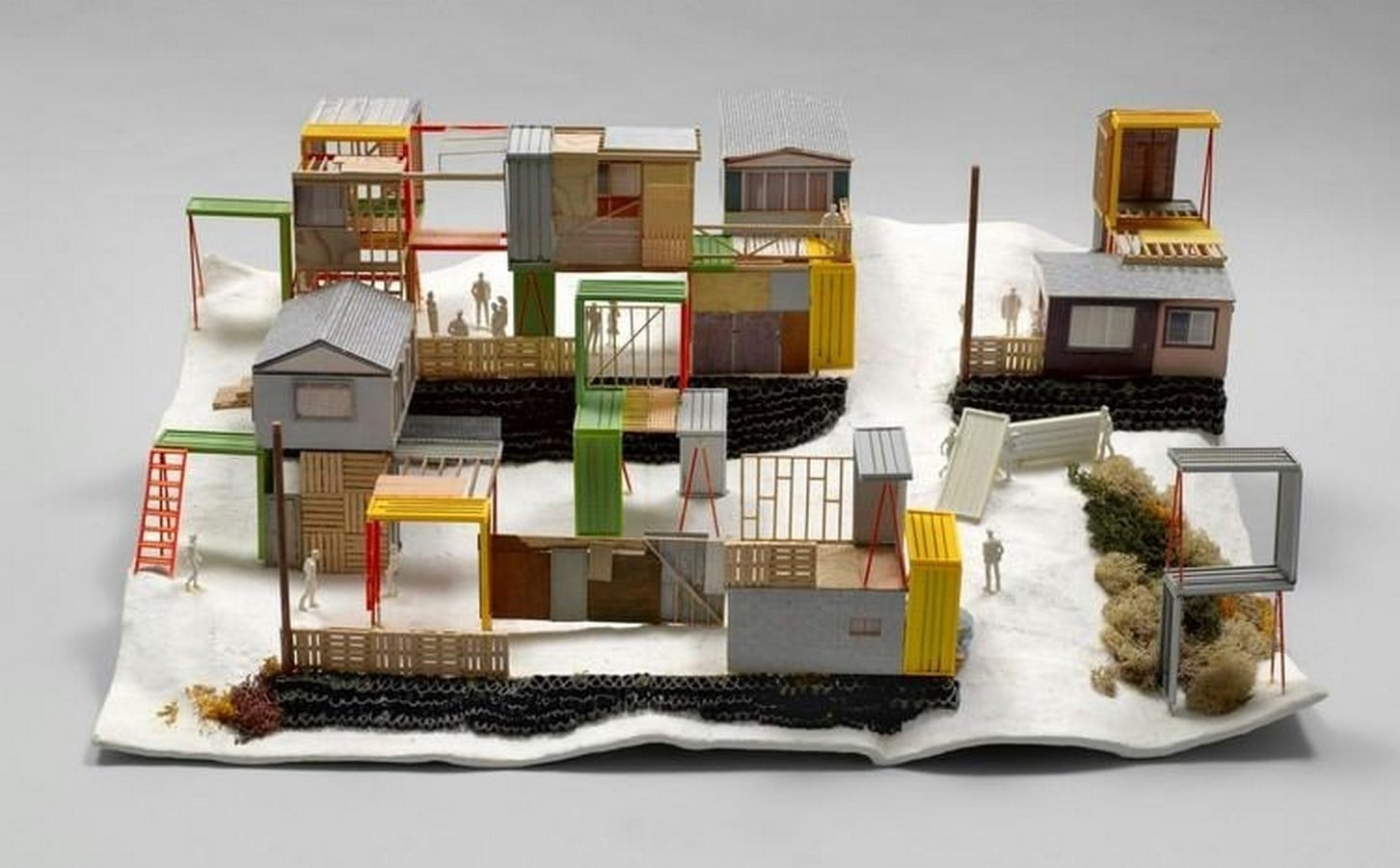
Architecture is never simply reproduced, but refracted through climate, labour, technology, economy and identity. Therefore, a borrowed style may appear familiar in one, but those who understand the craft will tell you that it serves your purpose very differently on different soils. The same theme — arches or screens — in several countries can look far apart—someone for shade, somewhere for decoration, someone for religious symbolism, and so on. The way it looks moves, and the meaning with which you create it moves alongside its surrounding context. The purpose that a design element serves also plays a significant role when styles are distributed amongst various regions. This can be influenced by various factors such as culture, societal norms, and historical significance.
Did globalisation weaken the identity of vernacular architecture?
Globalisation often favours fast and standardised construction, especially in urban areas. This may disregard the local design traditions, as an increase in the number of imported materials and the need to finish projects faster may portray vernacular architecture as slower, less profitable, and therefore less efficient. But due to the increase in importance given to sustainability in this era, these styles may become the primary reference, as they fulfil all the criteria to make construction more efficient in comparison to any average building. Simultaneously, the rise in the number of digital platforms has provided architects, clients, and developers with a more accessible global view of references through magazines and digital platforms such as Archdaily.
The architecture that is used and survives locally is not just the style that is used but also the way it is adapted to its surroundings. For example, climate, one of the main branches of vernacular architecture, shapes the strategies used. They make sure that practicality comes first and culture comes second, which contributes to the overall experience of the space. Additionally, spatial habits also play an important role, as they are the one aspect that is unchanged. It shapes the way people live and feel the space. This is the one thing that is often stagnant despite any number of design alterations, changes in aesthetics, and replacement of materials.
This explains the success of contemporary architecture. It combines both global and local styles of architecture, which is why many architects today present this as the new identity of vernacular architecture. This new identity includes global planning systems, aesthetics, and styles which are adapted to the local setting, automatically making the space more efficient. This proves that through globalisation, though there may be setbacks, it makes it possible for many architects to explore and open new doors, allowing room for creativity to flourish and more beautiful spaces to be experienced.
“As an architect, you design for the present, with an awareness of the past, for a future which is essentially unknown.” Norman Foster (Corporal, 2026)
References:
[1] 3a396793-7eca-4136-913a-70213569bbb8 (2025). Vernacular Architecture: Origins, Features & Examples. [online] ArchiVinci. Available at: https://www.archivinci.com/blogs/what-is-vernacular-architecture [Accessed 20 July 2026]. [2] dsgnr Team (2026). Vernacular architecture — local traditions, materials, and climate-responsive design. [online] dsgnr. Available at: https://dsgnrai.com/guides/vernacular-architecture [Accessed 20 July 2026]. [3] How Does Francis Kéré use Materials to Respond to Local Climate Conditions? (2022). [online] ArchDaily. Available at: https://www.archdaily.com/978851/how-does-francis-kere-use-materials-to-respond-to-local-clim ate-conditions [Accessed 20 July 2026]. [4] ArchDaily. (2026). Gallery of How Does Francis Kéré Use Materials to Respond to Local Climate Conditions? 1. [online] Available at: https://www.archdaily.com/978851/how-does-francis-kere-use-materials-to-respond-to-local-clim ate-conditions/6238d4c43e4b3128ed000017-how-does-francis-kere-use-materials-to-respond-t o-local-climate-conditions-photo [Accessed 20 July 2026]. [5] Cold Climate Design. (2026). [online] ASHRAE.org. Available at: https://www.ashrae.org/technical-resources/free-resources/publications/cold-climate-design [Accessed 21 July 2026]. [6] Magazine, S. and Gambino, M. (n.d.). Designing Buildings For Hot Climates, Cold Ones and Everything in Between. [online] Smithsonian Magazine. Available at: https://www.smithsonianmag.com/innovation/designing-buildings-for-hot-climates-cold-ones-and -everything-in-between-180954003/ [Accessed 21 July 2026]. [7] Elham Al Dweik (2023). Architectural Evolution through Cultural Lenses: Exploring the Influence of Global Traditions. [online] RTF | Rethinking The Future. Available at: https://www.re-thinkingthefuture.com/architectural-community/a11228-architectural-evolution-thr ough-cultural-lenses-exploring-the-influence-of-global-traditions/ [Accessed 21 July 2026]. [8] Olden Tech Editorial (2023). Exploring Cross-Cultural Architectural Styles Across Eras Olden Tech. [online] The Insurance Universe. Available at: https://oldentech.com/cross-cultural-architectural-styles/ [Accessed 21 July 2026]. [9] The cultural flow of Architecture (2015). Worldbuilding Stack Exchange. [online] Worldbuilding Stack Exchange. Available at: https://worldbuilding.stackexchange.com/questions/27850/the-cultural-flow-of-architecture [Accessed 21 July 2026]. [10] Bookpdfdoc.info. (2026). [online] Available at: https://bookpdfdoc.info/world-architecture-a-cross-cultural-history.pdf [Accessed 21 July 2026]. [11] Jagatramka, R., Kumar, A. and Pipralia, S. (2021). Transformations of Vernacular Architecture of India: Problems and Prospects. ISVS e-journal , [online] 8(1). Available at: https://isvshome.com/pdf/isvs_8-1/isvs_ej_8.1.2_ashwani_published.pdf [Accessed 21 July 2026]. [12] Vegas, F., Mileto, C., Escobar, A.H. and de Miguel, M.L. (2022). Sustainability, Risks and Resilience of Vernacular Architecture. International Journal of Architectural Heritage , 16(6), pp.817–819. doi:10.1080/15583058.2022.2067435.
[13] Inam, A.I. (2025). Cultural Homogenization and the Decline of Vernacular Architecture: Challenges and Opportunities. International Journal For Multidisciplinary Research , 7(2). doi:10.36948/ijfmr.2025.v07i02.39067. [14] Corporal, A.J. (2026). Architectural Quotes. [online] Scribd. Available at: https://www.scribd.com/doc/268937408/architectural-quotes [Accessed 21 July 2026].