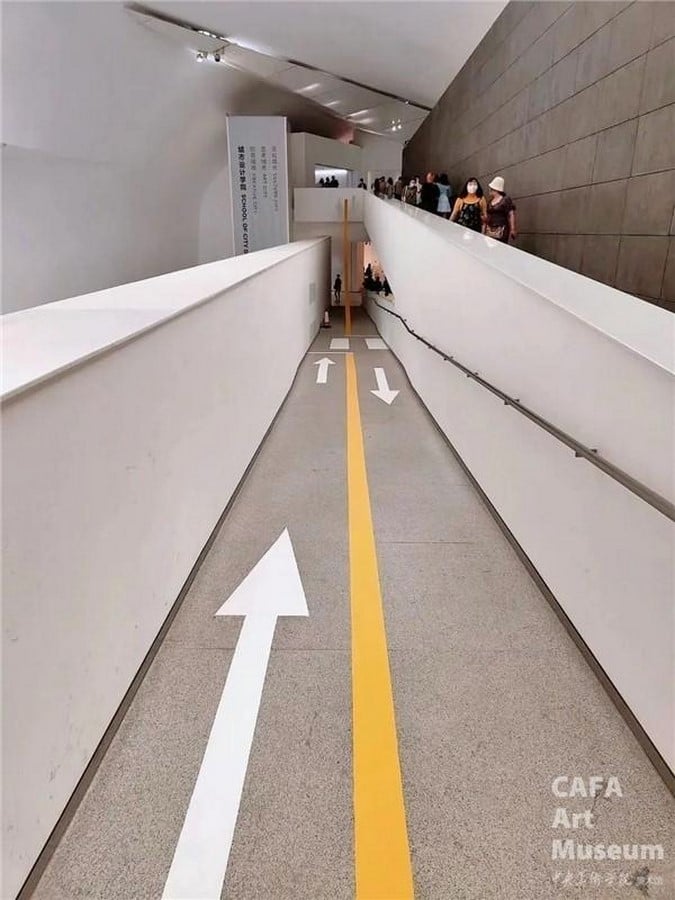
Something that you can almost find in any museum that you go to are these arrows or written directions telling you where to go next. Turn left. Continue upstairs. Proceed to Gallery 4. They exist to guide visitors through the exhibits, but after a while they begin to feel unnecessary. You see; long before you notice the arrows, the building has already started to guide you. A narrowing corridor encourages you forward before opening into a larger gallery. A glimpse of a sculpture through a doorway quietly persuades you to keep walking. A shaft of light makes you curious about what it holds. Even museums that encourage visitors to wander rarely leave the experience entirely to chance. The architecture has already begun choreographing your journey.
Beyond the Floor Plan
Perhaps this is what makes cinematic architecture such an interesting idea. It is easy to assume that the term refers to dramatic buildings that resemble film sets or iconic locations from the movies. Yet cinematic architecture is not really about appearances. It is about the experience. Much like a filmmaker deciding moment by moment what the audience sees, architects decide what visitors encounter, what remains hidden, and when a space should finally reveal itself.
Architects make these decisions long before a building is occupied. Sometimes they want visitors to follow a carefully choreographed route, where one room prepares them for the next. At other times, they intentionally encourage exploration, designing multiple paths while ensuring every corner of the building remains discoverable and that every path leads to the eventual point of intersection. In both of these situations, they are not only designing spaces; they are designing what happens between the spaces as well.
Storyboarding Experience
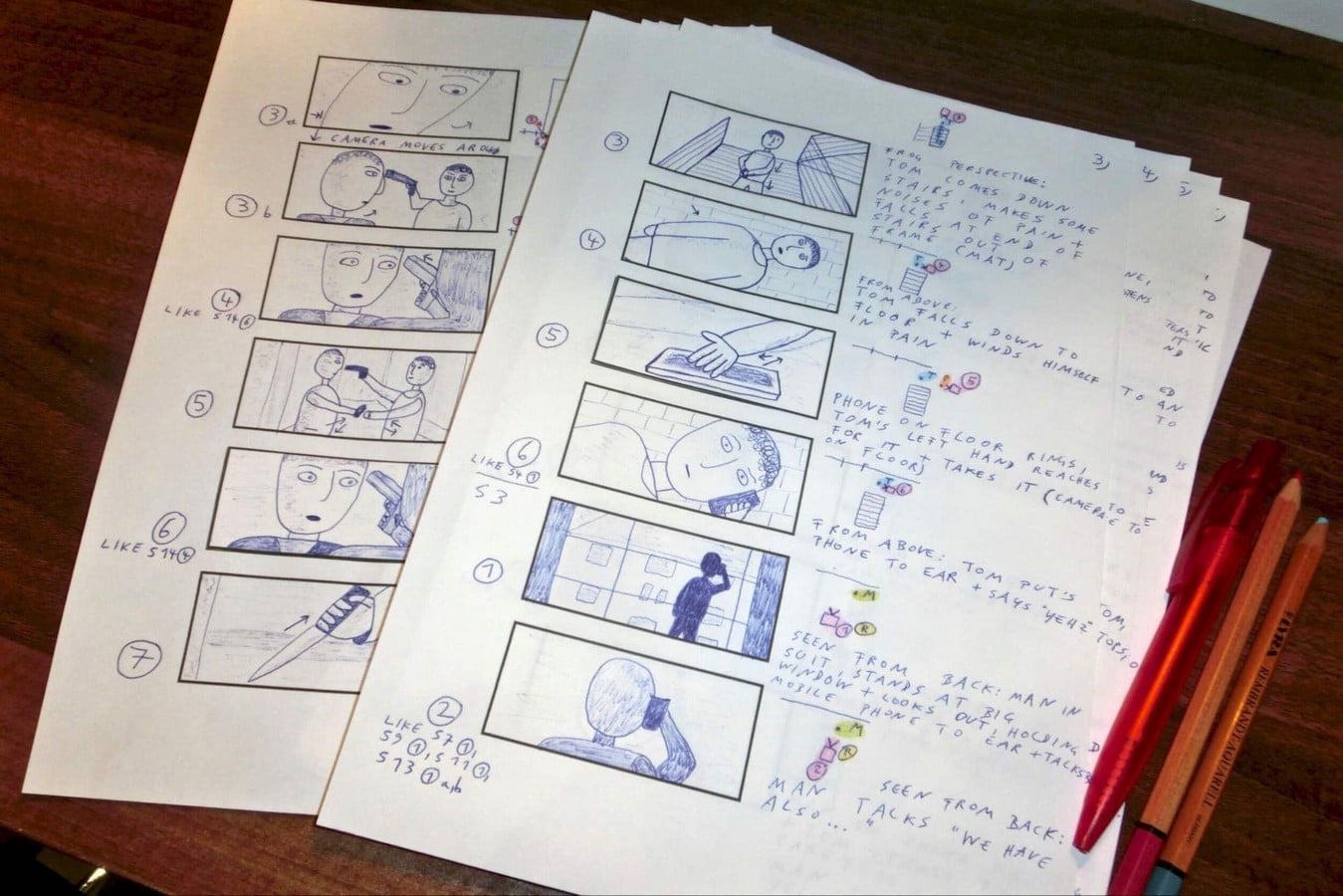
Storyboarding offers an interesting way of understanding this process. In filmmaking, a storyboard is not simply a collection of drawings. It is a way of planning movement, rhythm, anticipation, and revelation before the camera begins rolling. Rather than asking what a scene should look like, it asks what the audience should experience next. These are questions architects have always asked, even if they answer them through light and material instead of lenses and cameras.
Where the Comparison Ends
The comparison, however, begins to change the moment someone walks into the building. A filmmaker controls every frame. Every member of the audience watches the same scenes, in the same order, for the same duration. The timing of every reveal has already been decided. Buildings do not work like that.
This is where the comparison with cinema begins to break down. Directors choreograph a fixed sequence of images, but architects can only choreograph opportunities for experience. They may encourage someone towards a particular view, conceal a courtyard until the final turn, or use light to draw attention to a space, but they can never guarantee that every visitor will experience the building in exactly the same way.
Designing Through Transitions
The distinction becomes even clearer when thinking about transitions. Films rely on edits. A single cut can transport an audience from a confined room to an open landscape in an instant. Architecture has no equivalent. There are no cuts inside a building. Every threshold has to be crossed, every staircase climbed, and every corridor walked through. Rather than editing time, architecture edits movement.
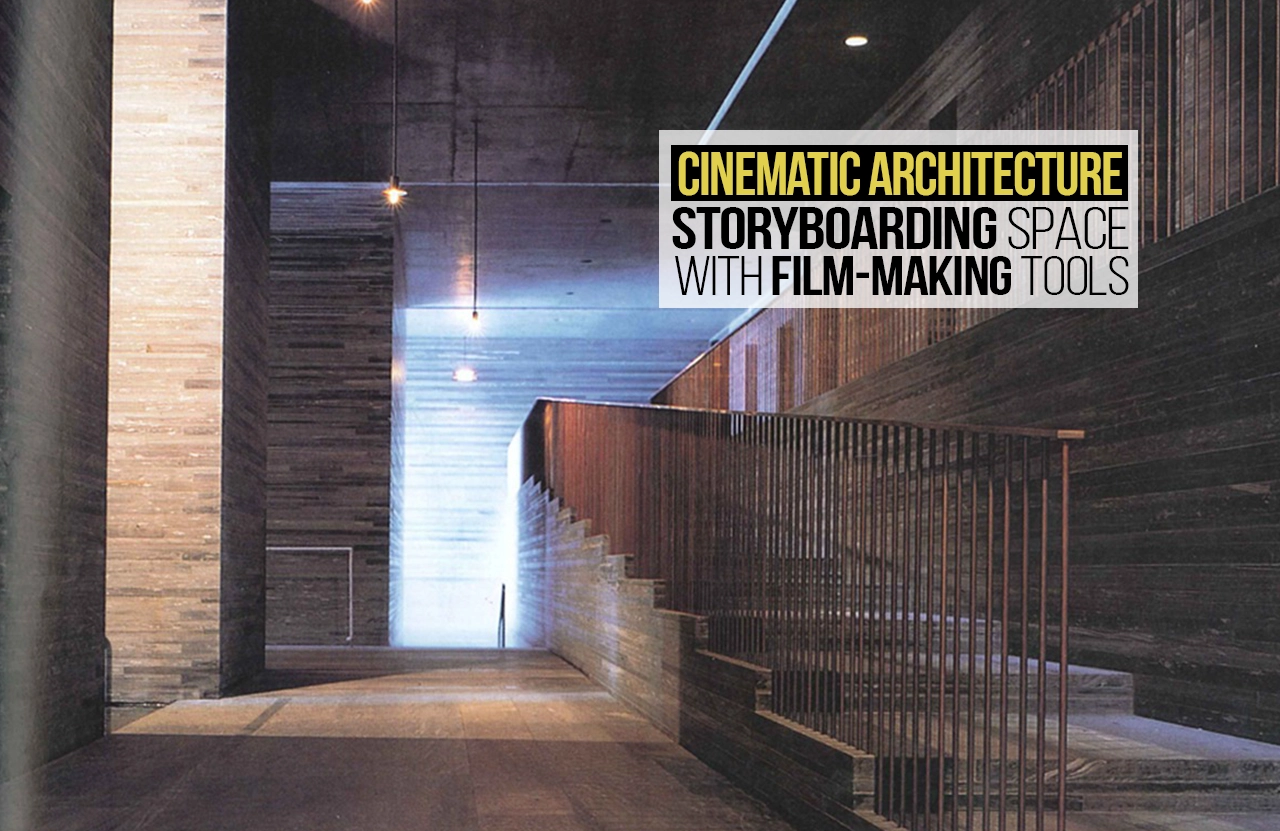
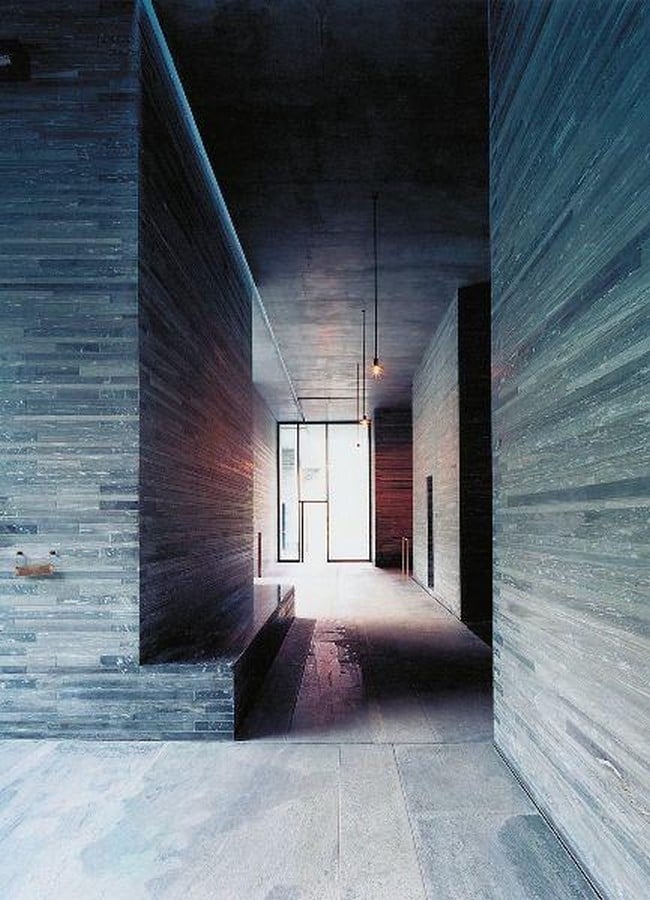
Peter Zumthor‘s Therme Vals quietly demonstrates this idea. Visitors do not immediately arrive at the building’s most memorable spaces. Instead, they move through dim stone corridors before emerging into pools illuminated by natural light. The sound of water gradually replaces silence. Narrow passages open into larger volumes before narrowing again. None of these moments are particularly dramatic on their own. Their impact comes from the transitions between them. What cinema achieves through editing, architecture achieves through carefully choreographed movement.
Why Storyboarding Still Matters
This is perhaps where storyboarding becomes genuinely useful. Not because architects should begin designing buildings as if they were films, but because storyboards encourage them to think beyond plans and elevations. A floor plan explains where spaces are located. A storyboard asks what someone experiences before reaching them. It transforms architecture from a collection of rooms into a sequence of moments.
At the same time, cinematic architecture should never become too cinematic. The unpredictability of human movement is one of architecture’s greatest strengths. People return years later and notice details they once ignored. They linger in places the architect never expected or discover entirely different routes through the same building. Every visitor edits the experience differently.
Architecture Beyond Cinema
Perhaps that is where architecture ultimately departs from cinema. A film tells the same story every time it is watched. A building never does. Architects cannot write a fixed narrative for every visitor, nor should they try. Their role is not to script experience but to choreograph possibilities. In that sense, cinematic architecture is not about making buildings behave like films. It is about recognising that memorable architecture, much like memorable cinema, is rarely defined by individual scenes. It is remembered through the journey that connects them.