The Global Growth of Informal Settlements and the Shift Toward Inclusive Urban Planning
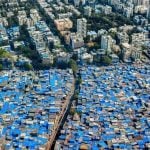
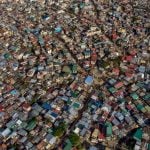
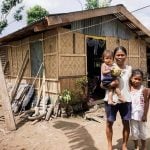
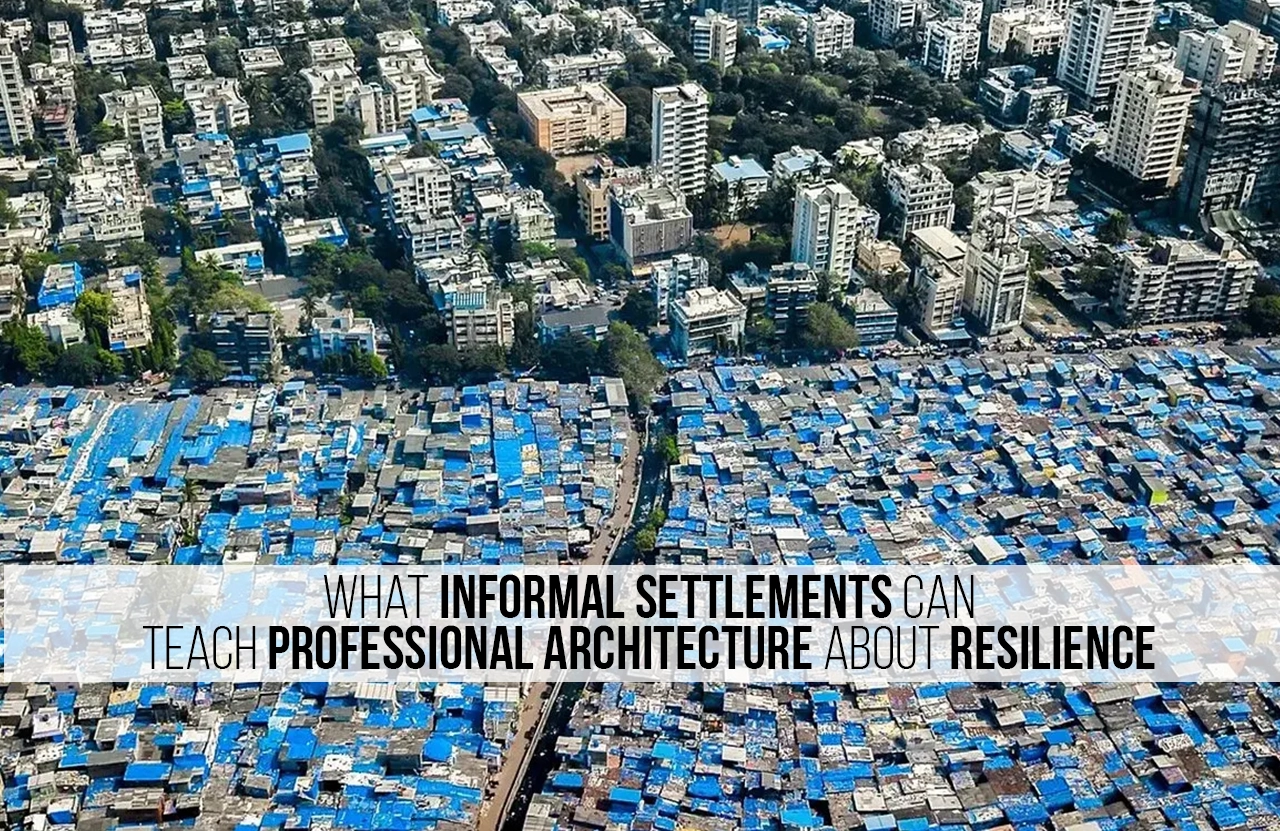
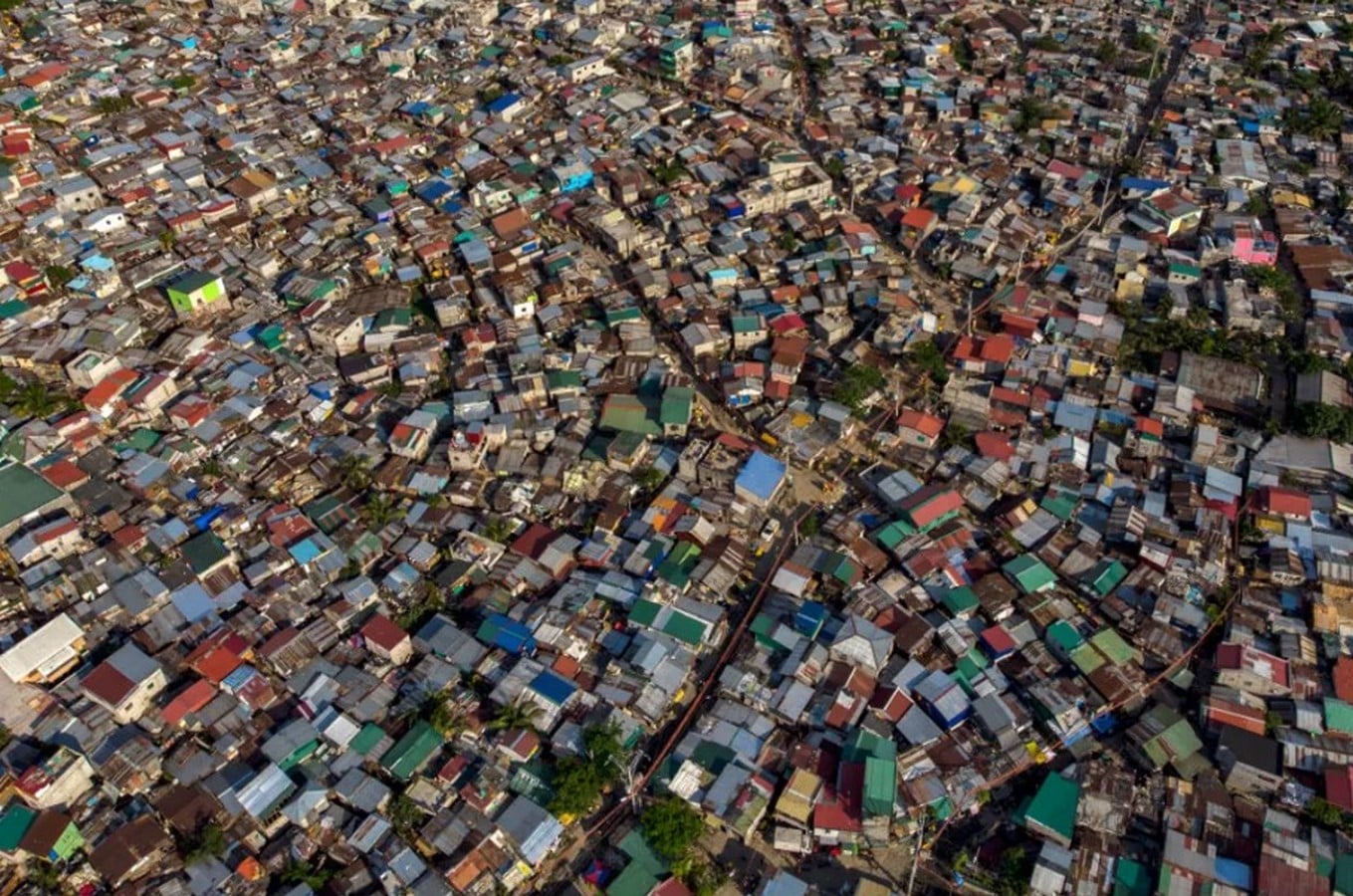
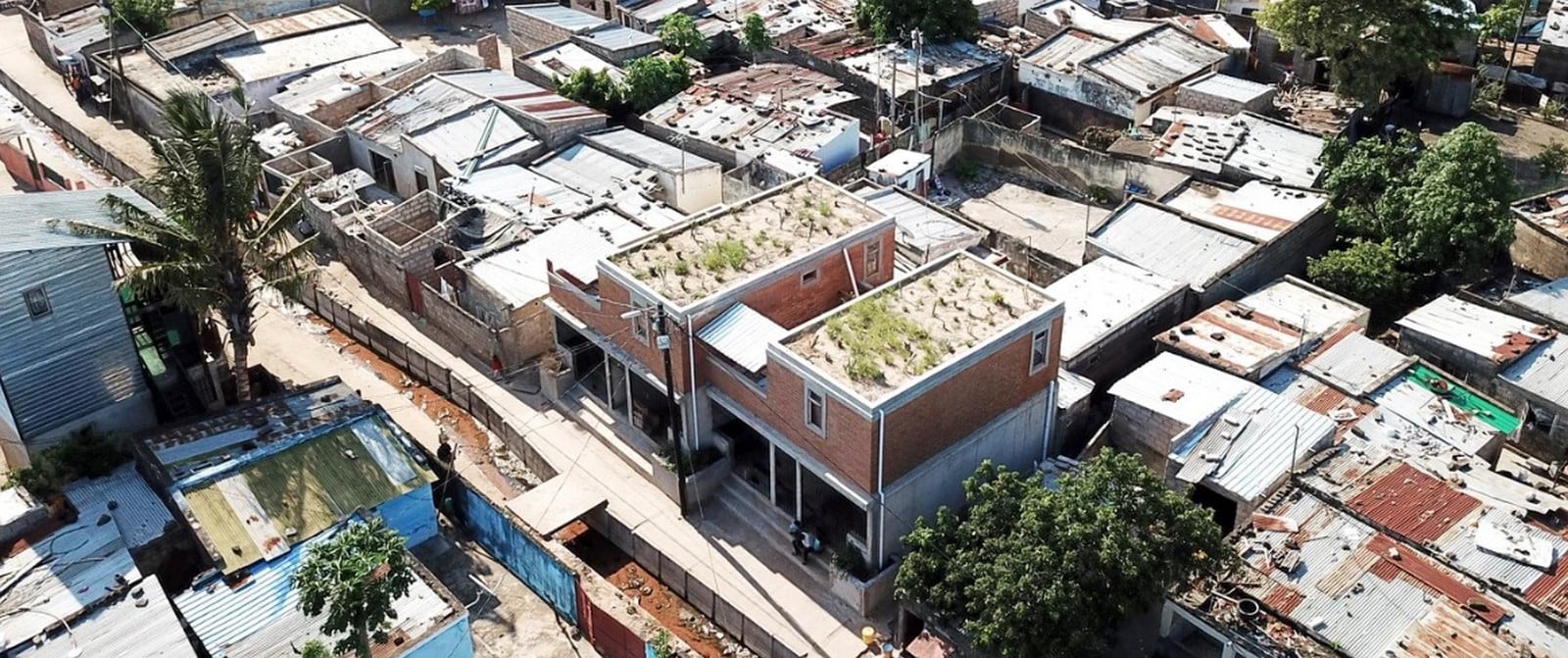
Urban populations are expanding at an alarming rate globally, with current estimates suggesting that more than half of the world’s population now resides in cities. Within this flourishing urban demographic, approximately one in four citizens lives in informal settlements. The communities living in such settlements lack basic legal rights, safe infrastructure, and essential health protections. UN-Habitat reports that 1.1 billion people currently reside in these conditions. If the current trend continues, this number could increase to 2.9 billion by 2050, with the majority concentrated in Asia and Sub-Saharan Africa. Traditional urban planning has frequently failed these communities, as conventional master plans often ignore local informal economies. Consequently, a paradigm shift is occurring that moves away from eviction, choosing instead to collaborate with residents to improve the neighbourhoods safely.
Causes of Housing Informality and the Challenges of Urban Inequality
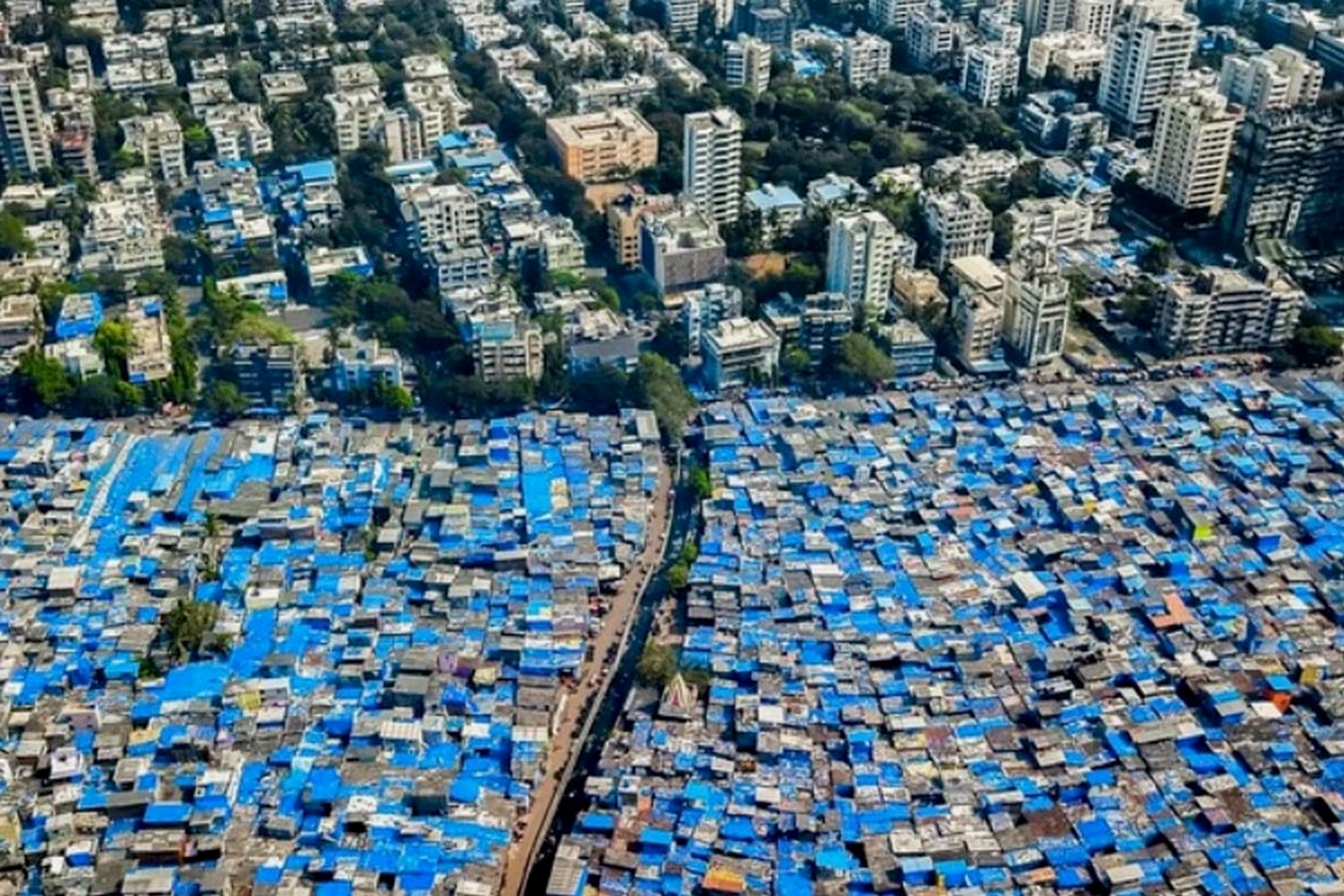
The drivers of housing informality are deeply rooted in rapid urbanisation, market failure, and weak urban governance. Housing has assumed the role of a financial asset, with prices escalating far faster than local incomes due to global capital flows, limited land supply, and favourable tax laws. These residents often suffer a “poverty penalty,” paying significantly higher prices for necessities like water and electricity than citizens in formal neighbourhoods. Furthermore, the absence of a registered address frequently excludes these individuals from necessary services such as social protection, banking, and insurance. Despite these deprivations, informal settlements possess valuable assets, including proximity to economic opportunities and robust community networks, as their central location provides easy access to city jobs while their shared hardships build strong trust and mutual support.
The Role of Social Capital in Strengthening Informal Communities
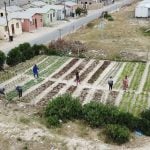
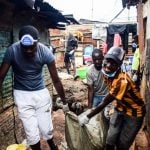
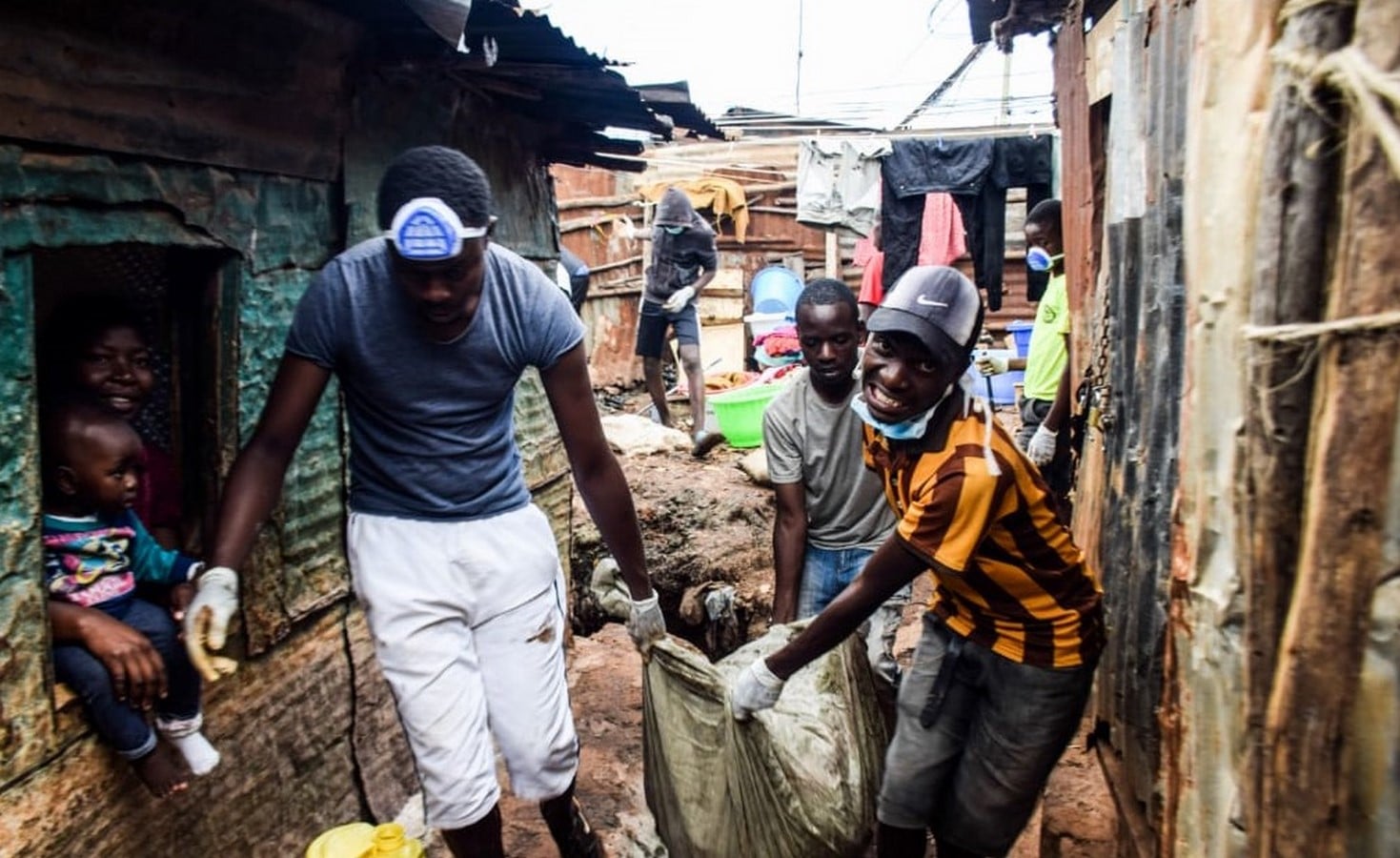
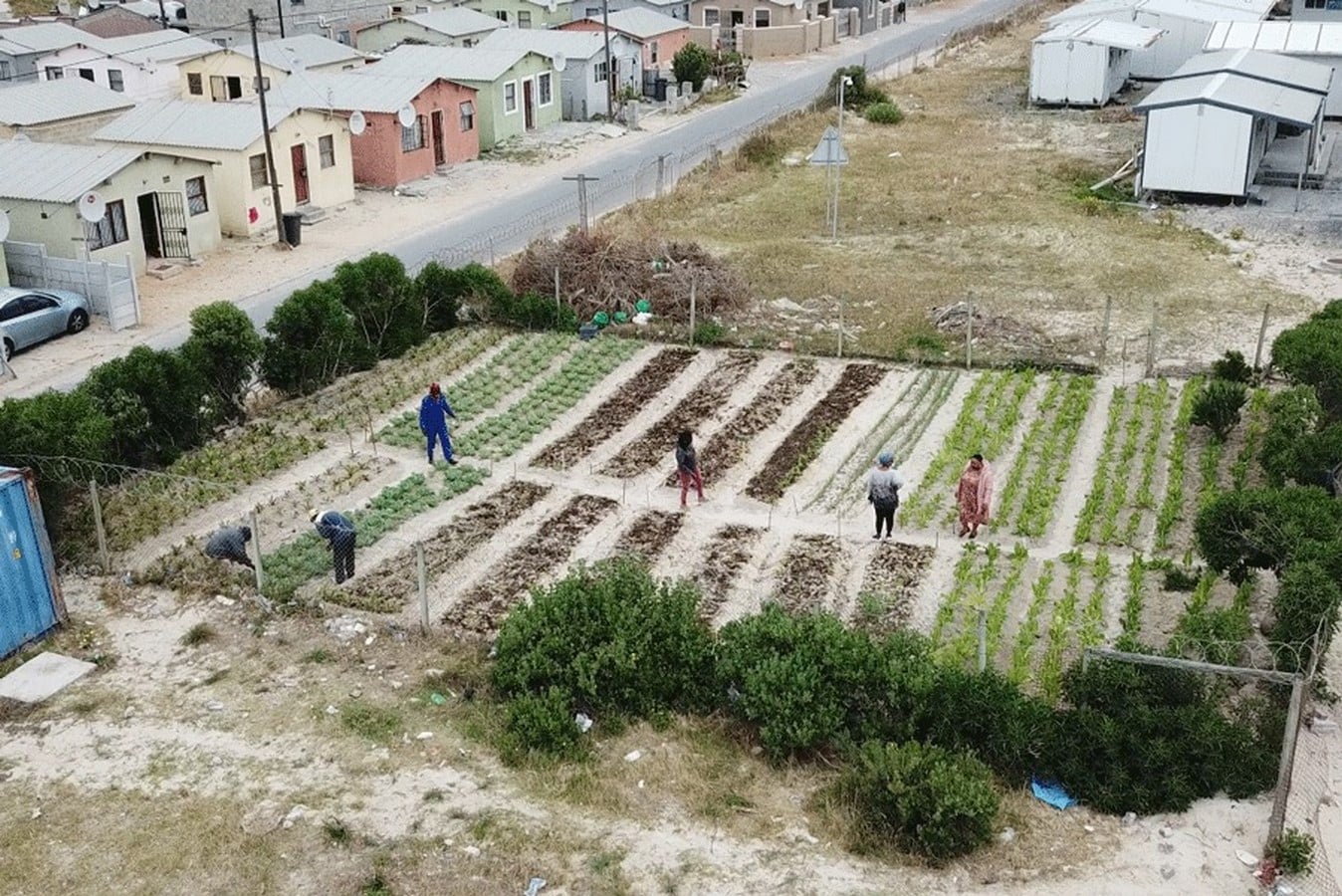
A central element in the survival and transformation of these settlements is the presence of social capital, when public systems and government fail to support them. Social capital is generally categorised into three types: bonding (ties between similar people), bridging (ties across diverse groups), and linking (ties across power hierarchies). Research in Kibera, Nairobi, indicates that bonding social capital allows families with shared ethnic heritage to share food during times of scarcity. The cultural diversity provides residents with exposure to different food sources, enhancing their resilience. In Kampala, Uganda, residents use social networks and rely on local technicians and landlords to gain informal electricity access when the formal grid is inaccessible. Placemaking activities, such as urban gardening or the collaborative construction of community assets, build strong bonds for the continued development of these social ties.
The Mukuru Special Planning Area: A Community-Led Model for Informal Settlement Upgrading
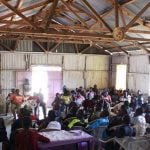
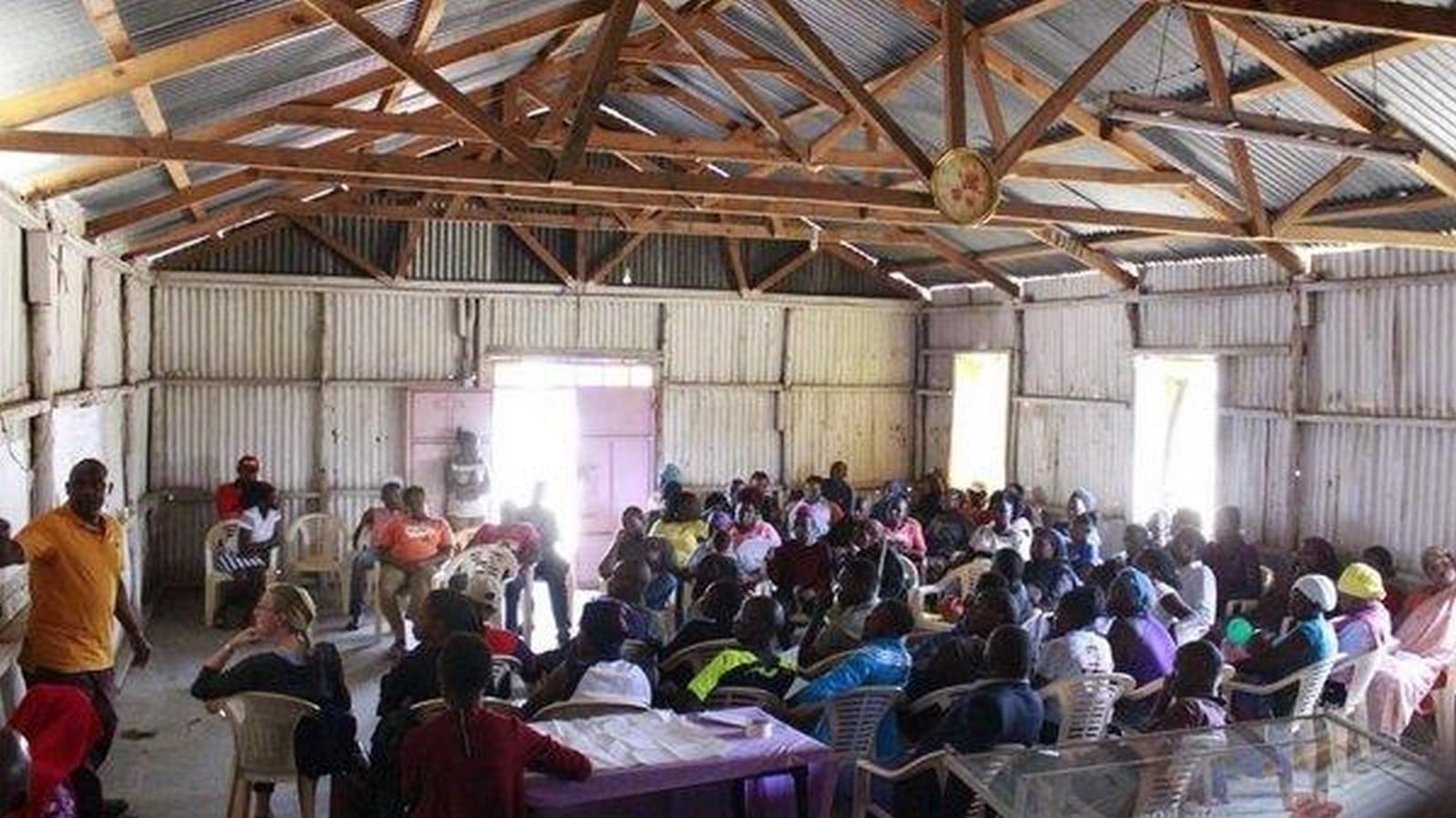
The Mukuru Special Planning Area (SPA) in Nairobi stands as a groundbreaking model for transforming these settlements by replacing rigid, irrelevant city codes with community-driven solutions for informal settlements. By lifting old rules, the county allowed residents and local groups to co-create practical standards for water, sanitation, and housing that fit real-life survival needs. The Mukuru model demonstrates that while government must fund large trunk networks, local communities and civil societies are vital for building connections to effectively upgrade informal settlements.
Immersion and Incremental Development: Manoel Ribeiro’s Favela Approach
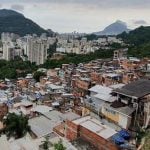
Manoel Ribeiro, an architect working in Rio de Janeiro’s favelas, historical hillside communities, advocates for an “immersion” methodology, where professionals live alongside residents to understand the culture and routine that form the settlement’s identity. He argues that instead of demolishing existing structures, architects should support “precariousness as a strategy”. This includes a rational, gradual method where informal settlement residents stockpile materials and build over time. This methodology values the “habitus” of the community, avoiding disruptions to the priority routes and routines that residents have established over generations.
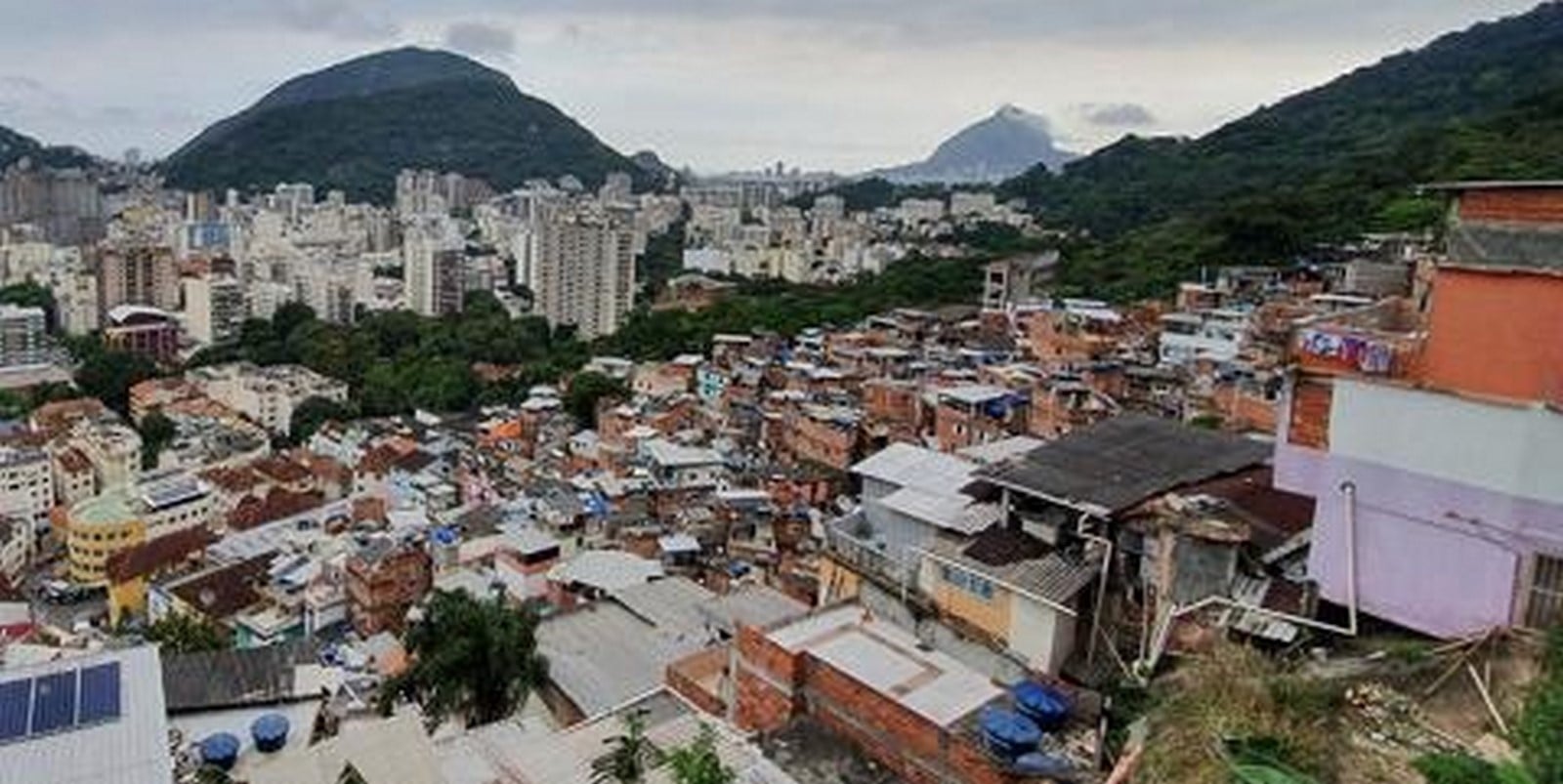
Quinta Monroy: Incremental Housing Through the “Half a Good House” Strategy
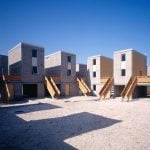
Another influential model for incremental housing is the Quinta Monroy project in Chile, designed by Alejandro Aravena and the practice ELEMENTAL. Faced with an impossible budget of USD $7,500 per family for land and construction, which could only buy half of a decent house, the architects decided to build “half a good house” with a structural core, kitchen, bathroom, and stairs that families could never build themselves safely. They left a deliberate void for the “easy half,” allowing families to expand their homes from an initial 30 square meters to over 70 square meters over time.
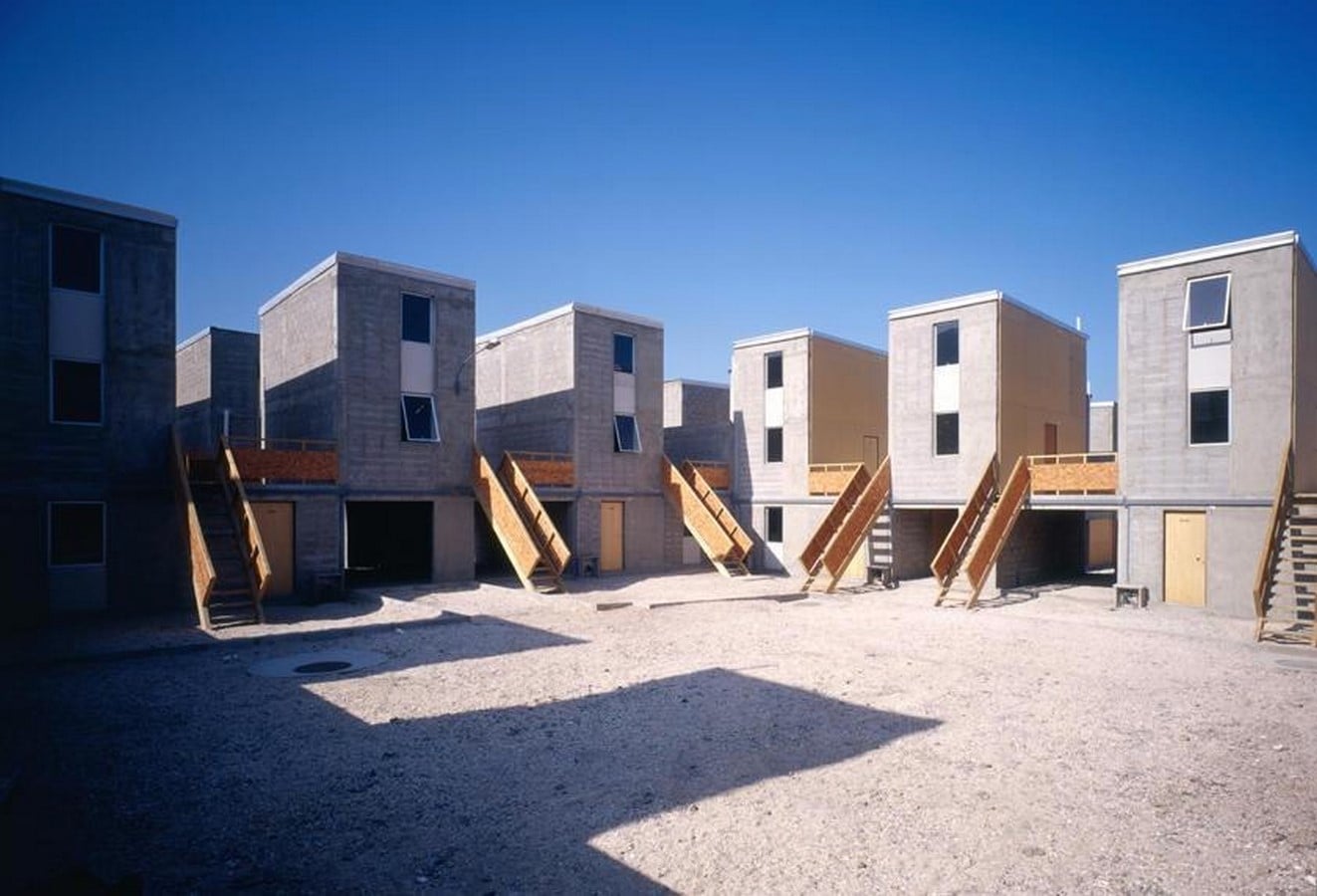
Vertical Architecture as a Solution to High-Density Informal Settlements
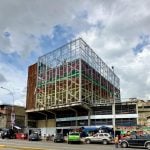
In high-density environments like Caracas, Venezuela, architectural innovation has shifted to vertical construction to compensate for the lack of available land. The Vertical Gym project explores modular, prefabricated construction systems built on tight urban fields to fix a massive lack of public space. By stacking facilities vertically, the project addresses the severe deficit of public space in informal settlements, where population densities can reach 768 people per hectare. These structures provide a platform for cultural events, creating a community space for all citizens, regardless of their economic background.
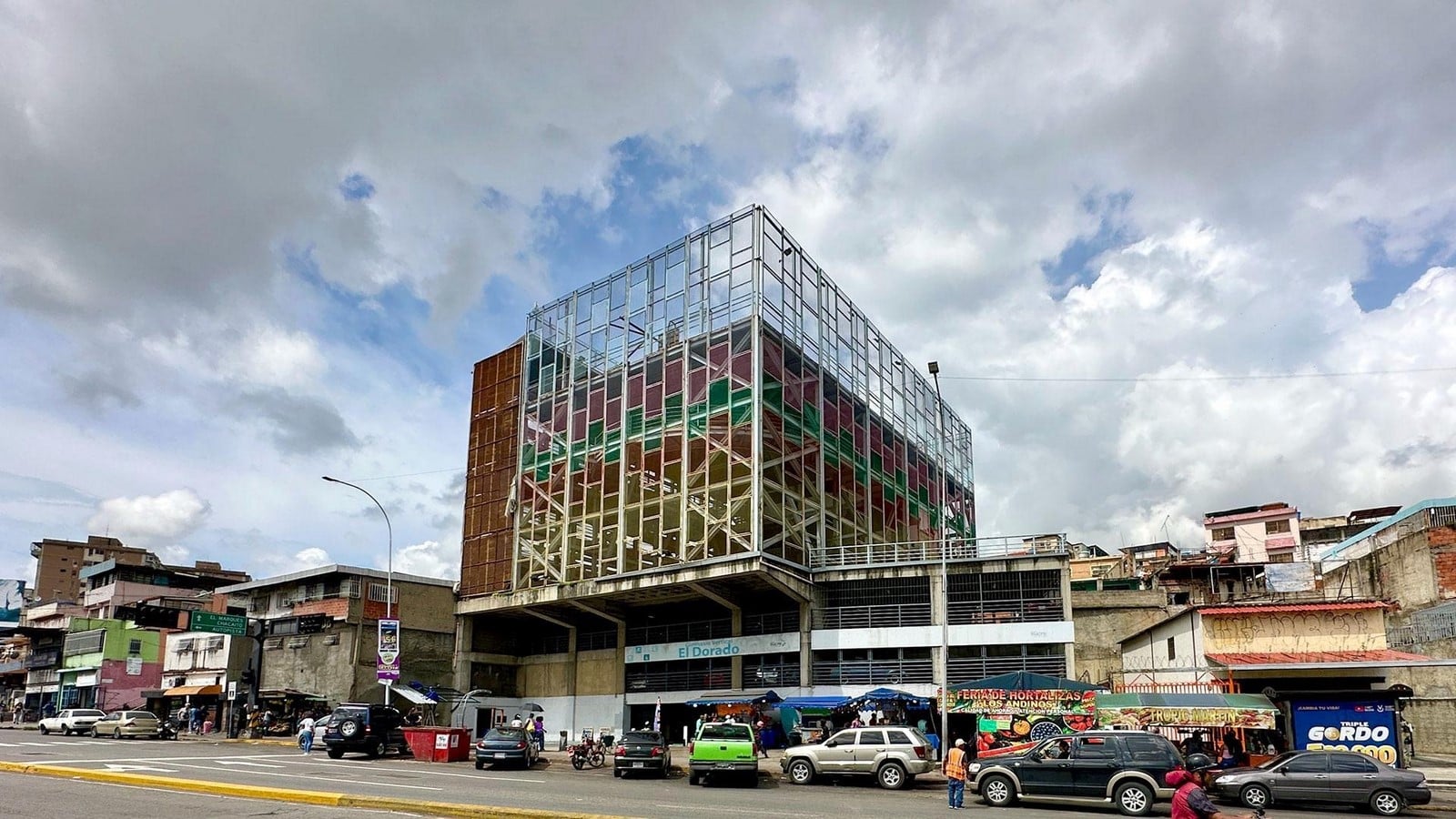
Self-Built Housing and Community-Led Post-Disaster Recovery
Self-built housing also plays a critical role in post-disaster recovery, as seen in case studies from Sri Lanka, Pakistan, and the Philippines. In Pakistan, the use of local materials like bamboo, mud, and lime resulted in permanent houses that cost the same as temporary emergency tents. This approach gives people the power to fix their own homes in case of a disaster. In the Philippines, owner-driven design empowers residents to direct rebuilding after disaster with local traditions and salvaged materials, such as coconut lumber destroyed by typhoons. These cases demonstrate that recovery is most effective when it is guided by those with local experience, as excessive government involvement can sometimes slow down help due to unnecessary regulation.
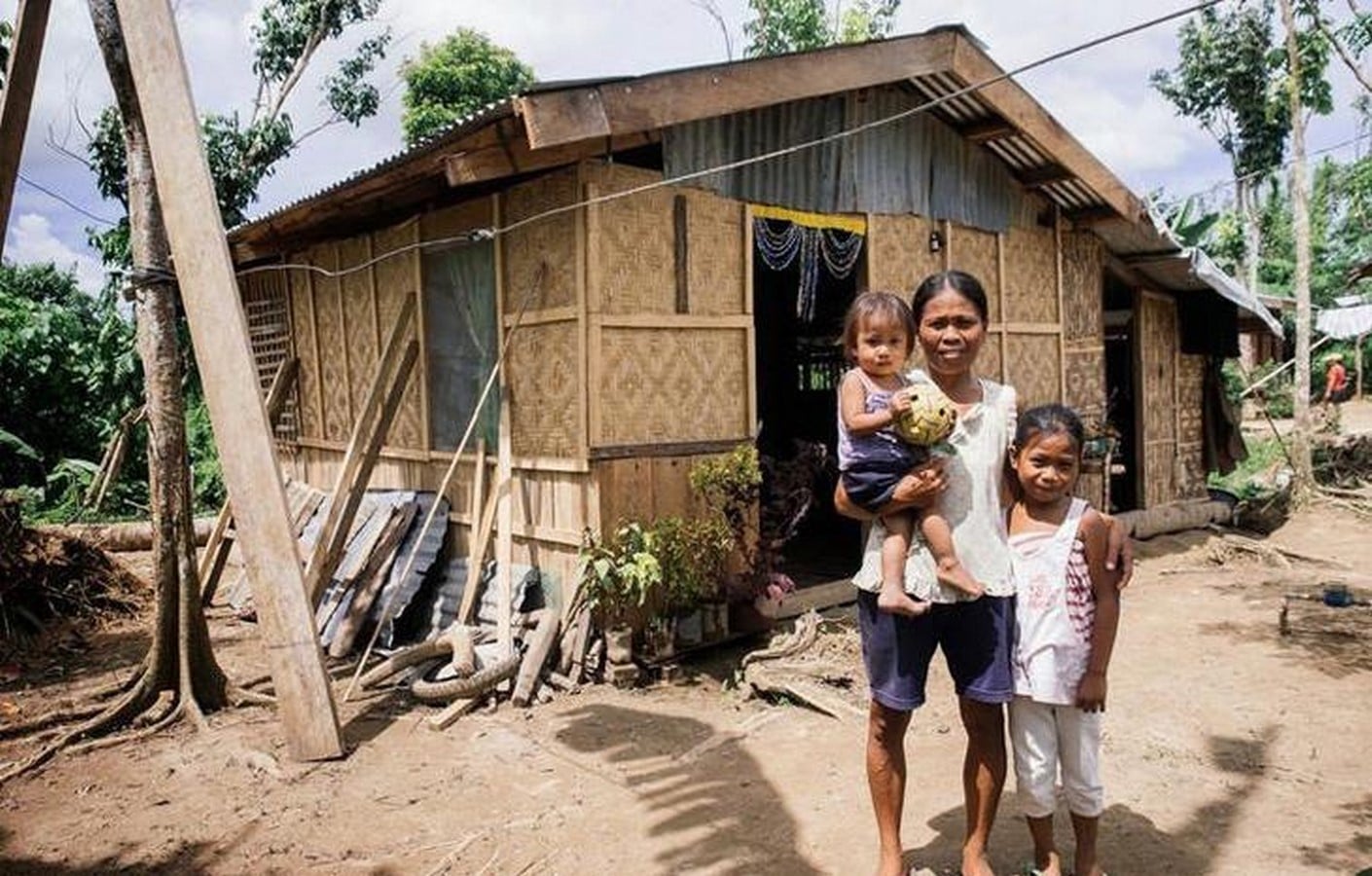
Financial and Institutional Barriers to Informal Settlement Upgrading
Despite the success of these models, there are significant financial and institutional challenges that still need to be tackled. Most climate action funding currently prioritizes reducing emissions over building resilience, and only an estimated three to five percent of adaptation funds are spent in urban spaces. Furthermore, many international commitments remain vague about “how, by whom, and with what resources” informal settlements should be upgraded. UN-Habitat recommends a “twin-track” approach that combines the in-situ upgrading of existing settlements with the production of new affordable housing and serviced land supply. This requires institutionalizing community participation with strong local government leadership.
Toward Resilient and Inclusive Cities: Integrating Informal Settlements into Urban Planning
Ultimately, achieving urban resilience is impossible without addressing the needs of those living in informal settlements. This requires a comprehensive response through three core strategies: tenure security, flexible zoning, and the integration of informal settlements into citywide planning frameworks. By treating residents not as a problem to be solved, but as builders and contributors to the urban economy, cities can create a greener, stronger, and fairer future. The lessons from Mukuru, Quinta Monroy, and the world’s many “unauthorized colonies” teach that architecture can be a tool for social equity through incomplete, adaptable, and locally rooted design by prioritizing communities, resource efficiency, and spatial resilience. Supporting these informal systems is not just a humanitarian imperative, but is essential for modern urban survival because it drives economic resilience, fosters social inclusion and provides flexible infrastructure.
Citations-
- https://gca.org/wp-content/uploads/2022/12/About-this-Guide.pdf
- https://ethz.ch/content/dam/ethz/special-interest/conference-websites-dam/no-cost-housing-dam/documents/Hendriks_final.pdf
- https://www.studiomatrx.org/guides/incremental-housing-quinta-monroy
- Parsons L(2026). Characteristics of Social Capital in Informal Housing Settlements Available at: https://pdxscholar.library.pdx.edu/cgi/viewcontent.cgi?article=3202&context=honorstheses
- Lages J(2024). Precariousness as a strategy, immersion as methodology: an architect’s approach to favela intervention. An interview with Manoel Ribeiro Available at: https://journals.openedition.org/cidades/9537?lang=en
- https://unhabitat.org/sites/default/files/2025/09/hsp-oewg-h.2025-inf-4_proposed_recommendations_on_informal_settlements.pdf
- https://www.uttdesign.com/projects/vertical-gym-baruta