Brands today are not just commercial markers—they are cultural storytellers. They shape expectations, aspirations, and even the way individuals perceive themselves in society. In the information age, brands have become synonymous with differentiation, consumption, communication, and perception. They package lifestyles, persuading us to adopt identities that align with their values. For firms, the brand tag is not optional; it is essential. Without it, they risk inconsistency, dilution, and the inability to articulate why a customer should choose them.
This tension between clarity and fragmentation is why brand strategy and brand architecture matter. Strategy defines the vision and positioning, while architecture structures the offerings. Yet, the real challenge lies not in creating a brand but in sustaining one. Is the investment of time and money justified? Has the model proven successful? And should brand identity evolve with shifting global trends?
To see how these questions unfold in practice, consider the journey of Arjun Rathi Designs—a studio that began with architectural commissions but grew into a multidisciplinary identity, demonstrating how a brand can move beyond commerce to become a cultural force.


From Architecture to Industrial Design
Arjun Rathi Designs began as a traditional architectural practice but soon transitioned into industrial design, specializing in products and furniture. What started as modest commissions quickly transformed into a nationally recognized brand. The studio’s philosophy—functional art, material exploration, and problem-solving—allowed it to carve out a distinctive identity.
Early on, experimentation and adaptability defined the studio’s approach. By integrating
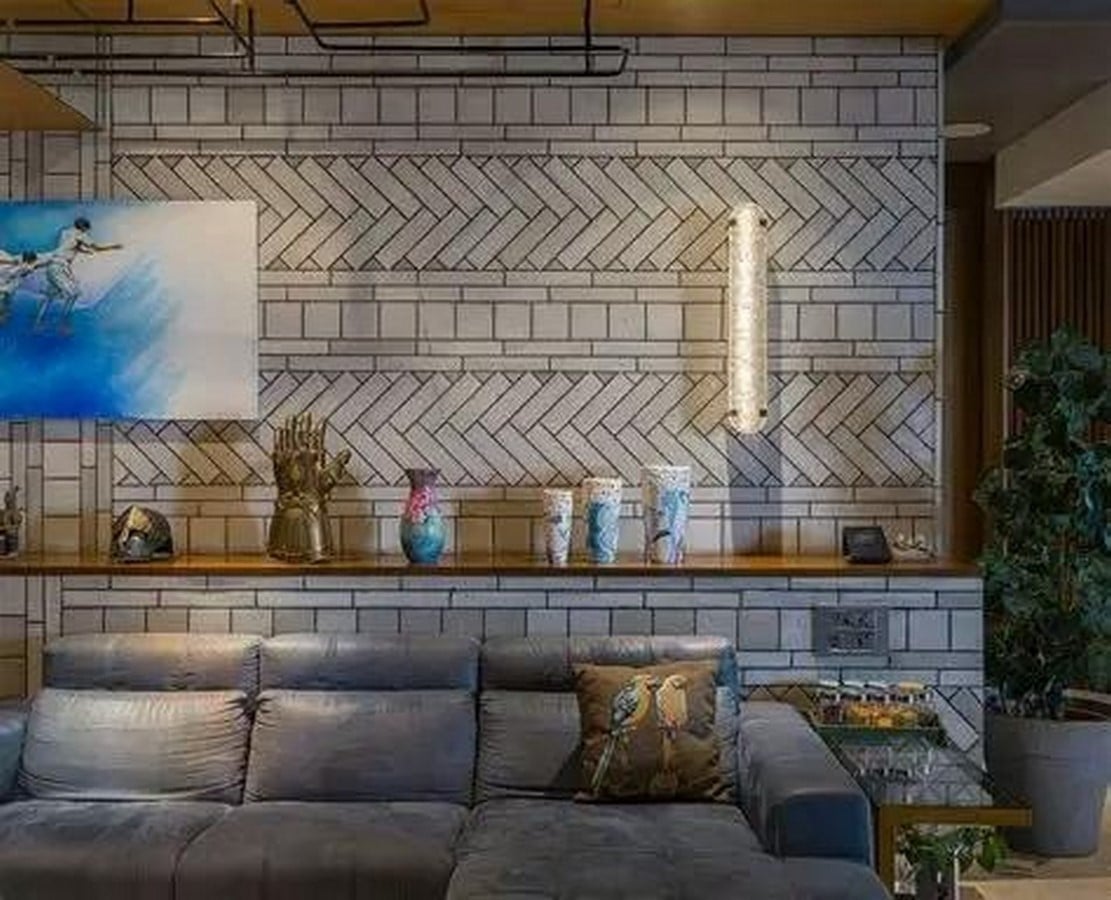
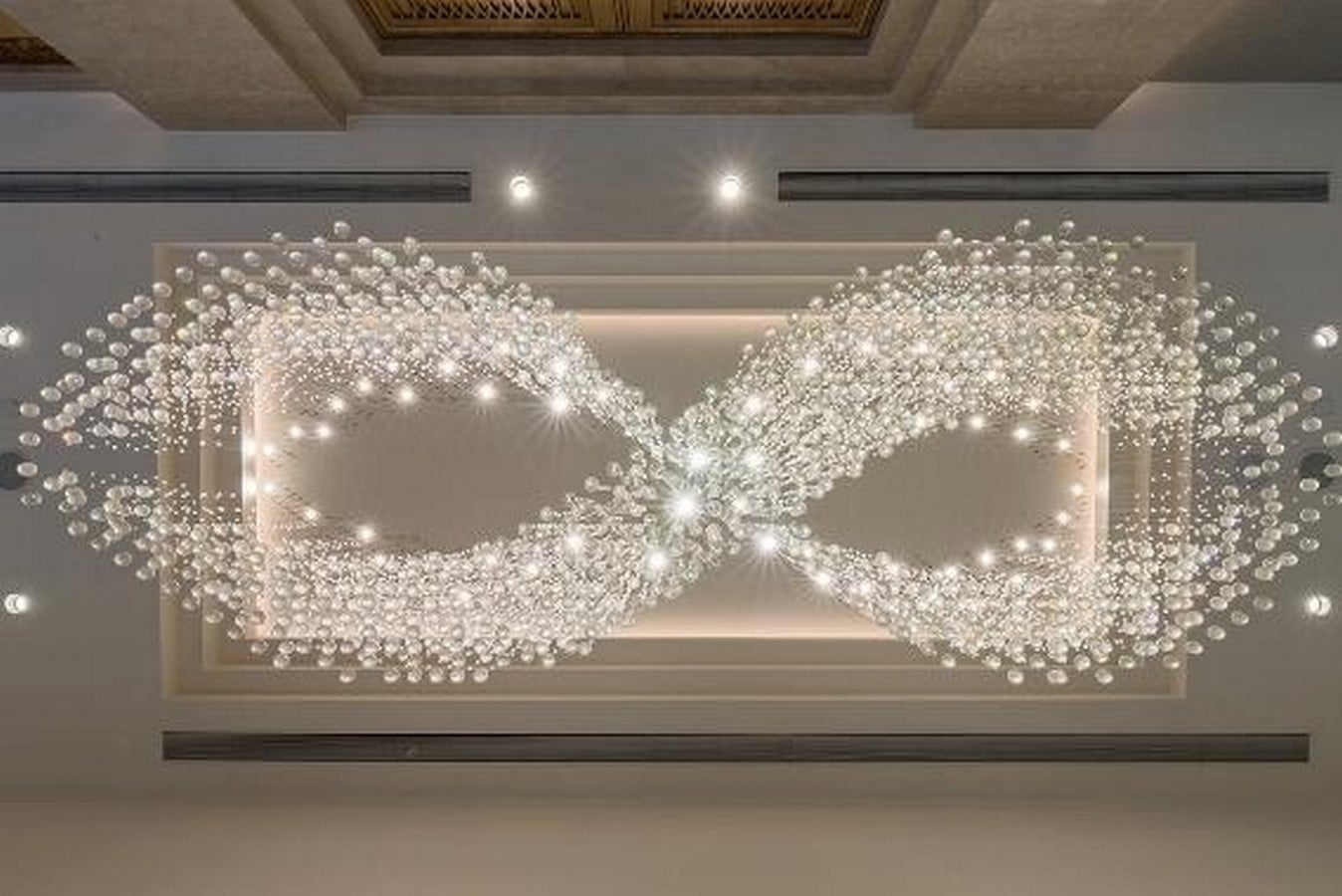
bespoke and collectable lighting pieces that became the foundation of his brand. These works were not just objects; they were cultural statements, bridging heritage and modernity.
Functional Art as Brand Philosophy
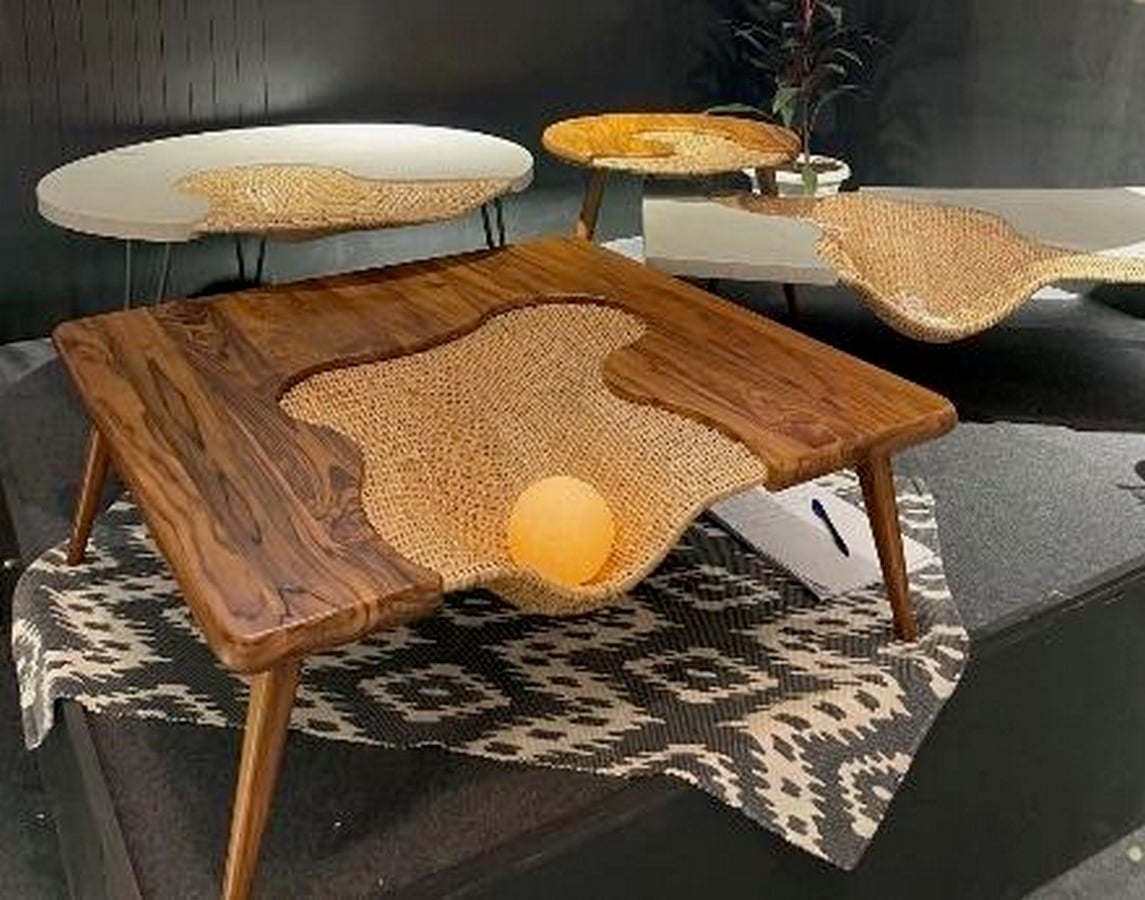
At the core of Arjun Rathi’s brand lies the idea of functional art. His designs are purposeful, solving problems while sparking dialogue. Material exploration and prototyping are not side processes but central to innovation. This adaptability has given the brand resilience, allowing it to thrive in a competitive design landscape.
By weaving traditional craft into contemporary design, Rathi positioned his studio as a cultural mediator. This duality—rooted in heritage yet forward-looking—strengthens the brand’s identity and makes it resonate both nationally and globally


Design Democracy: Expanding the Brand
The evolution of Arjun Rathi Designs is most visible in Design Democracy, a festival and platform celebrating design, craft, and innovation. Here, the brand transcends its studio walls to become a cultural movement.
Design Democracy is not about static exhibitions; it is about conversations. In-booth exchanges between designers, brands, and thinkers create spontaneous, intellectually engaging dialogues. These interactions highlight design as more than surface
aesthetics—they reveal its potential to influence governance, civic participation, and social structures.
Through this initiative, Rathi demonstrates that design can be democratic: accessible, participatory, and transformative. His brand thus becomes a catalyst for reimagining how design intersects with society.
Impact Beyond Practice
Arjun Rathi’s journey illustrates how a brand can evolve from a practice into a platform. His impact extends beyond his own studio: by nurturing the next generation of designers, he fosters a culture of innovation and collaboration.
This trajectory underscores a crucial point: architecture and design are not just about spaces or objects. They are about people, culture, and collective identity. A strong brand, in this context, is not merely a commercial asset—it is a cultural force.
Brands as Living Narratives
What Arjun Rathi Designs demonstrates is that brand identity is never static. It is a living narrative—one that adapts, expands, and sometimes challenges conventional boundaries. The studio’s success, and the cultural resonance of Design Democracy, suggest that investing in brand-building is worthwhile when it is rooted in authenticity, adaptability, and relevance.
Brands, after all, are not just persuasive lifestyle packagers; they are frameworks through which we interpret identity and community. They shape how we connect with culture, how we imagine futures, and how we participate in collective conversations.