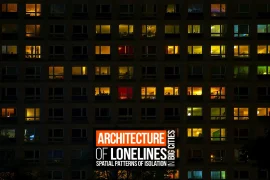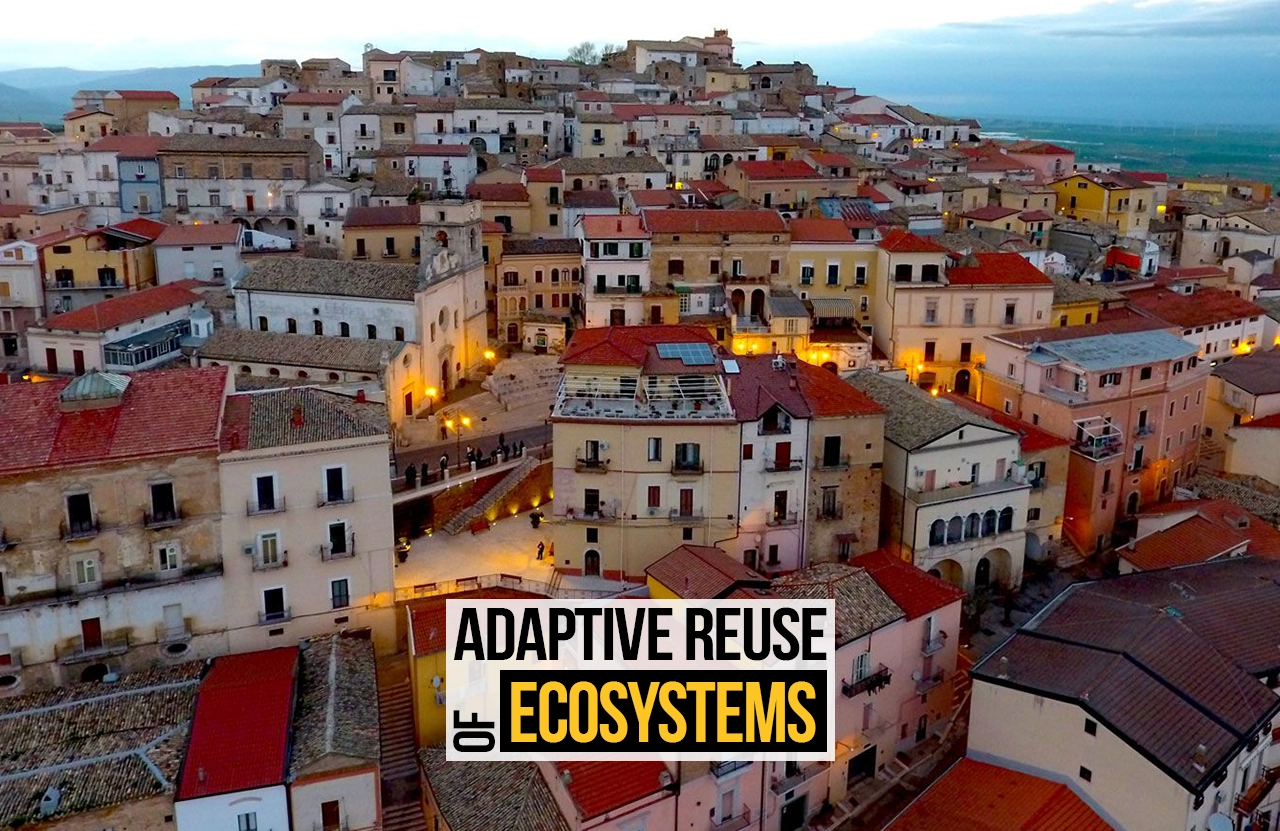
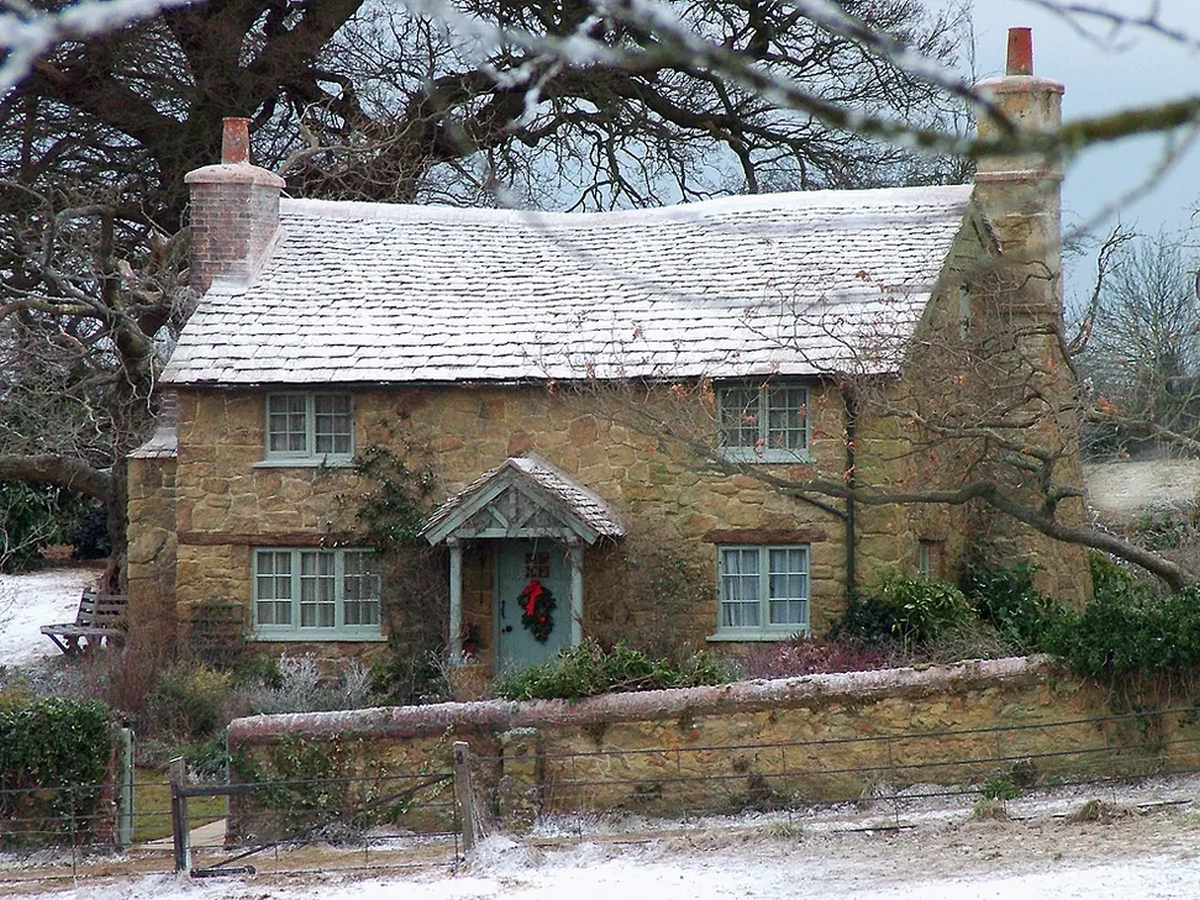
Remember the 2006 cinematic classic The Holiday? In a desperate bid to escape their messy personal lives, an LA movie-trailer producer swaps her automated, sleek glass mansion for a cramped, snow-dusted stone cottage in rural England. It is a delightful, slightly comic romantic fantasy. Strip away the Hollywood glamour, and the premise reveals a deeply rooted spatial urge of the desperate human desire to substitute the hyper-efficient pressures of a modern metropolis for an environment that possesses a historic, tangible soul. Today, this impulse is no longer just a movie plot. It has been scaled up into an aggressive economic strategy that relies on the revival of urban ecosystems to rescue dying spaces.
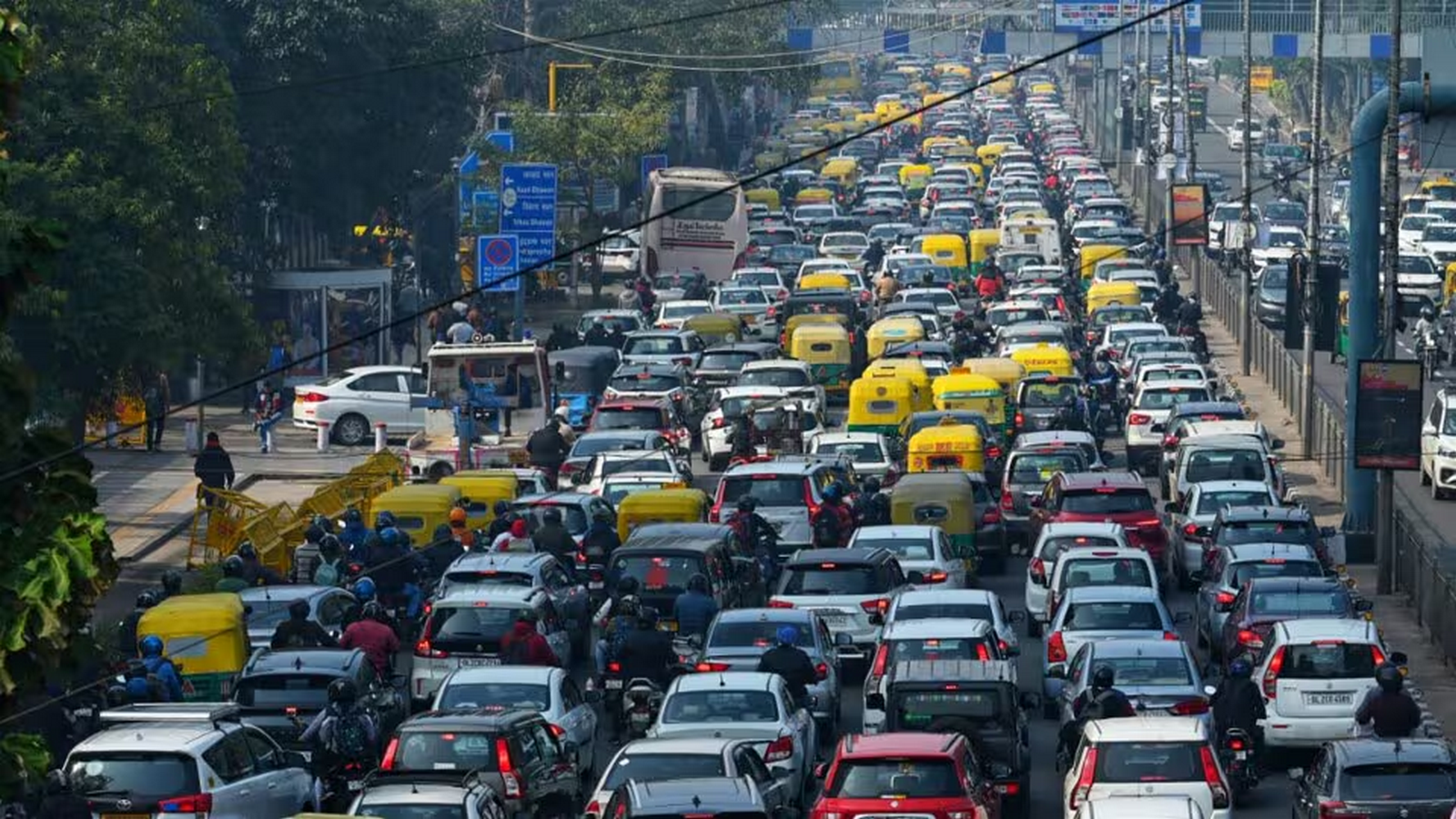
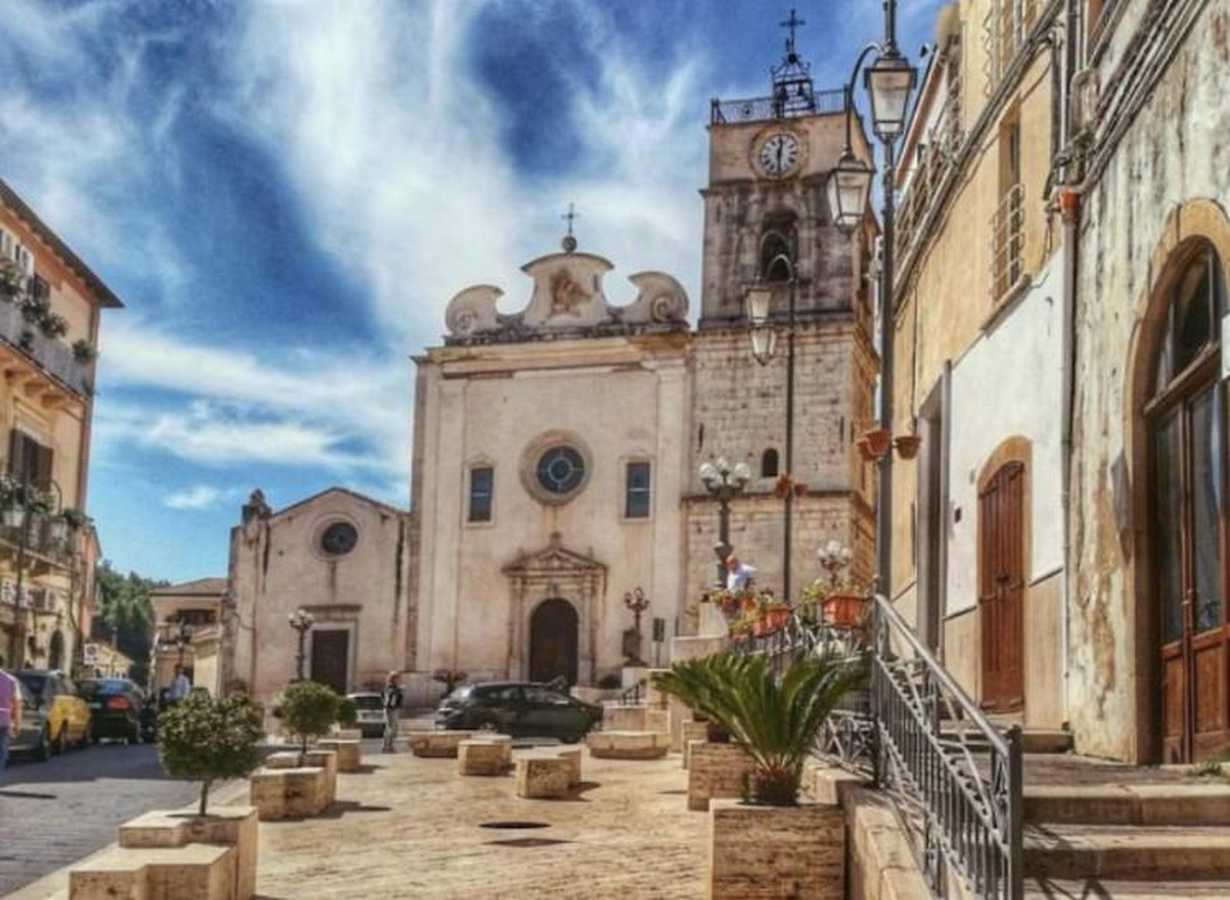
Today’s economy has created a large geographical imbalance. Metro cities choke under the weight of urbanisation while architecturally rich historic towns face extinction. In an attempt to revive these shrinking towns, municipal governments are treating these towns as structural assets. They propose a system built on a radical socio-economic framework that relies on three core stakeholders: the municipalities on the brink of becoming ghost towns, historic architectural signatures and remote knowledge workers. This transaction depends on the recycling of urban ecosystems that facilitate a contemporary design paradox: the marriage between the hyper-digital cloud and the hyper-local stone. By detaching the economic productivity from a physical office space, the system ties modern human work experience into the ancient formats of human settlements.
Scaling the Concentric Zone Model
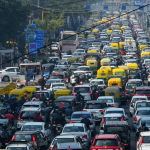
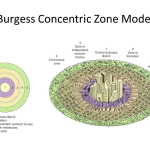
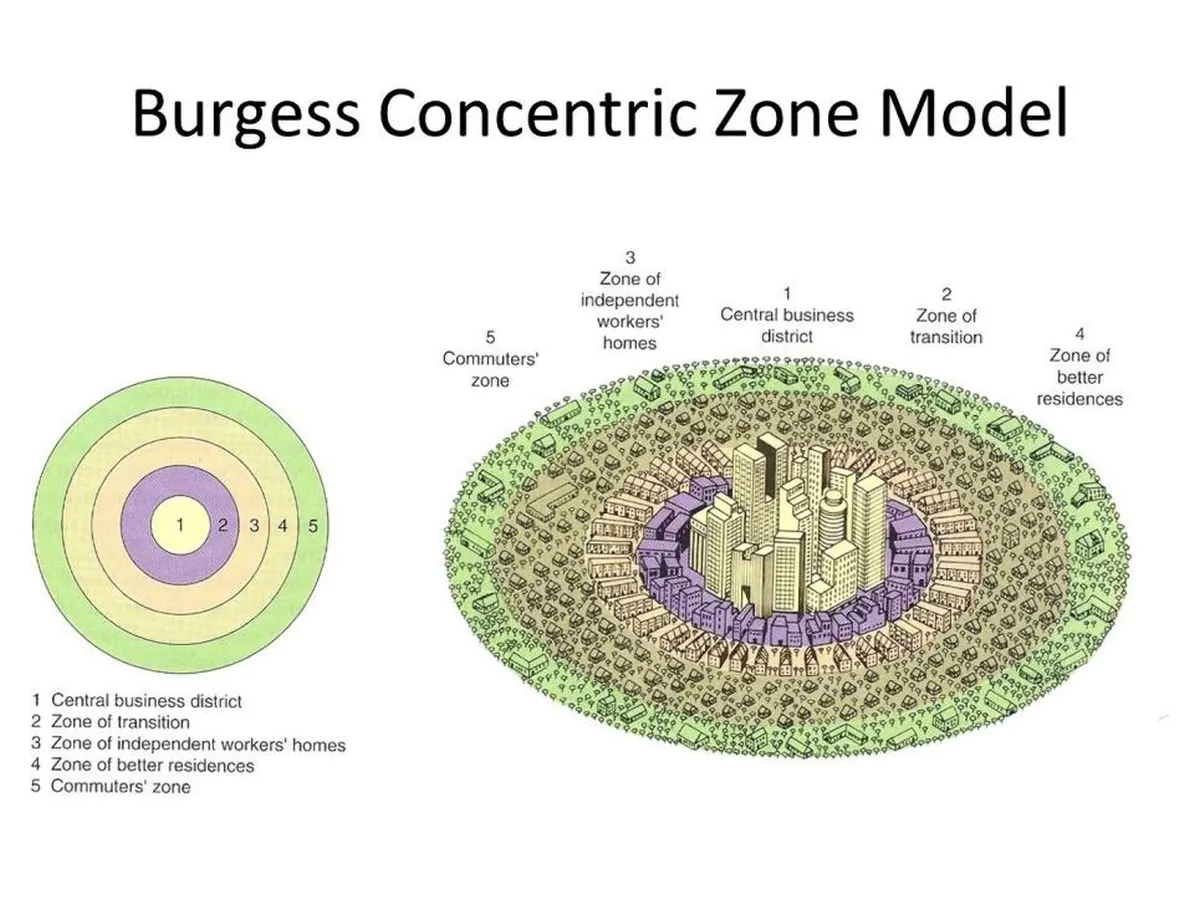
In traditional urban planning, Ernest Burgess’s Concentric Zone Model maps how cities ripple outward from a dense, chaotic Central Business District (CBD) toward the leafy commuter suburbs sought out by the wealthier class seeking quiet and space. Historically, this flight to the suburbs required massive highways and gruelling daily commutes. However, the internet has completely shattered this traditional geometry. The search for a suburban retreat is no longer regulated by a short highway commute to a physical CBD. Through the spatial arbitrage of urban ecosystems, remote workers are executing a global suburban flight across international borders. Instead of choosing a generic, car-dependent modern housing estate, they are adopting ancient, medieval, and vernacular towns as their new suburban sanctuaries.
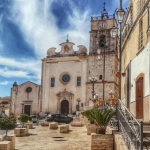
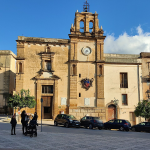
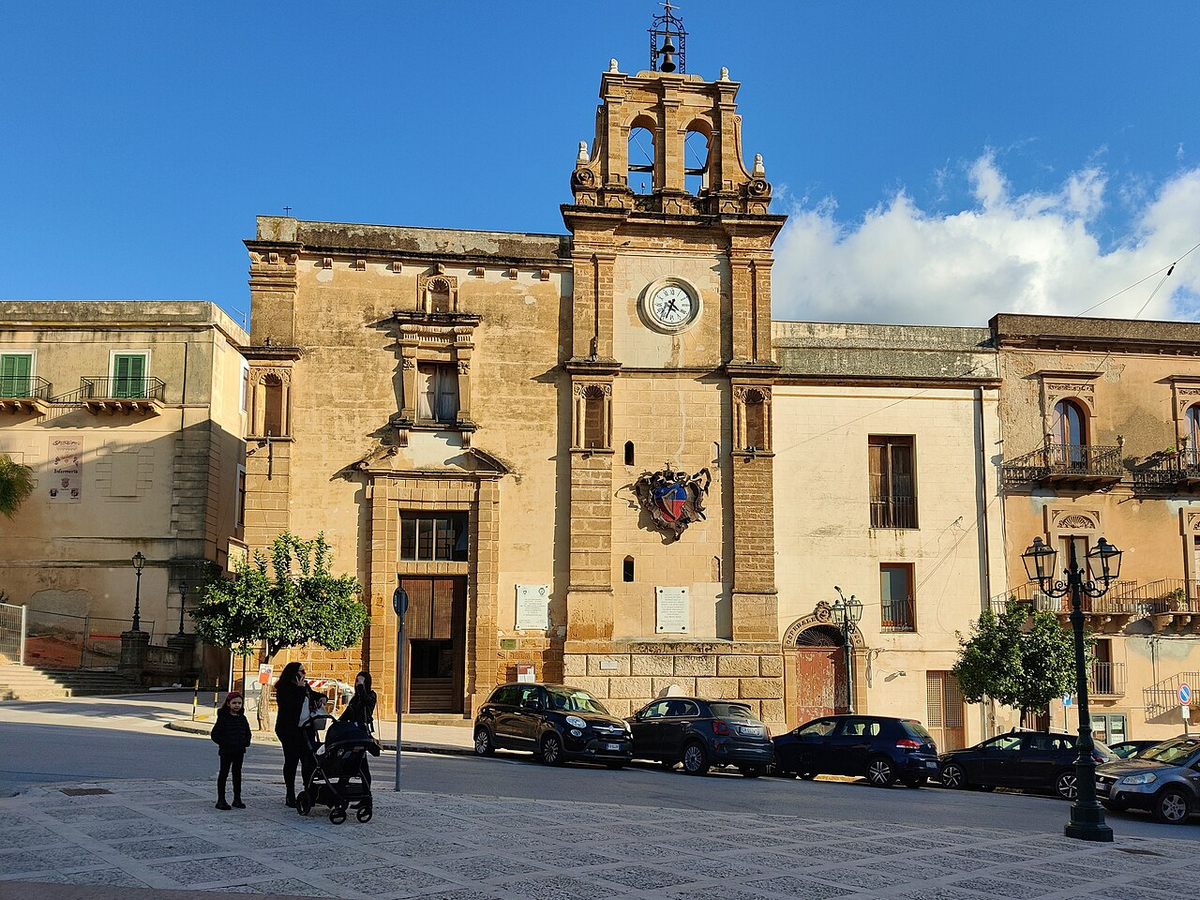
In the sun-bleached hills of Sicily, the famous one-euro property scheme exemplifies this structural recycling as a form of structural triage. Here, the macro-scale migration pattern is encouraged by its local municipalities, employing its architectural relevance as an economic bait. Once the buyers invest in extensive restorations using local tradespeople and traditional materials, they have on their hands, a highly valuable, modernised structural assets that feed into the future of shared economic nodes. Sambuca is a surviving piece of evidence of the Arab-Norman vernacular architecture founded in the ninth century. Its historic centre, the Seven Saracen Alleys, is laid out like a North African Kasbah. The architecture relies on an organic maze of narrow sandstone alleys and cooling hidden courtyards that naturally foster physical proximity and community cohesion, proving highly attractive to unmoored digital workers.
From The Brink Of Ghost Town
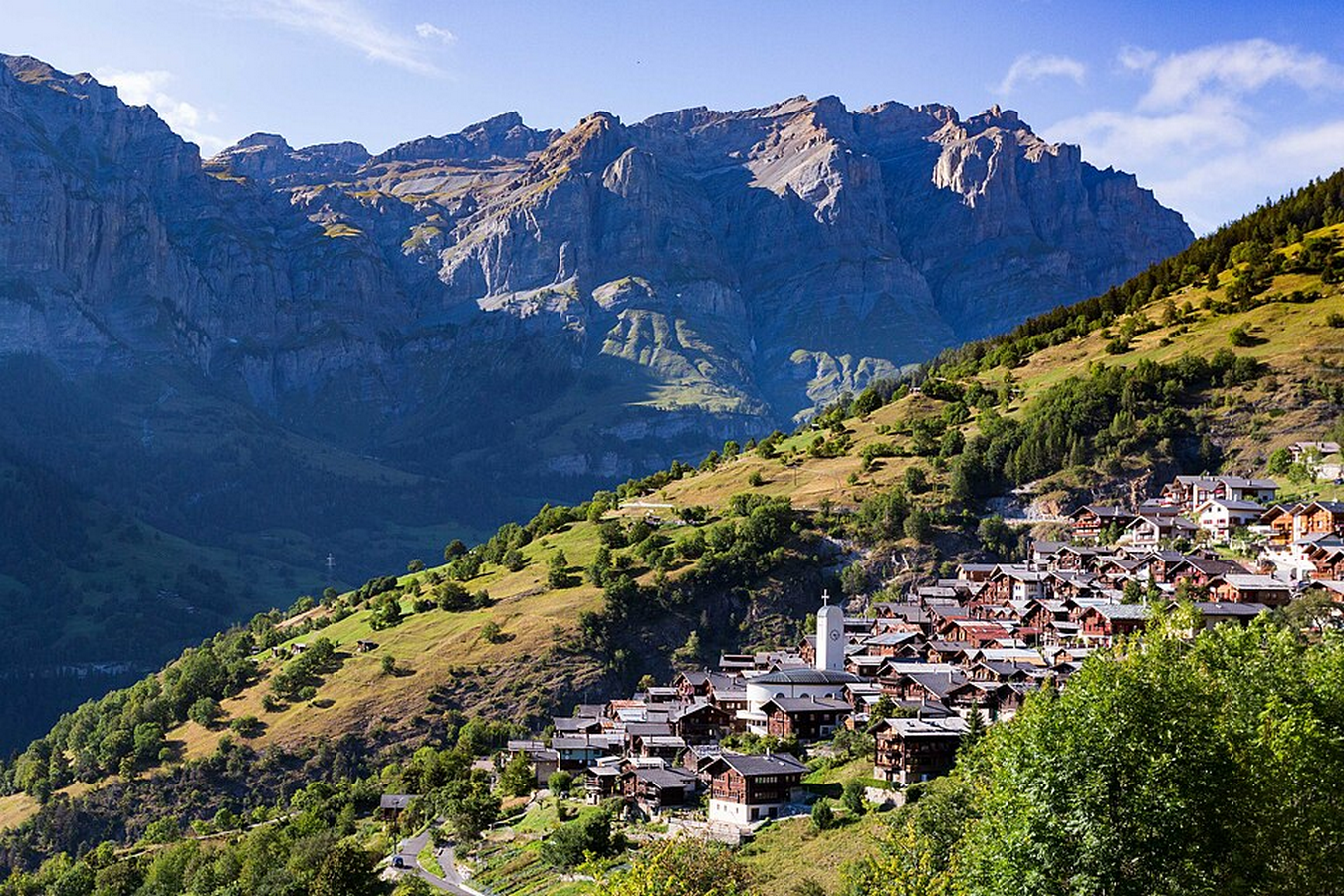
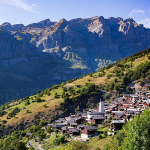
High in the Swiss Alps, a parallel phenomenon occurs. The village of Albinen offers moving grants to young families willing to buy and renovate a home to stave off abandonment. This program explicitly aims at keeping the local schools and public utility grids from being erased due to underuse. Albinen is defined by its exceptionally preserved traditional Valais chalets, centuries-old timber structures built with larch wood blackened by the sun. The structures display brilliant pre-industrial climate-responsive design. They are raised on stone stilts capped with large flat disk stones to prevent rodents from accessing ancient grain stores, while also allowing for subfloor air circulation to mitigate moisture.
The medieval Sicilian alley or the alpine village is more sustainable and psychologically grounding than the fractured, car-dependent modern developments. The physical layouts of these ancient spaces did not fail the human scale. This suggests that the breakdown of these historic towns was less about design and more about an economically centralised system that starved the periphery to feed the core. These towns avoided becoming abandoned ghost towns precisely because the adaptive reuse of urban ecosystems recognises that the historic space holds immense, intrinsic value.
The Sociological Void and the Third Place
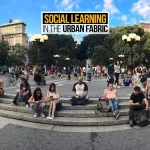
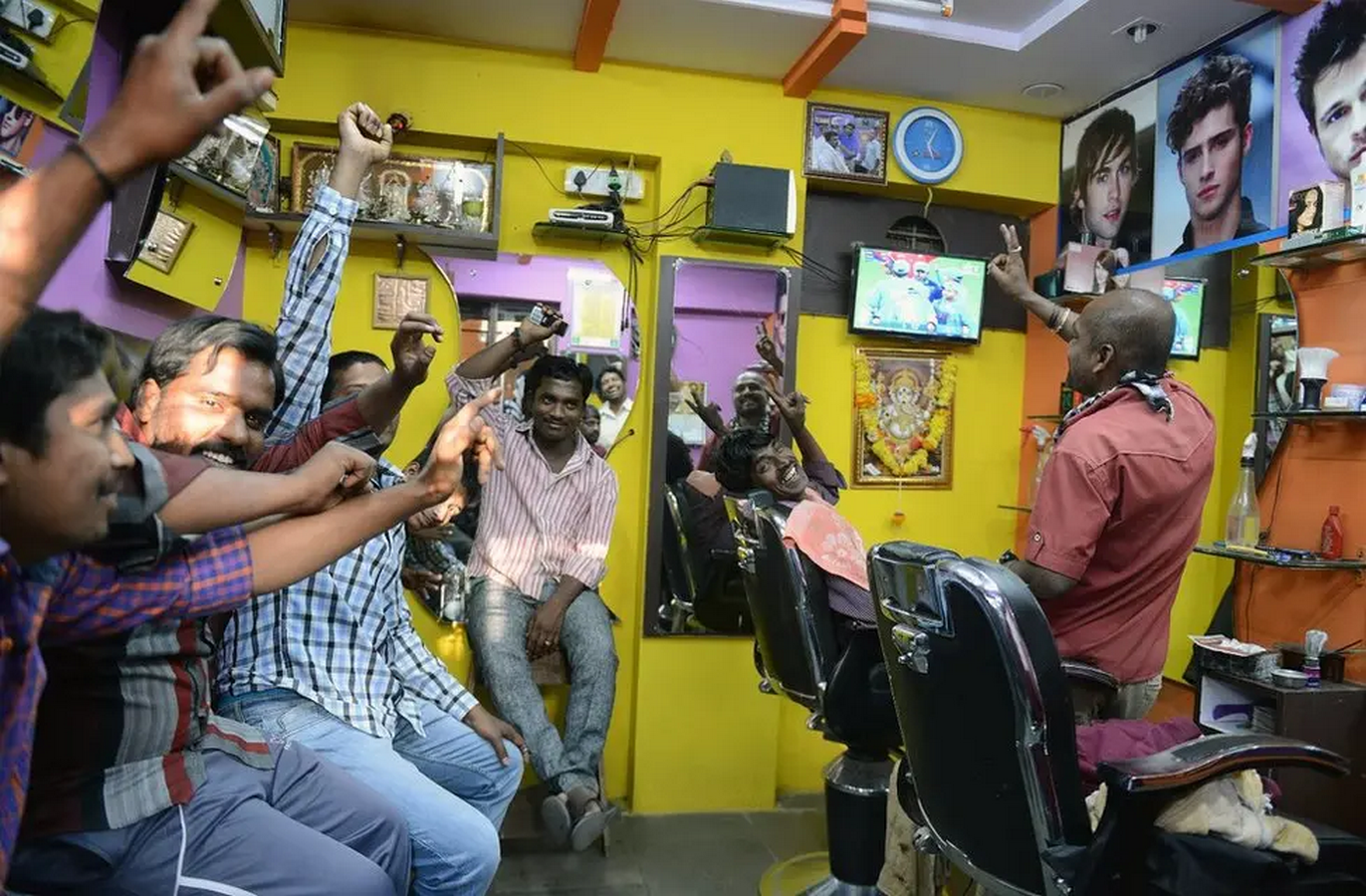
Modern megacities have commercialised, siloed, and completely erased social spaces, leaving urbanites living fast-paced but lonesome lives dominated by transactional encounters. To truly evaluate the long-term viability of the adaptive reuse of urban ecosystems, one must look at sociologist Ray Oldenburg’s concept of the “Third Place”, where those vital social surroundings separate from the two usual environments of home and the workplace. Historic towns are appealing because they possess the physical social infrastructure that today’s master plans choose to forget to build. A medieval village piazza, a vernacular alleyway stoop, or a historic pub are all functional, pedestrian-scale elements of a blueprint for an alternative, community-centric lifestyle that digital workers desperately crave.
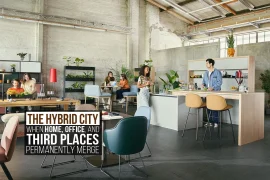
This developing urban system presents a profound opportunity for the future of architectural conservation. The next logical step in the upscale of urban ecosystems goes beyond individual residential relocation; it moves toward a self-sustaining tourism and nomadic ecosystem. New residents enter the system, buy the decaying property, stabilise the historic shell, and systematically renovate the interiors. By integrating modern amenities like high-speed fibre optics, smart energy systems, and adaptive layouts into historic frameworks, they create a network of decentralised live-work spaces that can be utilised as short-term hubs or collaborative nodes for a rotating cohort of future working digital nomads.
A Blueprint for Sustainable Accommodation
This system of adaptive reuse of urban ecosystems provides a viable answer to the global housing and climate crises. It redistributes population density away from bloated megacities, preserves irreplaceable vernacular architectural heritage, and turns crumbling municipal liabilities into high-yield, cross-border community assets. By highlighting their susceptibility to change, the idea reinforces its relevance to problems faced by architects today: building meaningful architecture without excessive expense. By rejecting the modern culture of demolition and infinite suburban sprawl, this methodology proves that the most sustainable way to design the connected communities of the future is to retroactively save, inhabit, and celebrate the spatial architecture of the past. Perhaps it is time to close the laptop and let the real-world house swap begin.
Citations:
(2021) Economic Innovation Group. Tulsa, Oklahoma: Economic Innovation Group. Available at: https://eig.org/wp-content/uploads/2021/11/Tulsa-Remote-Report.pdf#:~:text=a%20highly%20educated%2C%20well%2Dpaid%20cohort%20of%20remote,information%20or%20professional%20and%20scientific%20services%20industries.
Caroline (2025) Get paid to move to Switzerland | travelpirates, Travel Pirates. Available at: https://www.travelpirates.com/captains-log/you-could-get-paid-to-move-to-switzerland (Accessed: 19 July 2026).
Carrigan, R. (2026) 10 countries will pay you to move there (2026 guide), move Buddha. Available at: https://www.movebuddha.com/blog/countries-will-pay-move/ (Accessed: July 2026).
How the €1 Houses Project works (2025) 1Euro Houses. Available at: https://1eurohouses.com/how-it-works-and-benefits/ (Accessed: 19 July 2026).
Oldenburg, R. (1989) The Great Good Place. Berkshire Publishing Group LLC.