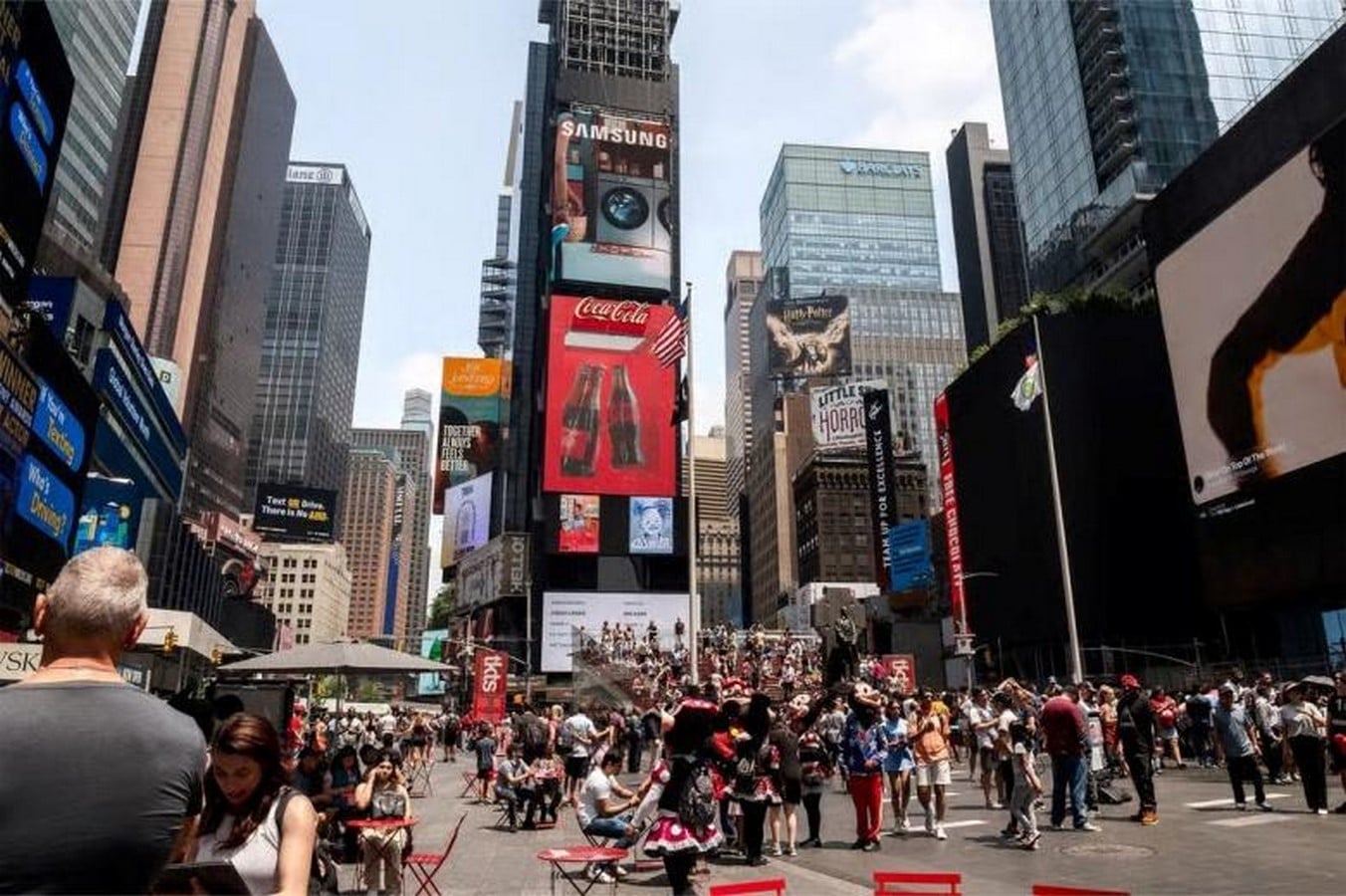
“The trust of a city street is formed over time from many, many little public sidewalk contacts”, said Jane Jacobs. What people simply refer to as a street or a side walk has millions of stories – of chance encounters, friendships and routines. We all have a particular memory registered in our minds from the streets we grew up in: the route to your favourite playground, the road your bus driver took to take you to school, the market street your mom takes you to for shopping groceries, the tea stall outside your tuition, the steps were all friends gathered or the quiet alleys where we met a childhood crush just to say “hi”.
Architecture that we remember is rarely architecture itself. No one remembers the floor plans, facades, or the structural systems. It’s the places in between those structures that carries life. Think of these spaces as ‘theatre’, where the built environments are the actors and the space in between is the stage. A stage where narratives unfold, of children playing alleys, people falling in love on steps, of neighbours who converse through balconies etc.
“Mould clay into a vessel; it is the empty space within that makes it useful.” – Lao Tzu
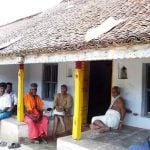
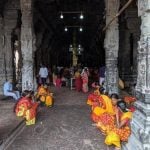
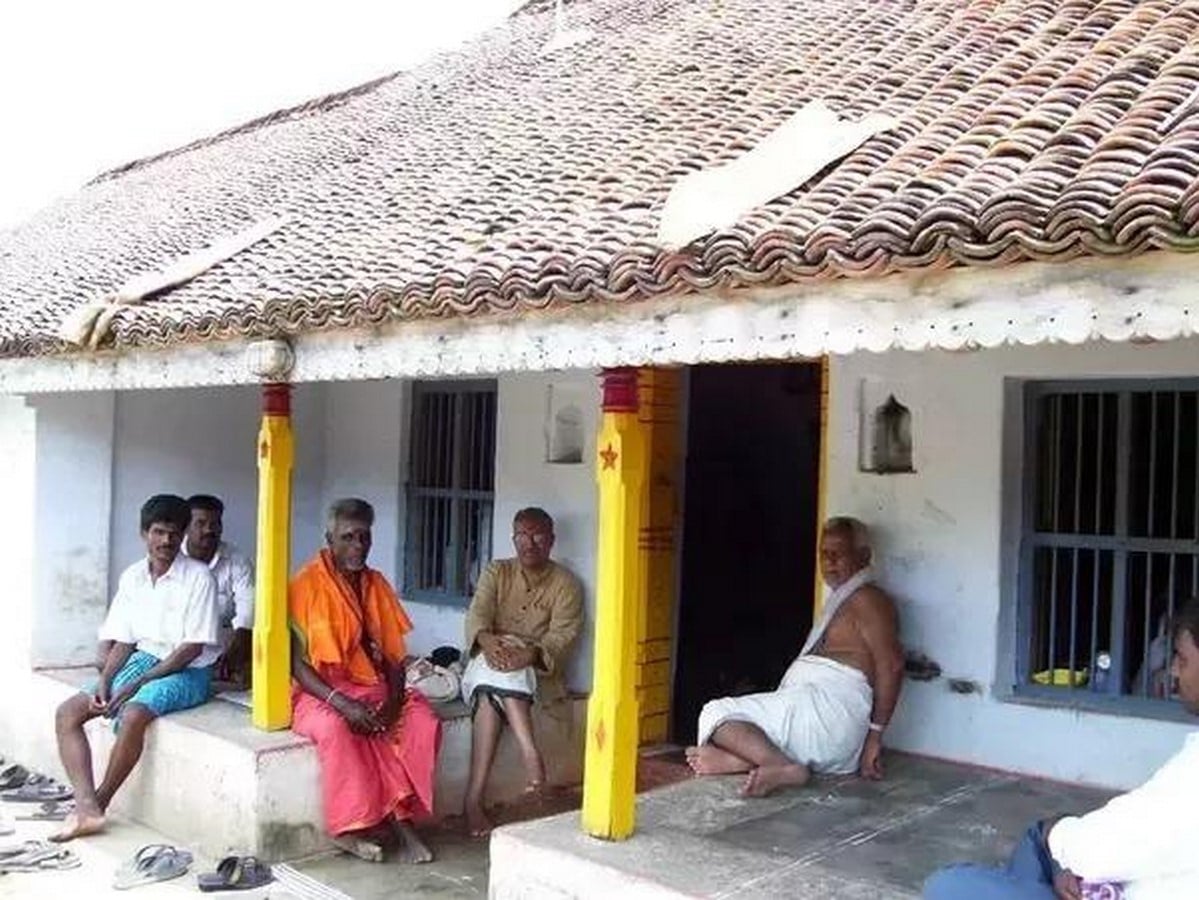
Long before terms such as placemaking, walkability, and social infrastructure entered architectural discourse, traditional settlements across the world recognised the significance of open and in-between spaces. Courtyards, verandas, temple streets, bazaars and communal squares were never residual voids left after construction; they were the very heart of everyday life. The traditional builders knew the importance of the in-between spaces. Tamil houses with thinnai and mutrams, chettinad mansions organized around courts, Islamic architecture with courtyard houses, Greek agoras and Japanese engawa. These places had multiple roles. Thinnai was never inside or outside: temple mandapams belonged to everyone and no one, bazaar streets were dynamic that changed during festivities.
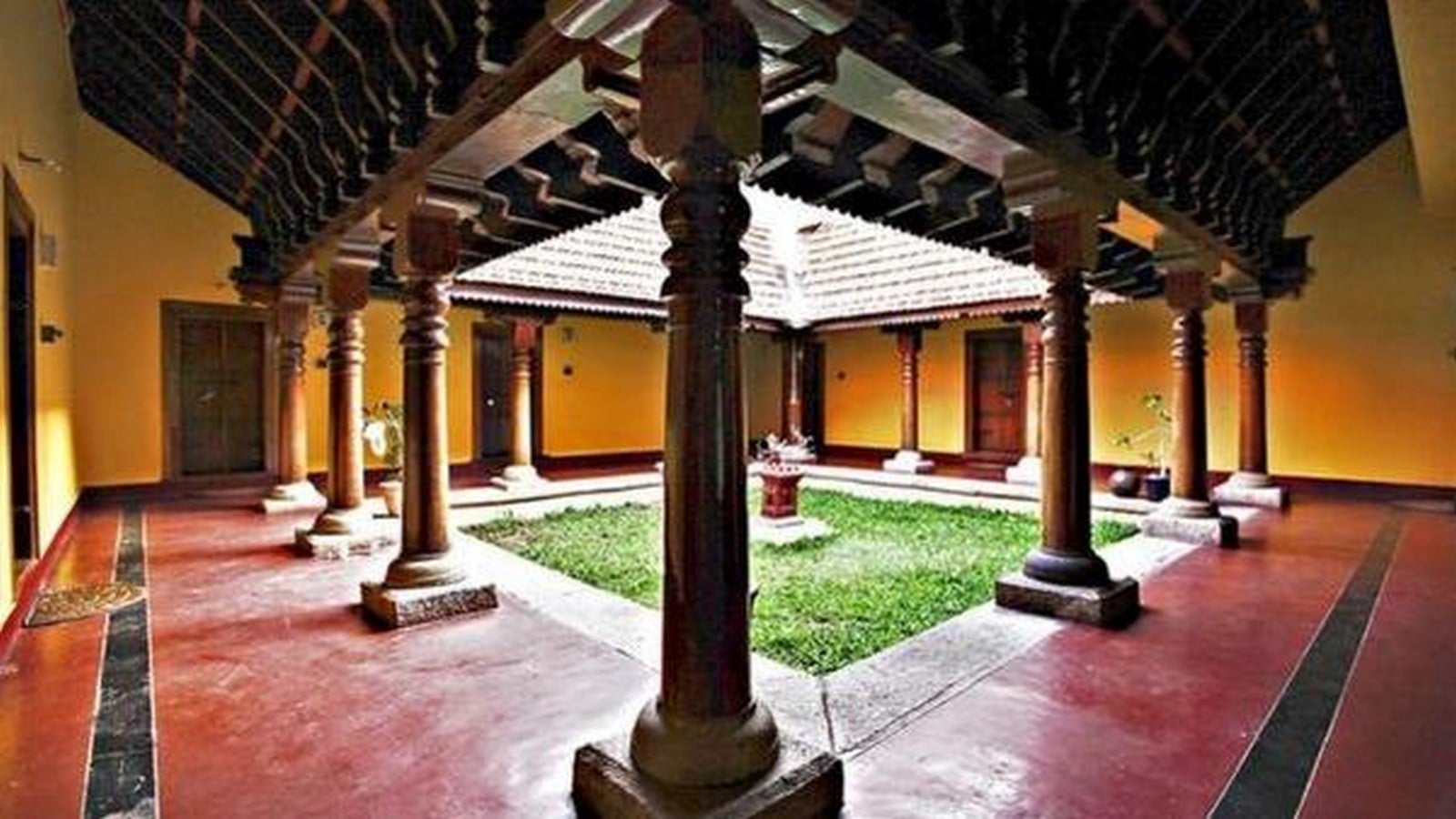
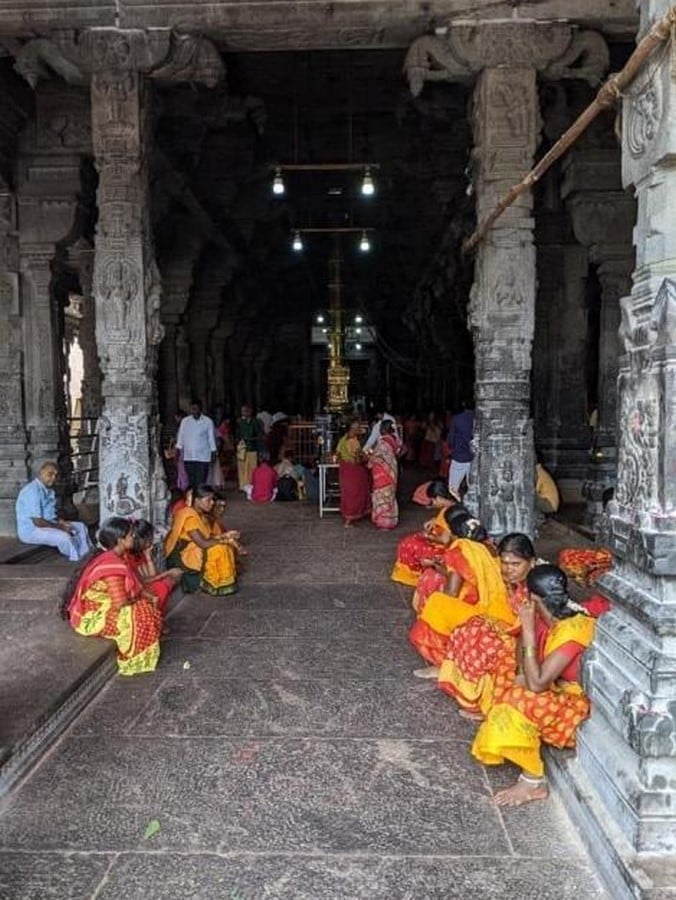
Just as a sculptor carves stone to reveal form, an architect carves meaningful voids out of matter. Architecture is not merely the construction of walls but the shaping of emptiness. Yet contemporary practice often forgets this art. Developers and builders, constrained by regulations, economics, and efficiency, frequently reduce these spaces to leftovers rather than treating them as essential components of collective life.
This raises a fundamental question: who are we truly building for?
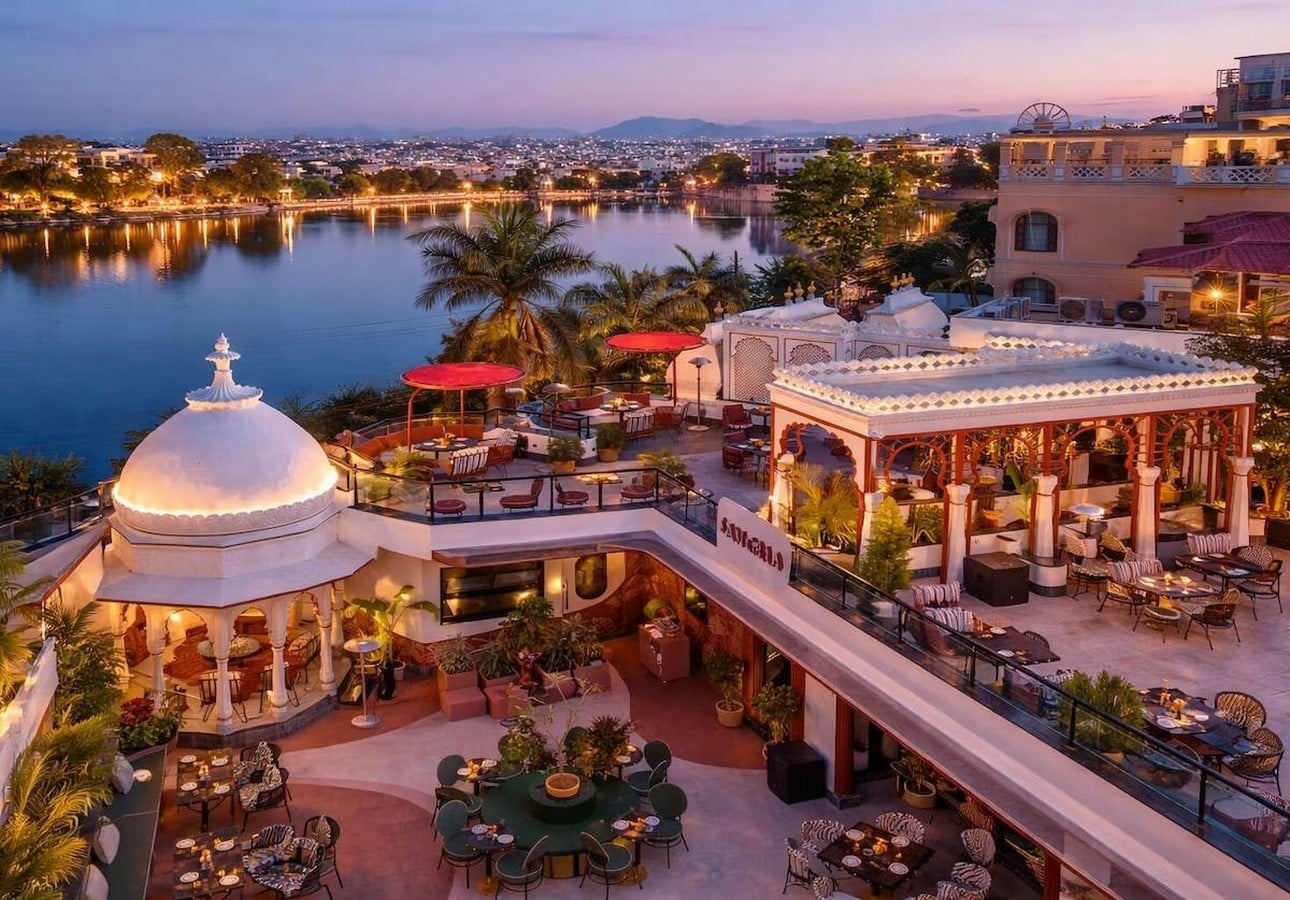
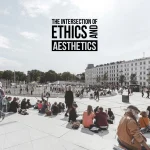
Today, we see a lot of politics around the empty spaces – restricted streets, privatised parks, exclusive beaches, pools. Who really owns these places in the first place? We have gated communities that privatize the thresholds, malls that replace the urban squares and elevated pathways or subways that separate people from the street life. The “eyes on the street” celebrated by Jane Jacobs, drastically reduces making the streets unsafe and dead.
Traditionally, the streets belonged to the communities, the courtyards gave life to collective living and market squares fostered democracy. So, this struggle over urban voids is fundamentally a struggle over citizenship and collective life.
You see- it is time, not space, that creates places. Imagine your nearby market in the mornings: the milk booth where people are queued, the newspaper shop giving instructions to the paper boy, the flower seller preparing garlands and sprinkling water over the fresh flowers. Imagine your childhood playground in the afternoons: kids playing, laughing, falling down, someone hit a six. Now imagine a small street corner at night: push carts with food, people on their night walk, some jogging, some grandparents playing with their grandkids.
Or simply imagine your street during festivals and celebrations like Christmas, Diwali, Pongal etc. the same streets carry different identities. These temporal identities are what makes the voids a true repository of memories. Places are not defined solely by form but by repeated acts of living.
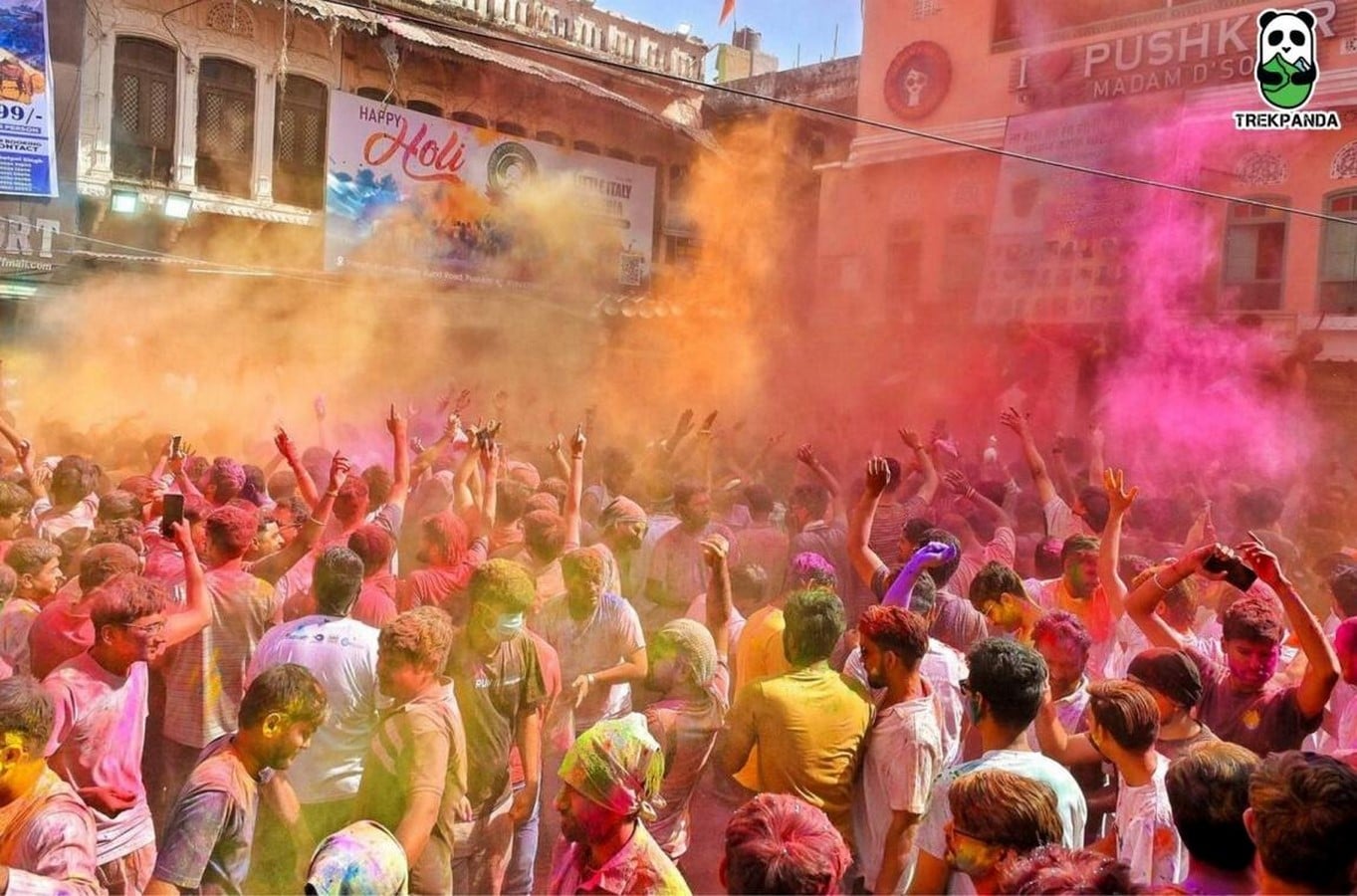
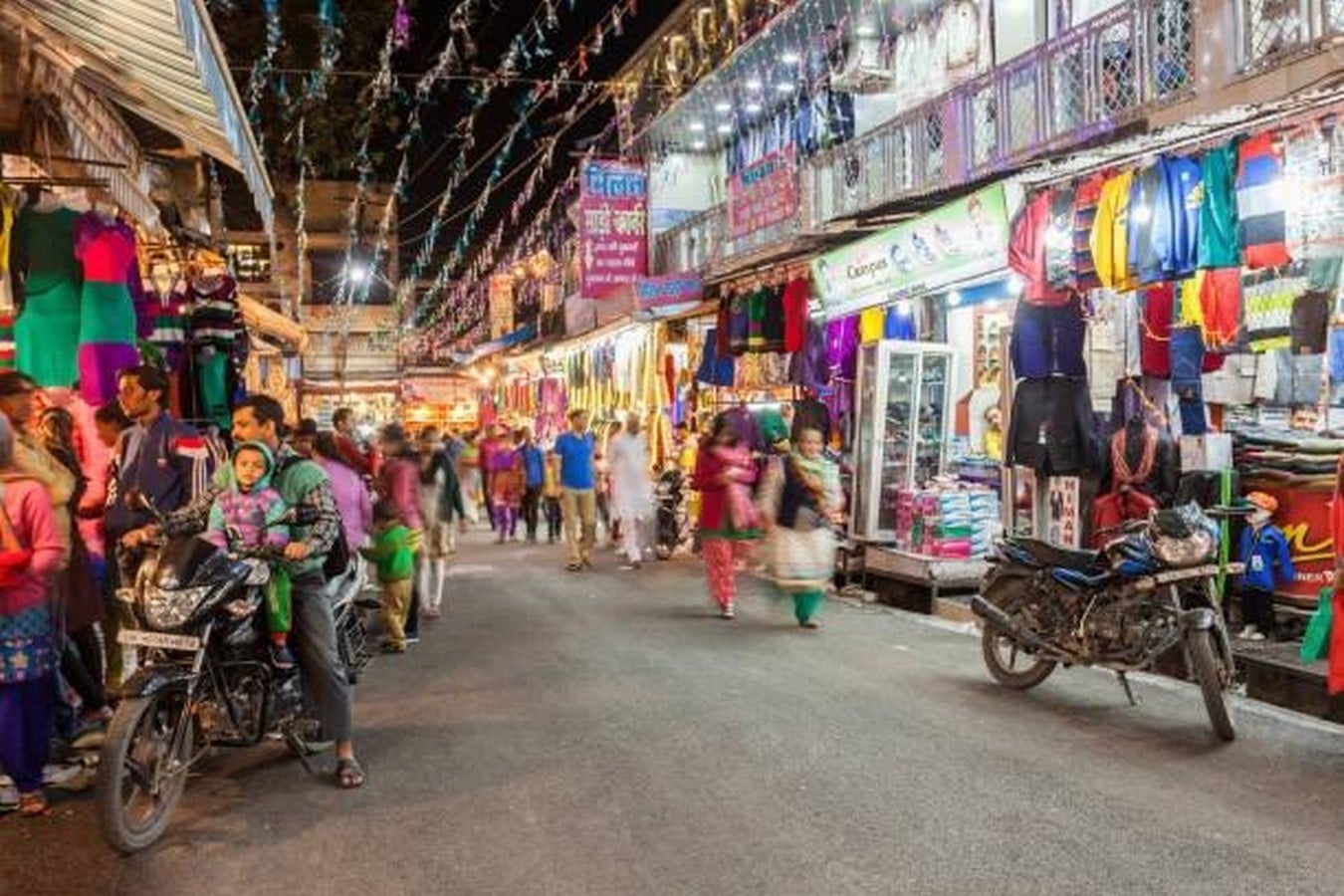
So why are we compensating with the emotional quality of our built environments and cities? Why cannot we give spaces that create opportunities? An opportunity to: meet, talk, notice, rest, perform, sell, fall in love, make memories.
Ancient architectural wisdom understood that building was fundamentally about shaping emptiness rather than merely constructing enclosure. Have we forgotten that lesson? We lament loneliness in our apartments and cities, yet many people do not know their neighbours. Some cannot even describe a route through the very places in which they have spent their entire lives.
When the voids start disappearing, so does the community.
Like Jan Gehl said, “First life, then spaces, then buildings – the other way around never works.”
Perhaps the true meaning of architecture is not about the built, it is about the life that unfolds between them. Places where the city breathes, strangers become friends, and ordinary moments become memories. If we wish to build humane and people centric cities, we should focus on the in-betweens. For in the end, architecture is not merely about constructing objects in space – it is about creating places where life can happen.