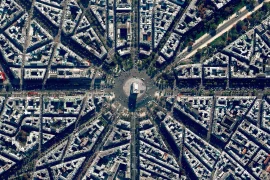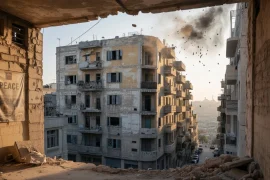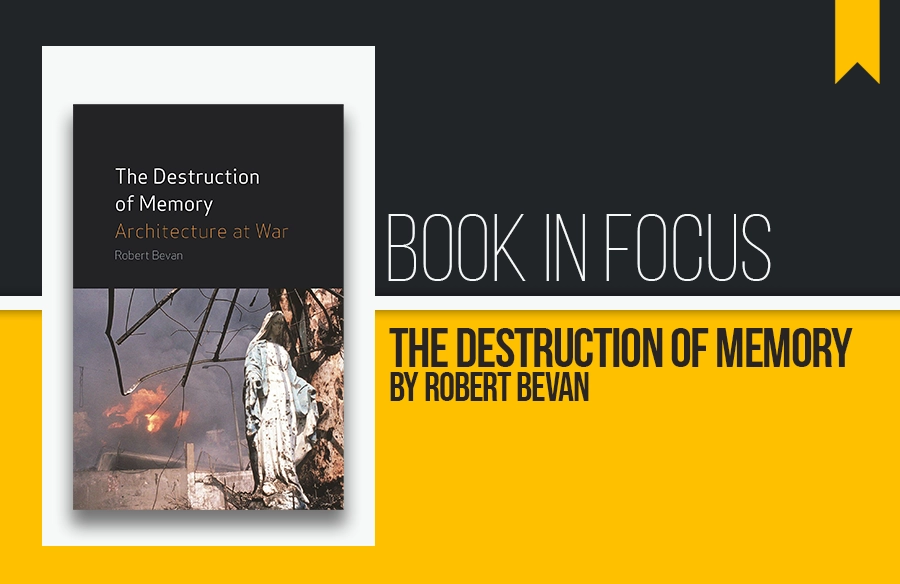
Architecture is a deliberate target in war. We see a massive erasure of physical spaces that creates a deadly destruction as a byproduct of war, but in actuality, the architectural targets are more than just to cause destruction.
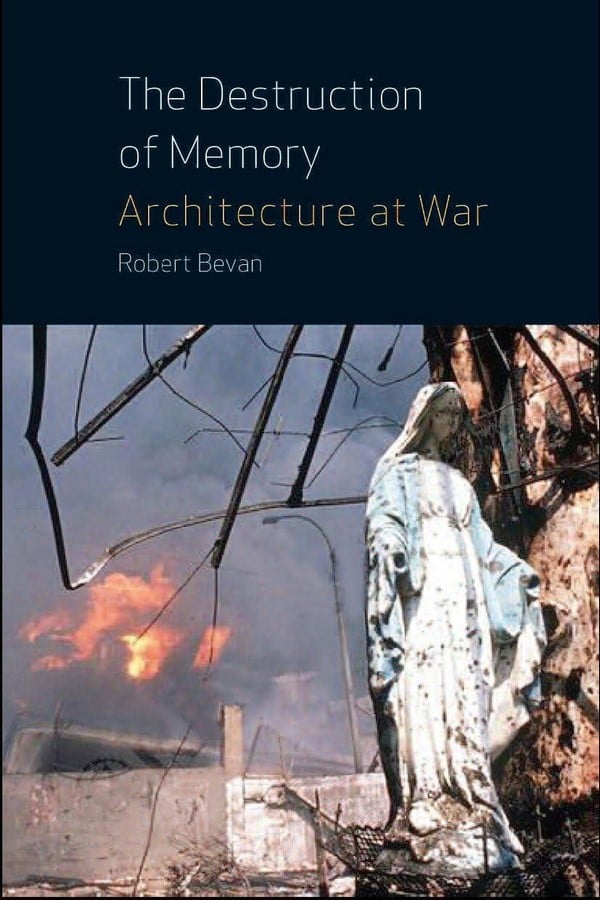
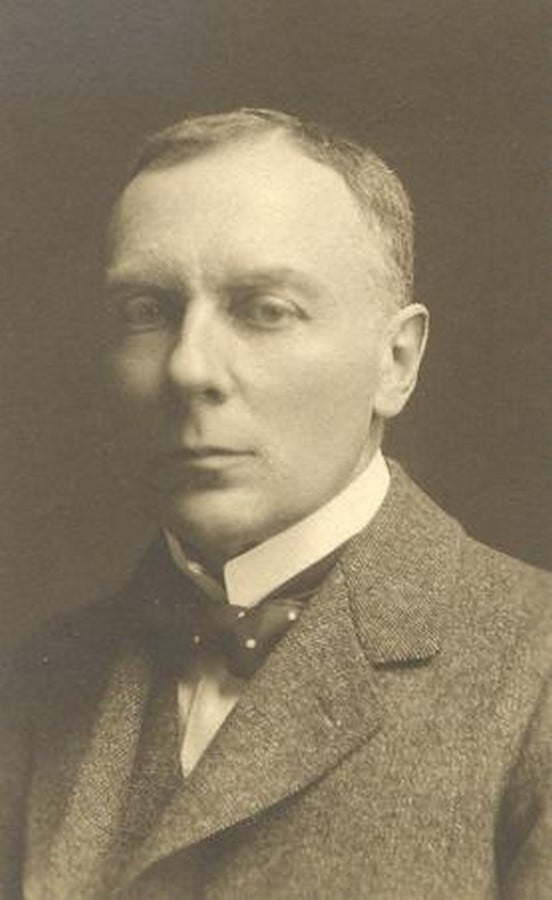
In his book, The Destruction of Memory: Architecture at War, Robert Bevan has profoundly examined and explained Iconoclasm-the intentional destruction of architecture, monuments, and monuments during wars and Memoricide- a concept of erasing memory through demolishing or eradicating memories and their association with a place. He argues that the erasure of a people’s landmarks is not just damage caused due to fighting or a byproduct of war, but a calculated strategy aimed at eliminating their identity, history, and collective memory.
“Here architecture takes on a totemic quality: a mosque, for example, is not simply a mosque; it represents to its enemies the presence of a community marked for erasure. A library or art gallery is a cache of historical memory, evidence that a given community’s presence extends into the past and legitimizes it in the present and on into the future. In these circumstances structures and places with certain meanings are selected for oblivion with deliberate intent. This is not ‘collateral damage’.This is the active and often systematic destruction of particular building types or architectural traditions that happens in conflicts where the erasure of the memories, history and identity attached to architecture and place – enforced forgetting – is the goal itself. These buildings are attacked not because they are in the path of a military objective: to their destroyers, they are the objective.”
-Robert Bevan, “Introduction: The Enemies of Architecture and Memory,” in Destruction of Memory: The Architecture of War.
The author says that buildings are more than just stone and mortar; they are active repositories of a culture’s history and values. Because architecture stabilizes collective identity, targeting it means attacking the people themselves. The concept of Cultural Cleansing is part of the book. Erasing a group’s physical footprint is often a precursor to, or a component of, ethnic cleansing and genocide. If you destroy the evidence that a group ever lived in a place, it becomes much easier to deny their historical claims to it.
The book spans various geographies and eras to demonstrate how systematic cultural destruction spans across regimes and ideologies, such as the Holocaust and Kristallnacht. The Nazis targeted synagogues not just as religious spaces, but as symbols of Jewish existence in Germany, foreshadowing the physical genocide that followed. The Balkan Wars (1990s) are also covered. Bevan looks closely at the deliberate damaging of the National Library in Sarajevo and the historic Mostar Bridge (Stari Most) in Bosnia. These attacks were explicitly designed to shatter the multicultural fabric and shared history of the region. The example of the Israeli war on Palestine. The book discusses the weaponization of urban planning, archaeological curation, and the demolition of homes to reshape national narratives, and many cases of Colonialism and Imperialism are included within his discussion. Examples include the systematic rebuilding of indigenous landscapes by colonial powers to impose a new cultural hegemony (e.g., building Spanish churches directly on top of Aztec temples).
Bevan describes how regimes use the built environment post-destruction, which is forced Amnesia. Replacing destroyed structures with parking lots, parks, or entirely different architectural styles to ensure the original culture cannot be brought to life again. Another strategy of forcing a state’s own objectives is Selective Reconstruction. When rebuilding does occur, it is often weaponized to serve a specific nationalistic narrative, deliberately ignoring or manipulating complex historical truths.
The book criticizes the international community’s response to cultural destruction. While treaties like the 1954 Hague Convention exist to protect cultural property during armed conflict, Bevan argues they are either toothless or enforced too late. He advocates for prosecuting the deliberate destruction of cultural heritage as a crime against humanity, arguing that an assault on the cultural achievements of one group is a loss for all of humanity.
“The destruction of the built environment is an assault on the very identity of a people. To lose your architecture is to lose the physical anchor of your memory.” -Robert Bevan, in Destruction of Memory: The Architecture of War.
The overall book is written in depth, discussing the key concepts of memory erasure and cultural genocide with the physical destruction of a place. Bevan meticulously explains how physical, spiritual, psychological, and cultural aspects of a place are interconnected. The examples from different eras and regions are also selected so that readers can easily grasp the concepts throughout and refer to them.