Millions of visitors travel to Barcelona every year in search of Antoni Gaudí. Some arrive for the soaring spires of the Sagrada Família, while others wander through colourful parks or admire unusual apartment buildings tucked along busy streets. What many people do not realise is that UNESCO recognised not one masterpiece but seven works that together tell the story of an architect who refused to separate structure from nature, engineering from art, or imagination from everyday life. More than a century later, Antoni Gaudí continues to inspire architects because his buildings still feel remarkably ahead of their time.
Why UNESCO Recognised Antoni Gaudí’s Work
When UNESCO added the works of Antoni Gaudí to its World Heritage List, it recognised far more than beautiful buildings. His architecture challenged the conventions of nineteenth-century Europe.
While many architects relied on symmetry and historical imitation, Gaudí explored forms inspired by trees, caves, mountains and the human body. He united structure, decoration and function into a new architectural language that continues to influence architects and researchers worldwide.
Casa Vicens: The Beginning of an Extraordinary Journey
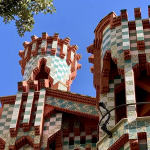
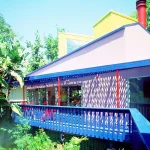
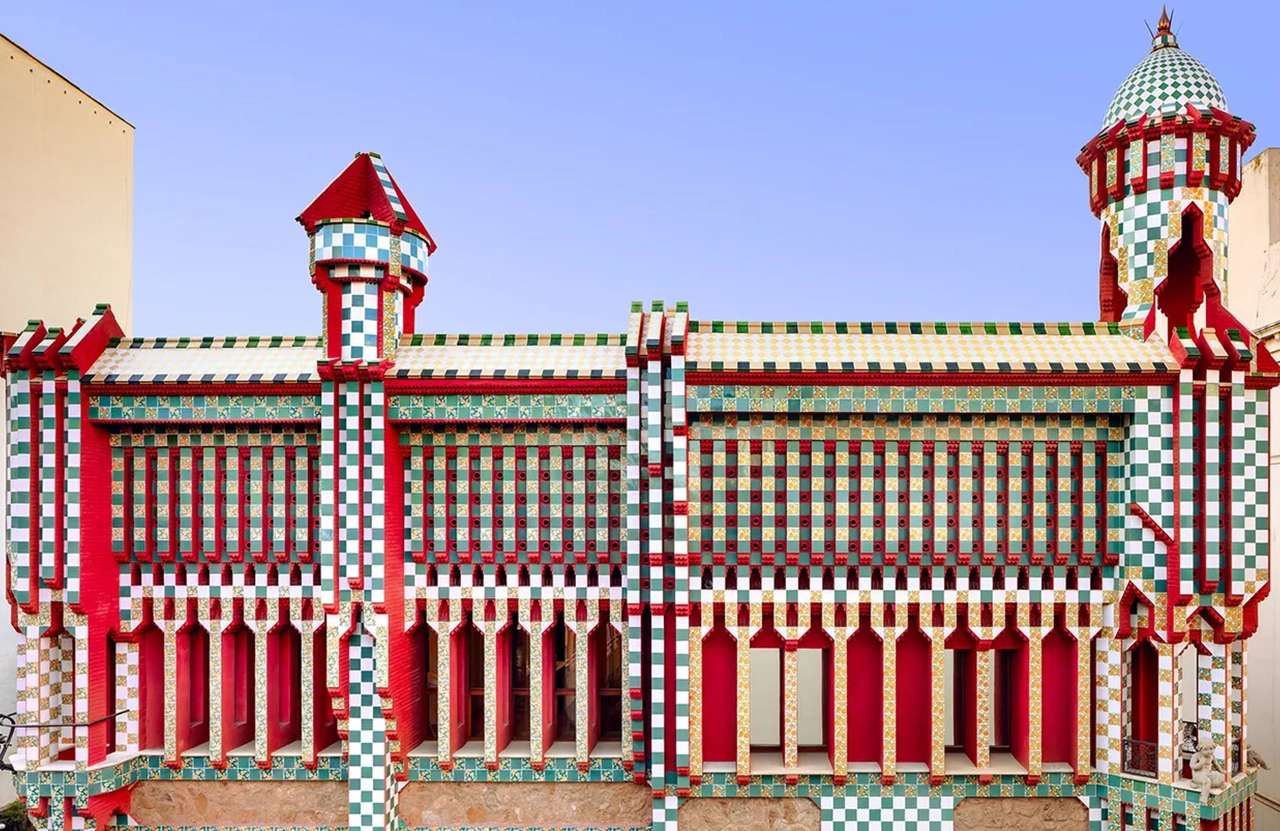
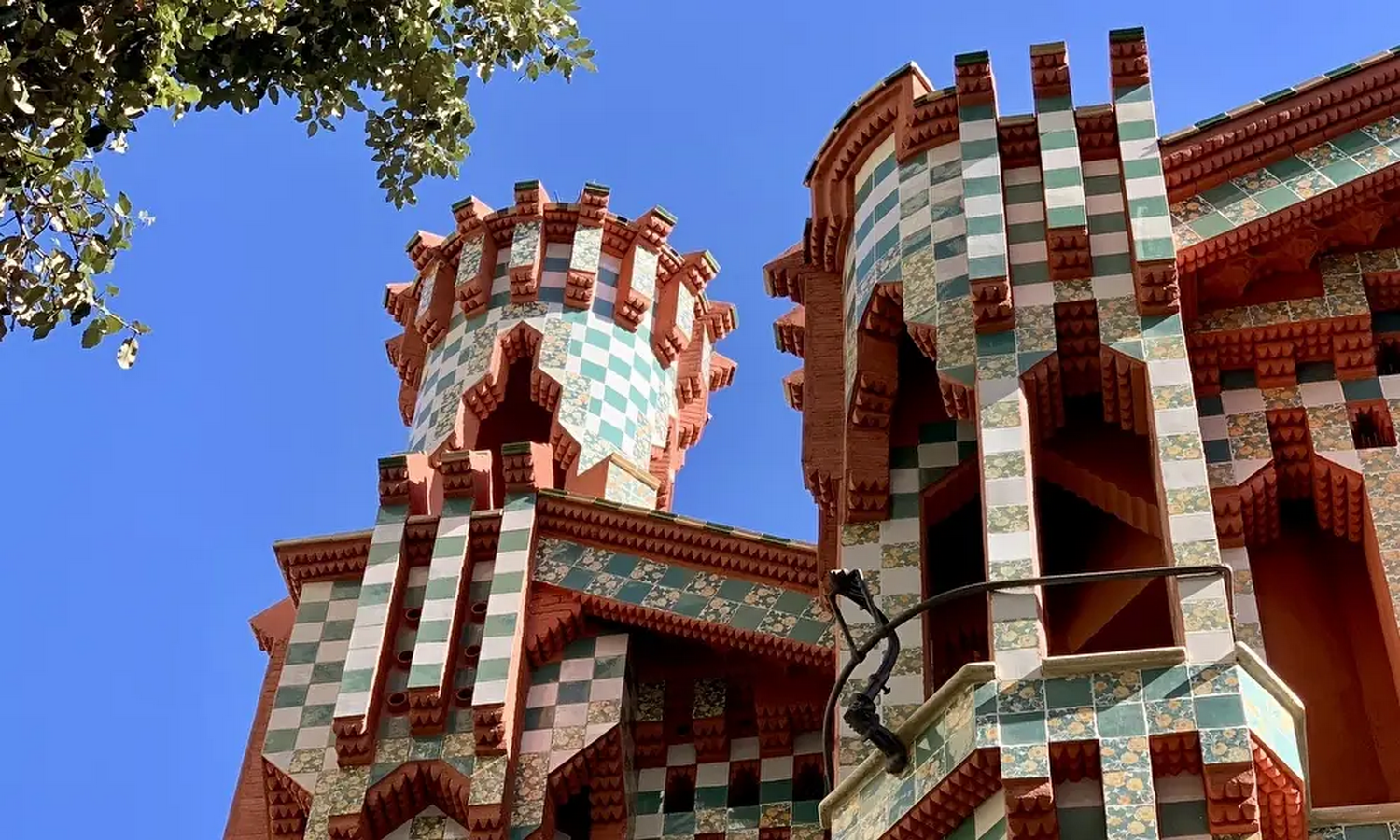
Every architect has a project where their philosophy first becomes visible. For Antoni Gaudí, that building was Casa Vicens.
Designed as a summer residence, it challenged convention through vibrant ceramic tiles, colourful façades and intricate ironwork. Rather than treating decoration as an addition, Gaudí allowed every material to shape the building’s identity. Casa Vicens introduced themes that would define his career: craftsmanship, nature and meticulous attention to detail.
Park Güell: Turning Landscape into Architecture
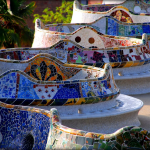
Few public spaces blur the line between architecture and landscape as successfully as Park Güell.
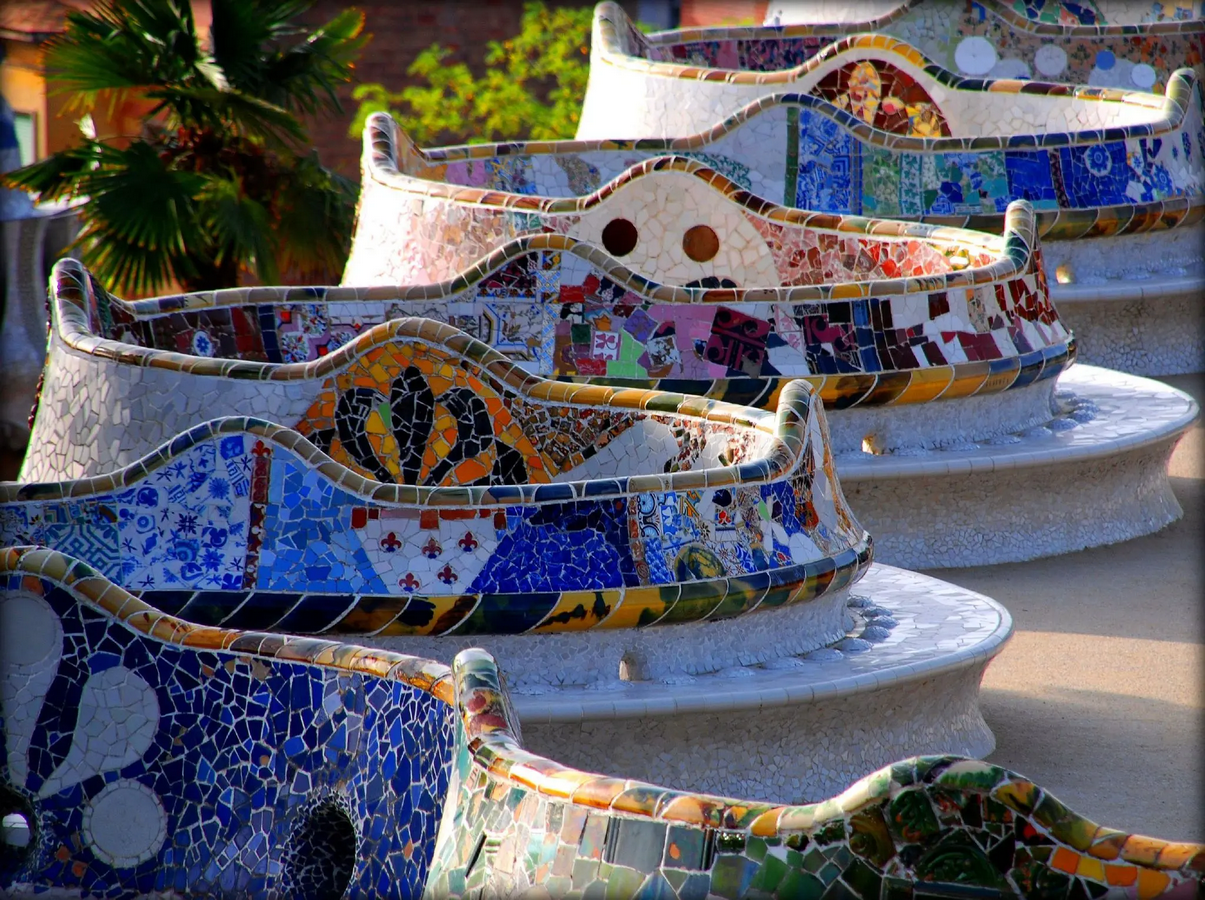
Rather than imposing buildings on the site, Gaudí worked with the natural terrain. Curving pathways follow the hillside, while stone columns resemble tree trunks. The famous mosaic bench encourages conversation while framing panoramic views across Barcelona.
More than a colourful park, it demonstrates how architecture can work with nature instead of dominating it.
Palau Güell: Innovation Behind a Historic Façade
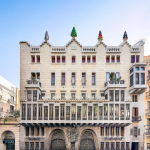
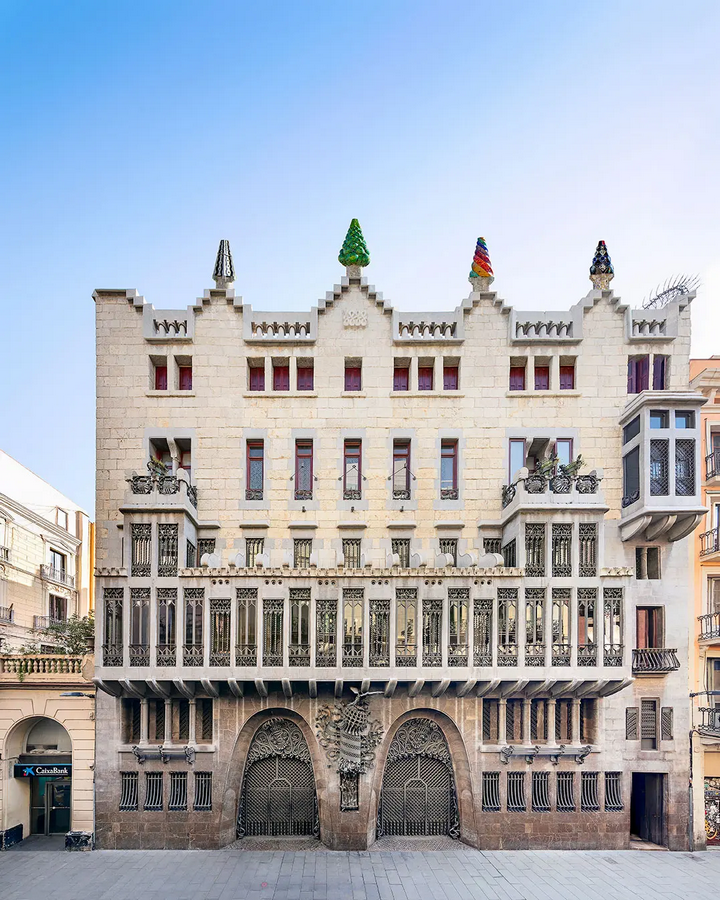
Located within Barcelona‘s historic centre, Palau Güell appears restrained from the street, but its interior reveals remarkable innovation.
A dramatic central hall beneath a parabolic dome draws natural light deep into the building, while ventilation and circulation were carefully integrated long before environmental performance became a design priority. Even the rooftop chimneys became sculptural features.
Casa Batlló and Casa Milà: Reinventing Urban Housing
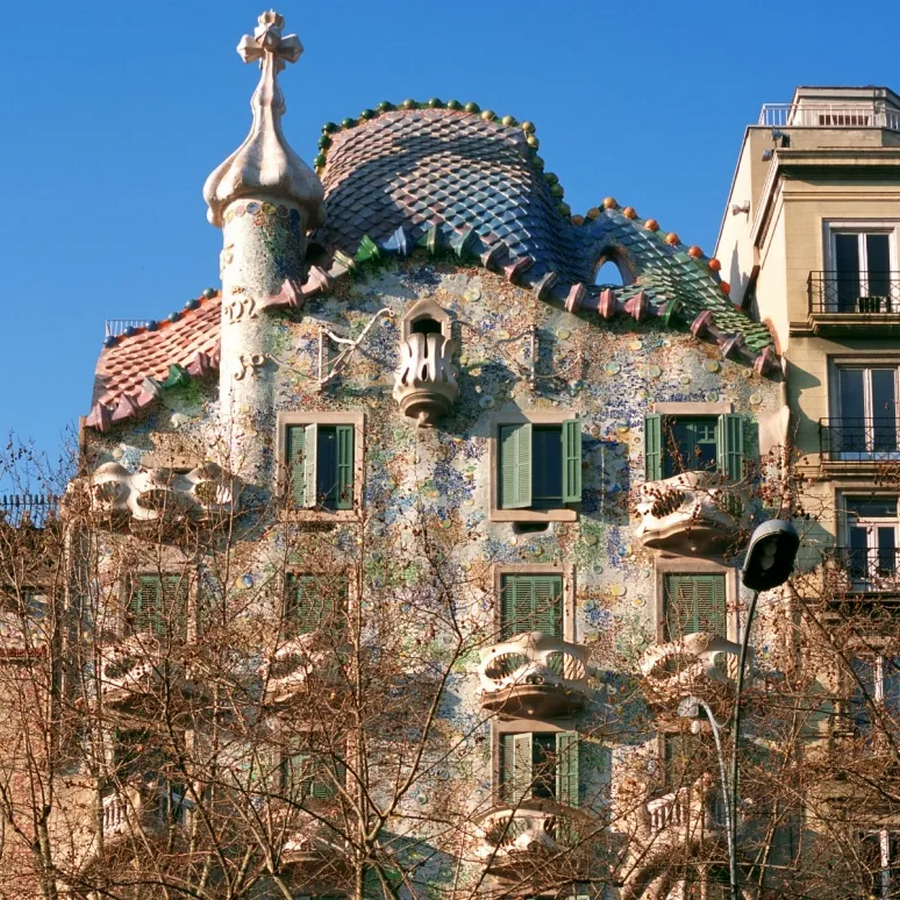
By the early twentieth century, Antoni Gaudí had begun transforming the apartment building.
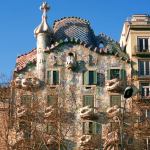
Casa Batlló appears almost alive, with flowing façades and shimmering ceramic surfaces inspired by nature. Casa Milà, or La Pedrera, pushed these ideas further through its undulating stone façade and flexible structural system, allowing adaptable interior layouts.
Together, these projects show how housing could become a space for innovation rather than repetition.
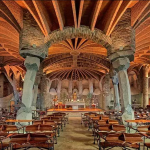
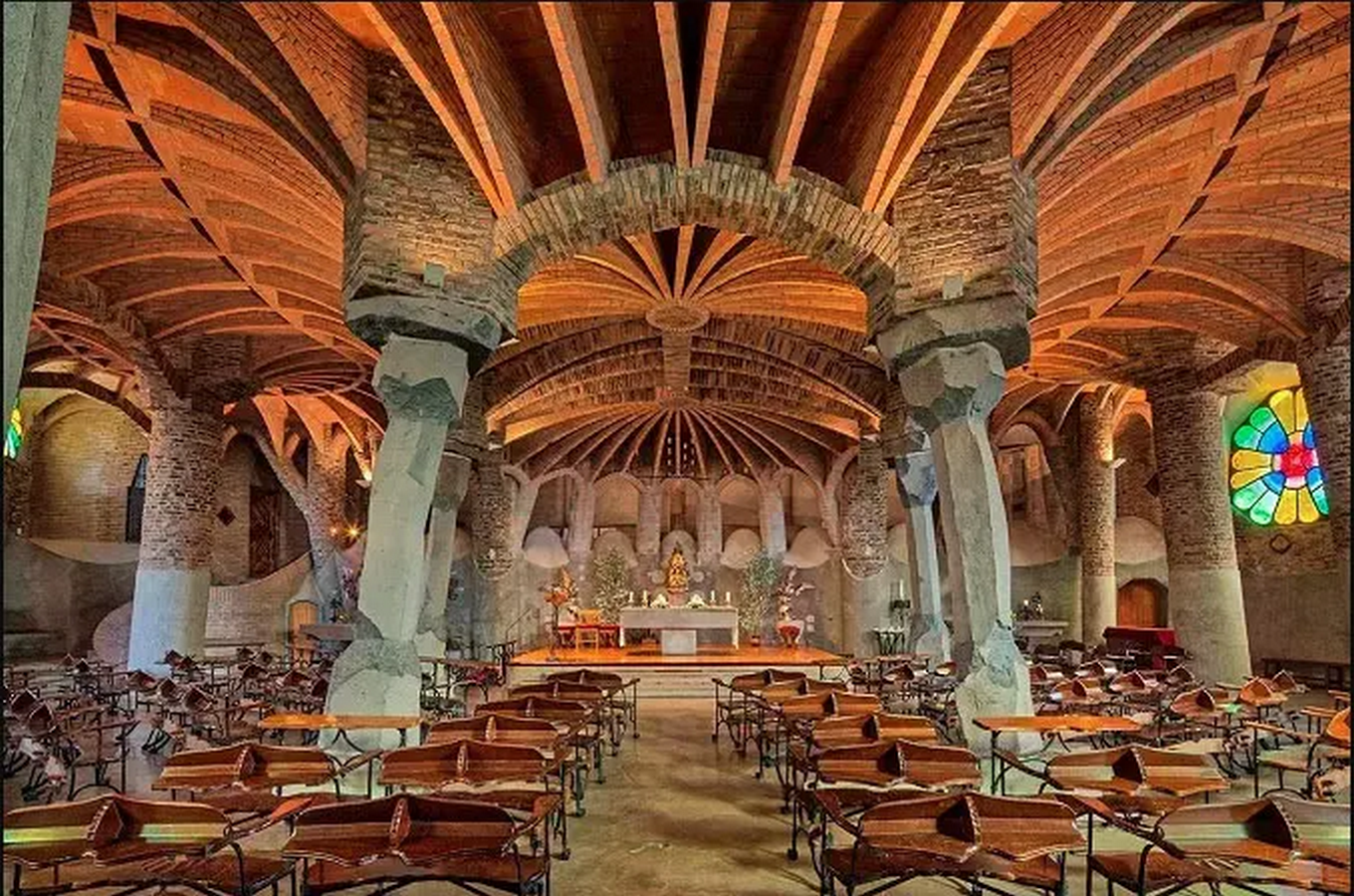
Although unfinished, the Crypt of Colònia Güell became one of Gaudí’s most important experimental projects.
Using hanging-chain models, he developed structural solutions that later shaped the Sagrada Família. Long before digital modelling, Gaudí discovered remarkably efficient structural forms through simple physical experiments.
The Sagrada Família: A Vision Beyond One Lifetime
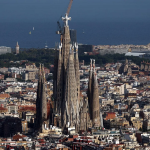
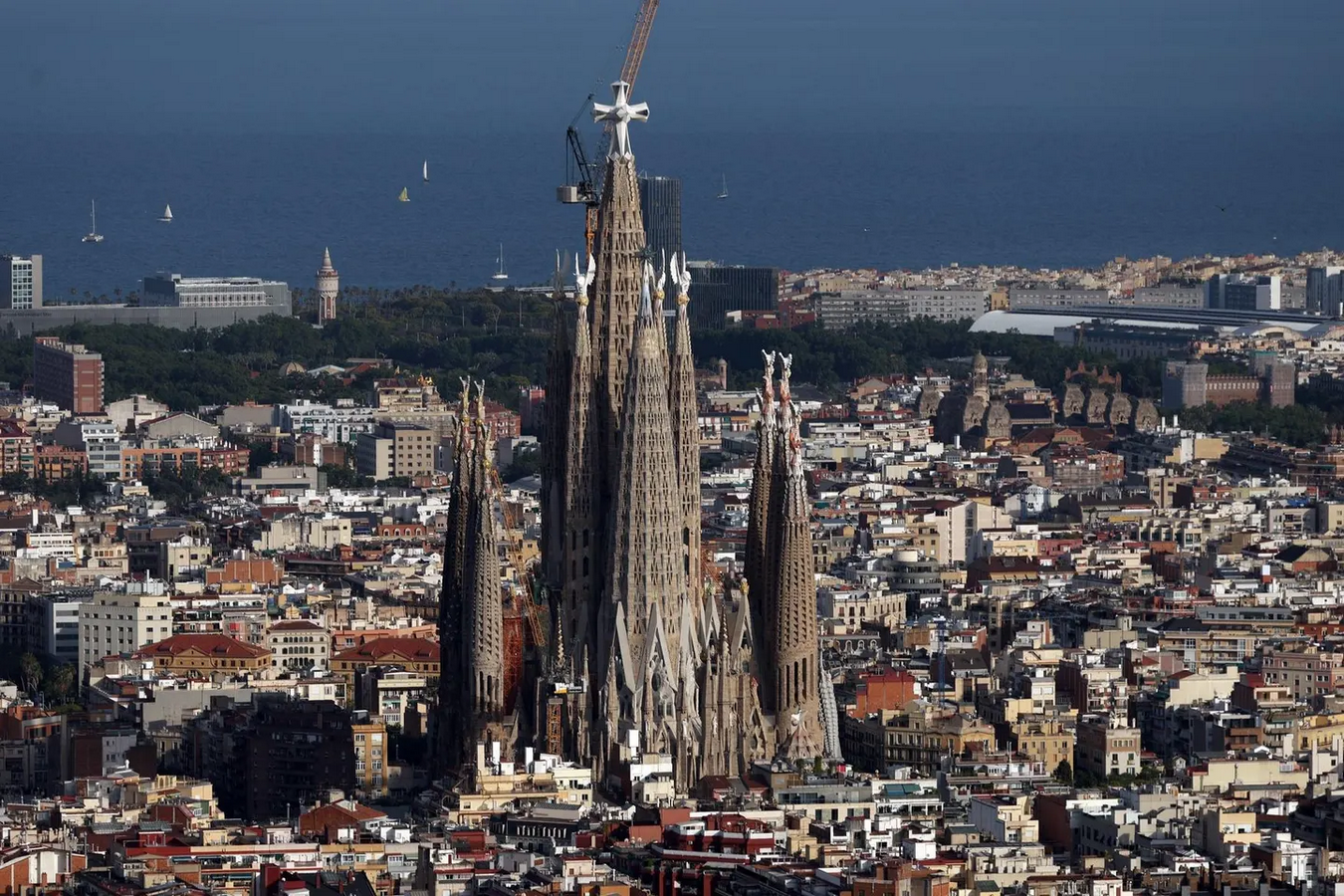
No discussion of Antoni Gaudí is complete without the Sagrada Família.
Construction began in 1882 and continues today. Gaudí devoted the final years of his life to its design, combining engineering, symbolism and geometry. Inside, branching columns resemble forests while coloured light transforms the atmosphere throughout the day, demonstrating how architecture can evolve across generations without losing its original vision.
Why Antoni Gaudí Still Matters Today
More than a century later, Antoni Gaudí continues to influence architectural thinking.
His work anticipated ideas that now define contemporary practice, including biomimicry, passive environmental design and integrated craftsmanship. His organic forms were logical responses to structure, light and nature rather than purely artistic gestures.
His greatest lesson is that innovation can solve technical challenges while remaining deeply human.
The seven UNESCO World Heritage Sites associated with Antoni Gaudí are more than architectural landmarks. Together, they document the evolution of an architect who consistently challenged accepted ideas about structure, material and beauty.
From Casa Vicens to the soaring interior of the Sagrada Família, each project explores a different architectural possibility while remaining connected through a philosophy inspired by nature, craftsmanship and imagination. More than a century later, Gaudí’s work continues to prove that architecture can be technically brilliant while still inspiring wonder.