In a world constantly striving for progress, it’s easy to overlook the whispers of the past. Yet, among all the towering skyscrapers and busy streets, heritage buildings stand as silent guardians, holding within them a wealth of history, culture, stories and societal value.
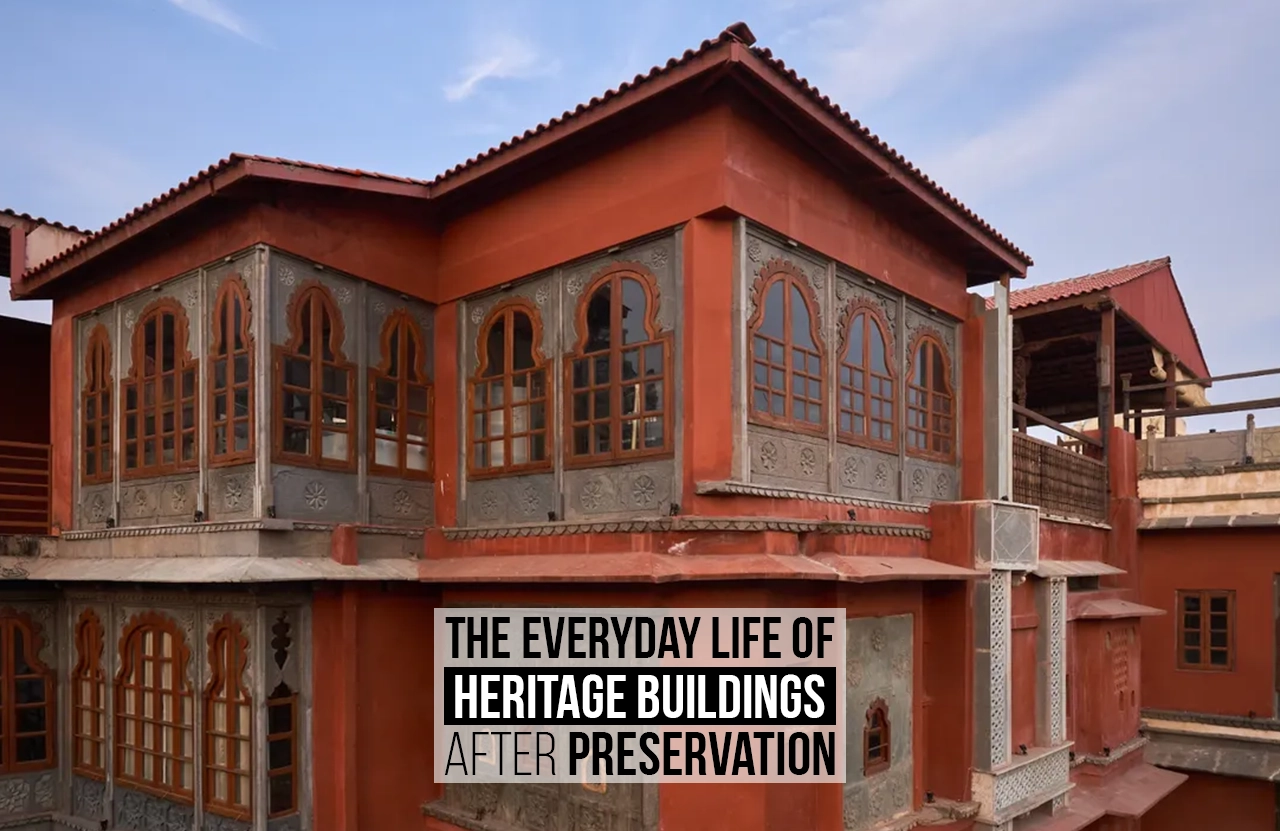
The everyday life of a heritage building is shaped by a constant negotiation between conservation efforts, public use, economic pressures and cultural continuity. Successful preservation extends beyond repairing walls and roofs; it ensures that a building continues to participate in community life. This relationship between conservation and living heritage determines whether a restored structure remains meaningful or gradually becomes a disconnected monument.
Conservation Beyond Physical Restoration
Conservation is frequently associated with technical interventions such as structural stabilisation, material repair, façade restoration and documentation. These processes are essential for protecting historic fabric but they represent only one stage in the life cycle of a heritage building. Once restoration is complete, the building must continue to function within a changing social and urban environment.
Many preserved buildings risk becoming static exhibits. Museums, palaces, historic residences and industrial structures may be carefully restored yet remain disconnected from everyday users. In such cases, conservation succeeds physically but struggles culturally. The challenge lies in ensuring that preservation does not isolate a building from contemporary life. A heritage structure must continue to engage communities, support activities and contribute to its surroundings if it is to remain relevant for future generations.
The Meaning of Living Heritage
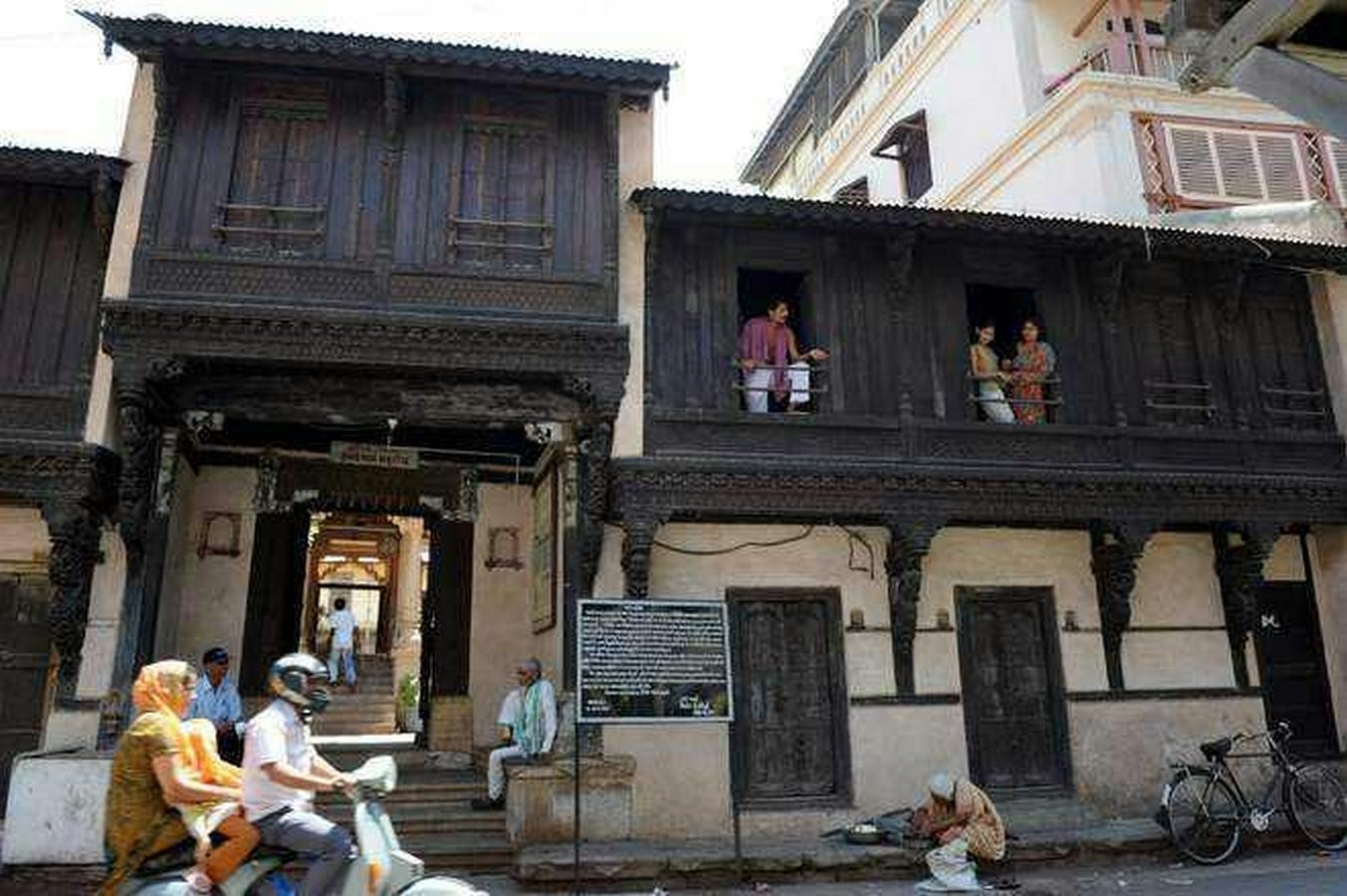
The concept of Living Heritage expands the understanding of preservation beyond architecture alone. It recognises that cultural significance is created not only through physical structures but also through the activities, traditions and memories associated with them. A historic temple is meaningful because of worship practices, a marketplace because of trade and social interaction and a community square because of collective gatherings.
Living heritages explore the idea that buildings gain value through continued use. The preservation of a structure without even preserving the cultural practices connected to it often results in a partial form of conservation. A building may survive physically while losing the social meanings that originally defined it. Therefore, heritage management increasingly emphasises maintaining both tangible and intangible cultural elements. The goal is not simply to preserve a historic object but to sustain a living relationship between people and place.
Balancing Conservation and Everyday Use
One of the greatest challenges faced by heritage professionals is balancing the conservation requirements with everyday functionality. Historic structures were often designed for lifestyles, technologies and social conditions very different from those of the present day. As a result, adaptation becomes essential. Modern accessibility standards, fire safety regulations, climate control systems and digital infrastructure frequently require modifications to historic buildings. While these interventions support continued use, they may also affect historic character. Excessive alteration can compromise authenticity, while excessive restriction can result in declaring a building impractical for contemporary needs.
This tension highlights the importance of thoughtful decision making. Effective conservation seeks a balance between protecting significant architectural features and accommodating necessary changes. Rather than viewing preservation and adaptation as opposing goals, contemporary heritage practice increasingly treats them as complementary processes that allow historic buildings to remain active participants in modern society.
Adaptive Reuse as a Strategy for Survival
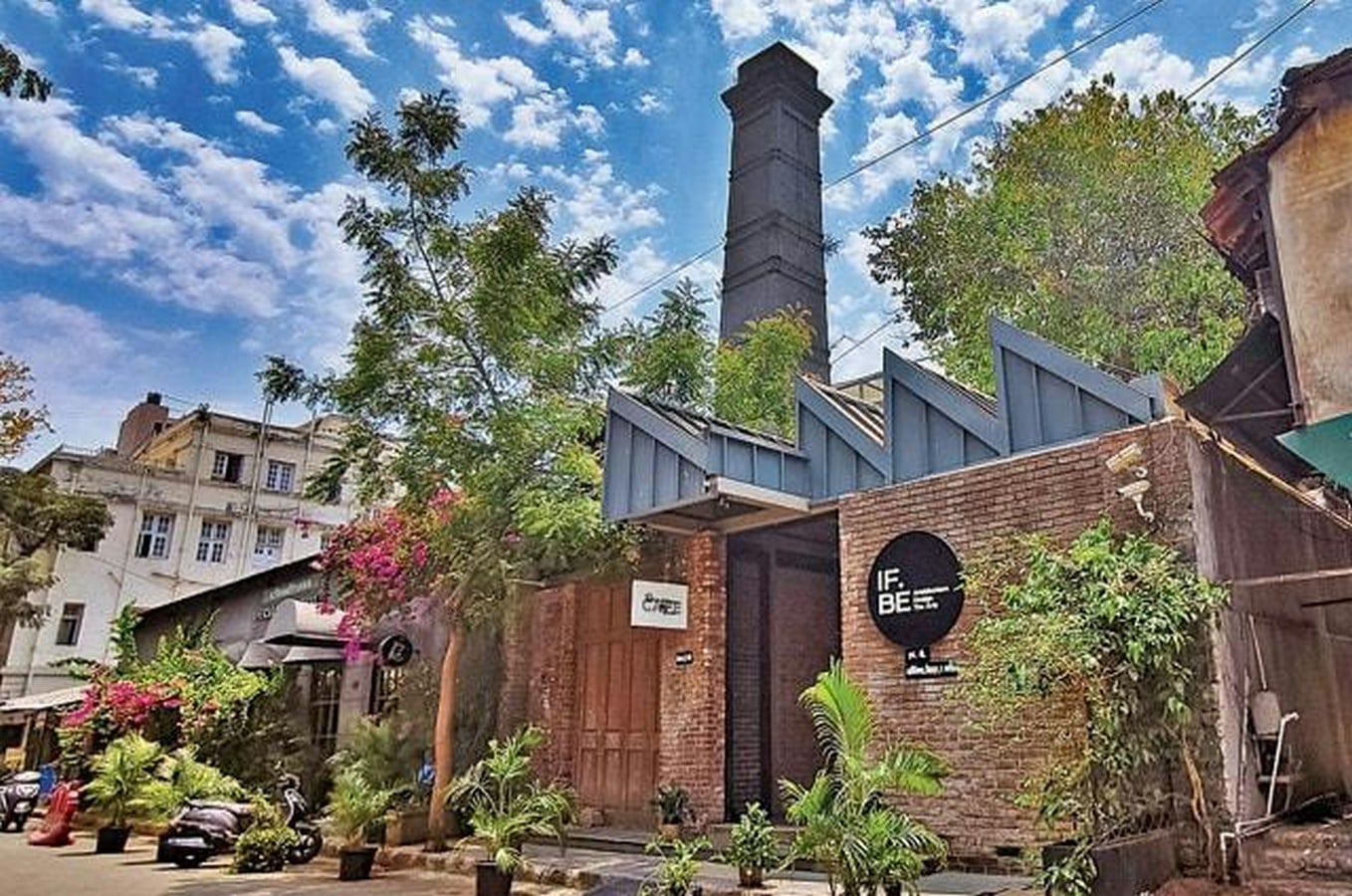
Adaptive reuse has emerged as one of the most effective approaches for maintaining living heritage. Instead of preserving a building solely as a monument, adaptive reuse introduces new functions that support ongoing occupation and maintenance. Historic warehouses become cultural centres, former factories become creative workspaces and old residences are transformed into museums, libraries or boutique hotels and aesthetic cafes. These transformations extend the lifespan of heritage structures while reducing the environmental costs associated with demolition and new construction. Adaptive reuse demonstrates that conservation can contribute to sustainability by preserving embodied energy and reducing material waste.
However, successful adaptive reuse requires sensitivity. New interventions should respect the historical significance of the structure while responding to contemporary requirements. When carefully executed, adaptive reuse enables heritage buildings to evolve without losing their identity, ensuring that living heritage remains a dynamic rather than a static concept.
Community Participation & Living Heritage
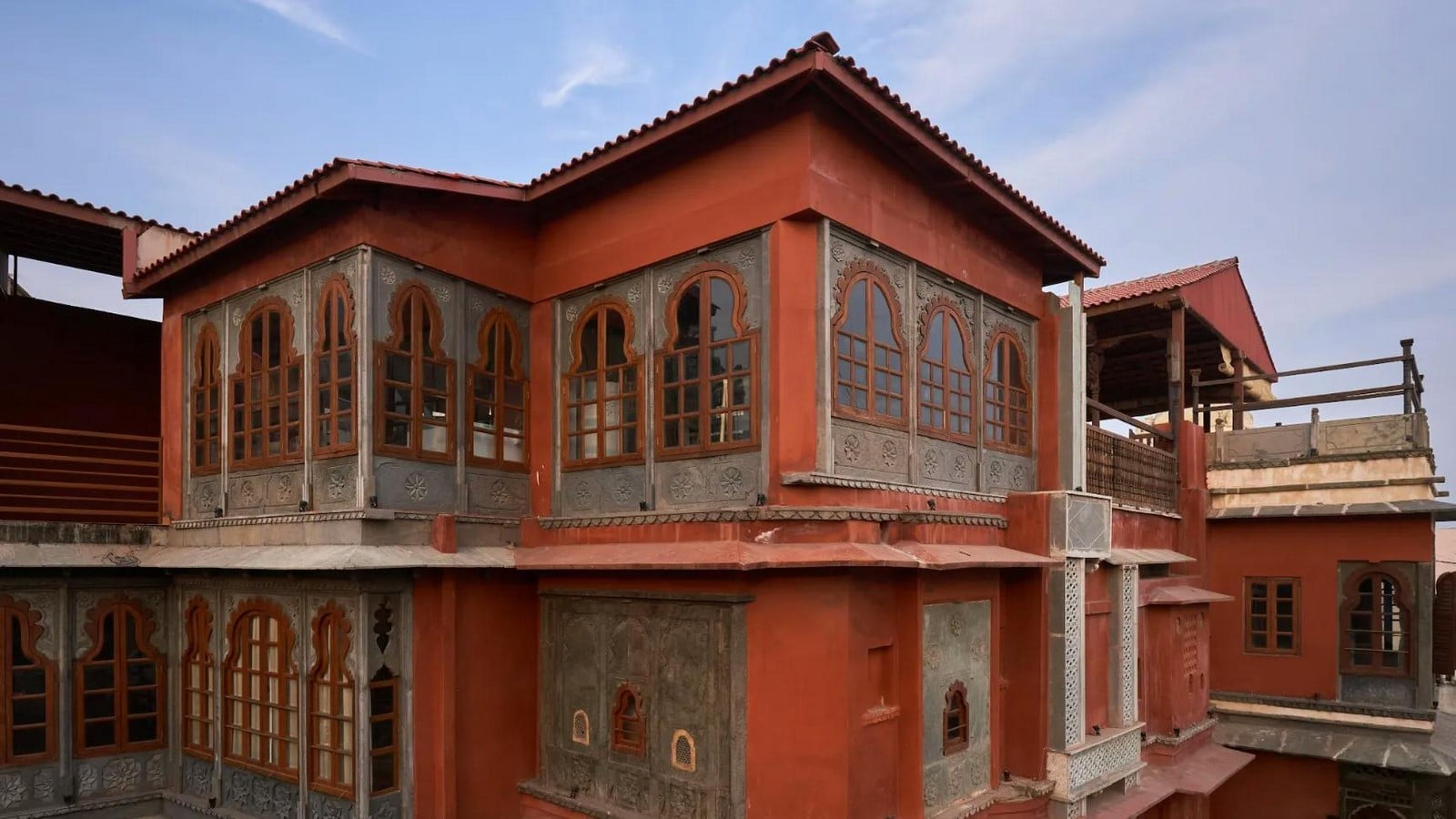
The long term success of conservation often depends on community involvement. Heritage buildings that remain connected to local communities are generally better maintained and more resilient to changing circumstances. Residents, artisans, religious groups and local organisations frequently play a crucial role in preserving cultural significance through continued use and stewardship. Community engagement also prevents heritage from becoming exclusively expert driven. While architects, planners and conservation specialists provide technical knowledge, local communities contribute lived experiences and cultural understanding. Their participation helps ensure that living heritage remains relevant to contemporary social needs.
Examples from around the world and India as well demonstrate that heritage districts thrive when local populations continue to inhabit and use them. Markets, courtyards, places of worship and traditional neighbourhoods maintain their cultural vitality because they remain integrated into everyday life rather than existing solely as tourist destinations.
Tourism: Opportunity and Challenge
Tourism often provides essential financial support for conservation projects. Revenue generated through visitors can fund maintenance, restoration and educational programmes. Heritage sites also contribute significantly to local economies through hospitality, retail and cultural industries. However, tourism introduces its own challenges. Excessive visitor numbers can accelerate physical deterioration, increase infrastructure demands and alter the character of historic environments. In some cases, heritage areas become commercialised to the extent that residents are displaced or traditional activities disappear.
Maintaining living heritage requires balancing visitor experiences with community needs. Conservation strategies increasingly focus on sustainable tourism models that support economic benefits without undermining cultural authenticity. Heritage buildings function most effectively when they serve both visitors and local communities rather than prioritising one at the expense of the other.
The Future of Conservation
The future of heritage preservation depends on understanding that buildings are not merely isolated artefacts; rather, they are integral parts of expansive cultural systems that are in a constant state of evolution. The approach to conservation has shifted away from a narrow focus on safeguarding the physical structure alone. Instead, it emphasizes the importance of managing change in a thoughtful and responsible manner, ensuring that the heritage we protect can adapt and thrive within its contemporary context while still honoring its historical significance.
Climate change, urbanisation, technological advancements and shifting social values will continue to influence how heritage buildings are used and interpreted. Conservation professionals must therefore adopt flexible approaches that accommodate evolving needs while safeguarding cultural significance. The concept of living heritage offers a framework for addressing these challenges by emphasising continuity, adaptation and community engagement.
The life of a heritage building does not change when restoration is completed. In many ways, preservation marks the beginning of a new phase in which conservation and living heritage must coexist. Historic structures thrive when they remain embedded within everyday life, supporting cultural practices, social interactions and contemporary activities. The most successful examples of heritage preservation are not those that remain frozen in time but those that continue to evolve while retaining their historical identity. By balancing protection with use, conservation ensures that heritage buildings remain meaningful, relevant and alive for future generations.