Cities are living entities of life, ecology, history, and geology. They adapt, evolve, and possess the ability to reinvent themselves. But what truly constitutes the urban identity of a city? Is it merely the physical fabric of buildings and streets that must be preserved?
Urban identity extends far beyond architecture. It is reflected in everyday social practices, local businesses, collective memory, and the relationships people form with the places they inhabit. It exists in the routines, traditions, and cultural interpretations that shape urban life. Barcelona is one such city that reveals how urban change is never simply a physical process.
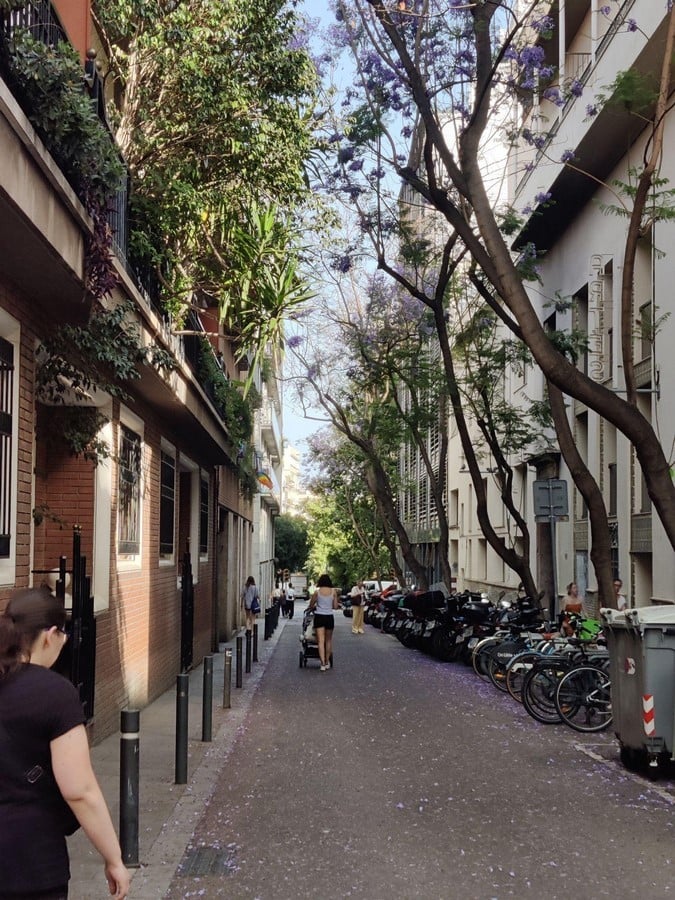
The politics of a changing city
Barcino, now known as Barcelona, began as a Roman colony around 15–10 BC. Over centuries, it has transformed through political, economic, and social change. With industrialisation and urban expansion in the nineteenth century, the medieval city walls were demolished to relieve overcrowding and disease. This period witnessed the creation of Ciutadella Park and marked the beginning of Barcelona’s emergence as a modern city and an early tourist destination.
The twentieth century brought another wave of transformation. During the 1920s, Barcelona experienced a significant influx of domestic workers, resulting in rapid and often unregulated urban growth. This expansion produced uneven patterns of development across the city.
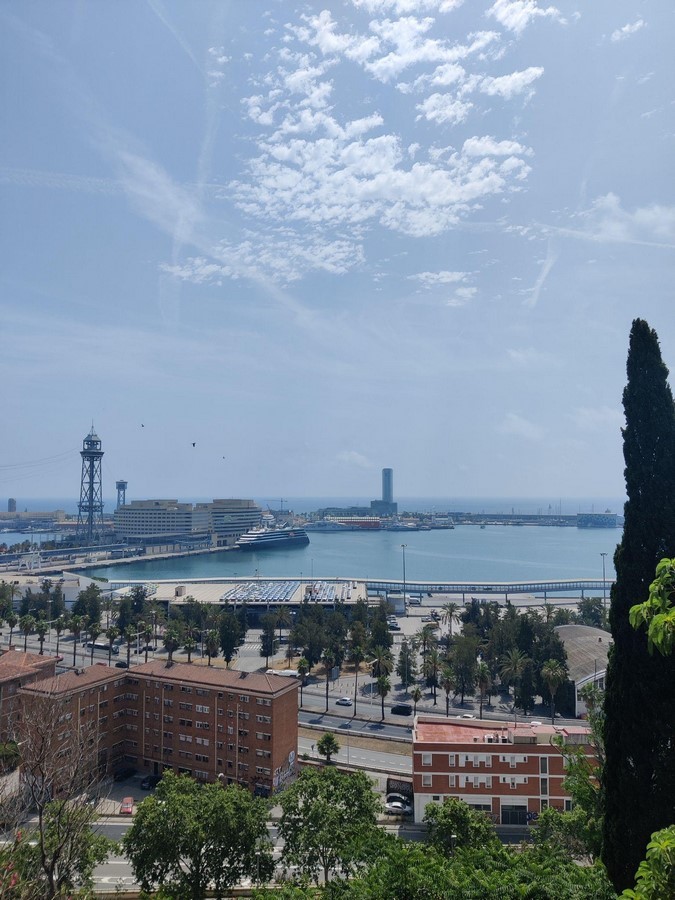
Later, the urban renewal projects associated with the 1992 Olympic Games accelerated Barcelona’s global visibility, attracting tourism, foreign investment, and new residents. While these developments projected an image of progress, they also contributed to rising housing costs, gentrification, and ongoing debates about local and cultural identity.
The effects of these transformations are visible across Barcelona’s neighbourhoods.
Neighbourhoods of Barcelona
El Raval, historically a working-class district known for immigration, poverty, and cultural diversity, underwent major redevelopment. New cultural institutions, public spaces, and businesses were introduced, fundamentally altering the social and spatial fabric of the neighbourhood.
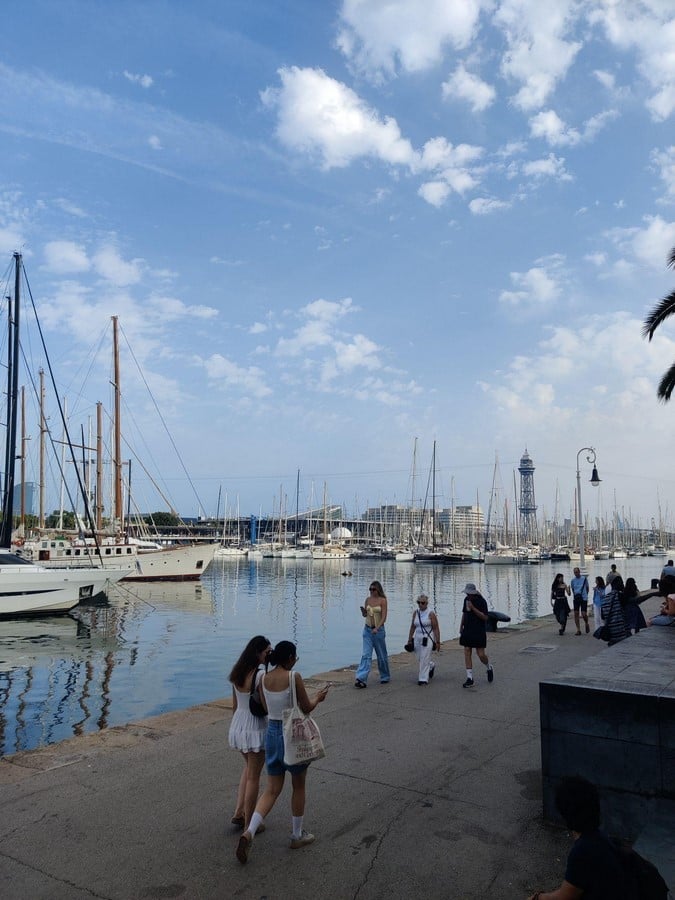
Gràcia offers a contrasting narrative. Once an independent town, it remains known for its local traditions, pedestrian squares, and close-knit community culture. Here, collective memory continues to be preserved through festivals, public spaces, and strong neighbourhood networks. Yet Gràcia also demonstrates the tensions that emerge when urban development intersects with local identity.
Similarly, Barri Gòtic, the historic core of Barcelona, embodies centuries of cultural heritage through its medieval streets and built fabric. However, the growth of tourism has transformed everyday life within the Gothic Quarter, creating a complex relationship between heritage preservation and residential needs.
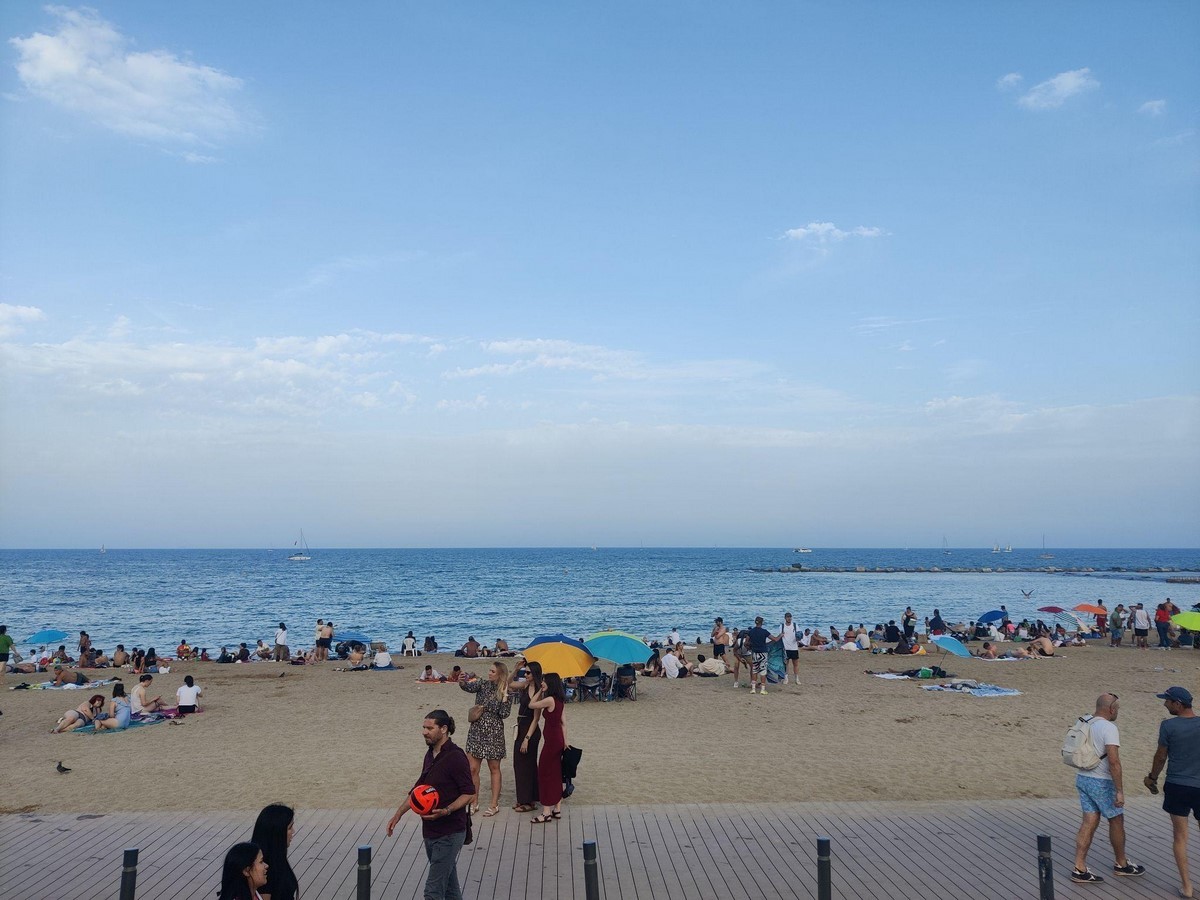
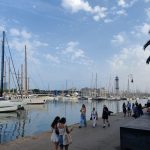
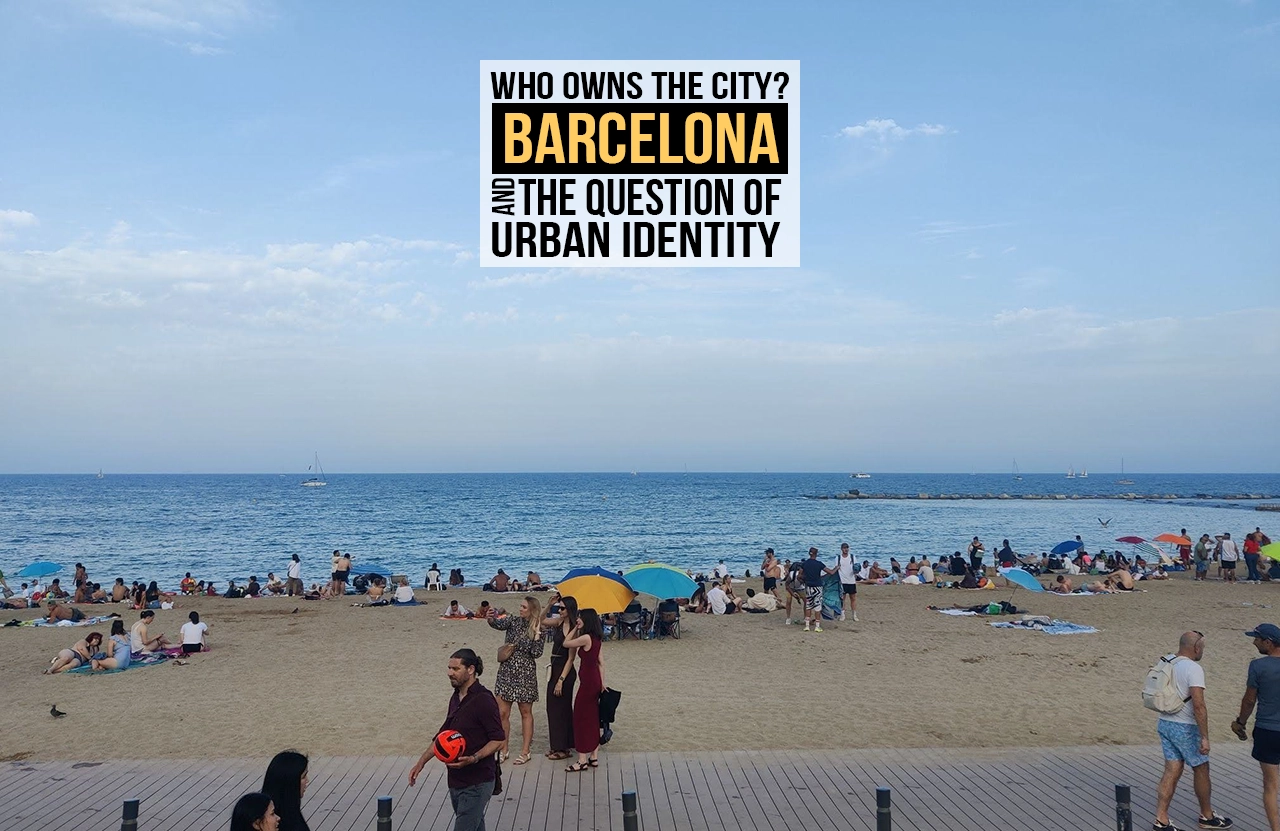
Perhaps nowhere is this transformation more visible than in Barceloneta. Once a fishing and maritime community, Barceloneta experienced dramatic changes following the Olympic redevelopment of the waterfront. As tourism expanded, the seafront increasingly catered to visitors rather than residents. The neighbourhood’s social character gradually shifted, illustrating how tourism-driven development can redefine local identity and everyday life.
While redevelopment often promises economic growth and international recognition, an important question remains: do these benefits come at the cost of social continuity and cultural identity?
Residents who once shaped the character of a city can begin to feel like strangers in their own neighbourhoods. This displacement is not always physical. It can also be cultural, social, and emotional, altering lifestyles, relationships, and a sense of belonging.
Yet Barcelona’s story does not end with tourism and gentrification.
Even with its dense urban fabric and rich historical legacy, the city continues to evolve. Recent planning approaches have focused on creating a smarter and more liveable city—one that prioritises residents, neighbourhood businesses, public plazas, walkability, and cultural heritage. In doing so, Barcelona has begun to challenge the long-standing dominance of tourism in shaping the urban experience.
A City still Adapts
The city has worked to reimagine spaces such as La Rambla, historically one of Europe’s most tourist-oriented streets. Current plans seek to attract residents back through cultural programming, public events, improved pedestrian environments, and neighbourhood-oriented activities rather than purely tourist consumption.
Barcelona’s recent urban initiatives reveal a city gradually shifting its focus back to the people who live there. Through the expansion of Superblocks (Superilles) and the greening of the Eixample, streets once dominated by traffic are being transformed into spaces for walking, gathering, and everyday community life. The city has also responded to rising housing pressures by limiting tourist accommodations and placing greater emphasis on residential needs.
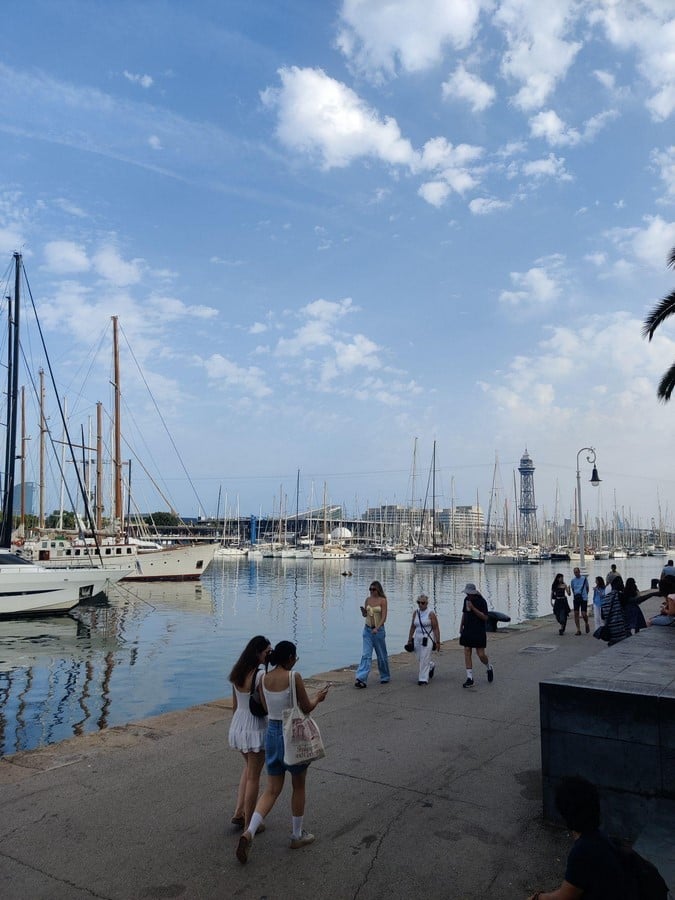
At the same time, Barcelona is attempting to balance its global appeal with the preservation of local businesses, neighbourhood character, and cultural identity. These efforts are further supported by climate-focused interventions, including green corridors and climate shelters, designed to make the city more resilient and comfortable in the face of rising temperatures and environmental challenges.
This raises a broader question: can Barcelona retain its cultural and historical identity while simultaneously adapting to the needs of contemporary urban life?
Identity of a City
The debate extends far beyond tourism and gentrification. At its core lies a deeper discussion about belonging, collective memory, and the future of cities. Who benefits from urban transformation, and who gets left behind?
As neighbourhoods evolve, the challenge is not whether cities should change—they inevitably will. The challenge is ensuring that adaptation does not come at the expense of the communities that give cities their meaning.
Barcelona’s future may not lie in becoming more global, but in becoming more local. In an era of overtourism and rapid urban change, the city is attempting to redefine progress by placing residents, neighbourhood life, and collective memory back at the centre of urban development. Whether it succeeds remains uncertain, but its ongoing transformation offers an important lesson: the identity of a city is not found solely in its buildings, but in the people, memories, and everyday lives that continue to inhabit them.