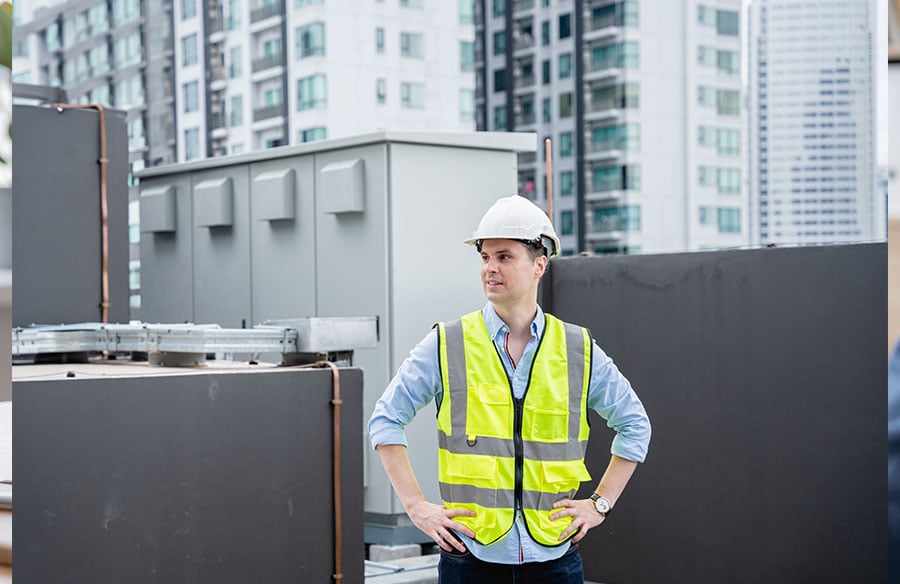
Construction workers face some of the toughest working conditions of any profession. Long hours outdoors, physically demanding tasks, and exposure to direct sunlight can quickly turn a normal workday into a serious health risk during the warmer months. As global temperatures continue to rise, heat resilience has become an essential part of workplace safety. Employers are increasingly looking for practical solutions that help workers stay productive while reducing the risk of heat-related illnesses.
One of the most effective innovations for managing heat stress is a cooling vest. Designed to regulate body temperature without restricting movement, cooling vests are rapidly becoming an important piece of personal protective equipment on construction sites around the world.
Why Heat Stress Is a Growing Challenge in Construction
Construction work often involves heavy lifting, operating machinery, climbing scaffolding, and working with tools under direct sunlight. These physically demanding activities naturally increase body temperature. When high humidity and extreme temperatures are added to the equation, the body’s natural cooling system struggles to keep up.
Heat stress develops when the body can no longer effectively release excess heat. Early symptoms include fatigue, dizziness, excessive sweating, headaches, and reduced concentration. If left untreated, heat exhaustion can develop into heat stroke, a medical emergency that can be life threatening.
Beyond health concerns, excessive heat also impacts productivity. Workers become tired more quickly, reaction times slow, and decision making becomes less accurate. These factors significantly increase the likelihood of workplace accidents.
The Importance of Heat Resilience
Heat resilience refers to the ability of workers and organizations to maintain safe and effective performance despite high temperatures. Rather than simply reacting to hot weather, companies are adopting proactive measures that reduce the impact of heat before problems occur.
An effective heat resilience strategy typically includes:
- Regular hydration breaks
- Shaded rest areas
- Heat awareness training
- Adjusted work schedules
- Lightweight protective clothing
- Personal cooling equipment
Together, these measures create a safer work environment while helping maintain operational efficiency.
How Cooling Vests Work
Cooling vests are designed to lower the body’s core temperature by absorbing and dissipating heat. Depending on the technology used, they may rely on phase change materials, evaporative cooling, or active cooling systems.
Phase change cooling technology is particularly popular in construction because it delivers a stable cooling temperature for several hours without requiring batteries or complicated equipment. The cooling packs can simply be recharged in cold water or a refrigerator before use.
Unlike bulky cooling systems, modern cooling vests are lightweight, comfortable, and compatible with standard personal protective equipment. Workers can continue performing physically demanding tasks without sacrificing mobility.
Benefits for Construction Workers
Cooling vests provide a wide range of benefits that extend beyond personal comfort.
Improved Worker Safety
Lower body temperatures help reduce the likelihood of heat exhaustion and heat stroke. Workers remain more alert, making it easier to identify hazards and respond quickly to changing site conditions.
Higher Productivity
Employees who remain comfortable throughout the day can sustain physical performance for longer periods. Instead of slowing down because of heat fatigue, workers can maintain a more consistent pace without compromising quality.
Better Concentration
Construction tasks often require precision and continuous attention. A cooler body temperature supports mental focus, helping workers make better decisions and avoid costly mistakes.
Reduced Fatigue
Excessive heat accelerates physical exhaustion. Cooling technology delays the onset of fatigue, allowing workers to remain effective even during extended shifts.
Increased Employee Satisfaction
Providing cooling equipment demonstrates that employers value worker wellbeing. This can improve morale, increase job satisfaction, and strengthen employee retention.
Cooling Vests as Part of PPE
Personal protective equipment has traditionally focused on protecting workers against impact, falls, electrical hazards, and respiratory risks. Today, thermal protection is becoming an equally important consideration.
Many organizations now include cooling garments alongside helmets, safety boots, gloves, and high visibility clothing. As temperatures become more extreme, thermal management is increasingly recognized as an essential component of workplace safety rather than an optional comfort feature.
This shift reflects growing awareness among health and safety professionals that preventing heat stress can significantly reduce workplace incidents.
Choosing the Right Cooling Vest
Not every cooling vest is suitable for demanding construction environments. Companies should consider several important factors before making a selection.
Cooling Duration
Construction shifts often last eight hours or longer. A vest should provide several hours of consistent cooling and allow for quick replacement or recharging of cooling packs.
Freedom of Movement
Workers need unrestricted mobility when lifting materials, climbing ladders, or operating machinery. Lightweight designs minimize interference with daily tasks.
Durability
Construction sites expose equipment to dust, dirt, rough handling, and changing weather conditions. Durable materials help extend the lifespan of the vest while maintaining reliable performance.
Compatibility with PPE
The cooling vest should fit comfortably beneath or over existing protective clothing without reducing the effectiveness of other safety equipment.
Supporting Long Term Workforce Health
Investing in cooling solutions benefits both workers and employers. Frequent exposure to extreme heat contributes to chronic fatigue, dehydration, and increased absenteeism. By reducing daily heat strain, companies help protect their workforce over the long term.
Healthier employees are more engaged, experience fewer heat related incidents, and are less likely to require extended recovery periods after physically demanding workdays.
Organizations that prioritize heat resilience also strengthen their reputation as responsible employers, making recruitment easier in an increasingly competitive labor market.
The Future of Heat Safety in Construction
Climate experts predict that heatwaves will become more frequent and more intense in many regions. As a result, construction companies will need to adapt their safety policies to address these changing environmental conditions.
Technological innovations continue to improve cooling garments, making them lighter, more efficient, and easier to integrate into existing safety programs. Companies that invest early in these solutions are better positioned to maintain productivity while protecting their workforce.
Industry leaders increasingly recognize that heat management is no longer a seasonal concern but a year round strategic priority in many parts of the world.
Why Inuteq Is a Trusted Partner
Selecting reliable cooling equipment is just as important as implementing an overall heat resilience strategy. Inuteq has developed advanced personal cooling solutions that are trusted across industries where employees regularly work in high temperature environments. Their innovative cooling technologies help construction professionals remain comfortable, focused, and protected throughout demanding workdays.
Conclusion
Heat resilience is becoming a critical component of construction site safety. As temperatures continue to rise, employers must adopt practical measures that protect workers from heat related illnesses while supporting productivity.
Cooling vests represent one of the most effective and accessible solutions available today. By helping regulate body temperature, reducing fatigue, and improving concentration, they contribute to safer job sites and healthier employees. Organizations that integrate cooling technology into their safety programs are making a long term investment in workforce wellbeing, operational efficiency, and sustainable construction practices.