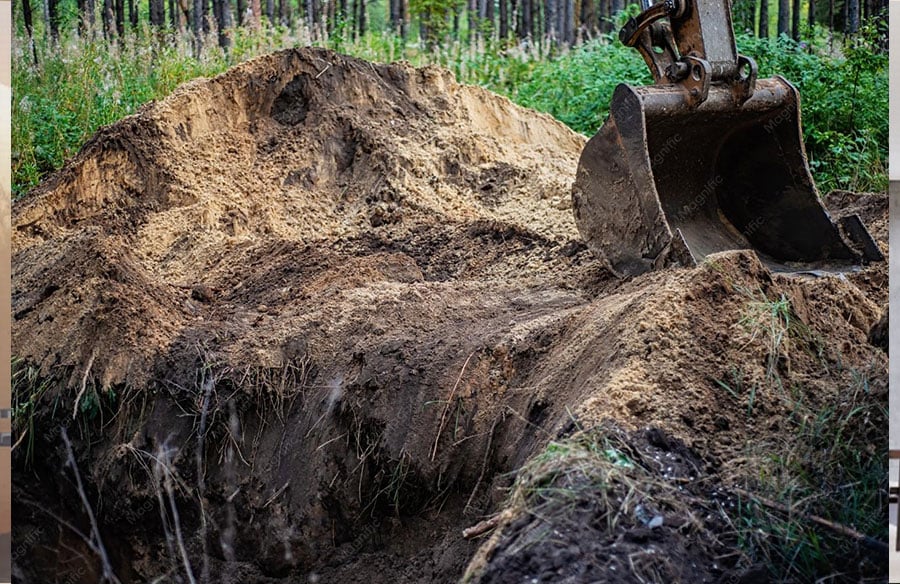
Excavation around mature trees require careful planning because roots can extend well beyond the visible trunk and may be damaged by digging, grading, trenching, or heavy equipment. The goal is to complete the necessary excavation while minimizing unnecessary damage to the tree’s root system and surrounding soil.
Mature trees can provide shade, environmental benefits, and significant value to a property, so protecting them should be considered before excavation begins. When a project requires digging near established trees, opting for experienced excavation services such as Franky’s Excavation can help ensure the site is properly assessed, excavation work is carefully planned, and the project is completed with consideration for the surrounding landscape and tree protection needs.
Why Tree Roots Matter
A tree’s root system is essential for absorbing water and nutrients and providing stability. Many roots are located relatively close to the soil surface rather than extending straight downward. This means excavation that appears to be several feet away from the trunk can still encounter important roots.
Survey the Site Before Digging
The first step is understanding where excavation will occur and which mature trees may be affected. Contractors can identify tree locations, proposed foundation areas, utility routes, drainage paths, and access points before equipment arrives. Planning these elements together can reduce unnecessary conflicts.
Integrating tree protection into the initial site design phase ensures that the aesthetic and environmental benefits of mature trees are preserved alongside the functional requirements of new structures. This holistic approach to site planning considers the long-term impact on both the built environment and the natural landscape.
Identify Critical Root Areas
A tree’s protected root area generally extends beyond the trunk. The exact area that needs protection depends on the tree species, size, condition, soil, and project circumstances. Where practical, excavation routes can be adjusted to avoid major roots. Sometimes moving a trench or changing the location of a utility line by a relatively small distance can make a significant difference.
Avoid Unnecessary Root Cutting
Large structural roots can be particularly important to tree stability. Cutting them can increase stress on the tree and potentially make it more vulnerable to wind damage or decline. If roots must be encountered, the excavation method should be carefully considered. Hand digging or other less disruptive approaches may be appropriate in sensitive areas.
Manage Heavy Equipment
Heavy excavators and other machinery can compact soil around trees even when the equipment does not directly hit the roots. Soil compaction can reduce the air and water available to roots. Establishing equipment routes and keeping heavy machinery away from protected root areas can help reduce this risk.
Protect Exposed Roots
Roots that become exposed during excavation can dry out quickly or suffer physical damage. If excavation must remain open near a tree, exposed roots may need temporary protection. The appropriate method depends on the length of exposure, weather conditions, root size, and project requirements.
Consider Utilities and Foundations Early
Utility trenches, drainage systems, foundations, retaining walls, and driveways can all conflict with mature root systems. Planning these elements before excavation begins allows contractors to identify potential conflicts rather than discovering them after major roots have already been damaged.
Thoughtful integration of these infrastructure elements with existing natural features is a hallmark of sustainable design. Architects and landscape designers often prioritize such considerations to create harmonious and resilient spaces, where new construction coexists respectfully with established ecosystems.
Coordinate With Tree Professionals
For valuable or particularly large mature trees, consultation with a qualified arborist may be useful before major excavation. An arborist can help evaluate the tree’s condition, identify important root areas, and recommend measures that reduce the likelihood of serious damage.
Restore the Area After Excavation
Once excavation is complete, the surrounding soil should be restored carefully. Avoid leaving large voids around roots or compacting the soil unnecessarily with heavy equipment. The goal is to return the area to conditions that support both the completed construction project and the continued health of the tree.
Key Takeaways
- Mature tree roots can extend far beyond the visible trunk.
- Excavation should be planned around important root areas whenever possible.
- Large structural roots should not be cut unnecessarily.
- Heavy equipment can damage trees through soil compaction.
- Exposed roots may require temporary protection.
- Foundations, utilities, drainage, and access routes should be considered before digging.
- An arborist can provide useful guidance for valuable or sensitive trees.
- Careful site planning can allow construction work to proceed while reducing unnecessary damage to mature trees.