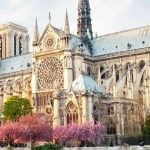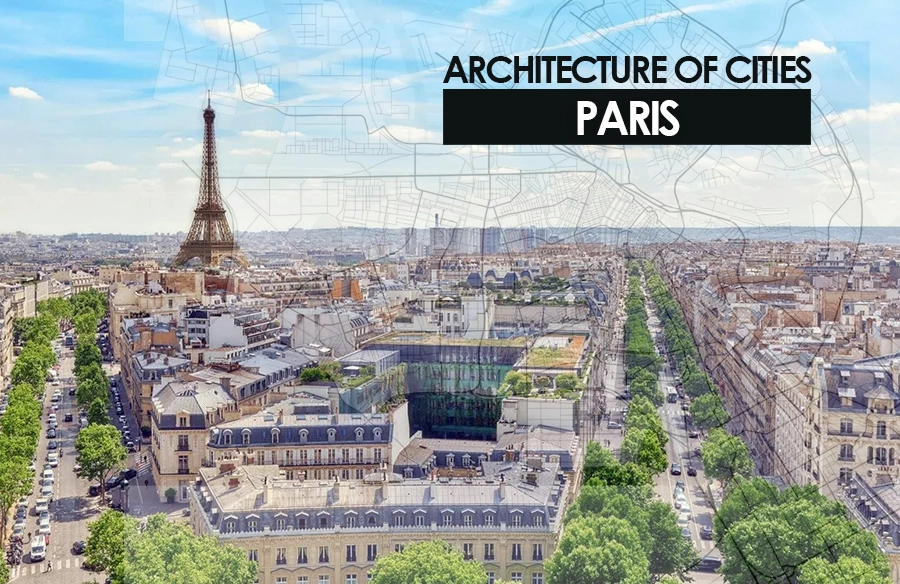
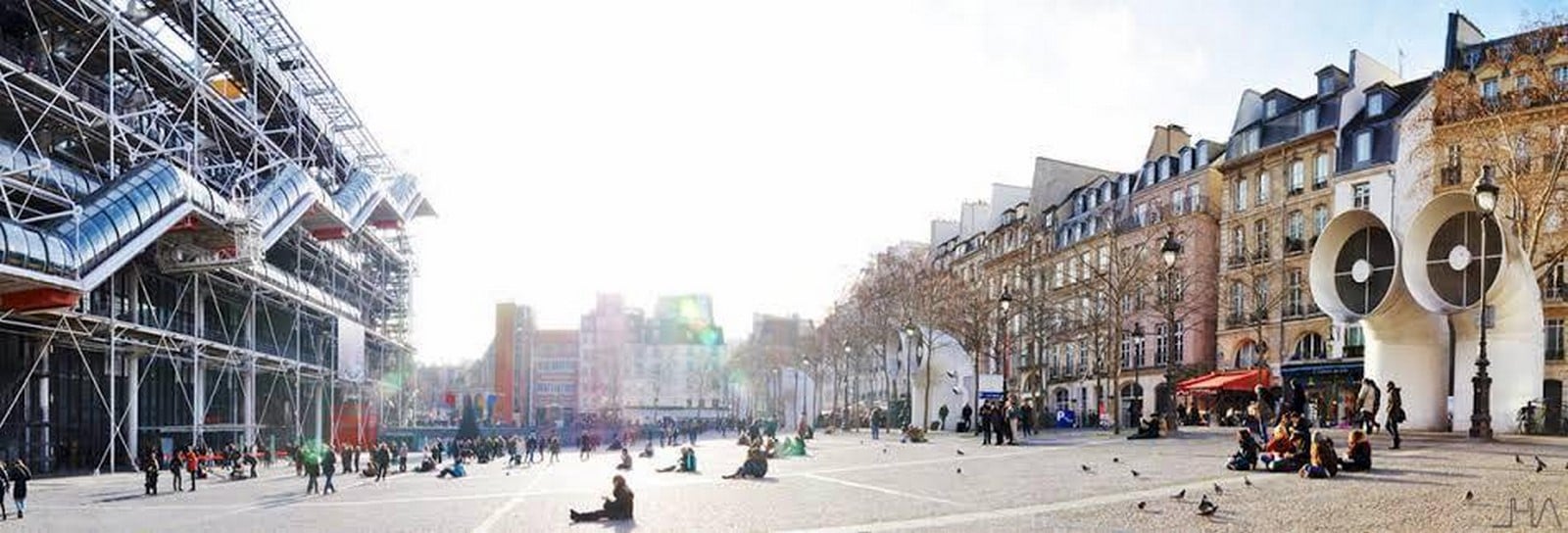
When we talk about some of the world’s architectural masterpieces, the Eiffel Tower is often one of the first that comes to mind. Besides the tower, the city of Paris has many other remarkable streetscapes, buildings, monuments, and spaces, each one carrying a different story. It is a capital that holds remarkable Gothic cathedrals alongside high-tech architectural landmarks, such as the Centre Pompidou. This blend of historical and modern architecture gives Paris a unique and timeless urban character.
History Shaping Architecture and Power
Paris is a city that showcases a diverse array of architectural styles from different periods.
- Paris began as Lutetia, a Roman settlement that had Roman-style baths, arenas, and villas that reflected its role as a politically controlled Roman provincial city.
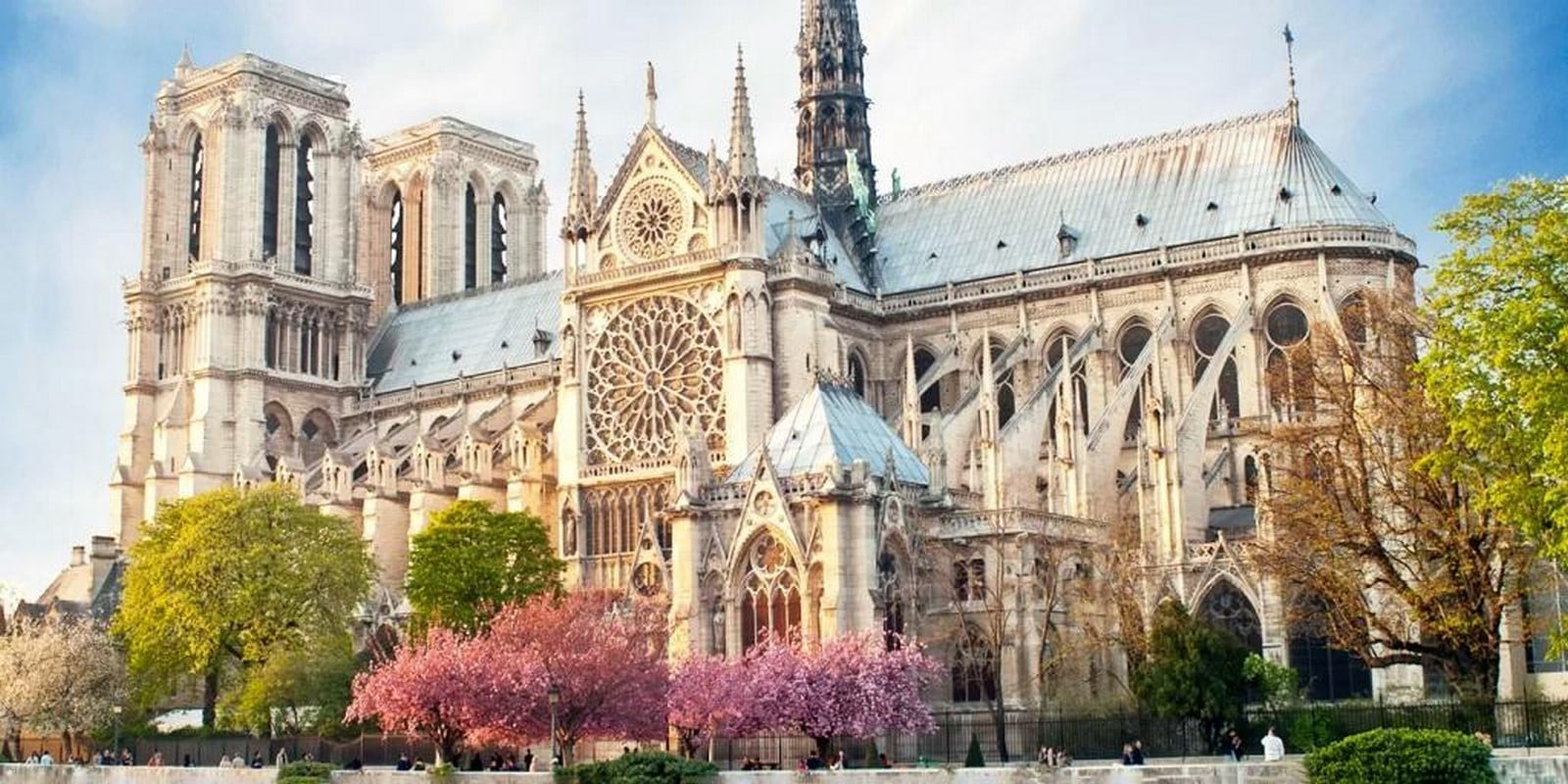
- Followed by Gothic architecture, introducing unique structural and aesthetically pleasing building elements like pointed arches, ribbed vaults, and flying buttresses, moving away from Roman stone walls, reflecting the growing power of the medieval Church, and cathedrals became both religious and community centers.
- Influenced by Italy, the Renaissance architecture flourished in Paris, and became classical, ordered, and symmetrical with the shift from religious dominance to royal civic architecture.
- The Baroque style introduced monumental palaces, formal gardens, and axial planning to glorify the absolute monarchy, where architecture was used as a tool to display royal power and control over space.
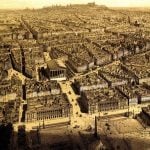
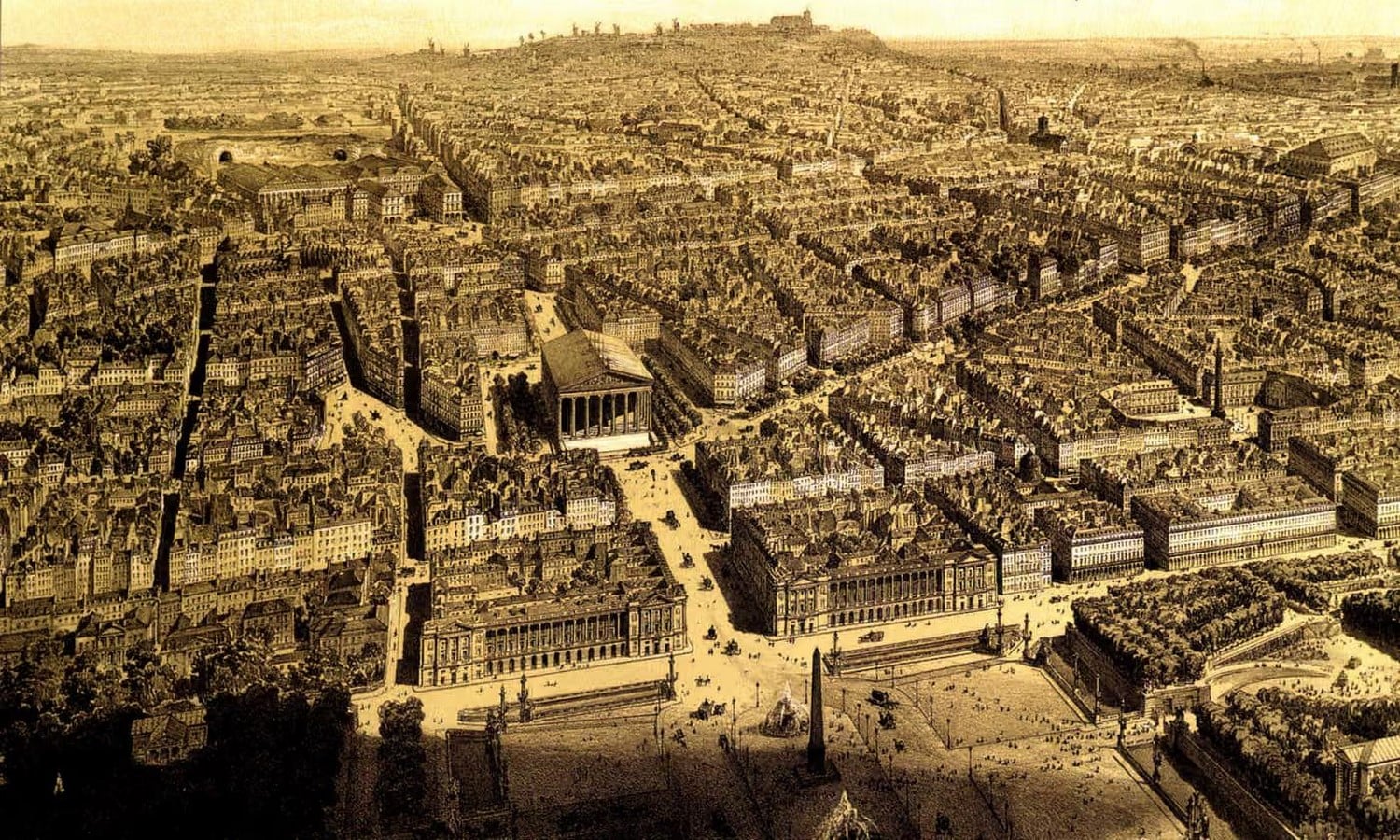
- Haussmann’s Urban Transformation: In the 19th century, Baron Haussmann, under Napoleon III, redesigned Paris urban fabric by introducing wide avenues, new parks and squares, the annexation of the suburbs surrounding Paris, and the construction of new sewers, fountains, and aqueducts. The street plan and distinctive appearance of the center of Paris today are largely the result of Haussmann’s renovation.
- In the late 19th and early 20th century, Industrial style architecture using iron, glass, and engineering based designs flourished in Paris along with the rapid population growth to support a more functional and economic approach to city building.
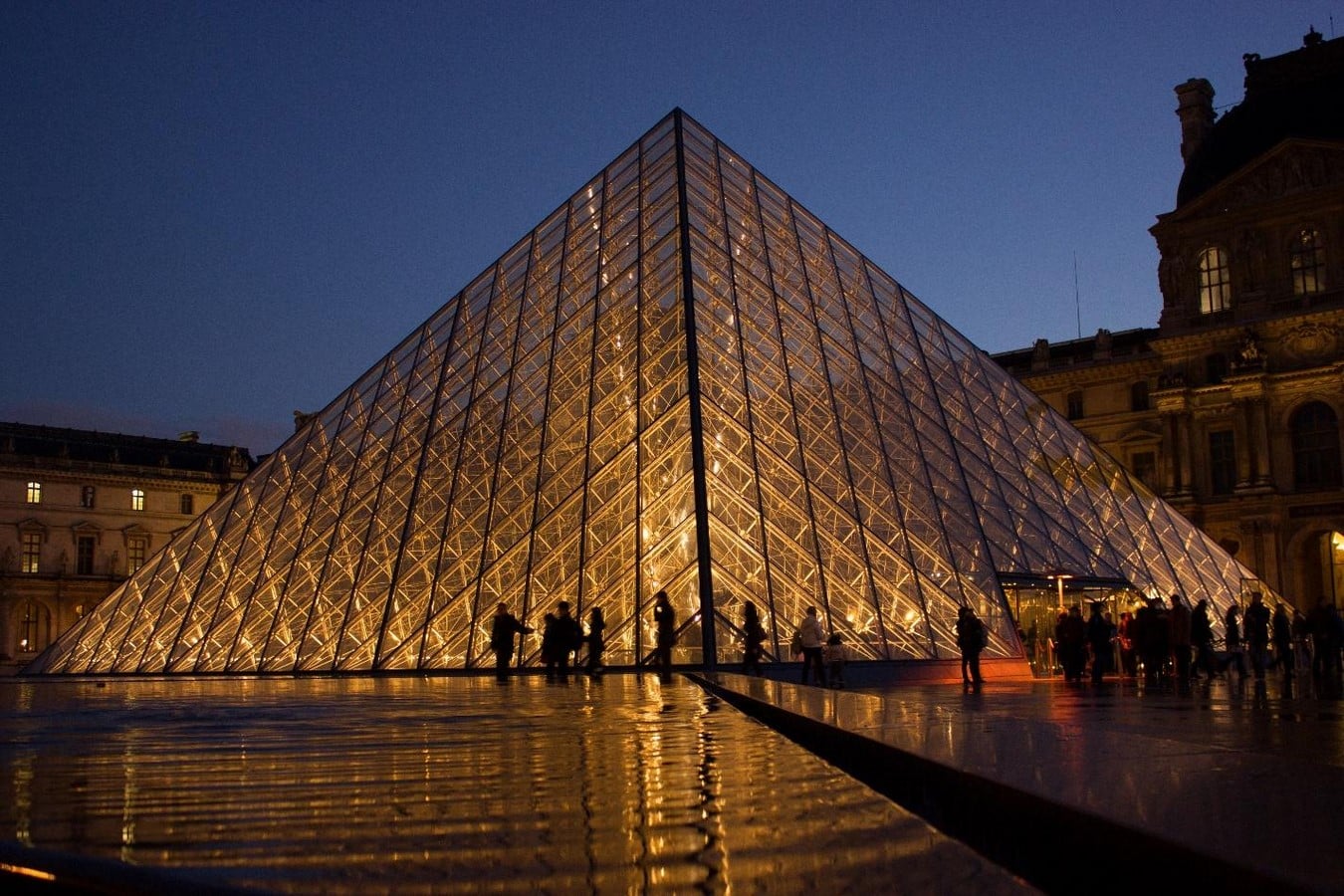
- Post 20th century, minimalism was widespread, with buildings made up of concrete, simplicity, and rational designs. Then, in the late 20th century, Paris became globally influenced by contemporary architecture with glass towers like the Louvre Pyramid.
Social Life and Urban Public Spaces
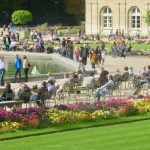
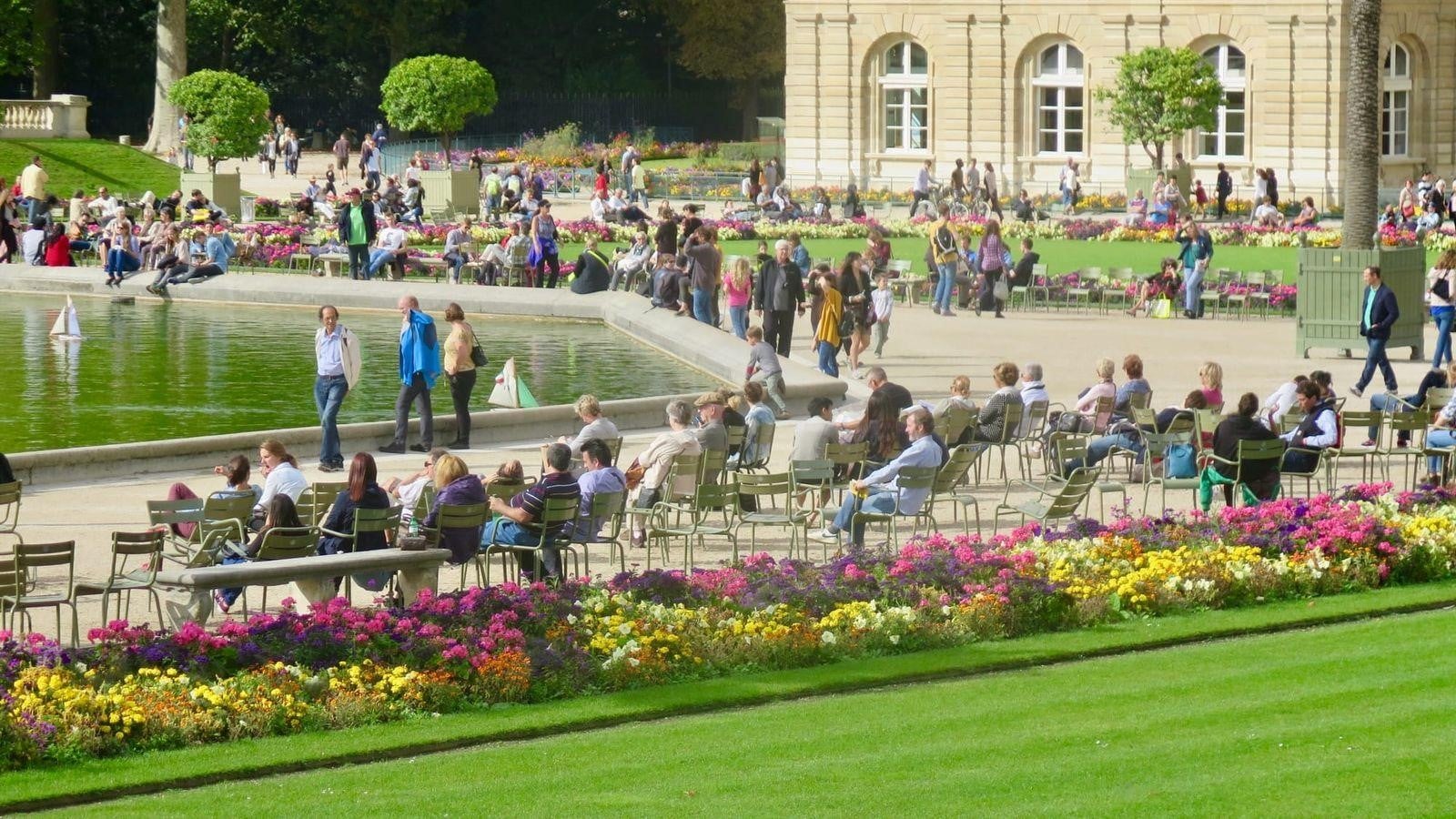
The long historical evolution not only shaped monuments, but also the everyday urban life and experience of the city and its people. Haussmann’s design of wide boulevards was not just a political tool for state control and surveillance, but also created walkable, social urban spaces. Wide streets, squares, green plantations, and parks naturally supported social gatherings, and public spaces became an integral part of everyday life. Today, cafes and shops are added along the streets, reinforcing the culture of outdoor social life and interaction. These days, when the land is scarce, people often lack private backyards and have compact living spaces, and so they rely on street-level interaction, making these urban spaces the ultimate extensions of their homes.
Architectural Masterpieces of Cultural Symbolism
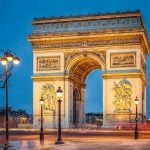
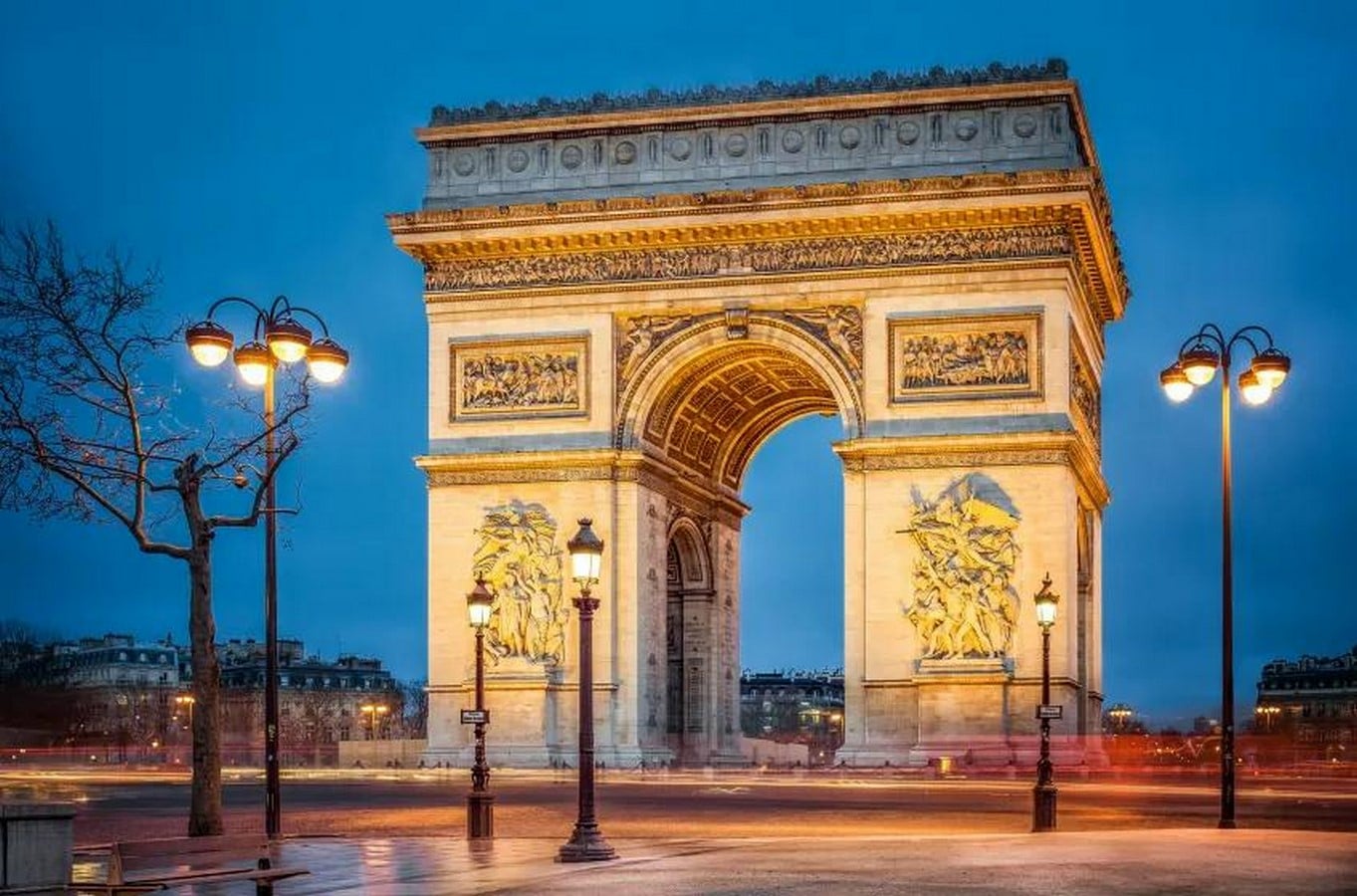
Paris is considered a true melting pot of cultures and influences. From beautiful cathedrals to jazz hotspots, Paris offers a rich and layered cultural experience for visitors. While the Eiffel Tower symbolizes innovation and love, the Arc de Triomphe is a monumental tribute to the soldiers who fought for France. Similarly, Montmartre, with its bohemian charm, is one of Paris’s famous neighbourhoods, celebrated for its timeless romance. Today, this cultural richness of Paris tradition is influenced by modern global influences. New art spaces, museums, and diverse neighbourhoods show how the city is constantly evolving culturally.
Demographics and Modernization Shaping Architecture
The rapid population growth and urbanization have played a crucial role in shaping the architecture of Paris today. The city goes beyond the historical and cultural centers, and the development of new typologies of housing is being created. At the same time, modernization has introduced new architectural styles and technologies that break away from the classical grid.
Once, the Parisian buildings were like sculptures with intricate details and stories. Today, the city also embraces glass skyscrapers and modern design. Through this transformation, Paris seeks to preserve its social, cultural, and political narratives while carefully balancing the old and new, and remains a truly timeless architectural city.
Reference:
Florian. M, (2023) Paris 20th Century Architecture City Guide: From Le Corbusier’s Modern Villas to Brutalist Estates. Archdaily. Available at: https://www.archdaily.com/1004592/paris-20th-century-architecture-city-guide-from-le-corbusiers-modern-villas-to-brutalist-estates (Accessed: 29 May 20206).
Architecture of Paris. Available at: https://en.wikipedia.org/wiki/Architecture_of_Paris. (Accessed: 29 May 2026).
Haussmann’s Renovation of Paris. Available at: https://en.wikipedia.org/wiki/Haussmann%27s_renovation_of_Paris (Accessed: 29 May 2026).
Dive into The History of Paris Through Its Iconic Monuments. Secret De Paris- Hotel and Spa. Available at: https://www.secretdeparis.com/blog/en/visit-paris/2nd-arrondissement/plonger-dans-lhistoire-de-paris-a-travers-ses-monuments-iconiques-un-voyage-fascinant-au-coeur-de-la-capitale/ (Accessed: 29 May 2026).