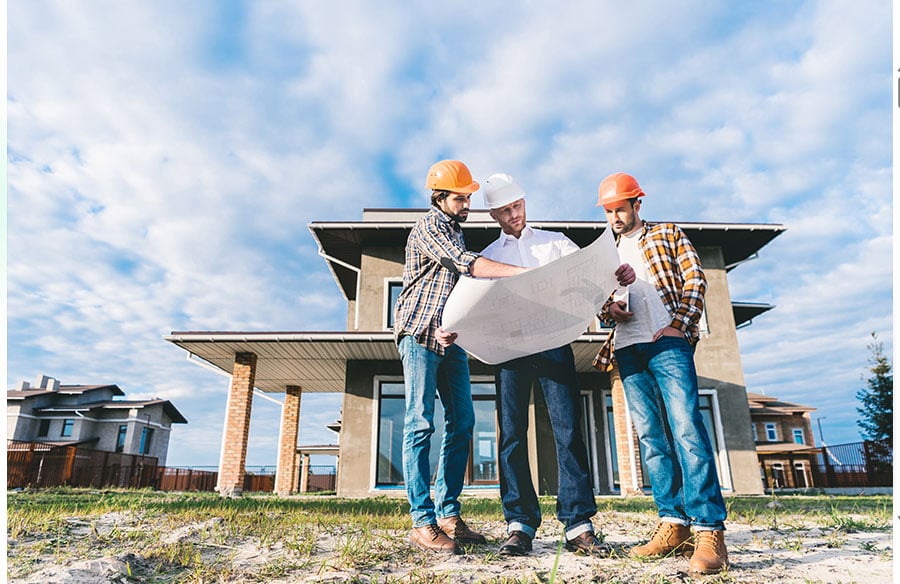
Building a custom home begins with questions that shape cost, comfort, and long-term value. The earliest answers guide site planning, room placement, materials, and financing. Families also need space to think through routines before they fix the drawings. A clear checklist keeps decisions grounded. It helps owners compare builders, weigh tradeoffs, and protect the budget before construction pressure starts.
What Budget Fits the Plan?
Before design moves too far, owners should ask how land, utilities, grading, permits, finishes, and reserves affect the full investment. A custom home builder in Fort Smith can clarify local pricing patterns, allowance ranges, and site factors that often change early estimates. That context helps our plans stay realistic before preferred features stretch beyond funding.
Is the Lot Ready?
A lot may look simple from the road, yet hidden conditions can change the project. Soil strength, drainage, slope, trees, driveway access, and utility distance all matter. Owners should request surveys, soil reports, and setback reviews before final plans. Sun exposure also influences window placement, porch comfort, and energy use as the seasons change.
How Should Daily Life Flow?
Good design follows real routines. Owners should trace how groceries enter, where laundry collects, and where shoes, bags, tools, or sports gear need storage. Kitchen sightlines, quiet bedrooms, guest privacy, and work zones deserve early attention. The plan should support habits without giving too much area to rooms that rarely serve family life.
Which Rooms Need Priority?
A budget works better when each space has a clear rank. Owners should decide which rooms need higher-grade surfaces, built-ins, lighting, or plumbing fixtures. Kitchens, primary baths, mudrooms, and outdoor living areas usually carry heavy daily use. Secondary spaces can often stay simpler. Ranking priorities helps protect essential features during pricing reviews.
What Style Has Staying Power?
Exterior and interior choices should age well in the local setting. Owners can ask which roof forms, siding materials, colors, and trim details fit nearby homes and weather demands. Very trend-led finishes may lose appeal quickly. Balanced proportions, durable surfaces, and restrained details usually hold value while still allowing personal character inside.
How Will Energy Use Be Managed?
Comfort depends on decisions hidden behind finished walls. Owners should ask about insulation depth, window quality, air sealing, ventilation, heating, cooling, and water heating. These choices affect humidity, noise, temperature swings, and monthly utility costs. Energy planning works best before framing begins, while equipment size and wall details can still be adjusted.
What Timeline Is Realistic?
A custom build needs time for design, pricing, permits, selections, ordering, site preparation, inspections, and final correction lists. Owners should ask which steps usually create delays. Weather, material lead times, permit reviews, and late changes can shift dates. A realistic schedule helps families plan leases, storage, school moves, and financing with fewer surprises.
How Are Changes Handled?
Changes can happen even with careful planning. Owners should ask how requests are priced, approved, recorded, and scheduled before work continues. Written change orders should show added cost, credits, labor effects, and timing changes. A defined process protects the budget and prevents one decision from disturbing nearby work without clear approval.
Who Communicates Each Week?
Strong communication needs a steady rhythm. Owners should know who answers questions, how updates arrive, and where selections are tracked. Meeting notes, photos, budget reports, and schedule summaries keep the project organized. One primary contact reduces mixed messages. Written records also help small concerns get resolved before they become costly corrections.
What Happens After Move-In?
Move-in day should not be the end of builder support. Owners should ask about warranty terms, service requests, maintenance guidance, and seasonal checks. New materials may settle, filters need replacement, and landscaping requires early care. A clear service process helps households protect finishes, learn equipment, and report minor concerns through proper channels.
Conclusion
The strongest custom homes come from careful questions asked early in the process. Budget, land, layout, materials, energy systems, timing, communication, and service all deserve direct discussion. Each answer gives owners a better basis for decisions during design and construction. With patient planning, families can shape a home that supports daily routines, respects the investment, and remains comfortable for many years.