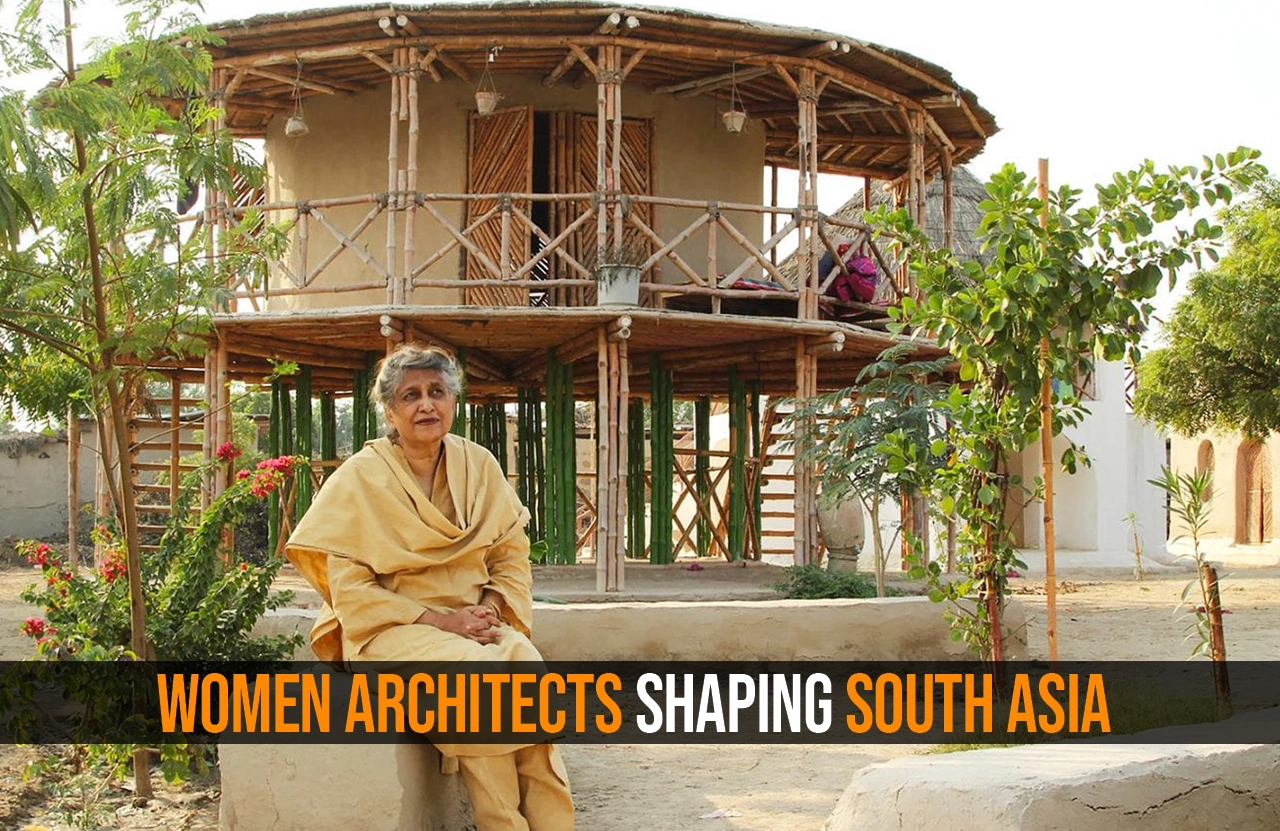
In a man-dominated world, women had to fight for their freedom, identity, and equality. Most professions have invisible barriers for women, but architecture is considered one of the toughest fields to enter and also to survive in for women. Architecture professionals often looked down on women, prioritised men, and doubted if women could handle the pressures of design, construction, and decision-making. Yet, in spite of all these difficulties, women proved that talent, creativity, and intelligence are never bound by gender. Architects like Zaha Hadid, Norma Merrick, and Yasmeen Lari broke these stereotypes and set a standard for all other architects.
As Zaha Hadid once said, she initially wanted to be recognised simply as an architect, not as a “woman architect.” She wanted her work to speak louder than her gender. But when she understood the importance of representation and influence on the young generation, she accepted the title. Her journey also revealed the struggles of many other female architects – the constant need to prove herself and make a stand. Recognition may have been easier for men, but women had to fight for it. Women struggled not just to make architecture but to be seen, heard, respected and recognised for their work in the field.
Today, more women are entering the field and are redefining the notion that men are more capable. The increase in the number of women architects is not only changing the profession to make it more equal, but it is also changing the way architecture is understood and practised. Women are showing that architecture is not just about buildings and structures but also about empathy, sustainability, culture, and human experience.
Across South Asia, where the inequality persists in small quantities, many Women Architects have forced themselves out of this bubble and have built a name for themselves. In countries like India, Bangladesh, Pakistan, and Sri Lanka, women architects are breaking stereotypes and creating innovative and meaningful architecture.
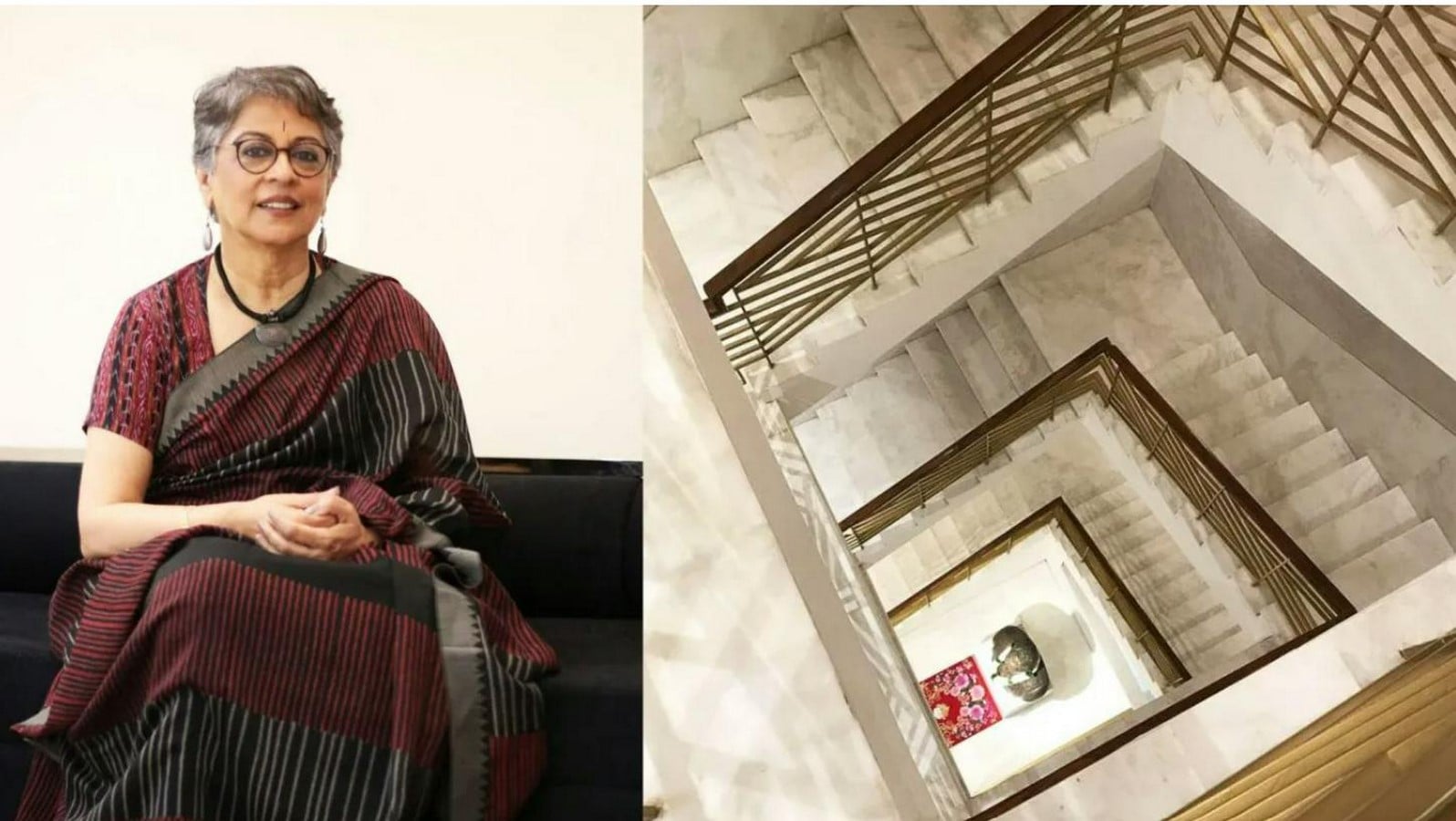
Brinda Somaya
She is one of India’s most respected architects. Her work reflects sensitivity towards culture, heritage, and people. She strongly believes that architecture must give back to society. Through restoration projects, educational institutions, and community-centred designs, she has shown that architecture can preserve history while also serving modern needs. At a time when very few women were recognised in Indian architecture, Brinda Somaya created a space for herself through her different ideas and thoughts.
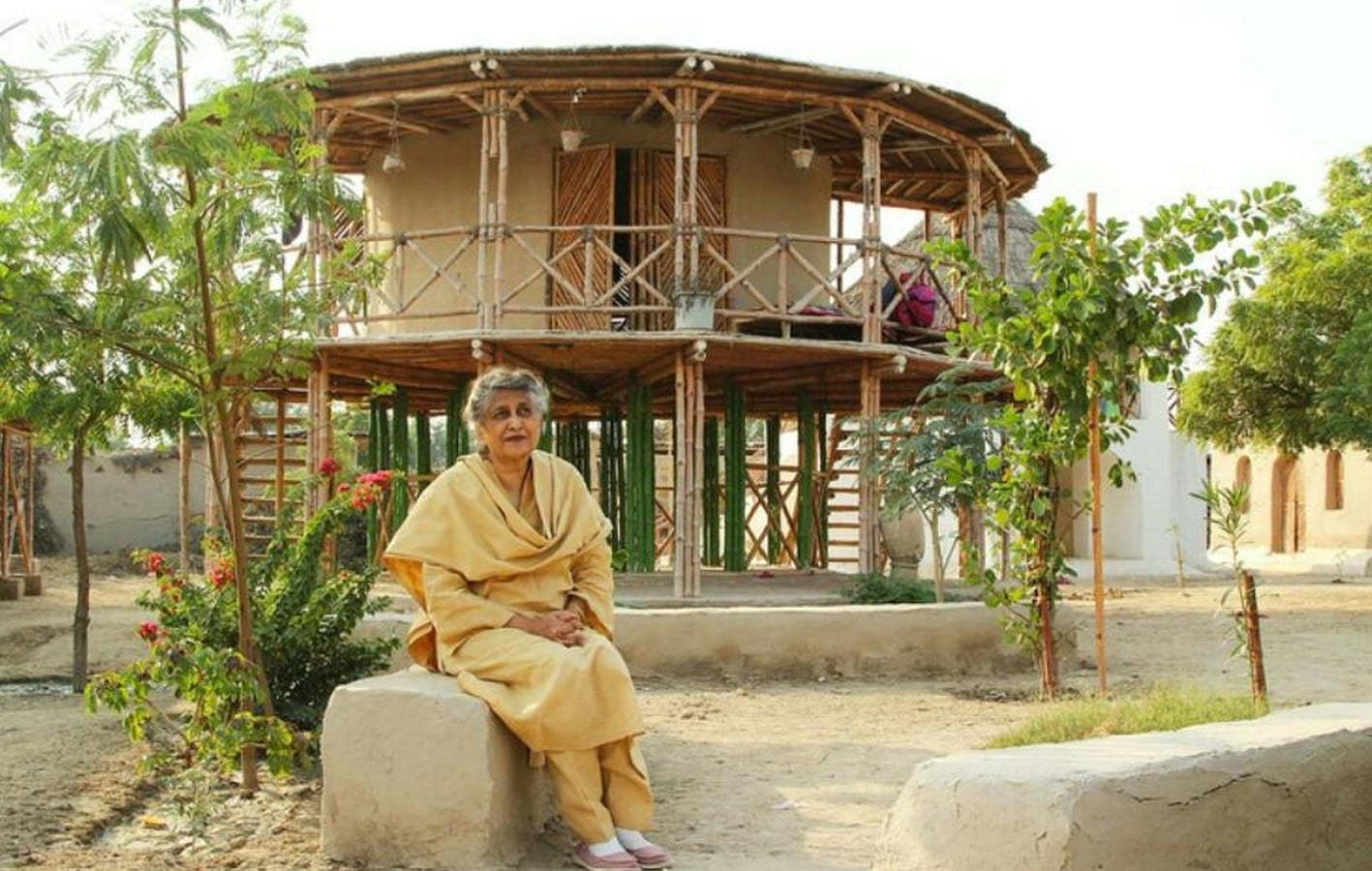
Yasmeen Lari
Yasmeen Lari is Pakistan’s first female architect. Rather than focusing only on commercial projects, she focused on humanitarian needs, using architecture as a tool to trigger social change. She designed low-cost shelters using local materials and sustainable methods for the poor, and also for rehabilitation and restoration after floods and earthquakes. Her designs address issues of deforestation, pollution, and health hazards faced by women in rural areas, responding to their needs in a locally specific way. Her work proved that architecture is not only about luxury or aesthetics but also about the need, shelter and resilience. For her innovative design and cause, Yasmeen Lari was awarded the RIBA gold medal in 2023. Through her unique cause and dedication, she became an inspiration for many women across Pakistan and also South Asia.
Marina Tabassum
Another notable figure among women architects is Marina Tabassum of Bangladesh. Her designs responded systematically to climate, culture and simplicity. In a region where environmental issues and climate change are considered primary challenges, her work shows how thoughtful design can improve lives while respecting nature. Her designs emphasised local materials and techniques and thoughtful consideration of climate and context. This resulted in buildings that respond naturally to light, air, and the site context. She has won the Aga Khan award for architecture twice; her global recognition is proof that South Asian women are now shaping architecture globally.
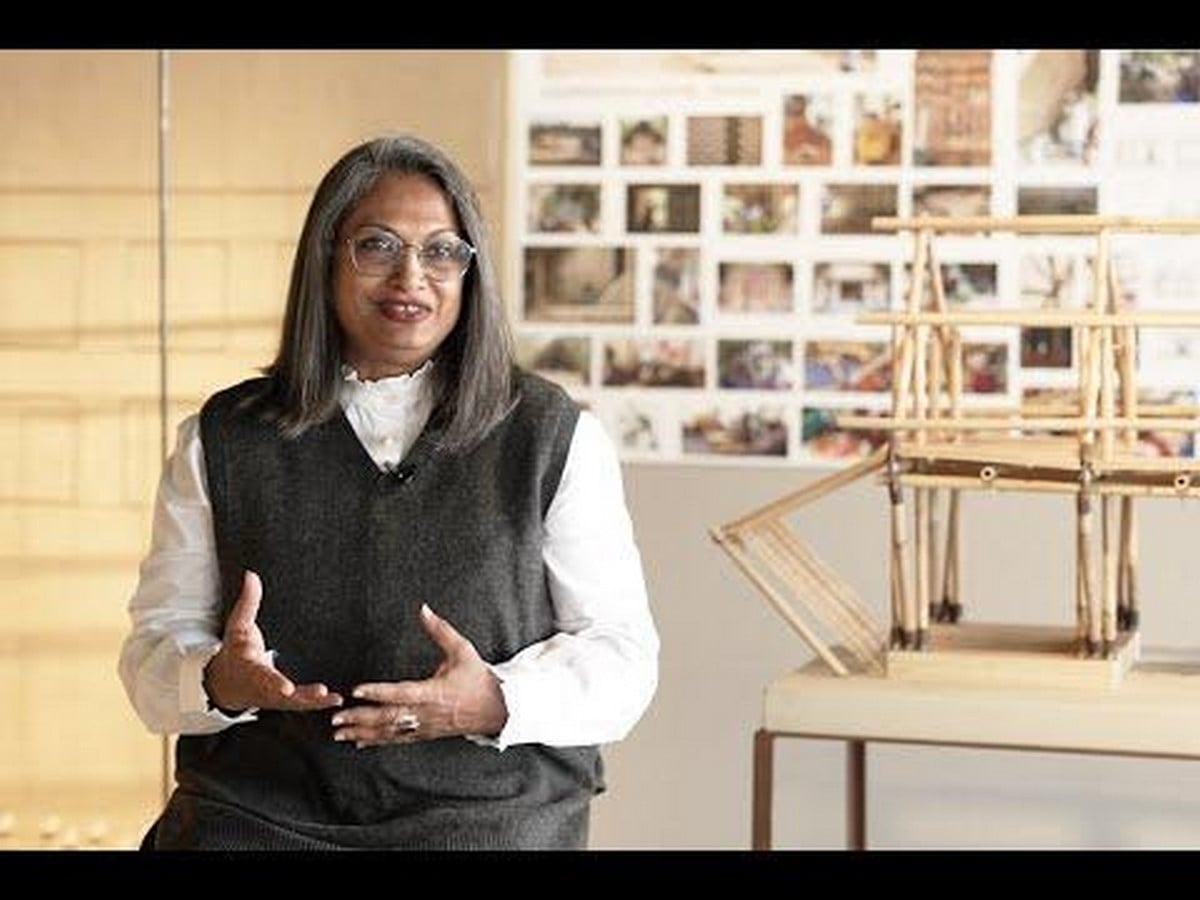
Not just these women, many other Women Architects are characterised by their design approach, for their people-oriented approach and their focus on comfort, inclusivity, accessibility, and emotional connection. Many women architects design spaces that are inclusive of all genders and are more connected to the community.
The road that has led to this recognition has not been easy, though. Even today, many women architects continue to experience unequal opportunities and bias in the workplace. Construction sites and leadership positions are still mostly men’s roles. Women architects have to work twice as hard just to get the same recognition as men. But even with these barriers, there are a number of women in the field who have been recognised for their works.
The growing number of Women Architects is gradually changing the profession into a more inclusive and balanced field. Women are not coming into architecture anymore to fit into the system; they are changing the system.
Women Architects are making a difference in equality, sustainability and social justice. Not just buildings. Women architects are showing that architecture is not confined by gender; it is made stronger by diversity as they share their own stories of struggle and transformation.
In conclusion, the emergence of Women Architects in South Asia brought much more than professional success. This is a step towards equality and recognition. Women fought to enter a profession that once doubted them, and today they are some of the strongest voices shaping the built environment. Women Architects inspire and keep inspiring generations by showing that architecture is for everyone, regardless of gender.