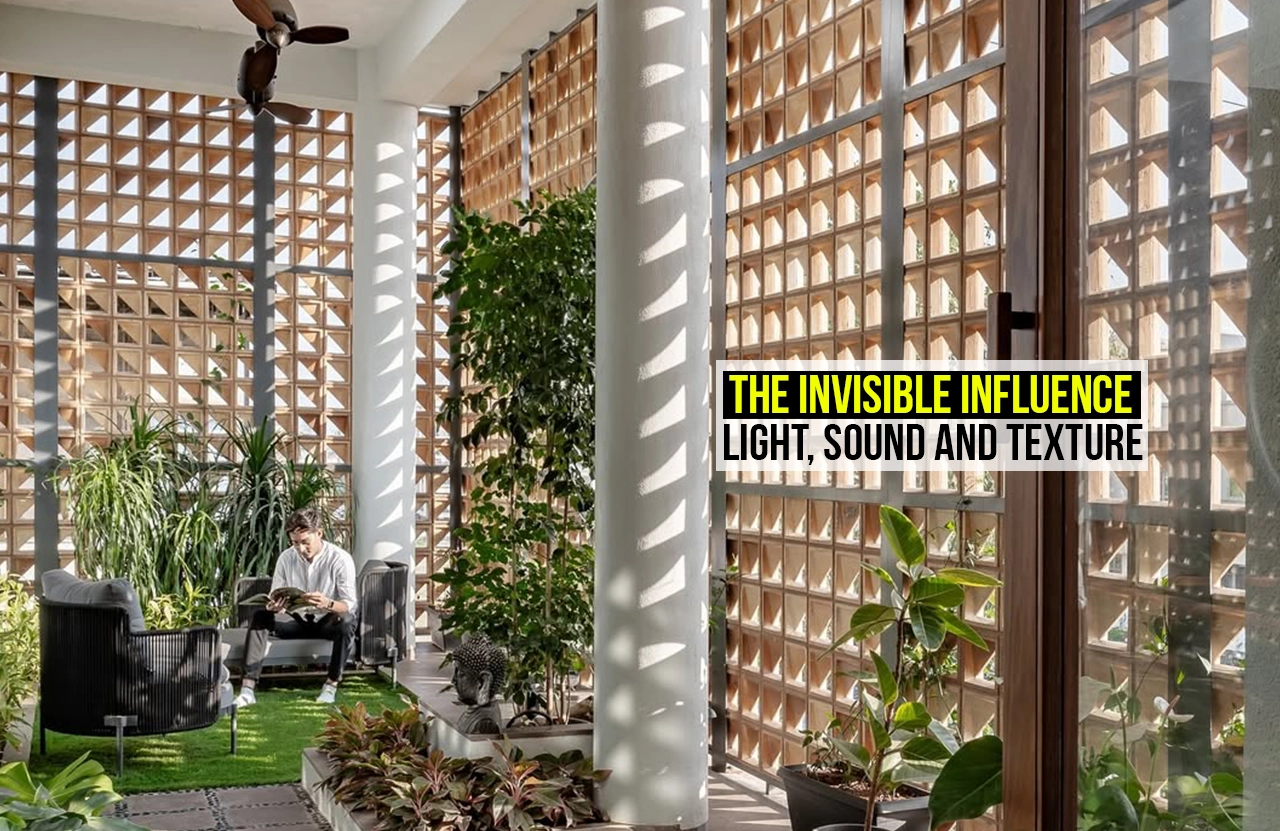
Buildings are often perceived for their visible physical features – their form and structure. As in a tall skyscraper, a grand building or a minimal building with sleek lines, buildings are even described by their physical appearance. However, the true essence of any building can only be felt through its invisible elements – light, sound and texture. These factors act together, influencing human experience, behaviours, comfort, well-being and moods. Even what people remember about the space is influenced by these factors, and they do not even realise it. By manipulating these factors, architects can transform a mere structure into a profound space.
Light
Light is the primary medium that aids people in perceiving any space. It not only illuminates a space but gives an additional layer, enhancing its character.
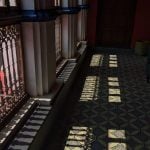
Bringing in natural light into any space, connects the interiors to the movement of the sun, and, in turn the sunlight inside the building creates a dynamic environment where the shadows shift and the colour changes.
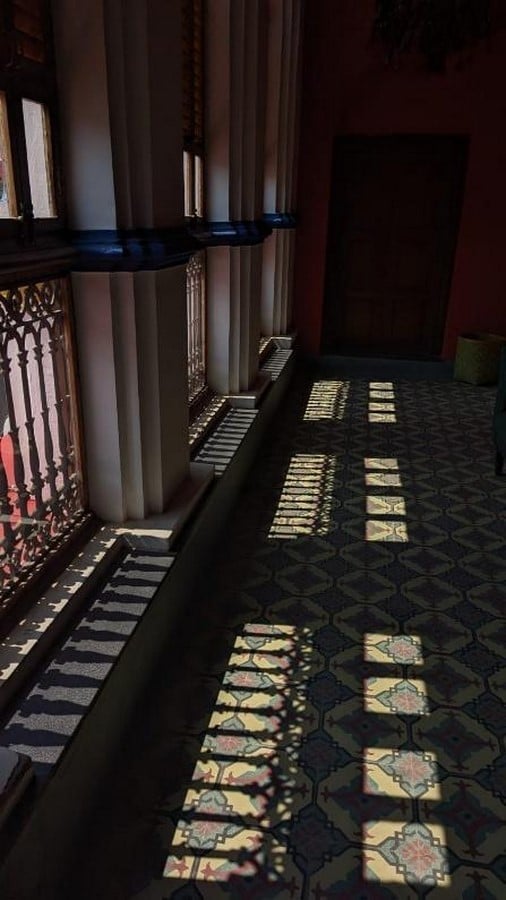
This is not merely aesthetic, but psychological. Studies have shown that natural light boosts energy and creativity, influencing the overall well-being of people. Buildings that prioritise daylighting promote user’s cognitive function and reduce stress.
In the absence of natural lighting, even artificial lights can be used to support basic functions and sometimes to even mimic natural light patterns.
Light also defines one’s boundaries and paths. A shadowed corner offers a space for thinking and reflection, a well-lit space invites people in and a spotlighted path can guide a person through a museum.
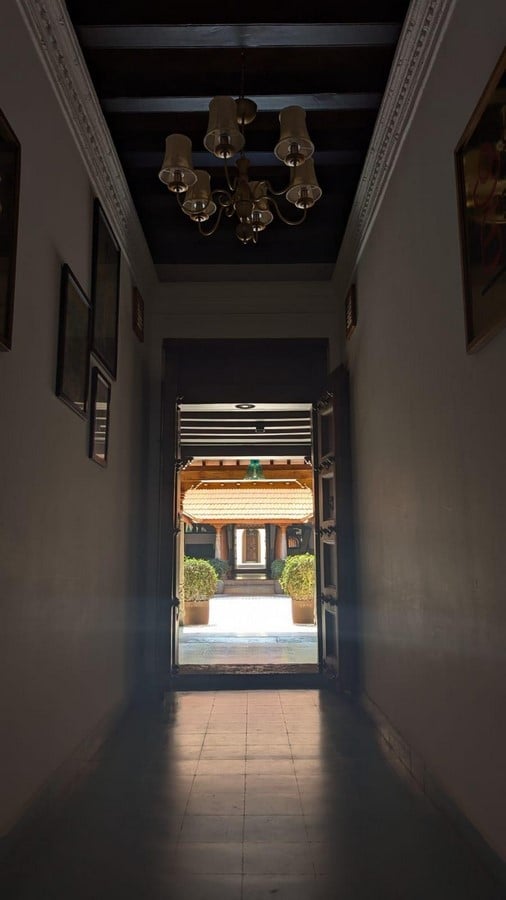
Therefore, light should not only be considered for aesthetics but also to be used to enhance the physiological and physical comfort, well-being and ease of the users.
Sound
Sound is a subtler element than light, which is not consciously perceived by the users. But has a more profound impact on the spatial experience. Sound defines the acoustic character of an environment, influencing comfort and privacy.
Sound contributes to the memory of the space more deeply than the visual elements. The sound of water flow, the chirping of birds and the rustling leaves in a park all become part of the experience and memory. Even in the built spaces, pleasant music or even the sound of a small water increases comfort. When left unconsidered, hvac sounds, footsteps in a corridor or traffic noise can increase discomfort and ruin the entire experience in the building.
It is always there, but an excess of it or no sound at all can have great effects on the spatial experience. It should be carefully chosen and utilised according to the needs.
Texture
Texture is considered as the physical connection between the users and the space. Texture brings a sensory richness to architecture that goes beyond sight and sound.
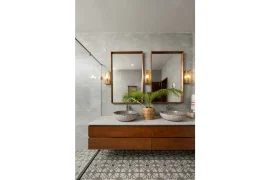
Smooth and polished materials, such as glass or metal, often convey a sense of modernity, precision, and cleanliness. In contrast, rough and natural textures like stone, wood, or exposed brick evoke warmth, authenticity, and a connection to nature. These tactile qualities influence emotional responses, making spaces feel either welcoming or sterile.
Furthermore, texture can guide movement and behaviour. Changes in floor texture can signal transitions between spaces or indicate areas of different use. For instance, a shift from a hard surface to a softer one may subtly suggest a move from a public to a private zone.
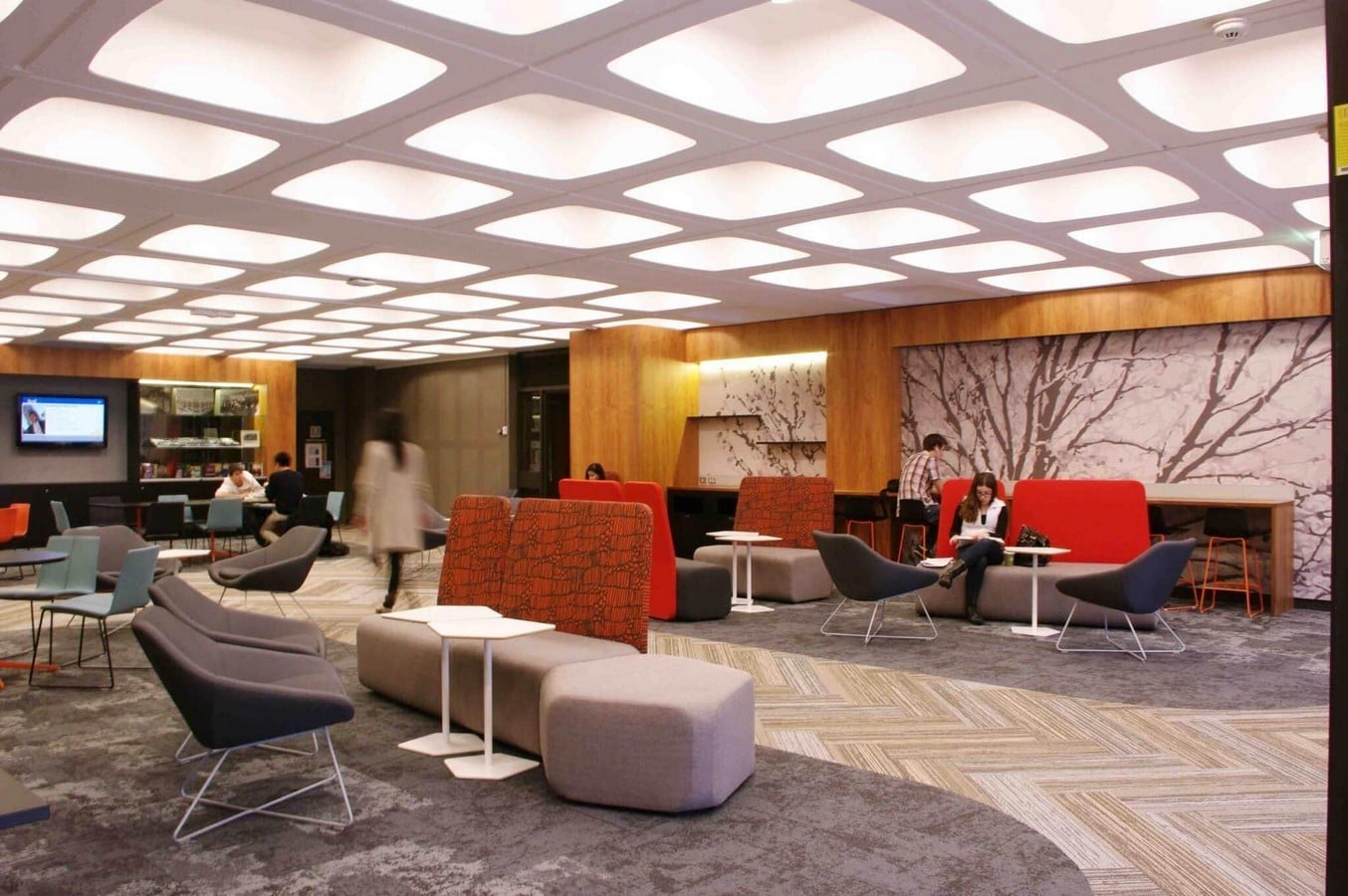
It is one of the most unconsidered elements in buildings. It is necessary to utilise this factor to develop a full experiential space.
The interplay
While light, sound and texture have their own impact on the buildings, having a well thought interplay of the three of them makes the space truly sensory, defining the essence of experience.
Consider a simple example of a courtyard with evening rays filtered through jaallis, the sound of water from a distant stream and walking on a rough stone pavement. Individually, each element contributes to the experience, but collectively, they create a sense of calm. Even if one element is removed, it will alter the experience significantly.
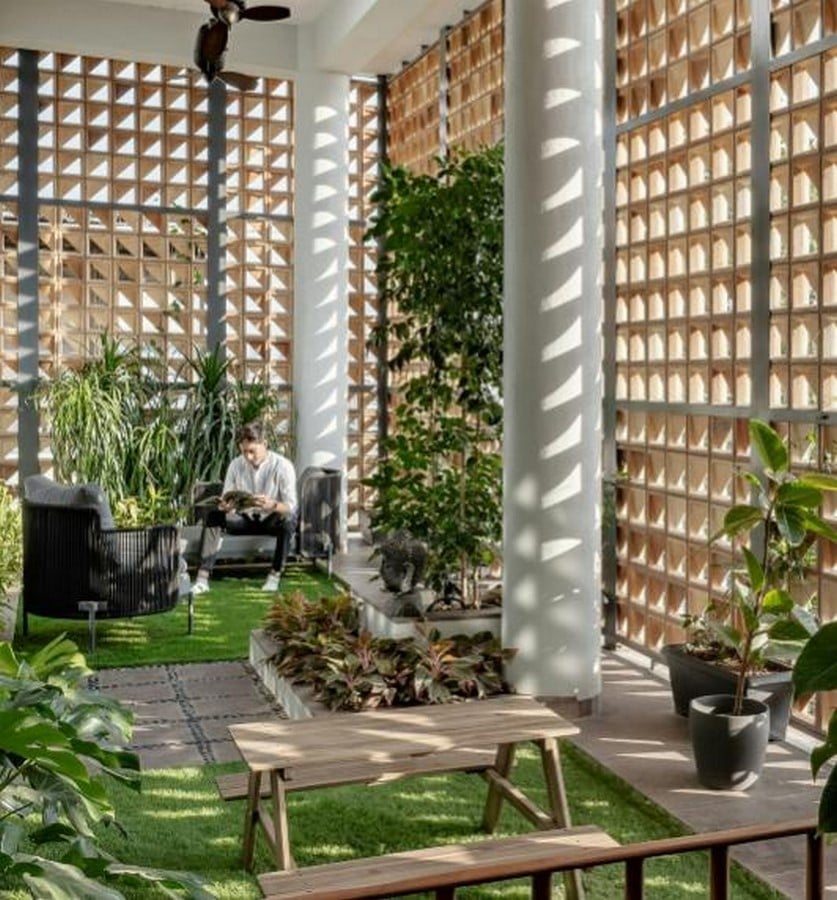
This interplay allows architects to design spaces that respond to human needs on a deeper level. By carefully balancing these elements, it is possible to create environments that are not only functional but also emotionally resonant.
The true essence of any building is not only in what people see but in what they feel in that space. Light, sound and texture are factors that are invisible but influence the experience greatly.